
Saint Sebastian altar by Albrecht Altdorfer — History & Facts
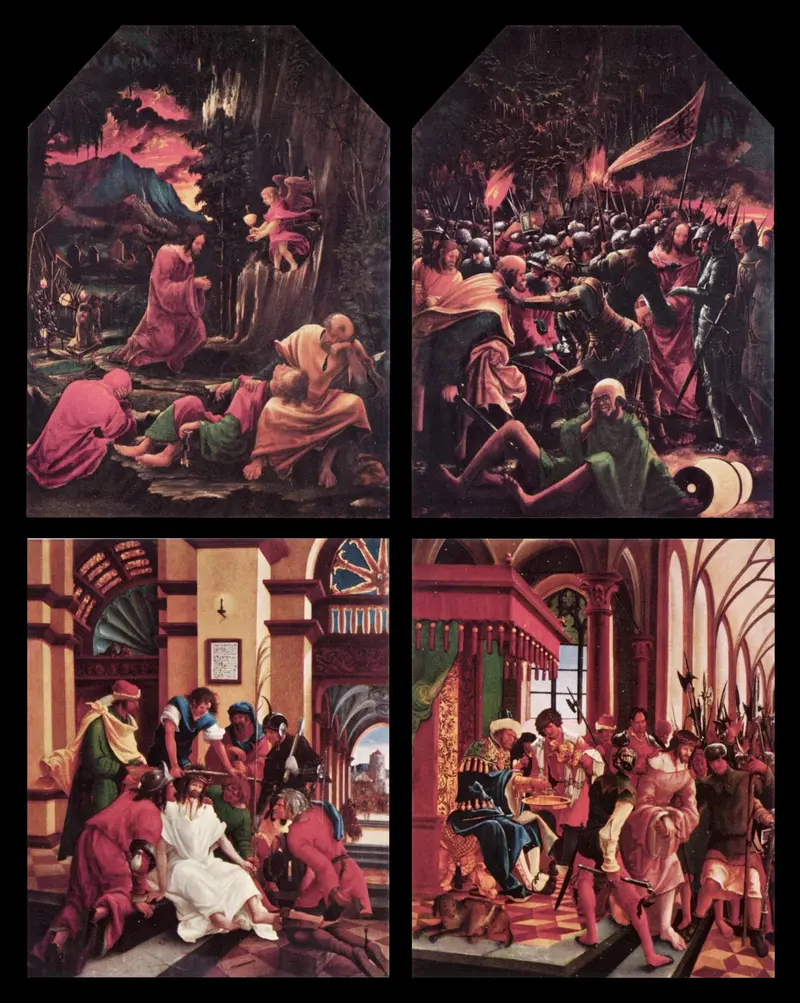
What first seizes the eye in this polyptych is not a single moment, but a relentless sequence—a visual narrative unfolding across four panels, each one a chapter in the Passion. The painter, Albrecht Altdorfer, orchestrates the viewer’s journey through the drama with a careful choreography of gesture and gaze: the tightly packed soldiers, their spears bristling like a forest, press in on Christ, whose calm, bowed figure draws the eye again and again. In the upper left, the interplay of architectural shadow and golden light creates a stage-like space, while the lower right erupts into the stark, angular wood of the crosses and the swirling, almost frantic movement of the crowd.
The palette shifts from the dusky, enclosed warmth of interiors to the chill blue sky and bare trees of the Crucifixion, underscoring the transition from judgment to execution. Created circa 1509-1516, this altarpiece belongs to a world in which such narrative cycles were at the heart of religious life. In early sixteenth-century Germany, artists like Altdorfer—a pioneer of the Danube School—were experimenting with landscape, architecture, and emotion, weaving them into sacred stories for local churches and their communities. Altarpieces like this were both didactic and devotional, meant to guide the faithful through the mysteries of Christ’s suffering and redemption.
Though little is recorded about the specific journey of this work, its inclusion in The Yorck Project’s vast digital collection speaks to its enduring power. Every detail, from the glint of armor to the sorrowing faces, invites the viewer to step closer, tracing the old story through new eyes.
More Artworks by Albrecht Altdorfer

Landscape with Two Pines
Albrecht Altdorfer
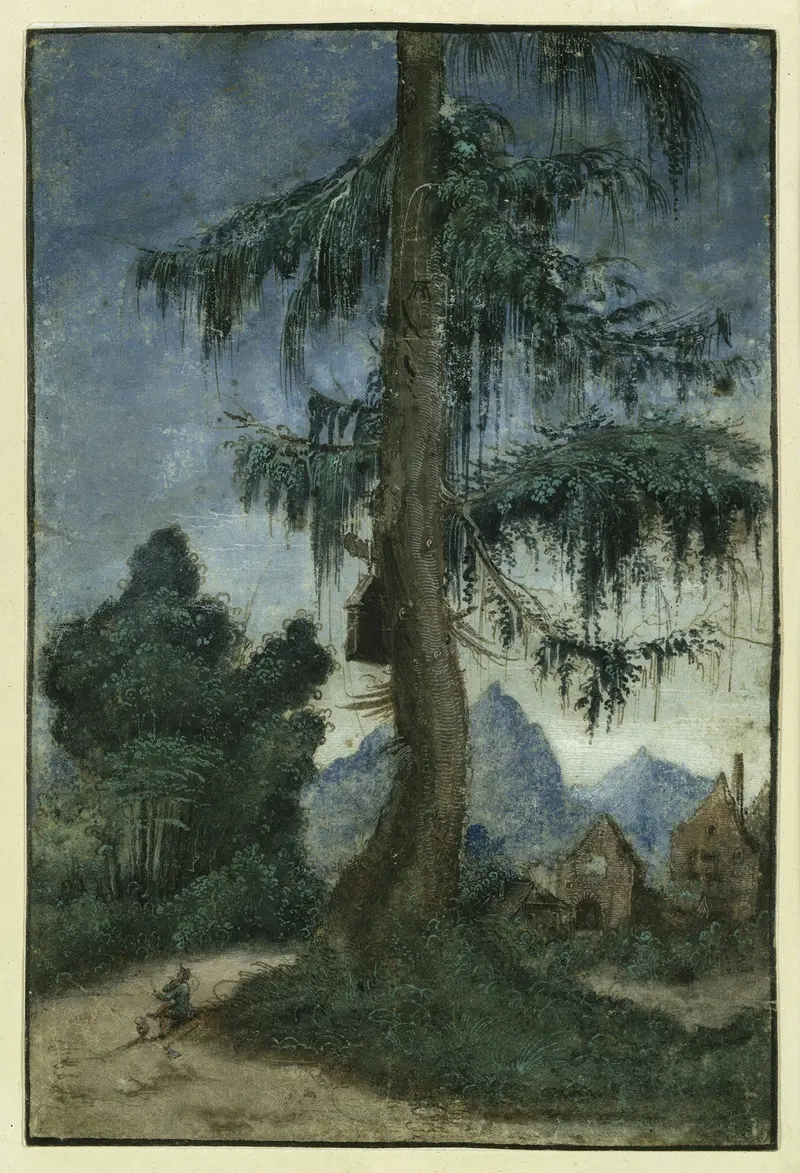
Landscape with spruce
Albrecht Altdorfer
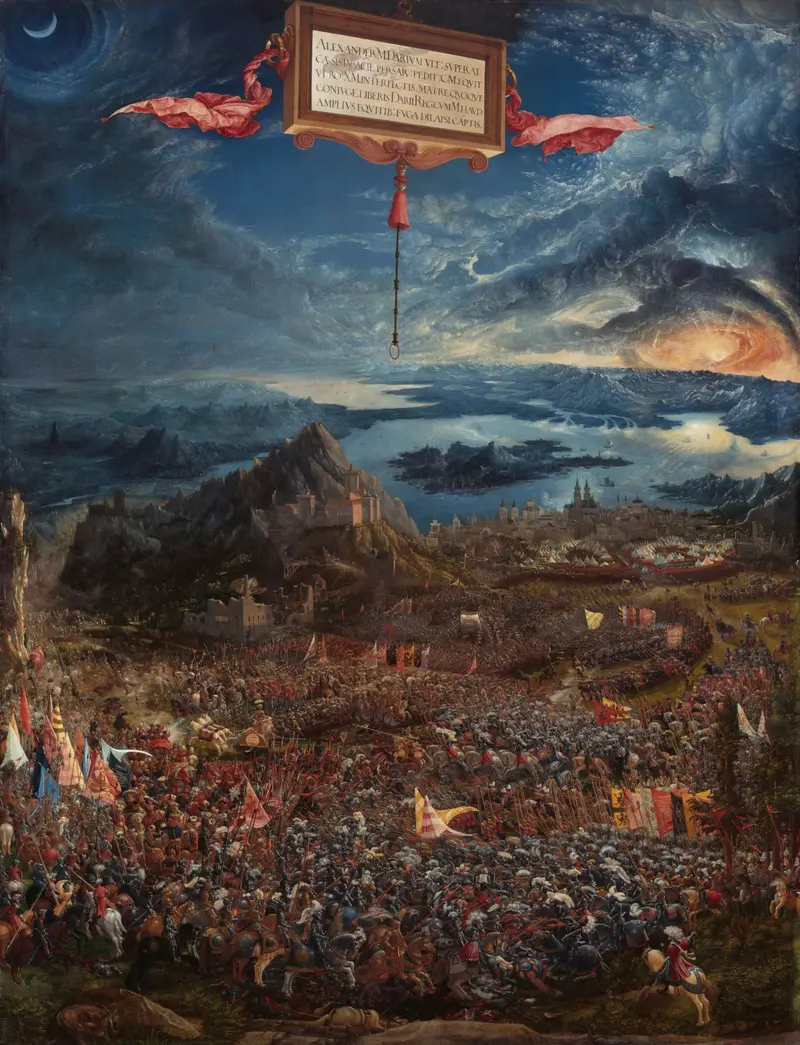
The Battle of Alexander at Issus
Albrecht Altdorfer
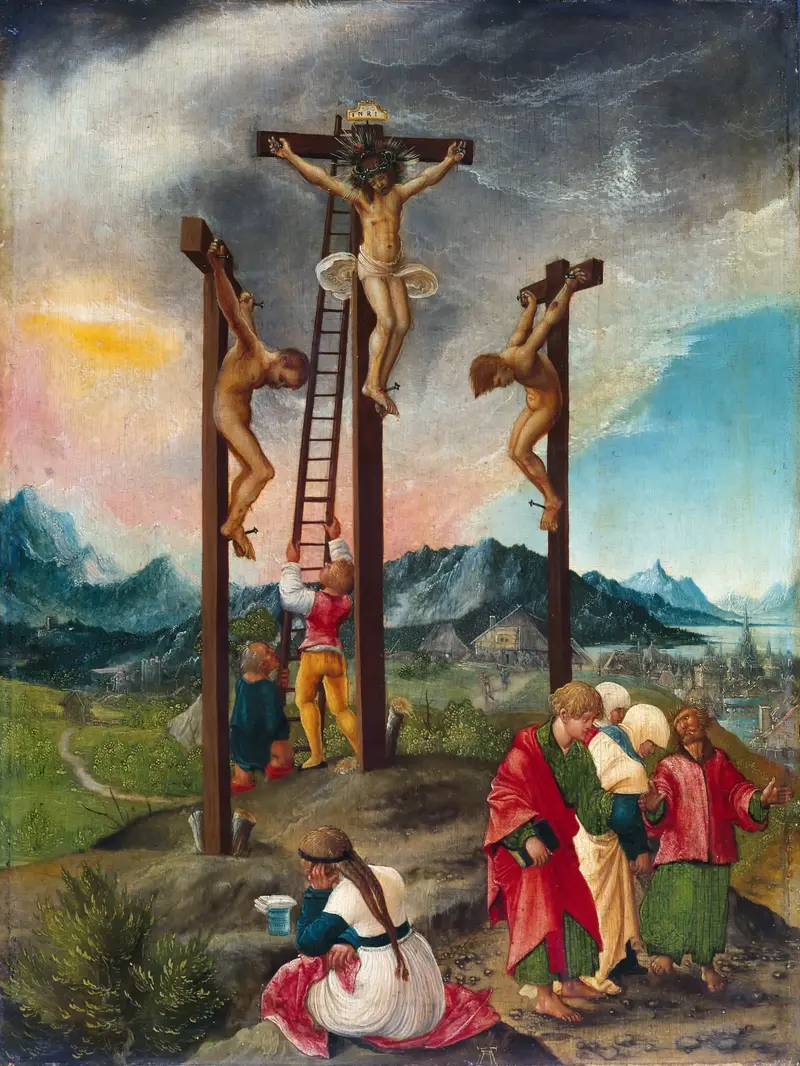
Christ on the Cross between the Two Thieves
Albrecht Altdorfer
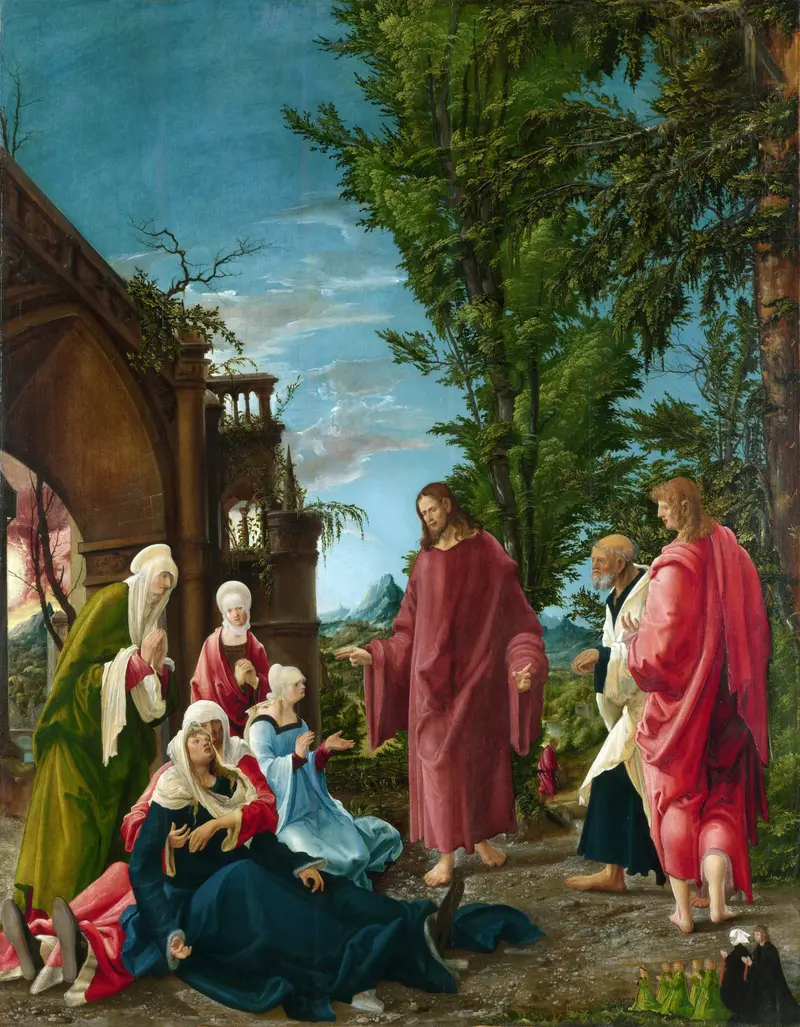
Christ Taking Leave of his Mother
Albrecht Altdorfer
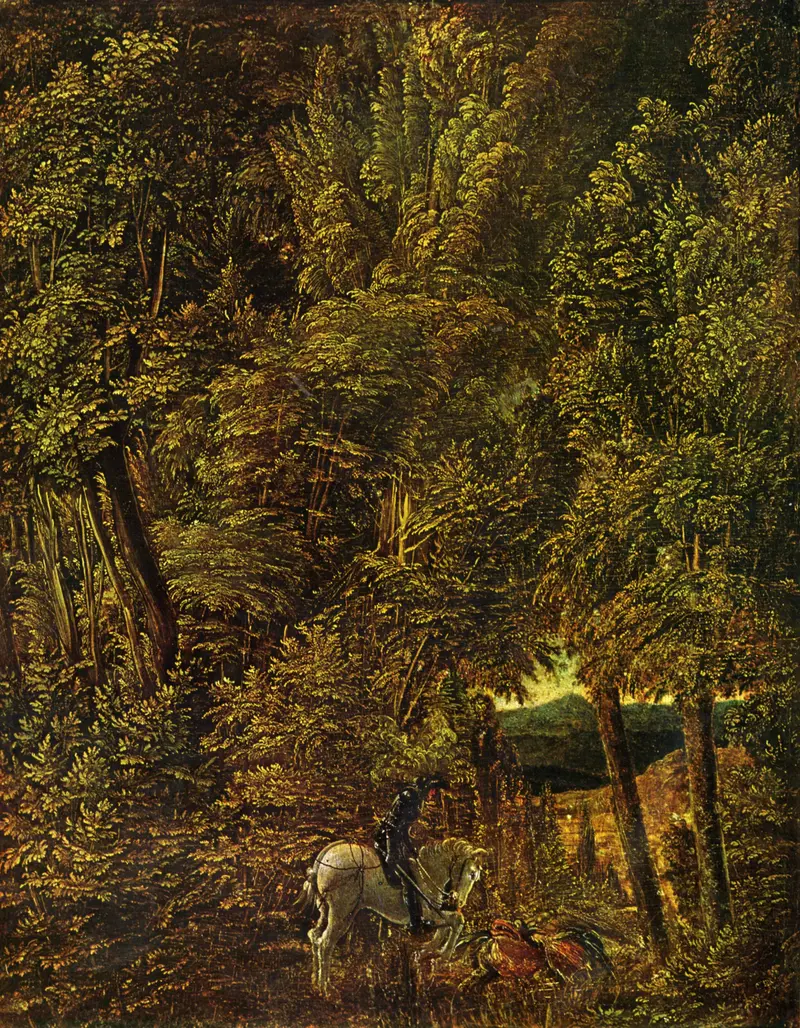
Countryside of Wood With Saint George Fighting the Dragon
Albrecht Altdorfer
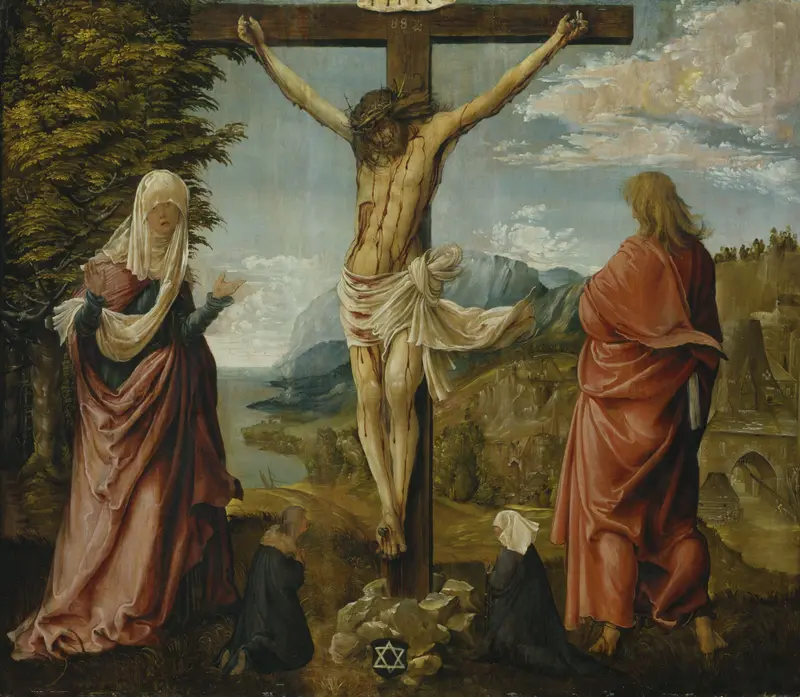
Crucifixion with Mary and John
Albrecht Altdorfer
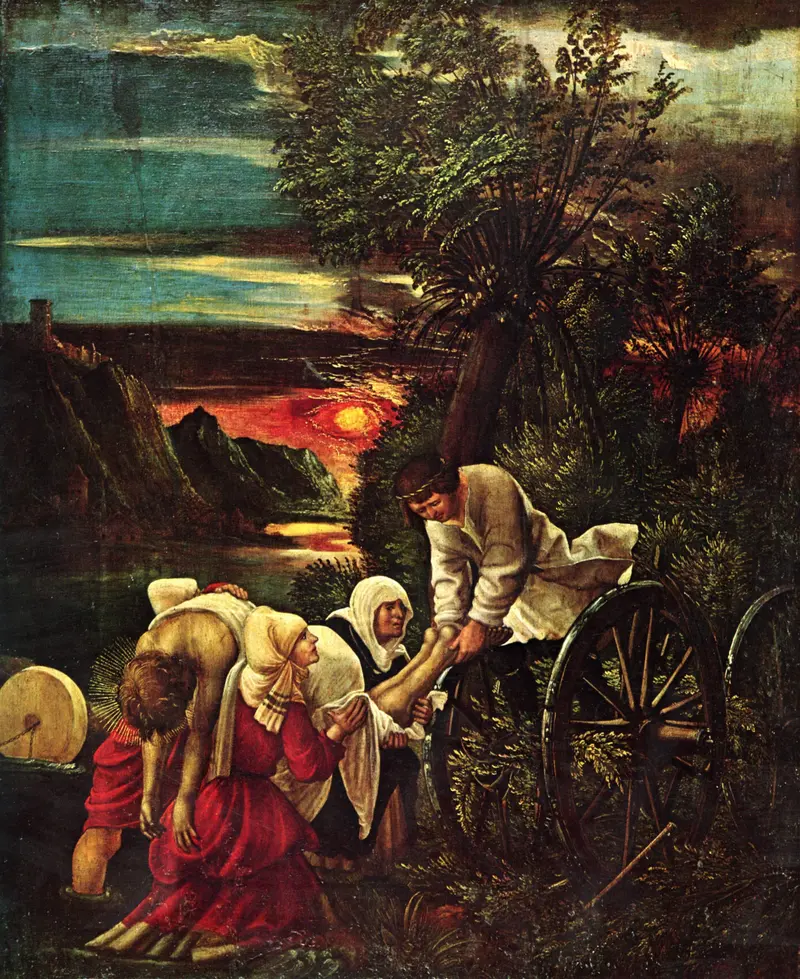
Finding of the Body of Saint Florian
Albrecht Altdorfer
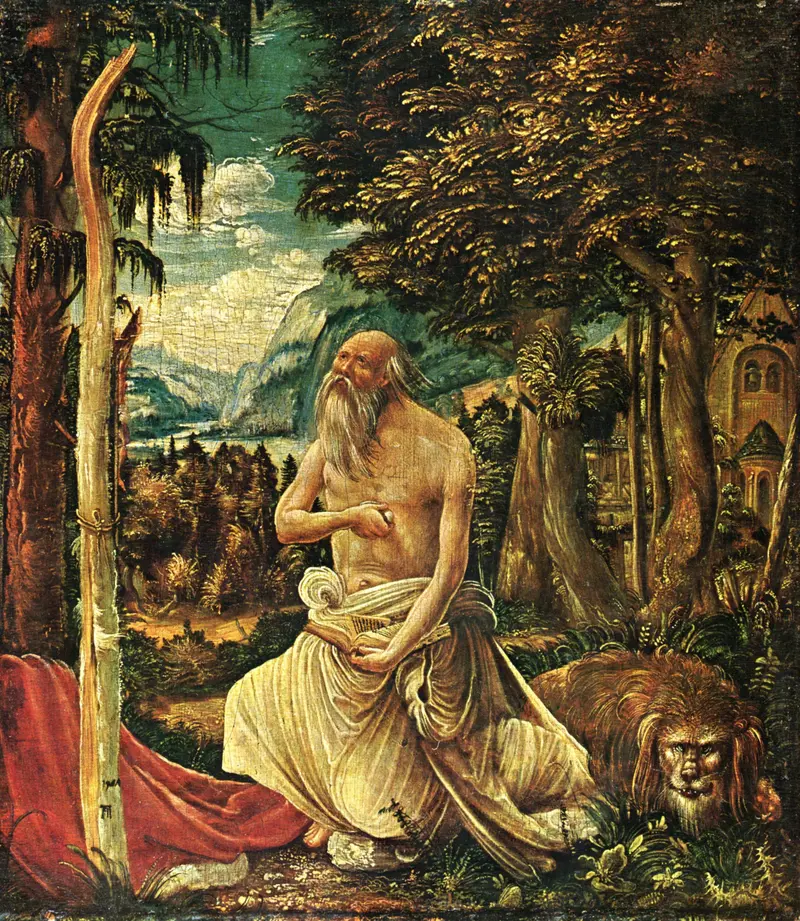
Penitent Hieronymus
Albrecht Altdorfer
Pilate Washing His Hands by Altdorfer
Albrecht Altdorfer





