
Saint Servan — History & Facts
Is this a mirror — or a memory? In Saint Servan, a haunting interplay of light and shadow evokes a sense of uncertainty, as if the landscape itself harbors secrets just beyond reach. The quiet stillness of the scene carries a palpable tension, a fear of the unknown lurking in the corners of this idyllic yet enigmatic setting. Look to the left of the canvas, where the soft hues of muted greens and grays merge seamlessly. The gentle brushstrokes create a pathway that invites the eye into the depths of the painting, leading toward a distant horizon shrouded in mist.
Notice how the delicate reflections in the water mirror the sky, suggesting a fragile balance between reality and illusion, life and memory. The restrained palette enhances the subtle emotional undertones, establishing a serene yet unsettling atmosphere. Beneath the tranquil surface lies an emotional dichotomy; the beauty of nature exists alongside an underlying sense of apprehension. The tall trees stand like sentinels, their elongated shadows hinting at an unseen presence, while the water’s glassy surface conceals depths that could harbor both comfort and fear.
This duality compels the viewer to confront their own emotions, questioning what lies below the serene exterior of the landscape. Around the time Saint Servan was painted, Corot was navigating a transformative period in his artistic journey, embracing the emerging style of plein air painting. Working in the mid-19th century amidst a world poised between Romanticism and Impressionism, he sought to capture the ephemeral qualities of light and atmosphere. Corot's exploration of these themes reflects both his personal experiences and the evolving landscape of the art world, where artists began to focus more on the emotional resonance of their environments.
More Artworks by Jean-Baptiste-Camille Corot
Browse all →
View of Genoa
Jean-Baptiste-Camille Corot
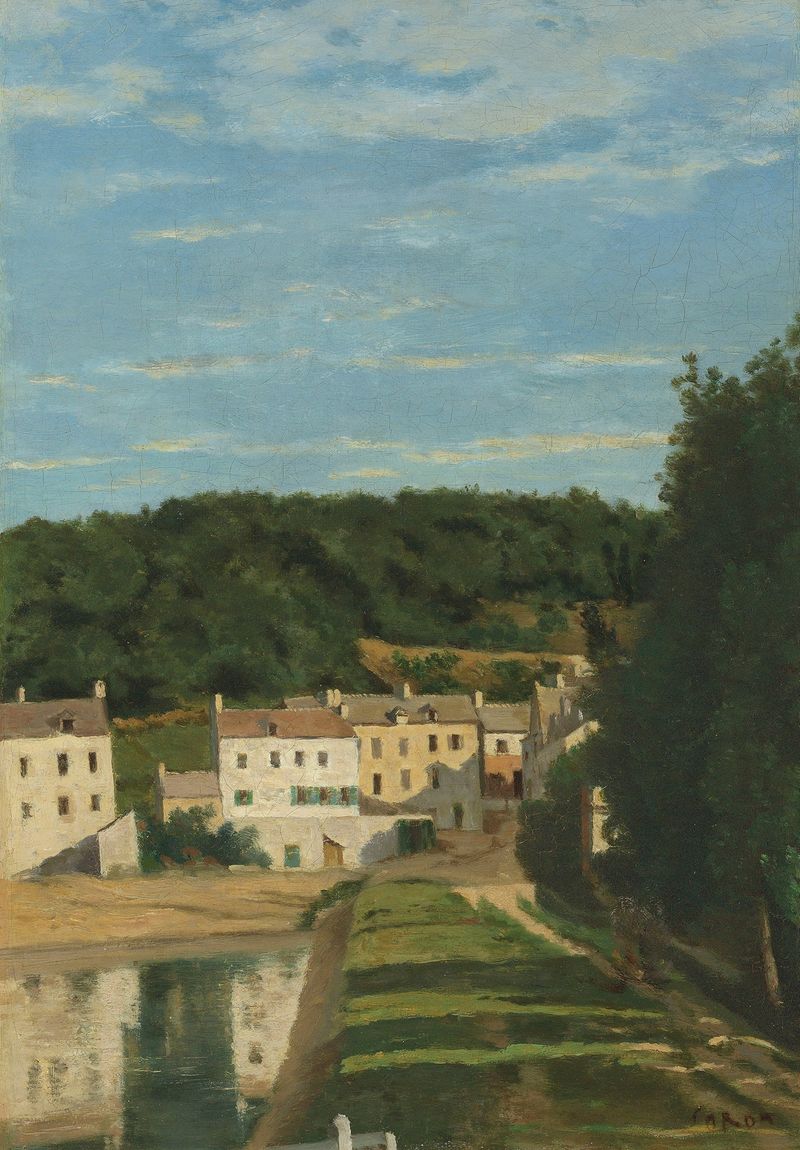
Les Maisons Cabassud À Ville D’avray
Jean-Baptiste-Camille Corot

La solitude. Souvenir de Vigen (Limousin)
Jean-Baptiste-Camille Corot
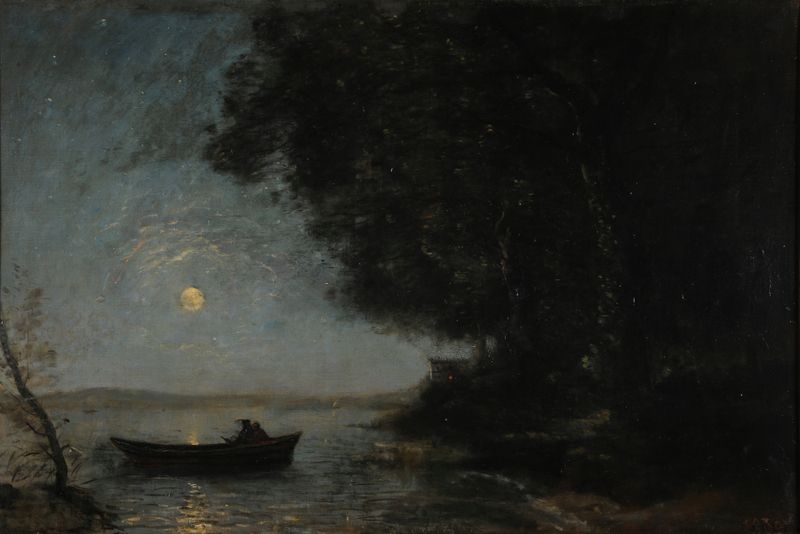
Le lac ; effet de nuit
Jean-Baptiste-Camille Corot
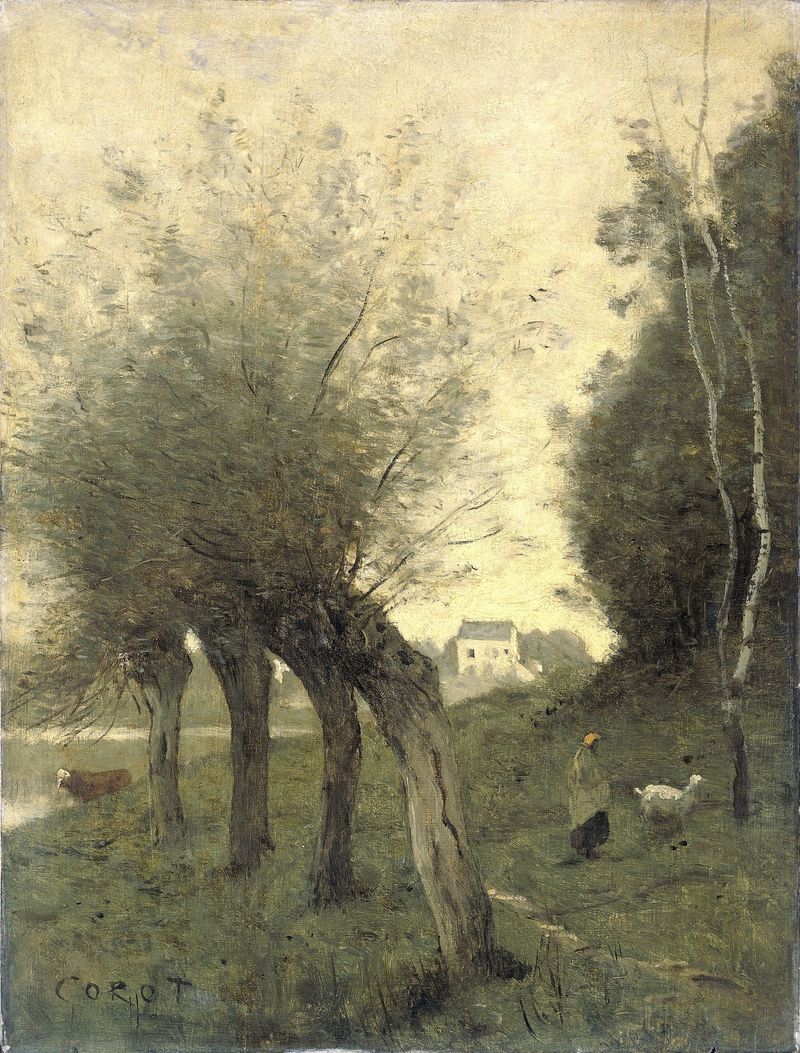
Landscape with Pollard Willows
Jean-Baptiste-Camille Corot
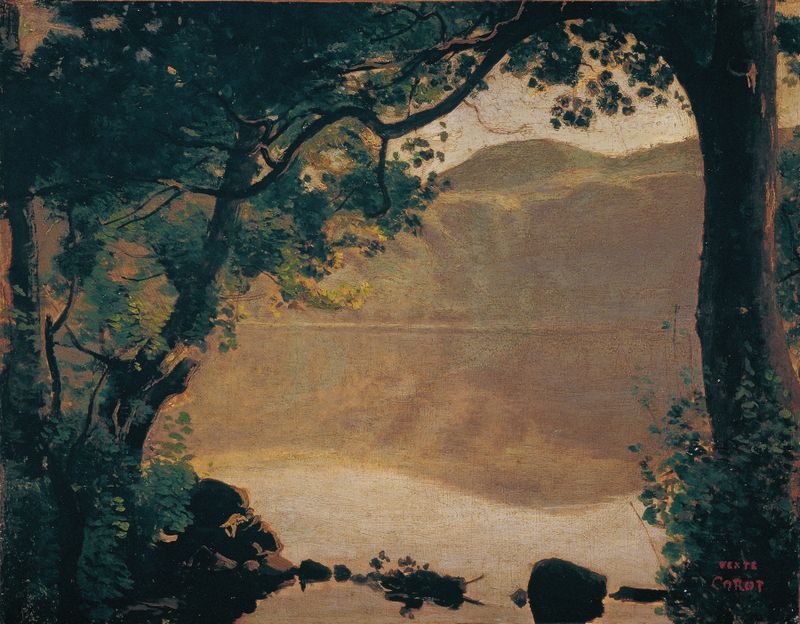
Der Nemisee
Jean-Baptiste-Camille Corot
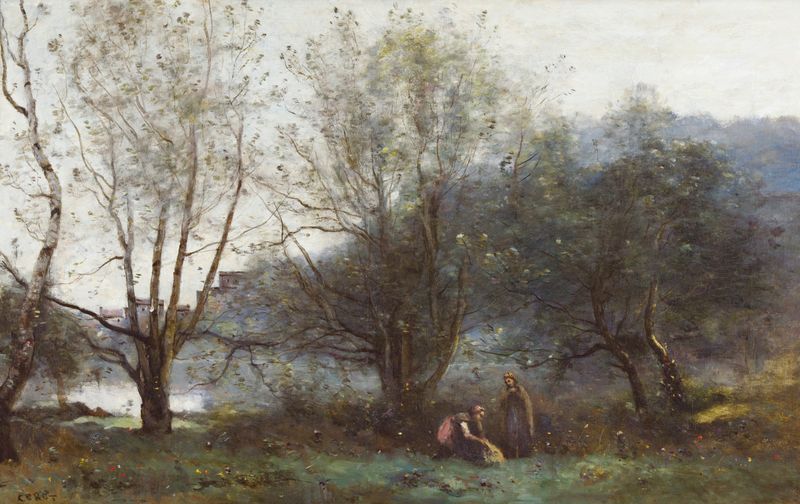
Les Étangs De Ville D’avray
Jean-Baptiste-Camille Corot
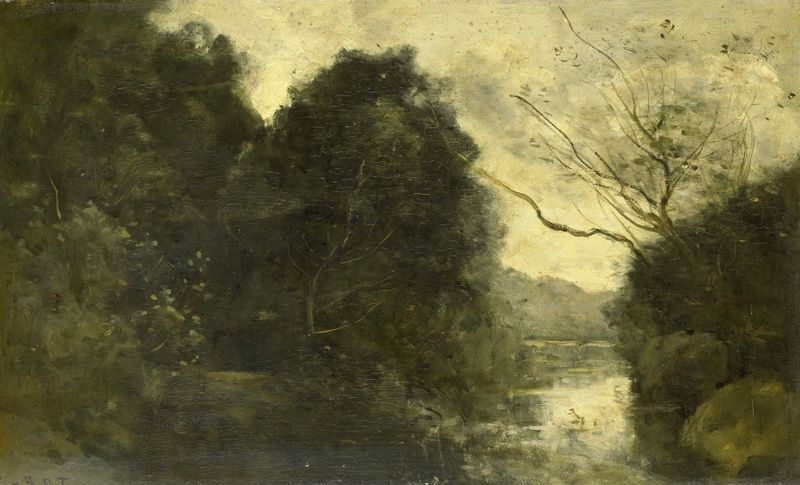
Pond in the Woods
Jean-Baptiste-Camille Corot
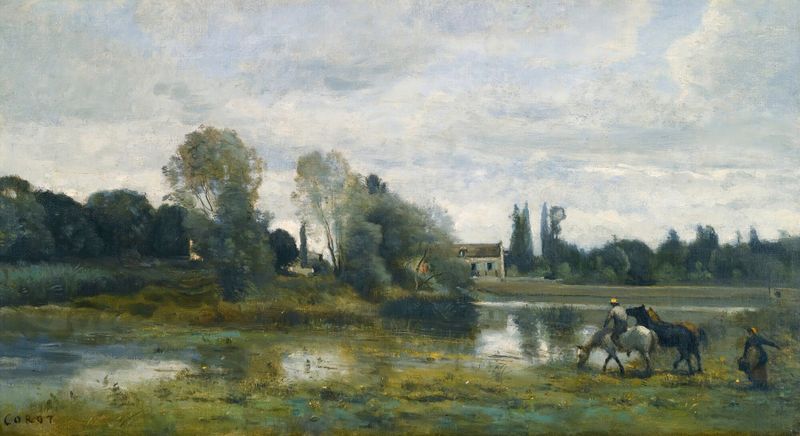
Ville D’avray; L’abreuvoir Des Chevaux
Jean-Baptiste-Camille Corot
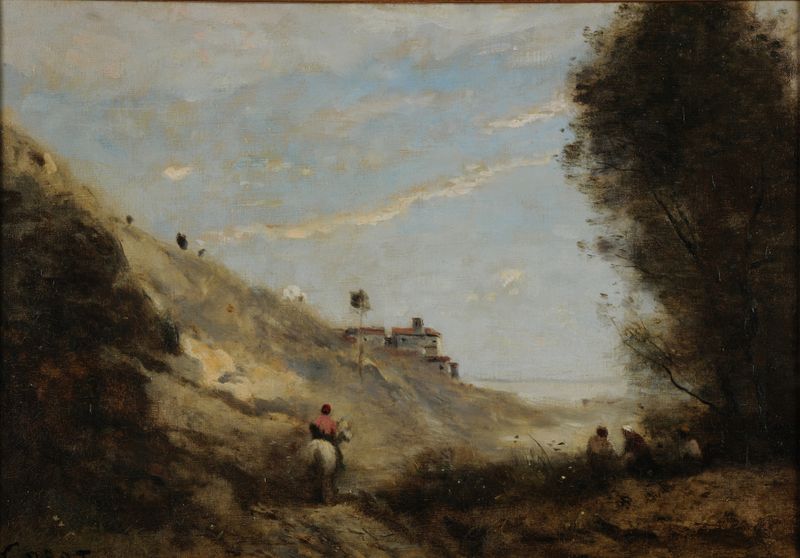
Le vallon au cavalier
Jean-Baptiste-Camille Corot





