
Säkkipillinsoittaja — History & Facts
What draws the eye first in Säkkipillinsoittaja by Albert Edelfelt is the quiet confidence of the musician, his gaze steady and inward as if listening to a tune only he can hear. The bagpipes, cradled in his arms, seem almost an extension of his body, their pale, animal-hide surface echoing the earthy tones of his weathered clothing. Light falls gently across his figure, picking out the textures of wool, leather, and wood, while the shadow behind him anchors the scene in a moment of stillness.
The artist’s brushwork is brisk but attentive, capturing not just the costume but the lived reality of the performer—the worn shoes, the patched trousers, the sturdy wrap of his cloak. Every detail is there for a reason: the patterned hat hints at local tradition, the stance at both readiness and fatigue. This work belongs to a world where artists like Edelfelt turned their gaze to the everyday people of their homeland, elevating local types and rural life to the dignity of art. In the late nineteenth century, such images were prized for their authenticity and their celebration of national identity, often commissioned by collectors or institutions eager to preserve disappearing ways of life.
While little is recorded about the specific history of this painting—now in the Finnish National Gallery’s collection—its subject and style speak to a broader movement in Nordic art, where the ordinary was made extraordinary through careful observation and sympathy. Look again at the musician’s hands, at the subtle play of shadow and light, and you sense the artist’s respect for his subject, and for the music that fills the silence of the picture.
More Artworks by Albert Edelfelt

The Day of Rest
Albert Edelfelt
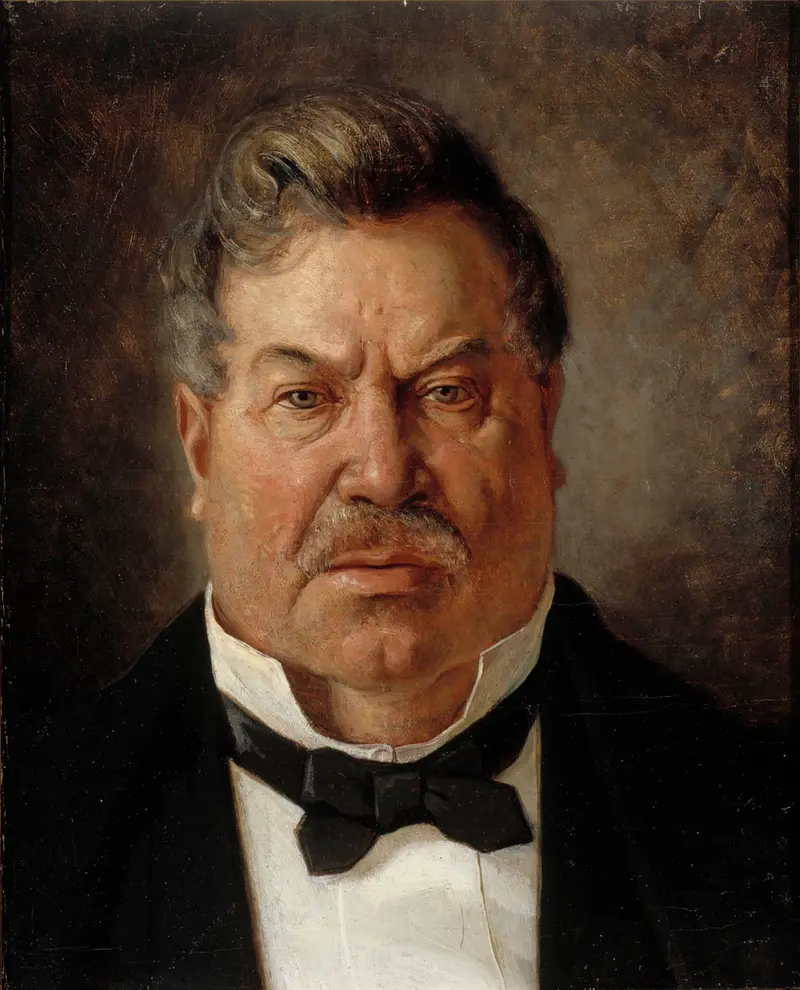
Portrait of August Streng
Albert Edelfelt
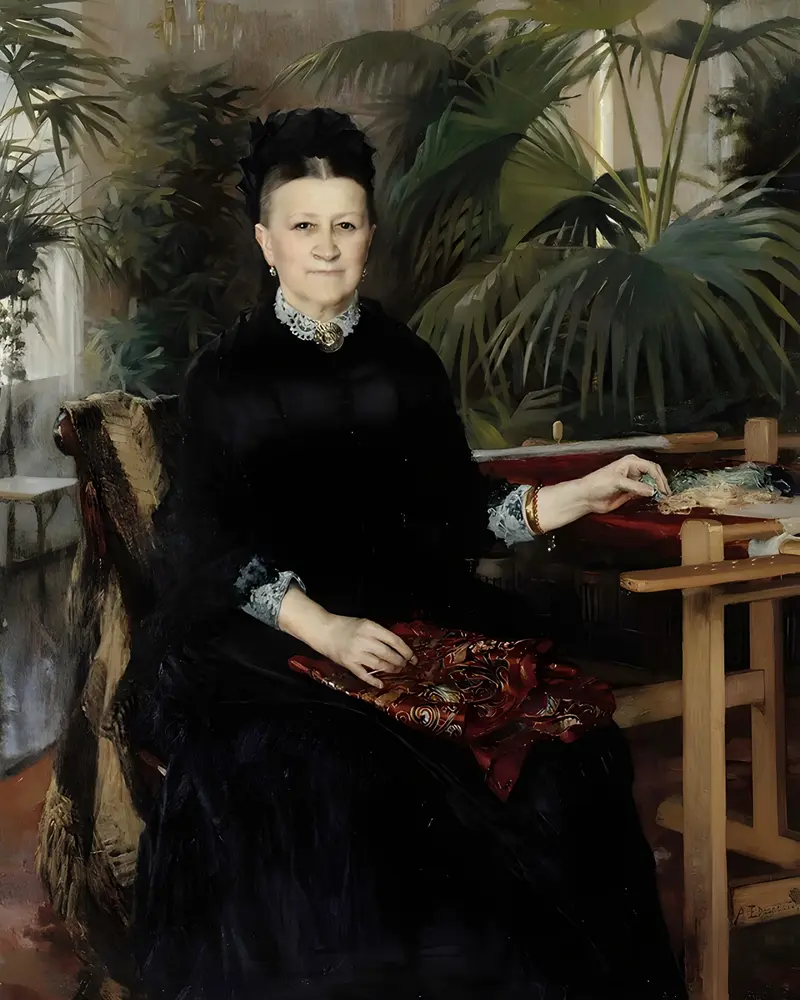
Portrait Of Mrs. Anna Sinebrychoff
Albert Edelfelt

The Poet, Larin Paraske
Albert Edelfelt

Parisian lady in a Peignoir
Albert Edelfelt
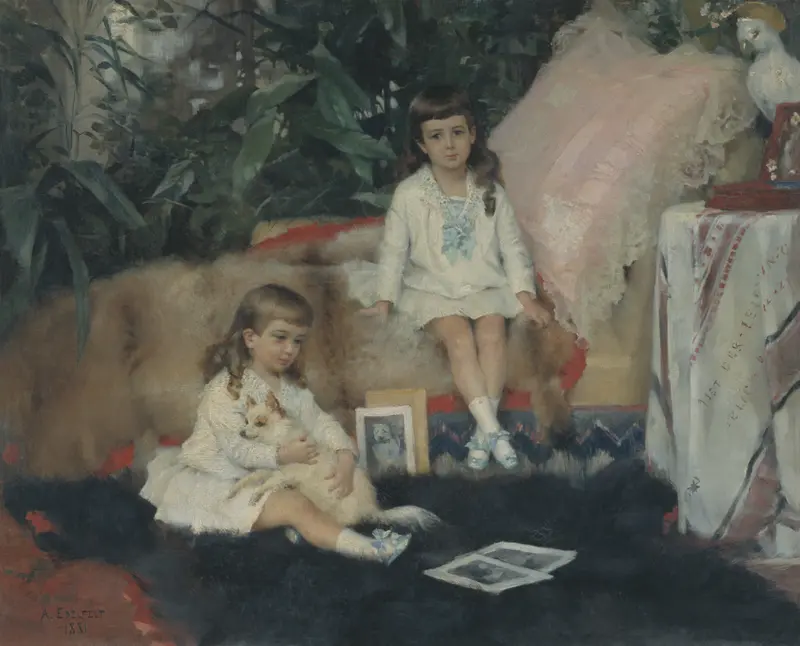
The Grand Dukes Boris and Kirill Vladimirovich as Children
Albert Edelfelt
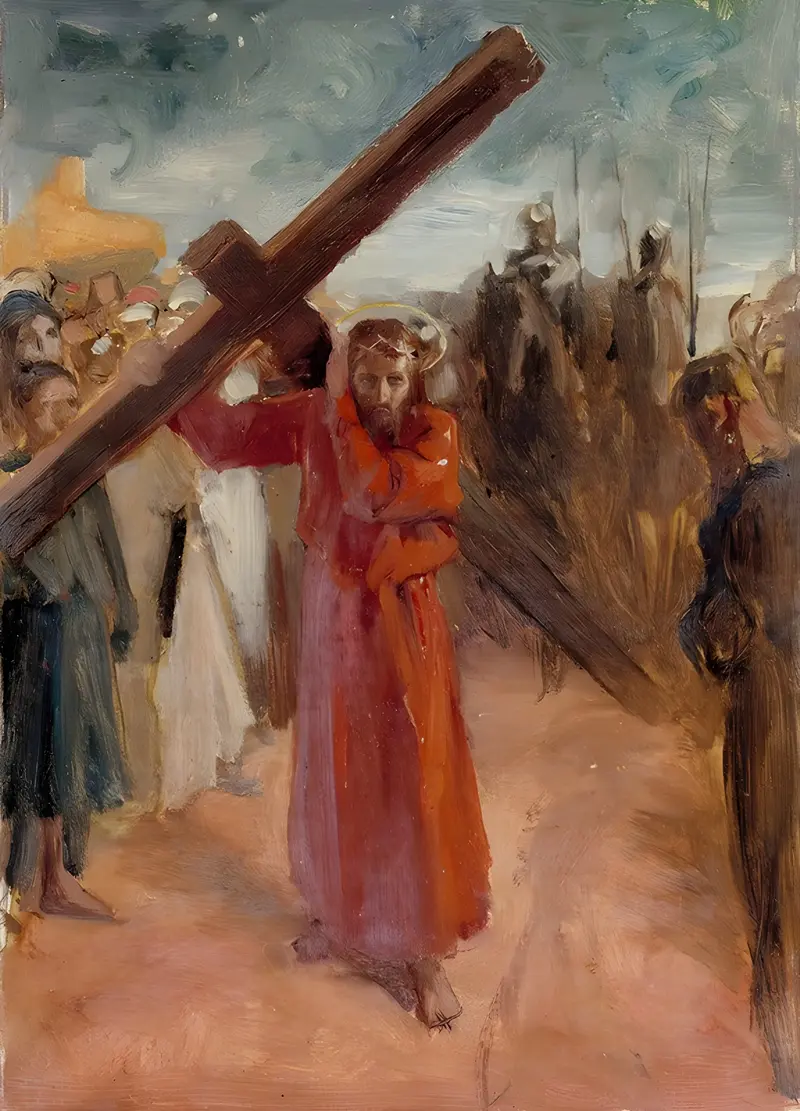
Christ Bears The Cross
Albert Edelfelt
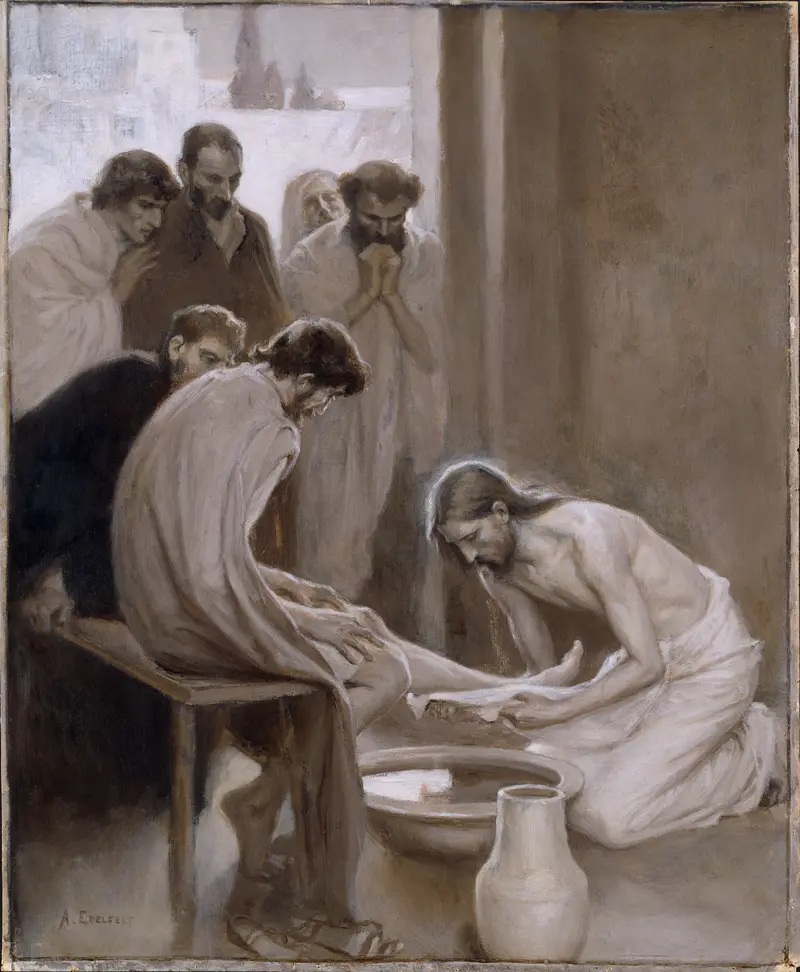
Jesus Washing the Feet of his Disciples
Albert Edelfelt

Larin Paraske with Kantele
Albert Edelfelt
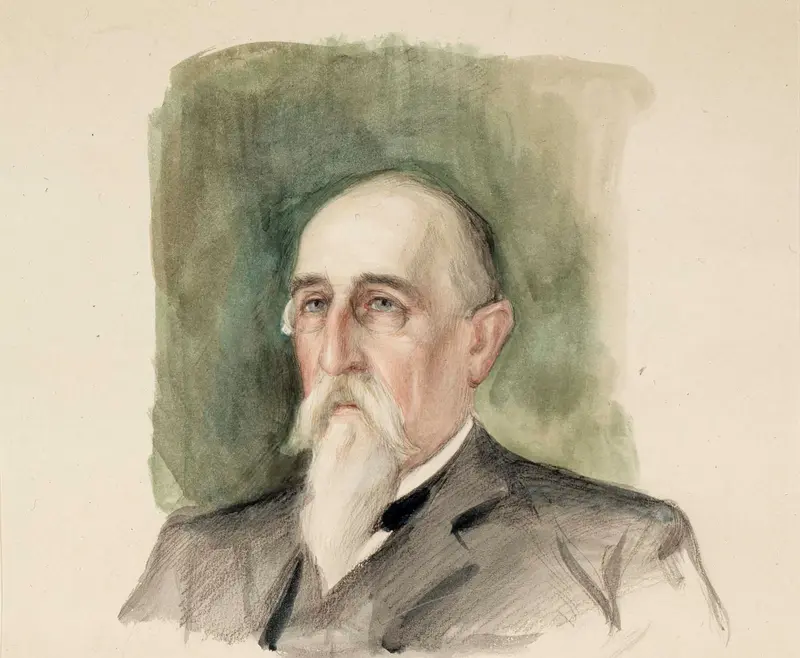
Leo Mechelin, Portrait Study
Albert Edelfelt
More Genre Scene Art

Banquet of the Officers of the St George Civic Guard
Frans Hals

Rembrandt and Saskia in the Scene of the Prodigal Son
Rembrandt van Rijn

Bal du moulin de la Galette
Pierre-Auguste Renoir

Quadrille at the Moulin Rouge
Henri de Toulouse-Lautrec

A Burial at Ornans
Gustave Courbet

When Will You Marry?
Paul Gauguin