
Salt cellar with birds and scrolls — History & Facts
Can beauty exist without sorrow? In the delicate intricacies of an 18th-century salt cellar, one finds a profound reflection on grief interwoven with elegance. Look closely at the ornate carvings that grace the salt cellar's surface. Notice how the birds, poised in flight, seem to carry whispers of the past, their wings frozen mid-motion against the backdrop of intricate scrolls. The artist's meticulous attention to detail, seen in the contrasting textures of smooth porcelain and the delicate etchings of the birds, draws the eye to the juxtaposition of life and stillness.
The soft, muted colors evoke a sense of nostalgia, inviting contemplation on the bittersweet nature of existence. Yet, it is in the subtle imperfections where the true depth lies. The gentle wear on the edges, the slight discoloration of the glaze, each tells a story of time's passage and the inevitable sorrow that accompanies beauty. The lively birds may symbolize freedom, while the scrolls evoke the weight of memory, suggesting that with every joy, there exists an undercurrent of loss.
This duality creates a tension that resonates deeply within the viewer, prompting reflection on one's own connection to grief and beauty. This exquisite piece emerged in the latter half of the 18th century, a period rich with artistic exploration and innovation. The artist, whose identity remains shrouded in mystery, likely created it during a time marked by shifts in cultural norms and increasing appreciation for decorative arts. As the world transitioned through enlightenment and revolution, the delicate balance of beauty and sorrow captured in this salt cellar speaks not only to personal loss but to the greater human experience of navigating a changing landscape.
More Artworks by Unknown Artist
Browse all →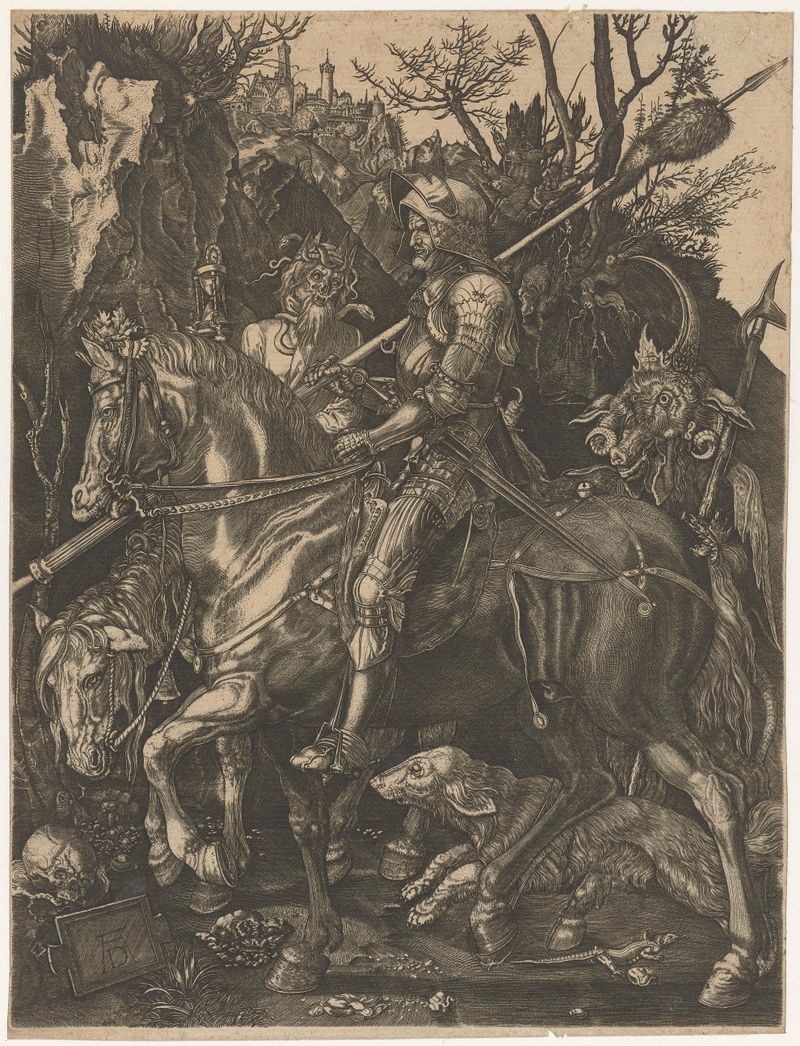
Ridder, Dood en Duivel
Unknown Artist
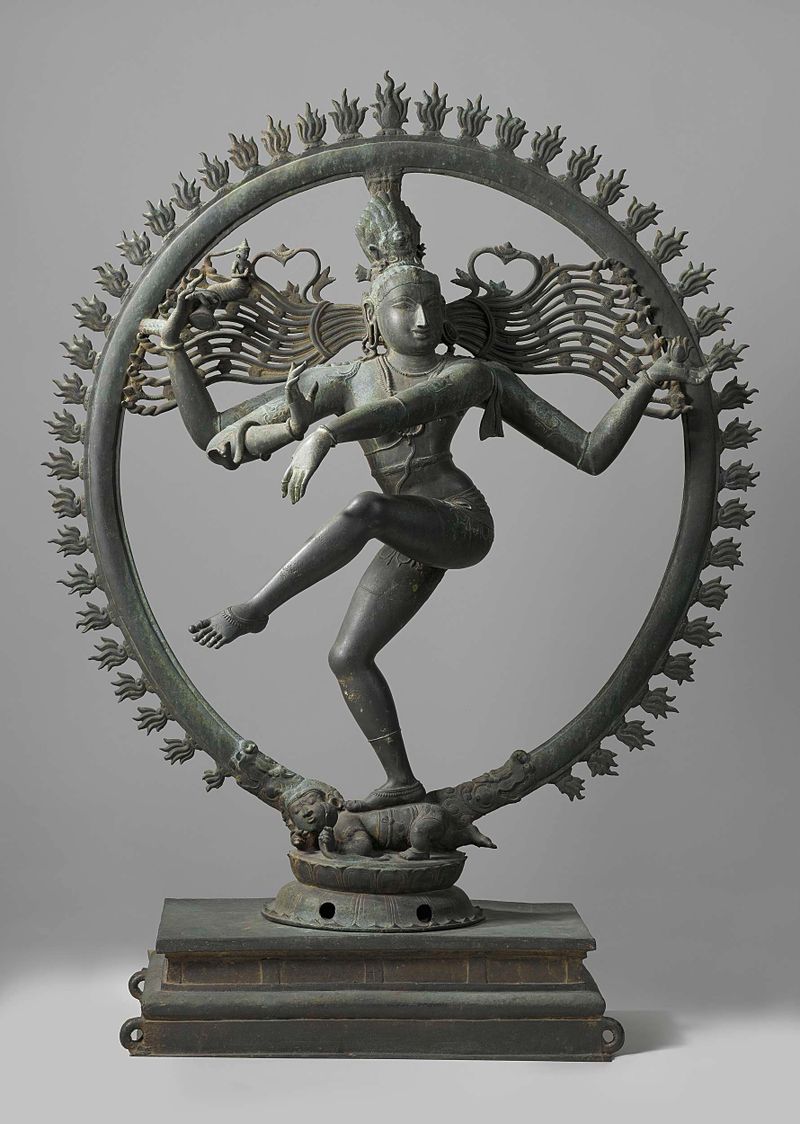
Shiva Nataraja
Unknown Artist
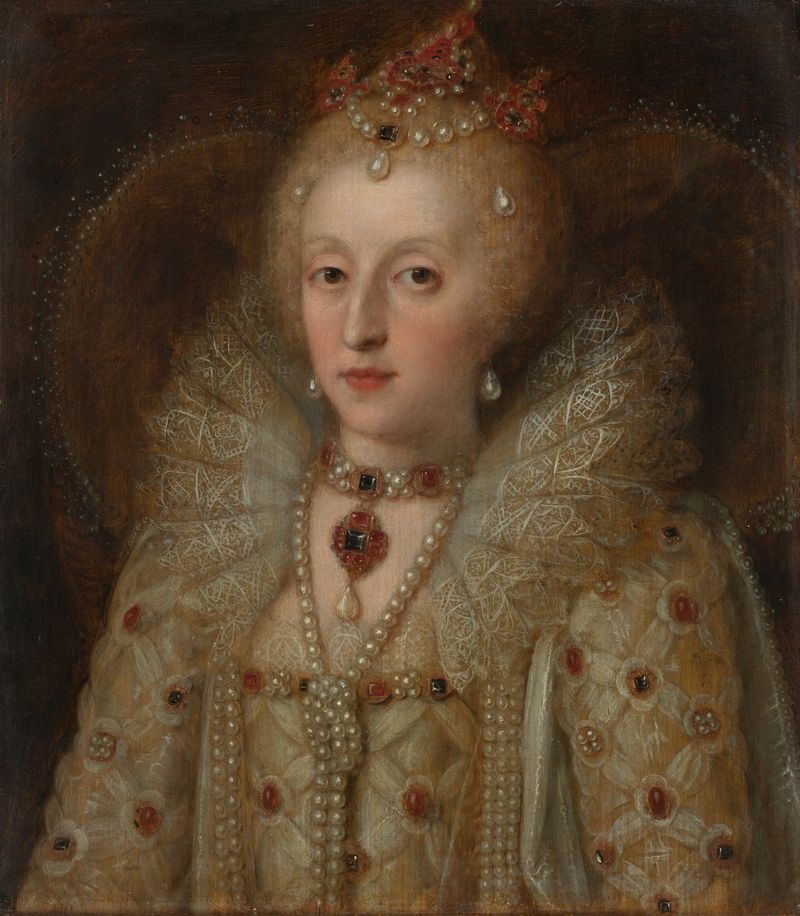
Portrait of Elizabeth I, Queen of England
Unknown Artist
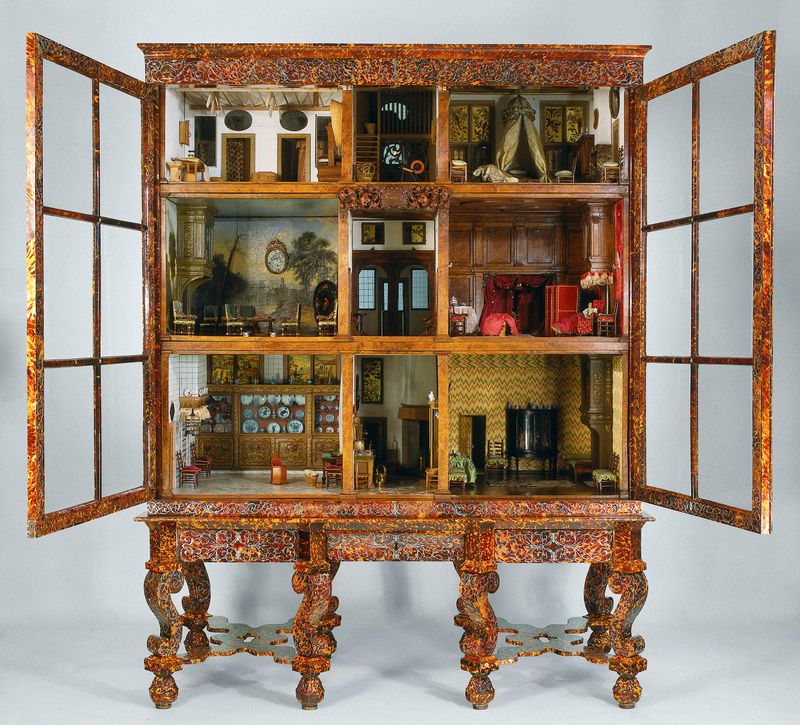
Dolls’ house of Petronella Oortman
Unknown Artist
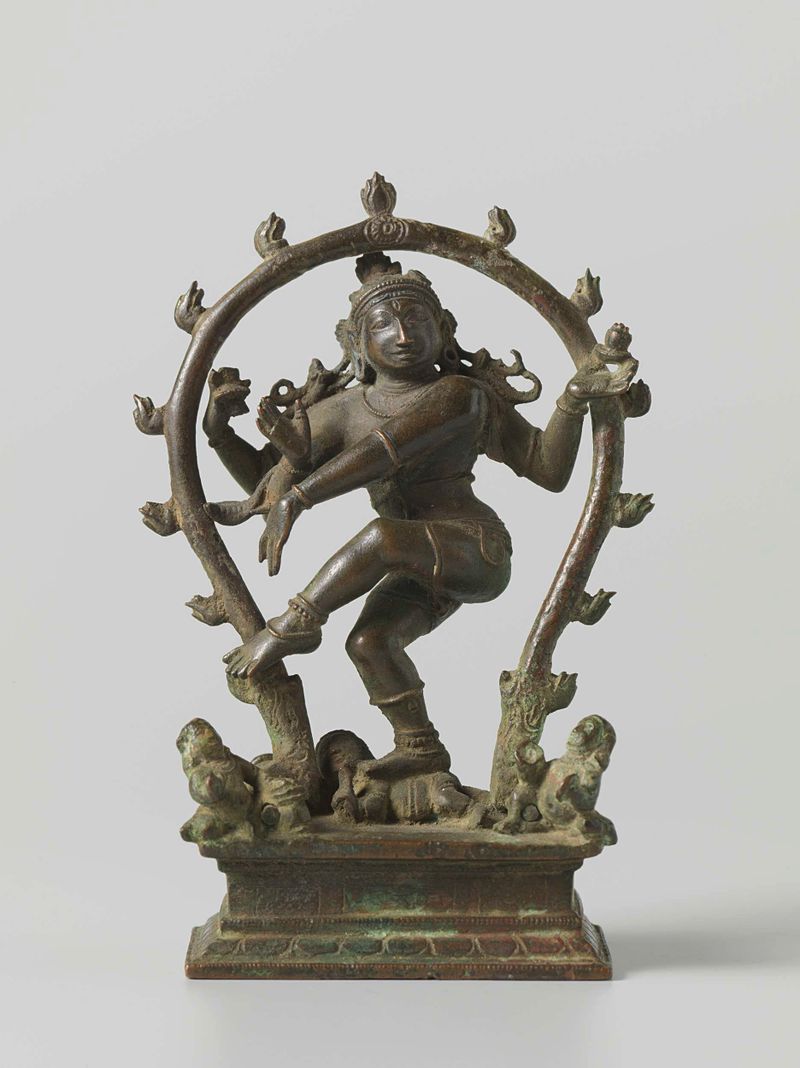
Shiva Nataraja
Unknown Artist

The Tale of Genji
Unknown Artist

The Tale of Genji
Unknown Artist

Cong
Unknown Artist
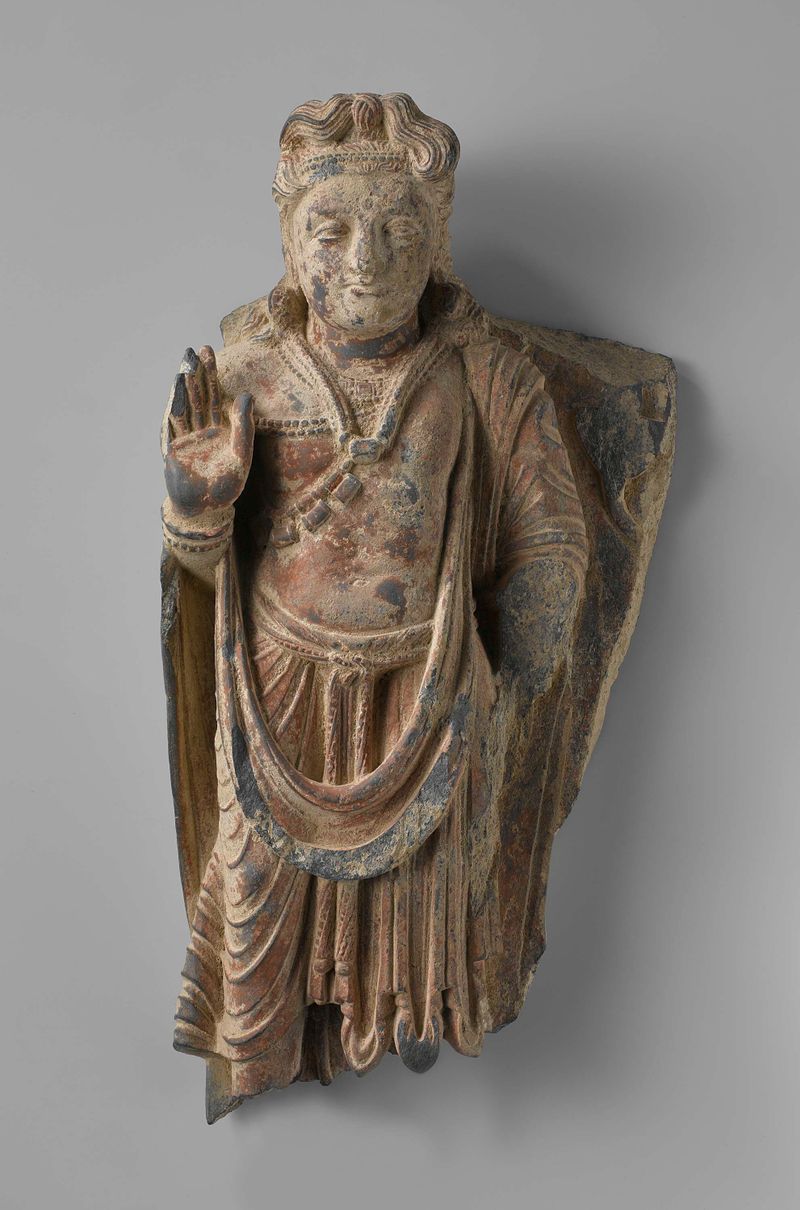
The bodhisattva Maitreya
Unknown Artist

Teabowl with a 'hare's fur' glaze
Unknown Artist



