
Sammelwagen, 1914-15 — History & Facts
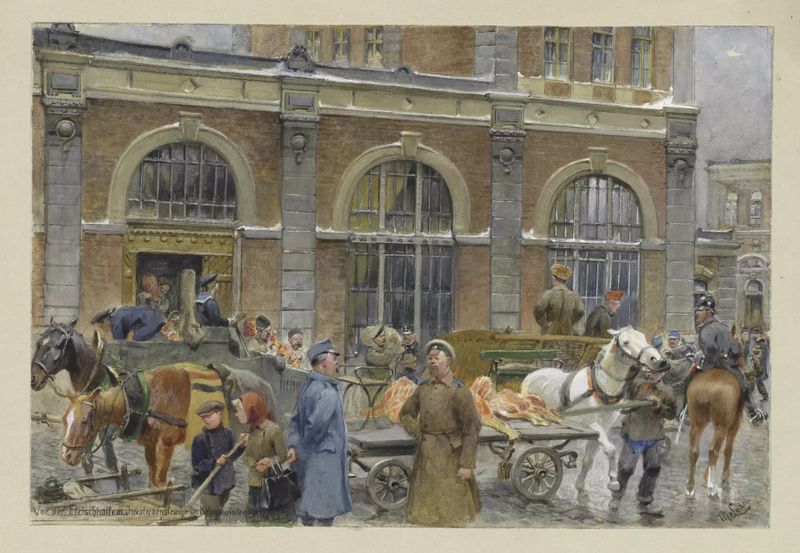
In the quiet recesses of existence, we often overlook the beauty that surrounds us, yet it is within these overlooked moments that true transcendence occurs. Focus first on the somber palette that envelops the canvas, with deep browns and muted greens that evoke a sense of heavy stillness. Notice how the shapes are rendered with a subtle precision, each line almost a whisper in the narrative of the everyday. The arrangement of objects—perhaps a cart, old and worn—stands as a testament to the passage of time, inviting viewers to contemplate the stories held within its contours and the lives that it has touched. Look closer at the juxtaposition between light and shadow, where the sparse illumination highlights the cart's weathered surfaces while leaving corners cloaked in darkness.
This interplay suggests a tension between the seen and the unseen, symbolizing a life rich with history yet burdened by neglect. Here, the cart becomes a vessel of memory, prompting reflection on what is lost and what remains, transcending mere utility to become a poignant emblem of existence. In 1915, during a period marked by turmoil and the throes of World War I, Moritz Ledeli created this piece in Germany amidst a significant shift in the art world. Artists were beginning to respond to the impact of modernity and conflict on human life.
This canvas encapsulates those sentiments, reflecting the artist’s contemplation of resilience and everyday beauty in a time when such values felt precarious and rare.
More Artworks by Moritz Ledeli
Browse all →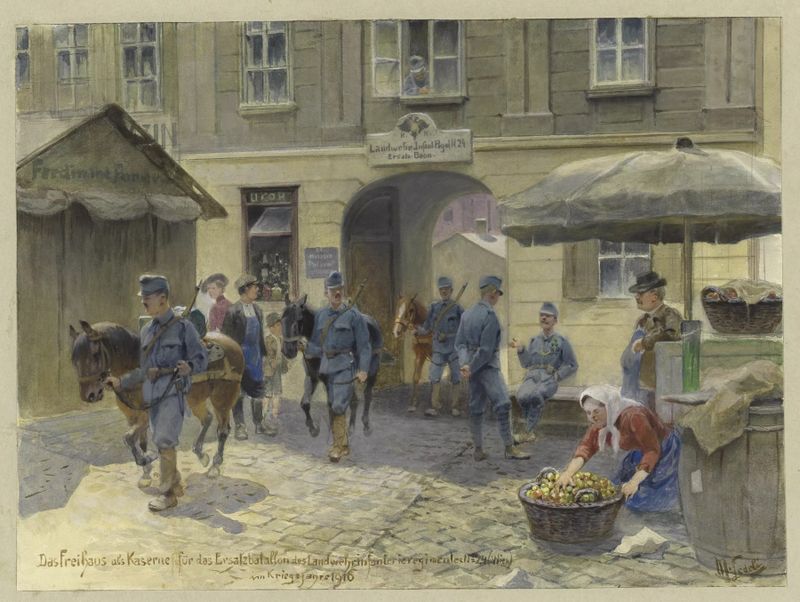
Das Freihaus als Kaserne für das Ersatzbatallon(!) des Landwehrinfanterieregimentes No 24 (Wien) im Kriegsjahre 1916
Moritz Ledeli

Kohlezufuhr mit Pferden aus den Hofstallungen im Winter 1916-17 in Wien (vor dem Stadtgartenamt)
Moritz Ledeli
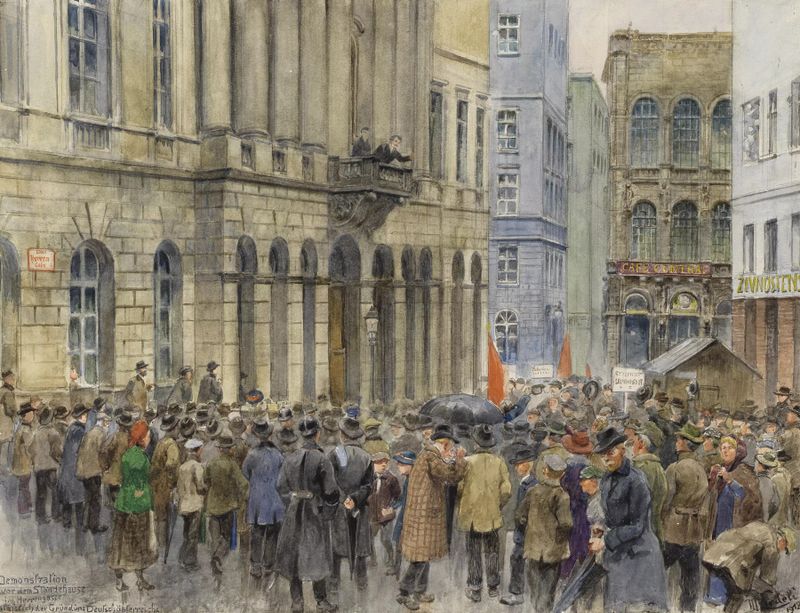
Demonstration vor dem Ständehause in der Herrengasse anläßlich der Gründung Deutschösterreichs
Moritz Ledeli

Ersatz für den Eingerückten, (Weltkrieg 1914-16)
Moritz Ledeli
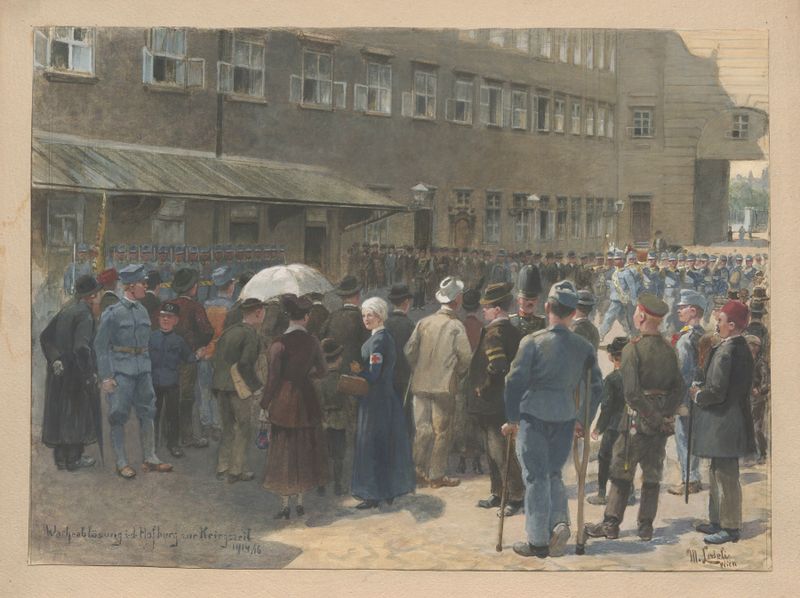
Wachablösung i. d. Hofburg zur Kriegszeit 1914-16
Moritz Ledeli

Hochwasser beim Sperrschiff in Nußdorf 1897
Moritz Ledeli

Überschwemmung bei der Franz Josefs-Brücke
Moritz Ledeli

Patriotische Metallsammlung, Wien, Mai 1915
Moritz Ledeli
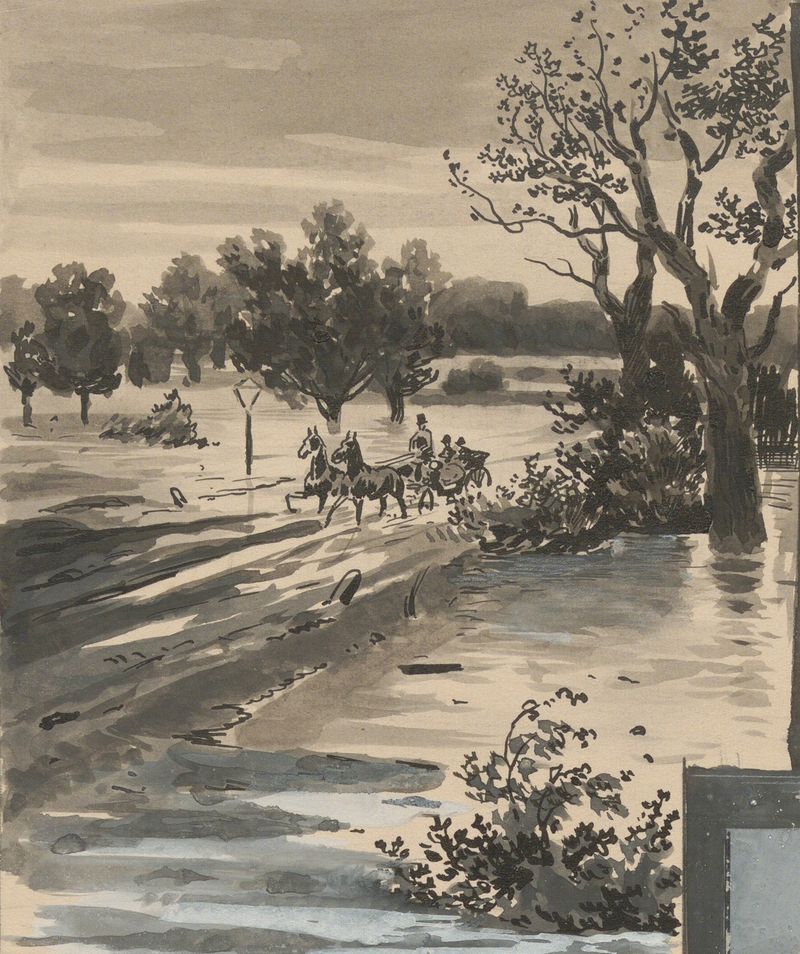
Überschwemmung im Prater
Moritz Ledeli
Vor der Fleisch[markt]halle III. Invalidenstrasse im Kriegswinter 1917-18
Moritz Ledeli





