
Discover insights about this artwork
Samson Captured by the Philistines — History & Facts
In Samson Captured by the Philistines, Guercino presents a vivid scene filled with intense colors. The painting features Samson, a muscular figure, struggling against his captors. The background is dark and tumultuous, enhancing the drama of the moment.
The use of light highlights the expressions of the figures, emphasizing their emotions. The painting is executed in oil on canvas, showcasing Guercino's skill in creating dynamic compositions. The figures are rendered with a strong sense of movement, capturing the tension of the scene. The artist employs chiaroscuro, contrasting light and shadow to add depth.
This technique is typical of the Baroque style, which aims to engage the viewer. Created around 1618, Samson Captured by the Philistines reflects Guercino's interest in biblical themes. The artist was known for his dramatic use of light and shadow, which enhances the emotional impact of his works. An interesting fact about this painting is that it was commissioned for a private collection, showcasing its significance in the artist's oeuvre.
Guercino was a prominent figure in the Baroque movement, influencing many artists of his time.
More Artworks by Guercino

The Entombment
Guercino
Penitent Magdalene
Guercino
Portrait of Morose Man in Half-Length
Guercino
Rest on the Flight into Egypt
Guercino
Rinaldo ed Armida
Guercino
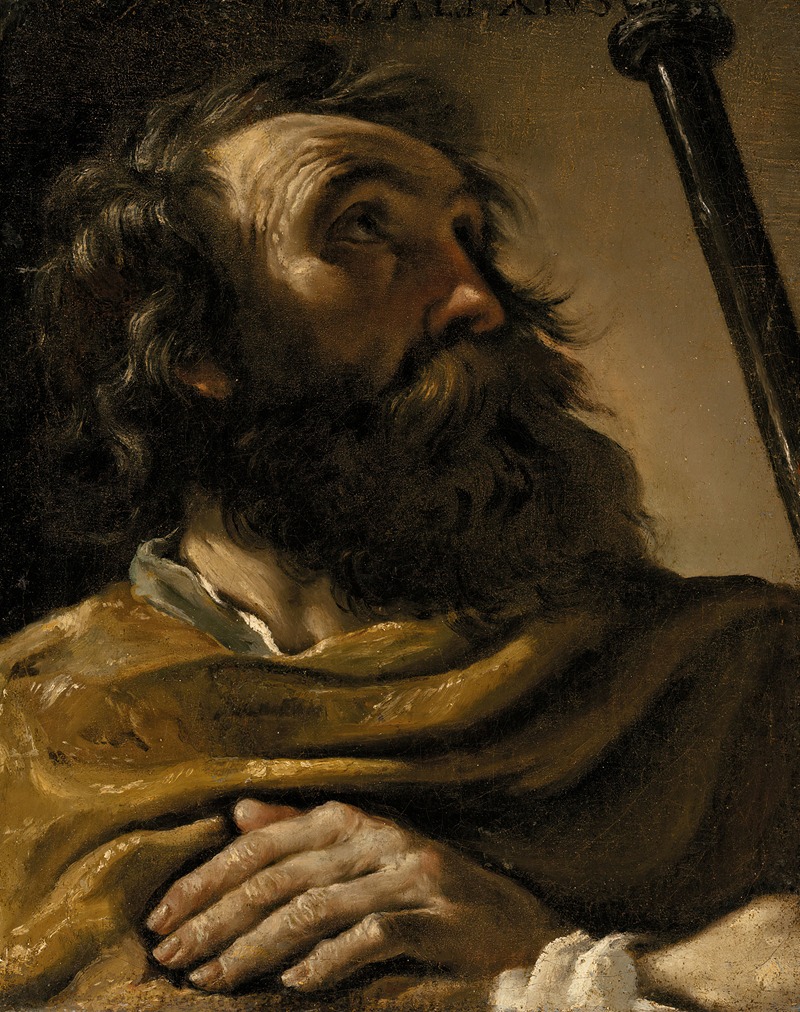
Saint Alexius In A Brown Wrap, Holding A Staff
Guercino
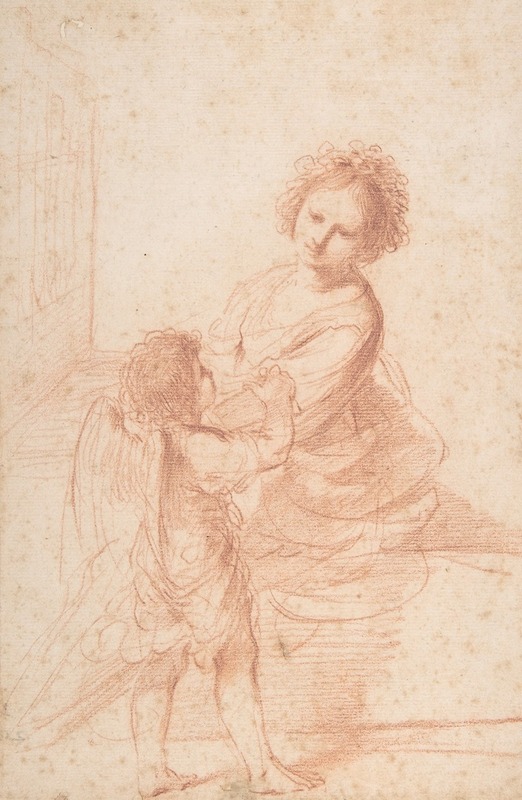
Saint Cecilia Playing the Organ
Guercino
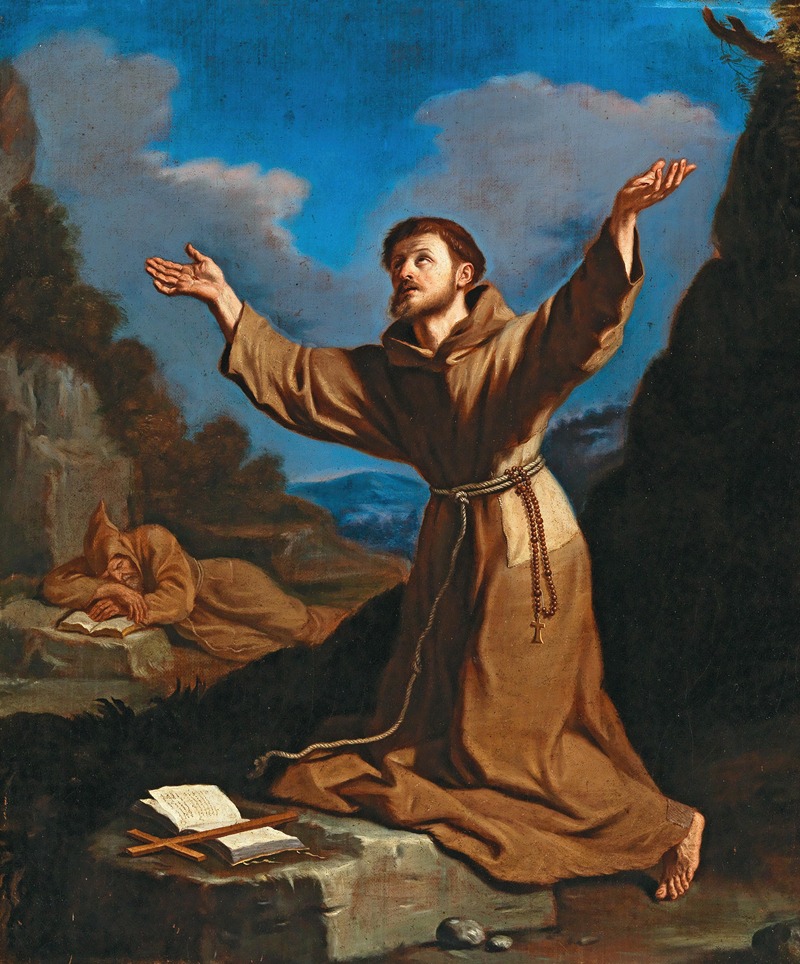
Saint Francis receiving the Stigmata
Guercino
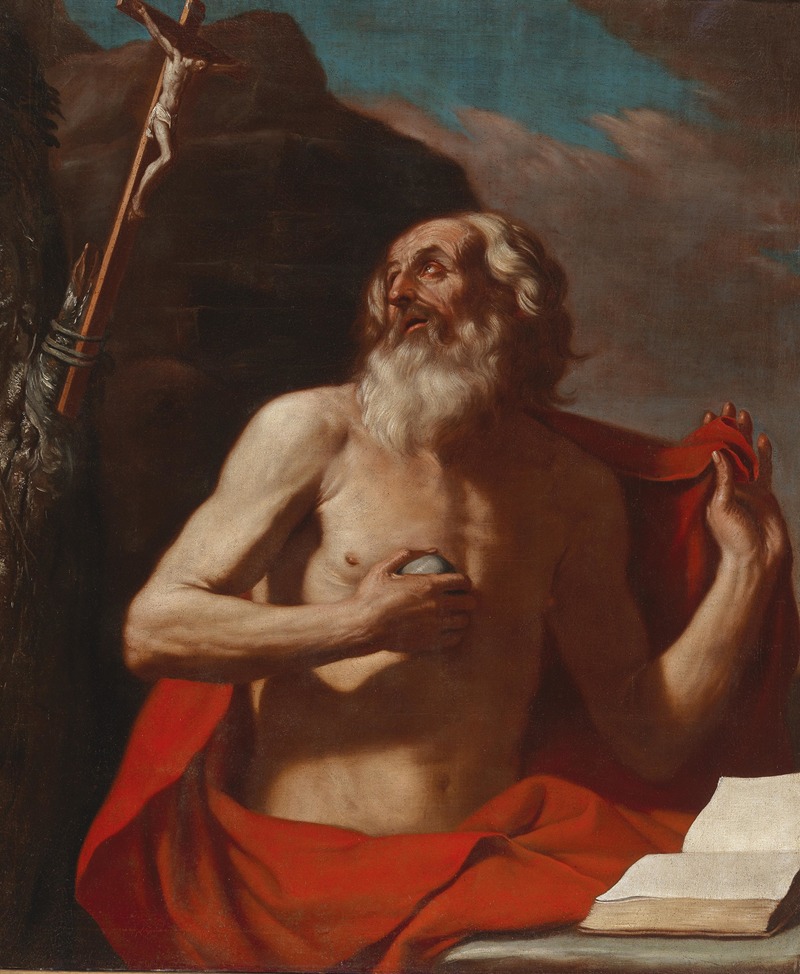
Saint Jerome
Guercino
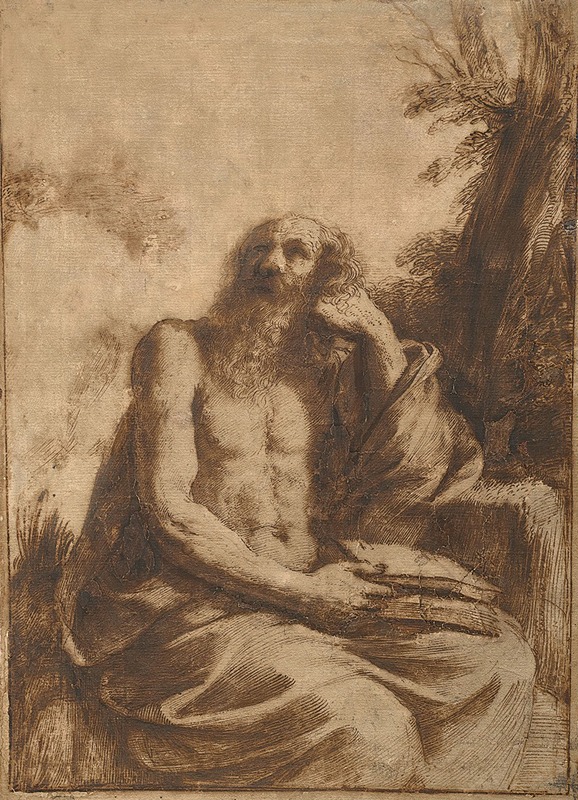
Saint Jérôme
Guercino
More Historical Art
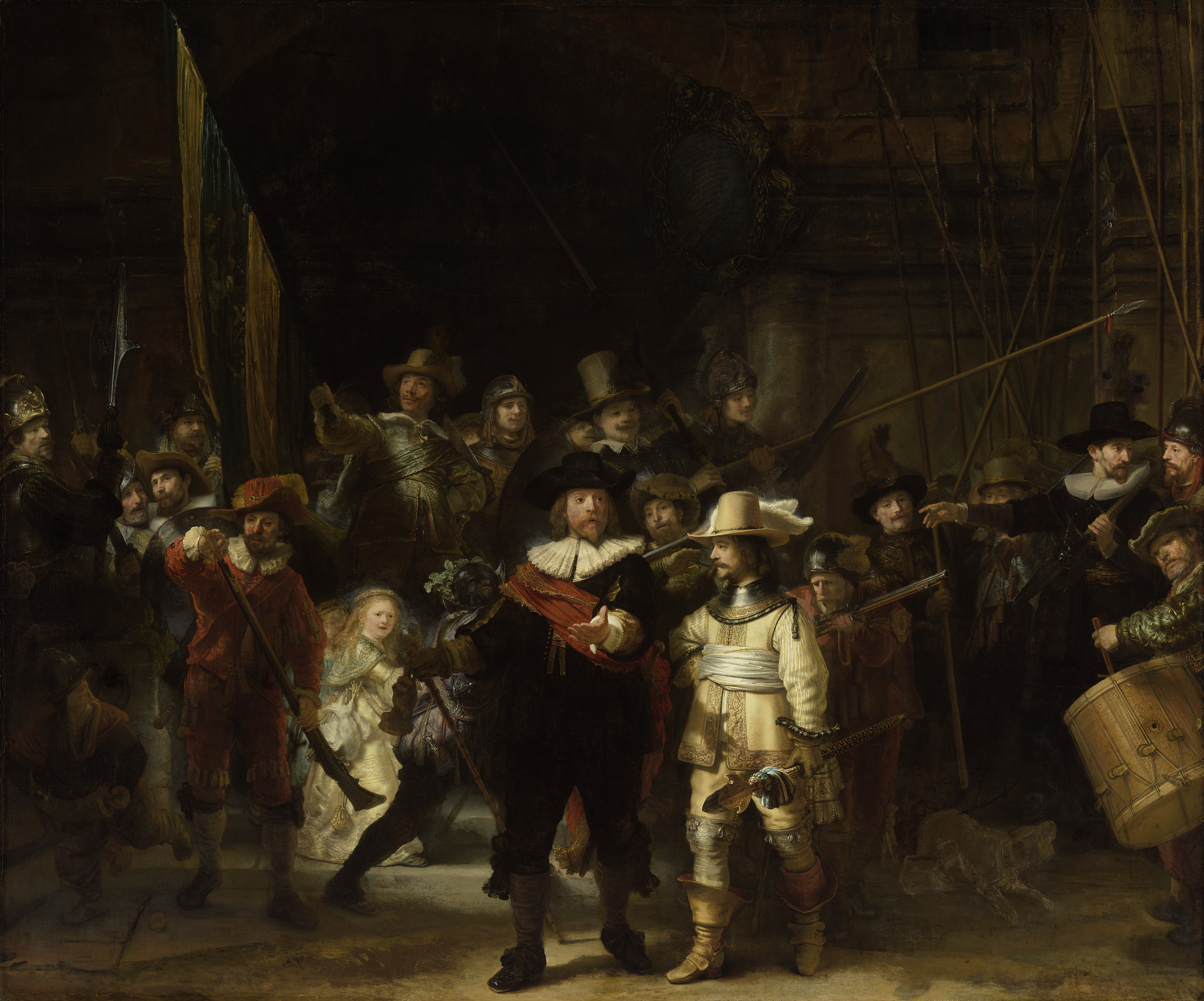
The Night Watch Militia Company of District II under the Command of Captain Frans Banninck Cocq
Rembrandt van Rijn
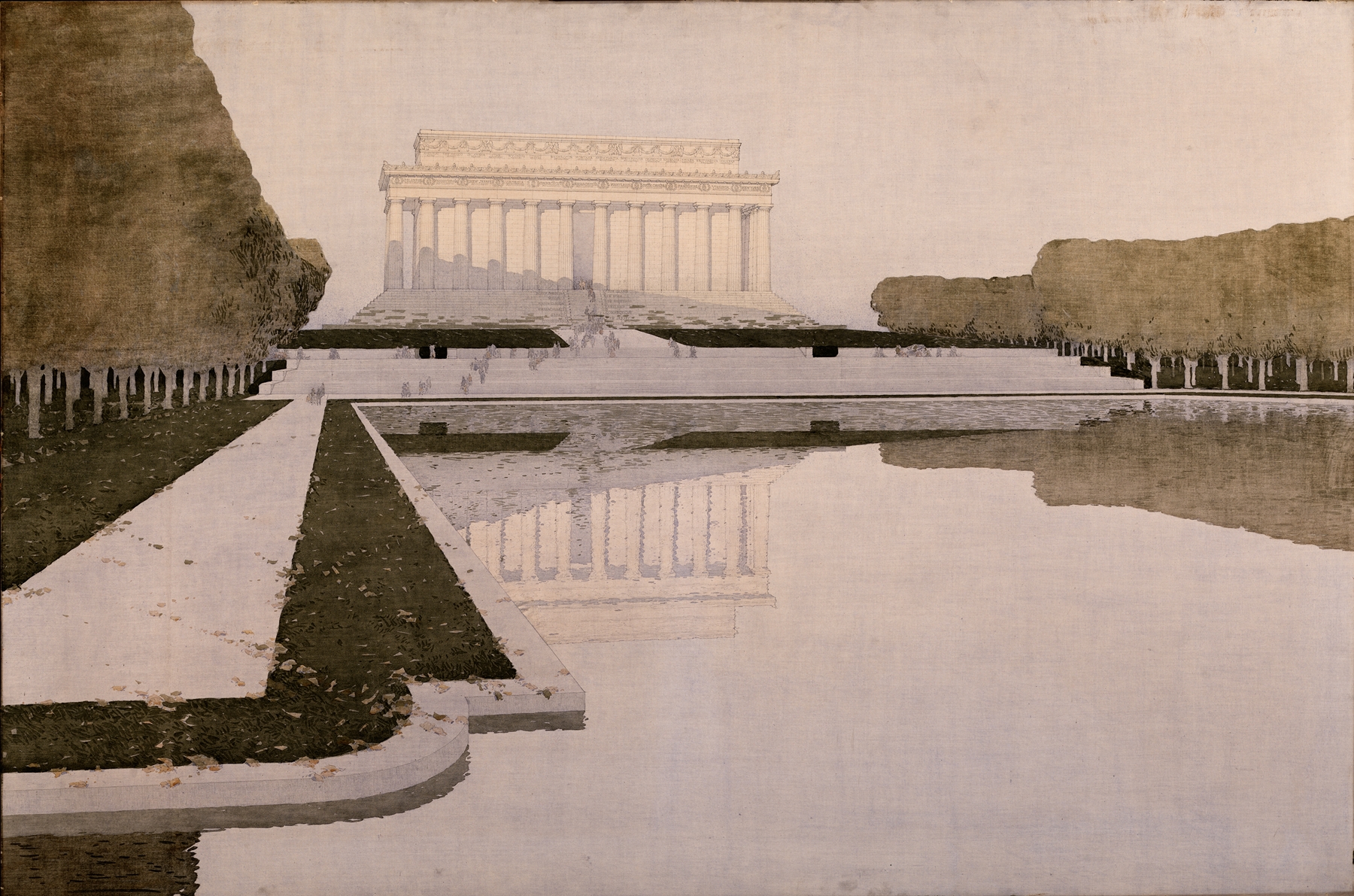
Lincoln Memorial
Henry Bacon
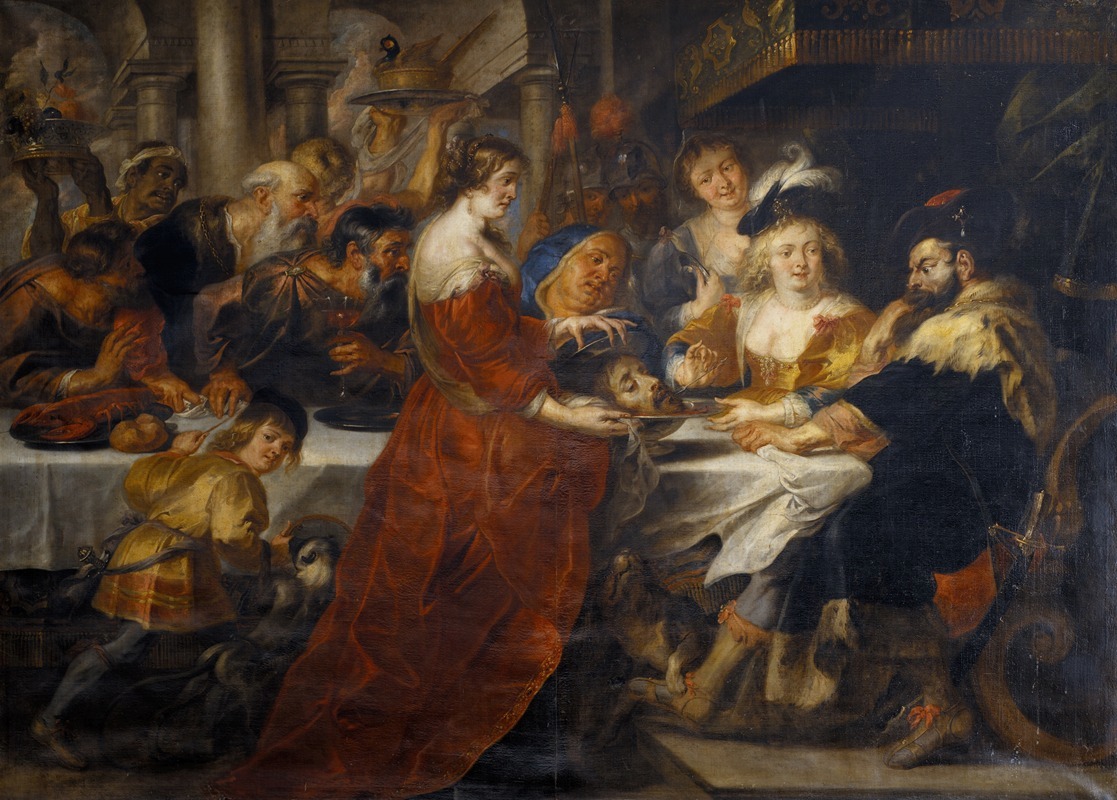
The Feast of Herod. Salome Bringing the Head of St John the Baptist on a Charger
Peter Paul Rubens
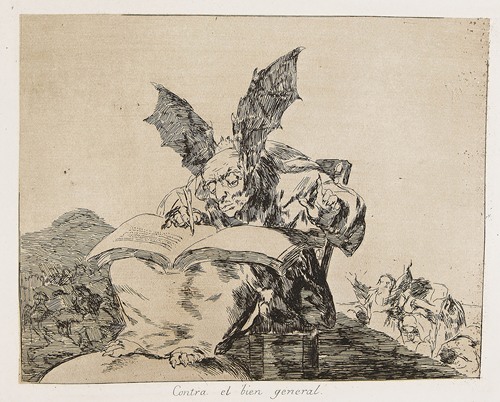
Los desastres de la guerra
Francisco de Goya
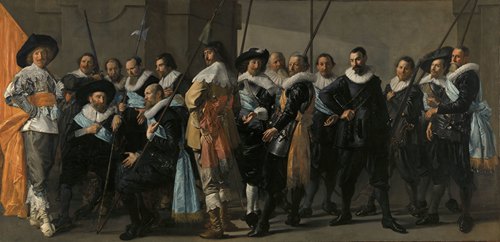
Militia Company of District XI under the Command of Captain Reynier Reael, Known as ‘The Meagre Company’
Frans Hals
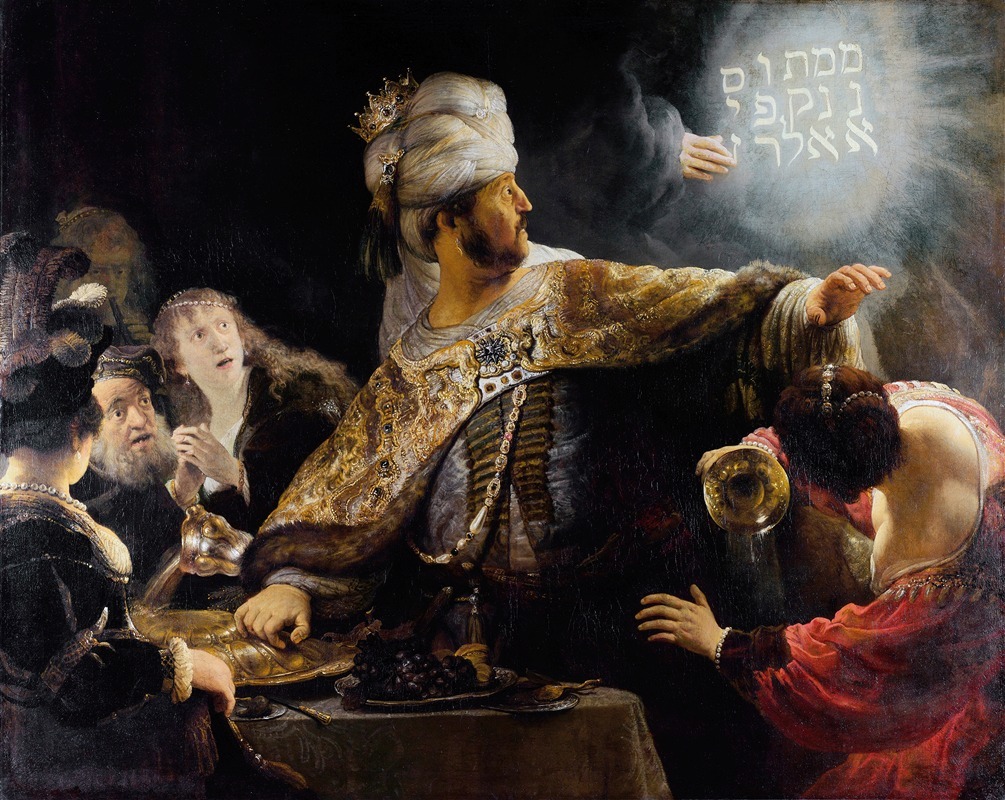
Belshazzar’s feast
Rembrandt van Rijn