
San Cassiano Altarpiece — History & Facts
A hush of solemnity fills this fragmented altarpiece, where the Madonna sits enthroned, her gaze direct and calm, holding the Christ Child who, in turn, meets the viewer with a knowing look. The composition draws the eye upward from the richly patterned cloth that drapes across her lap, to the poised hands of the saints and angels who flank her, each bearing gifts or books that hint at their identities and roles. The palette is restrained yet sumptuous: deep blues, golds, and reds lend the scene a sense of weight and dignity, while the light, softly diffused, brings out the texture of embroidered fabrics and the gentle modeling of faces.
Every gesture and glance is carefully orchestrated—notice how the Madonna’s open hand seems to offer both invitation and blessing, while the Christ Child’s tiny foot rests with casual authority on her knee. Painted in 1475, this work belongs to a moment when Venetian and Netherlandish influences were converging in Italy, and artists like Antonello da Messina were pioneering new ways of rendering space, light, and psychological presence. Altarpieces such as this were commissioned to serve as focal points for devotion in churches, their grandeur meant to inspire awe and contemplation. While history has preserved only fragments of this particular San Cassiano Altarpiece, its survival hints at the shifting fortunes of religious art in the centuries that followed—reformations, renovations, and changing tastes often led to the dismemberment of such works.
Today, what remains invites us to piece together not just the image, but the world that once gathered before it in prayer.
More Artworks by Antonello da Messina

Pietà
Antonello da Messina
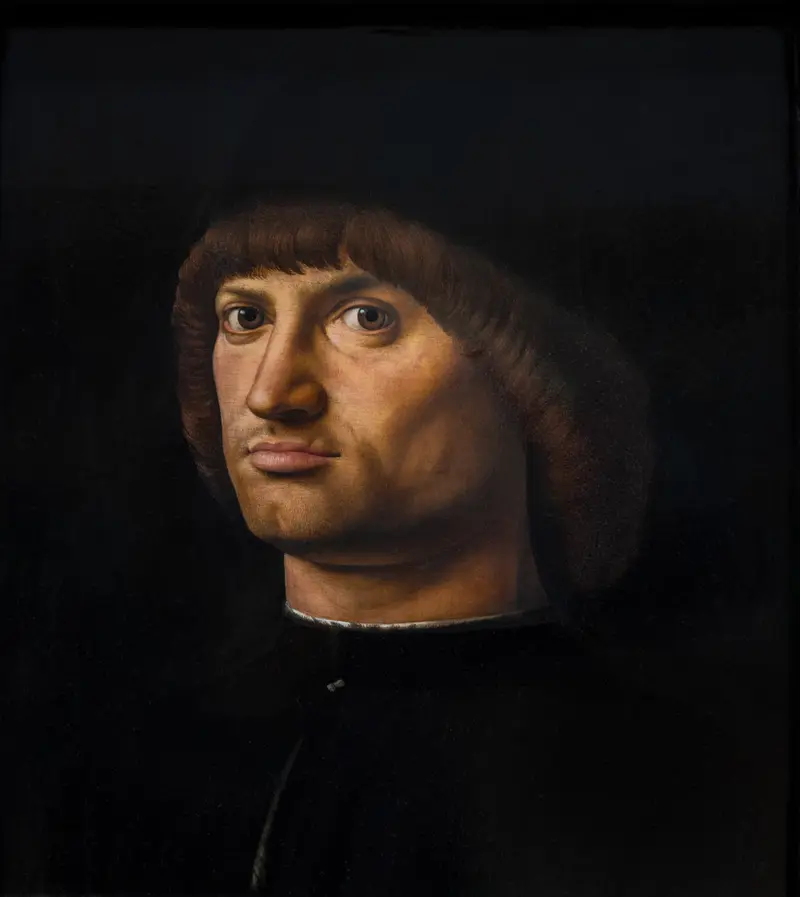
Portrait of a Man, called condottiere
Antonello da Messina
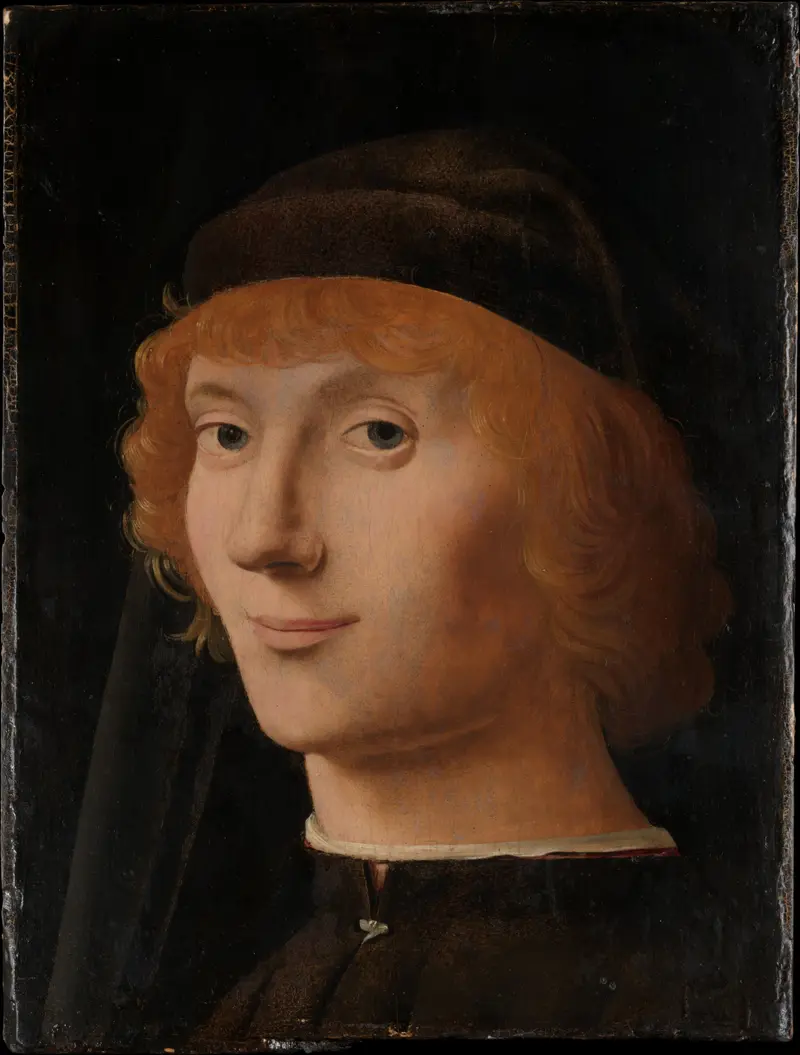
Portrait of a Young Man
Antonello da Messina
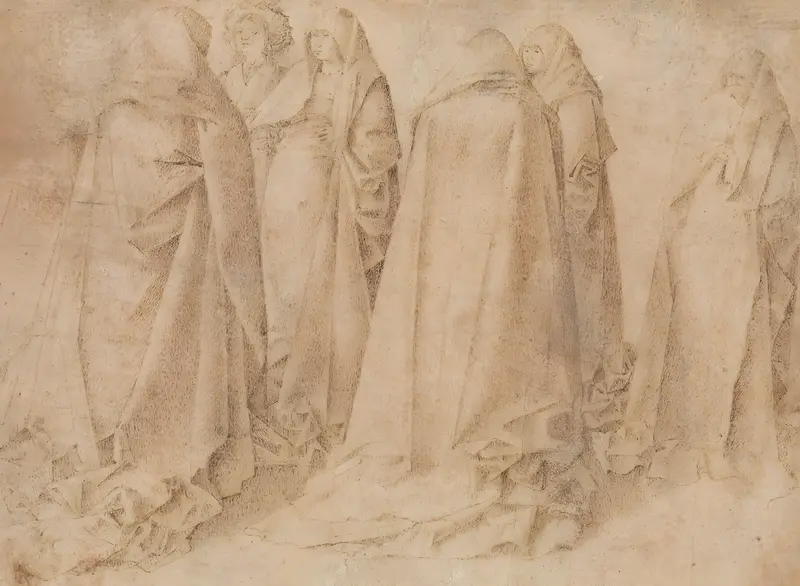
Group of Draped Figures
Antonello da Messina
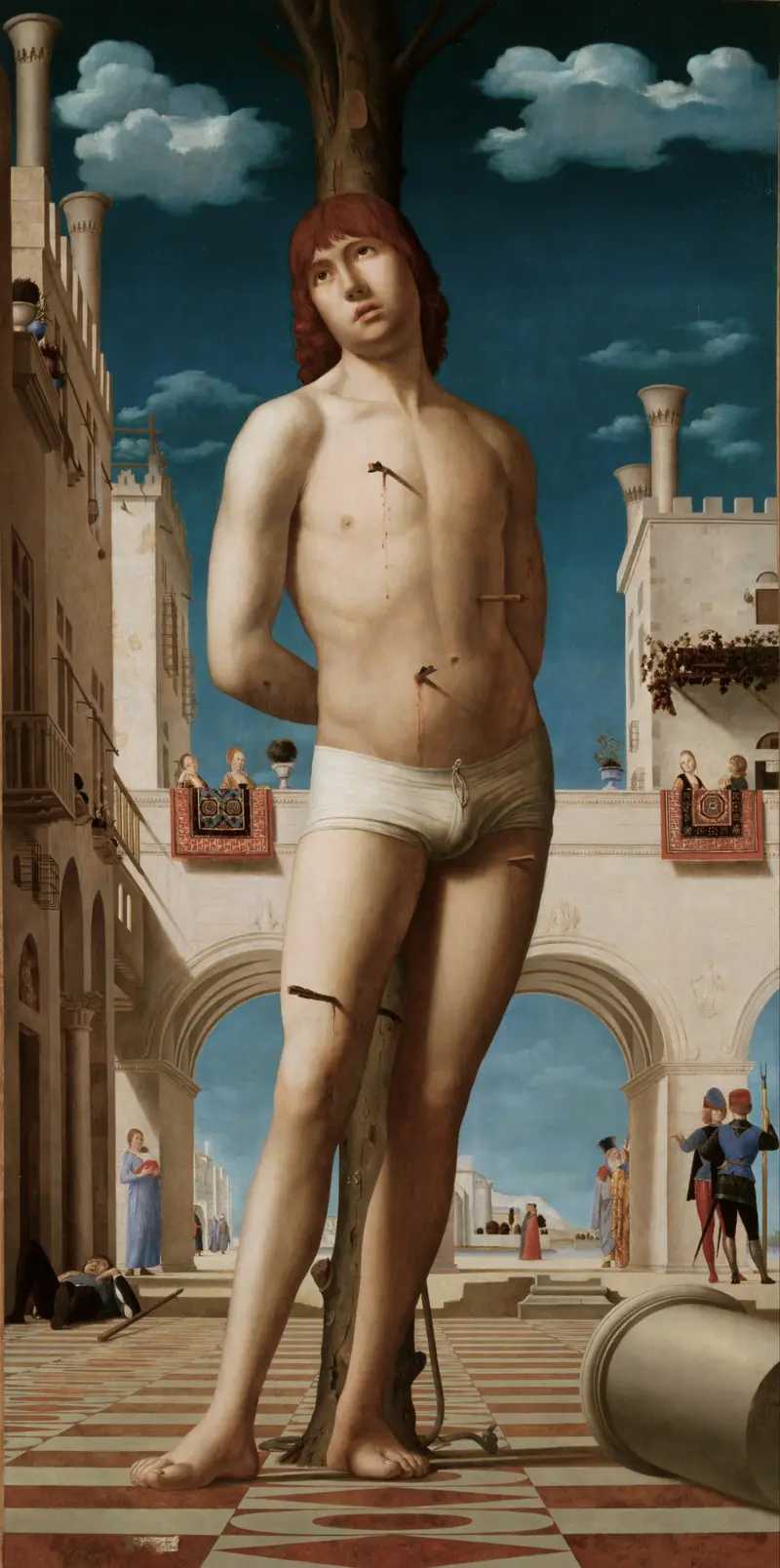
Saint Sebastian
Antonello da Messina
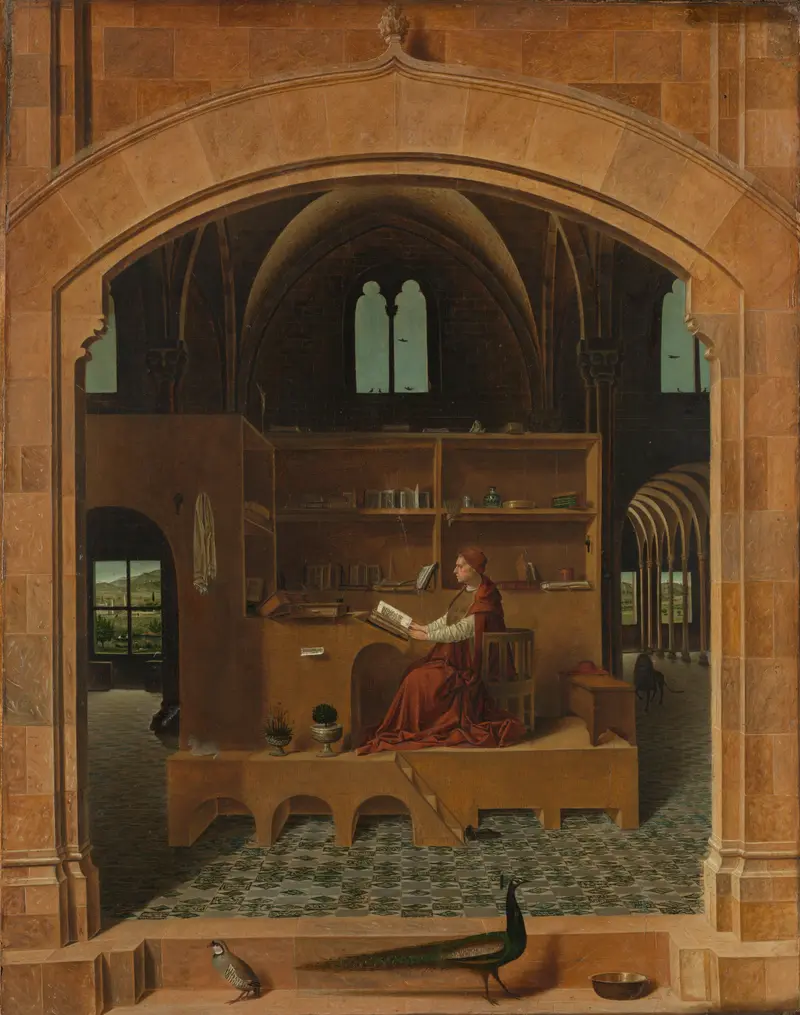
St. Jerome in His Study
Antonello da Messina
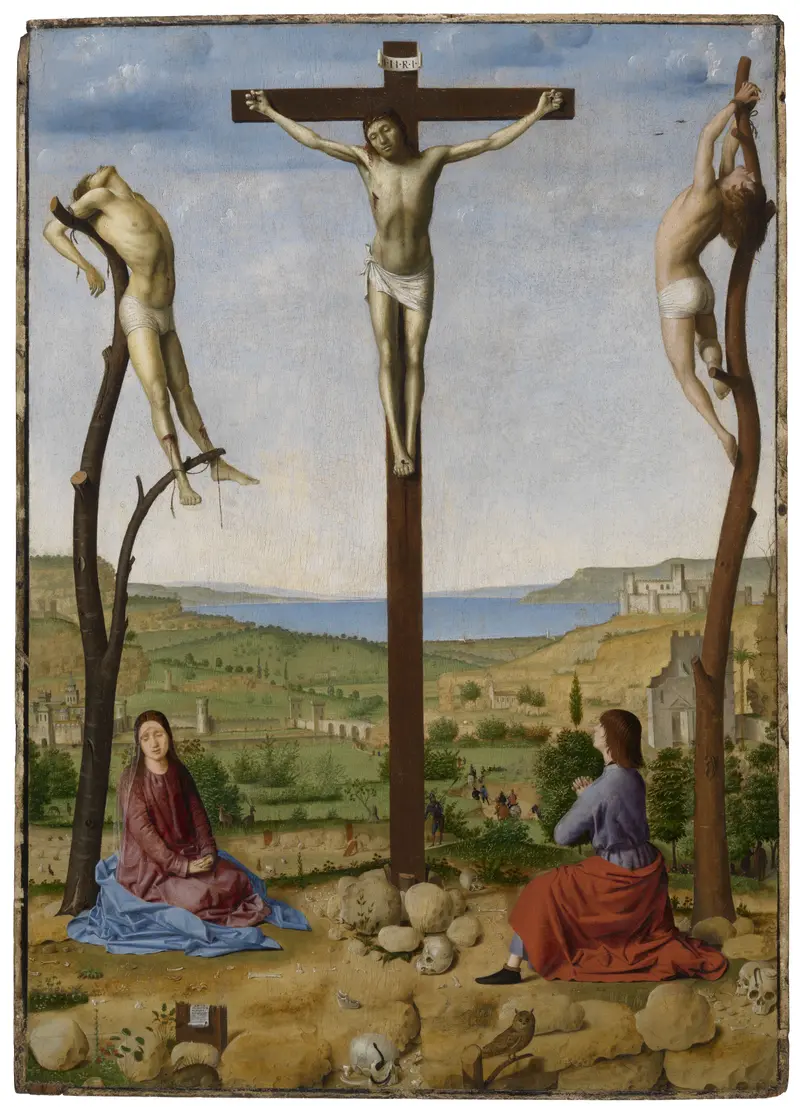
Calvary
Antonello da Messina
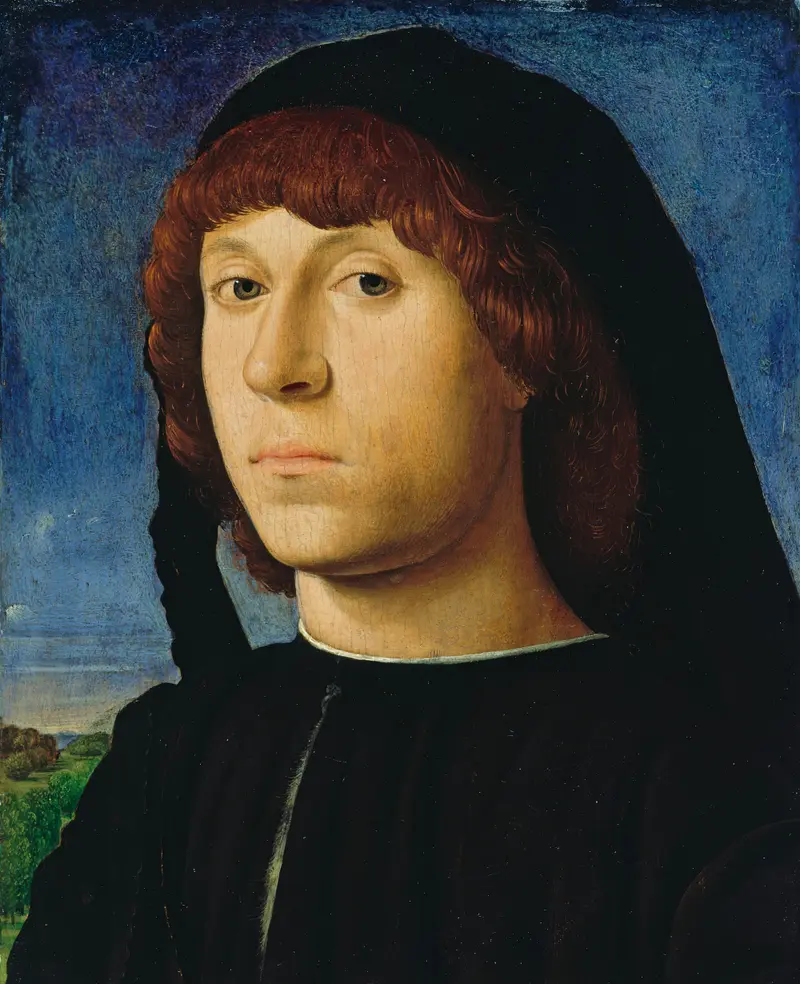
Portrait of a Man
Antonello da Messina
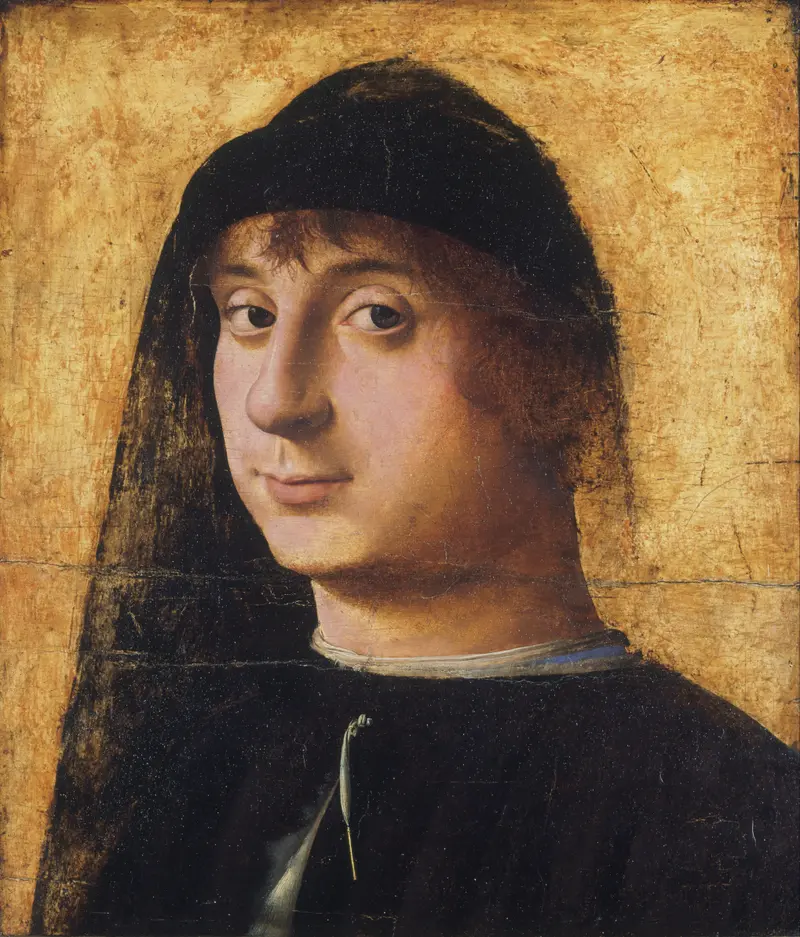
Portrait of a Young Gentleman
Antonello da Messina
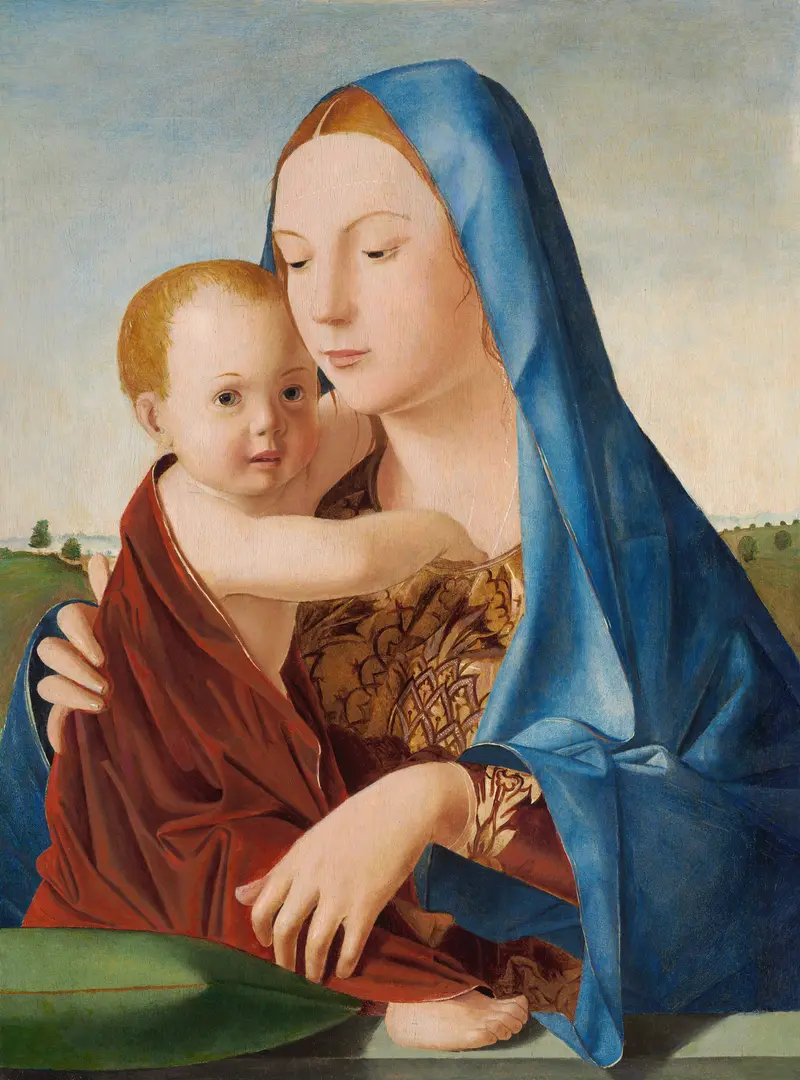
Madonna and Child
Antonello da Messina





