
Pietà — History & Facts
What first catches the eye in Pietà by Antonello da Messina is the startling intimacy of the moment: the lifeless body, heavy and exposed, is gently cradled by a cluster of angels whose faces are left hauntingly unfinished. The viewer’s gaze is drawn first to the pale, luminous torso, where a small hand presses softly against a wound, as if to both comfort and bear witness. The composition is tight, the figures pressed close together, their wings forming a protective arch that frames the scene against a distant, sunlit landscape.
Light falls with precision, modeling flesh and fabric, but the faces remain ghostly, inviting us to imagine the grief and tenderness that might animate them. Painted in the mid-1470s, this work stands at the crossroads of the Italian Renaissance, a period when artists were experimenting with oil paint and new ways of rendering the human body. Antonello da Messina was known for introducing the oil technique to Italy, and here, the smooth transitions of shadow and the almost sculptural modeling of Christ’s form show that mastery. The angels’ unfinished faces, however, set this Pietà apart from other versions—such as those by Giovanni Bellini, whose mourners are fully realized and expressive.
Instead, Antonello’s choice leaves the emotion suspended, the story incomplete, and invites the viewer to step into the painting’s silence and fill it with their own response.
More Artworks by Antonello da Messina

San Cassiano Altarpiece
Antonello da Messina
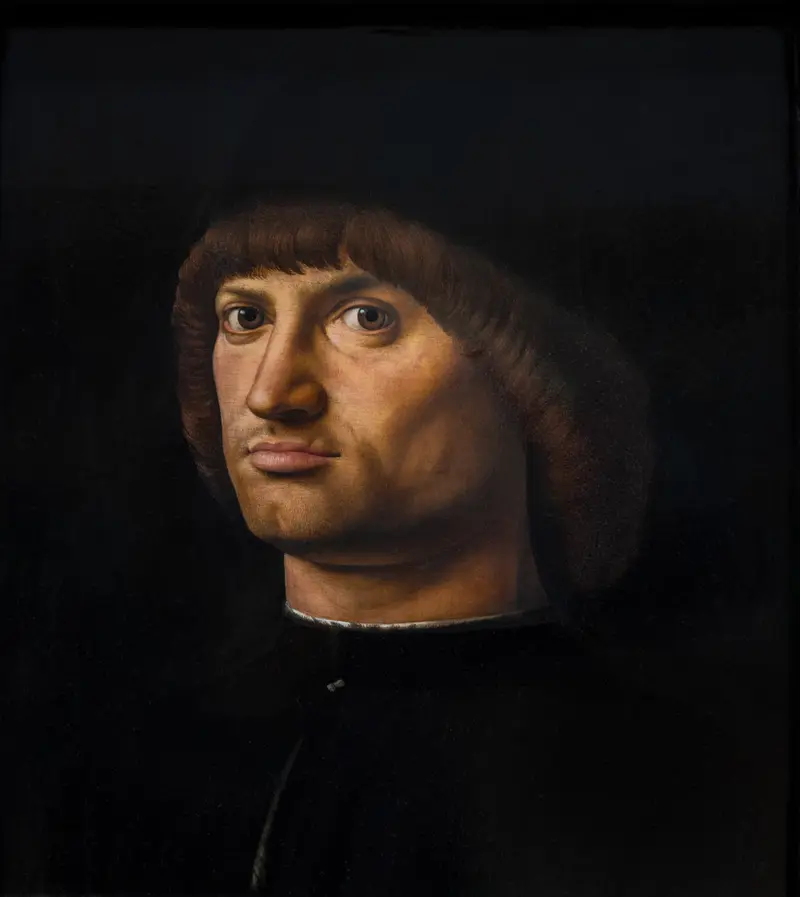
Portrait of a Man, called condottiere
Antonello da Messina
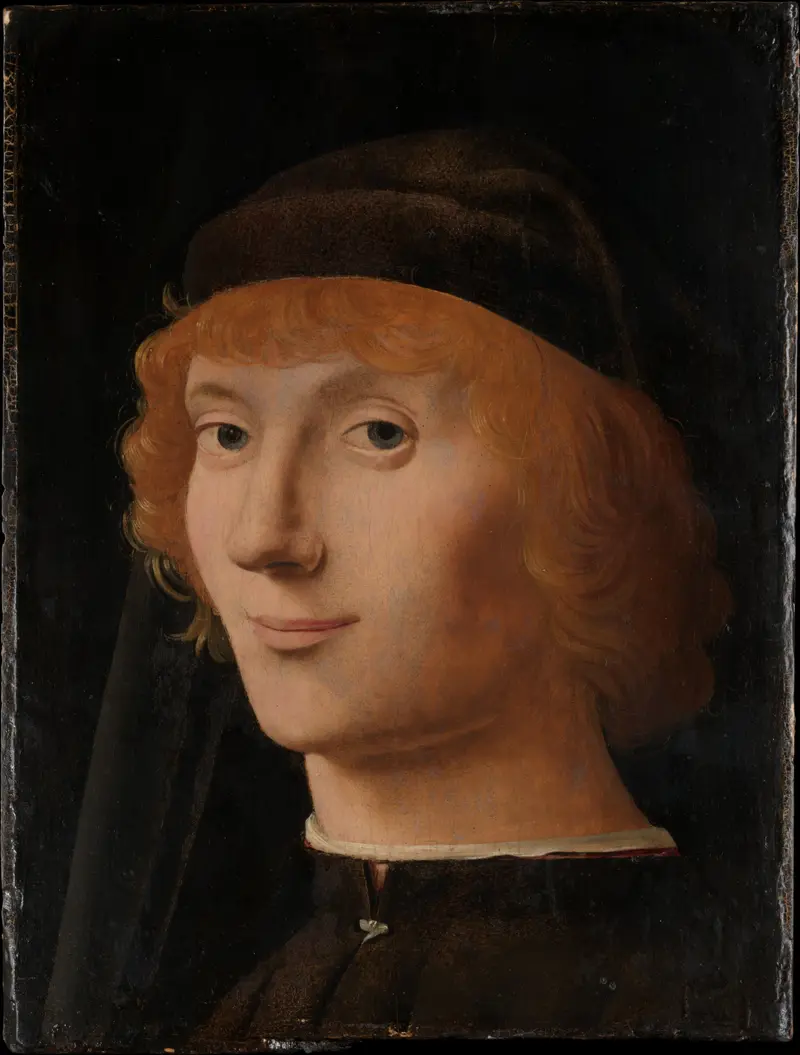
Portrait of a Young Man
Antonello da Messina
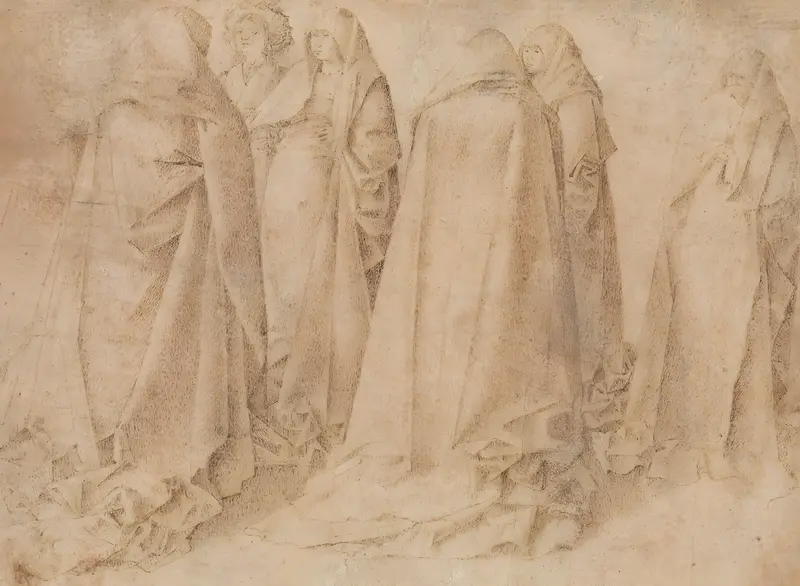
Group of Draped Figures
Antonello da Messina
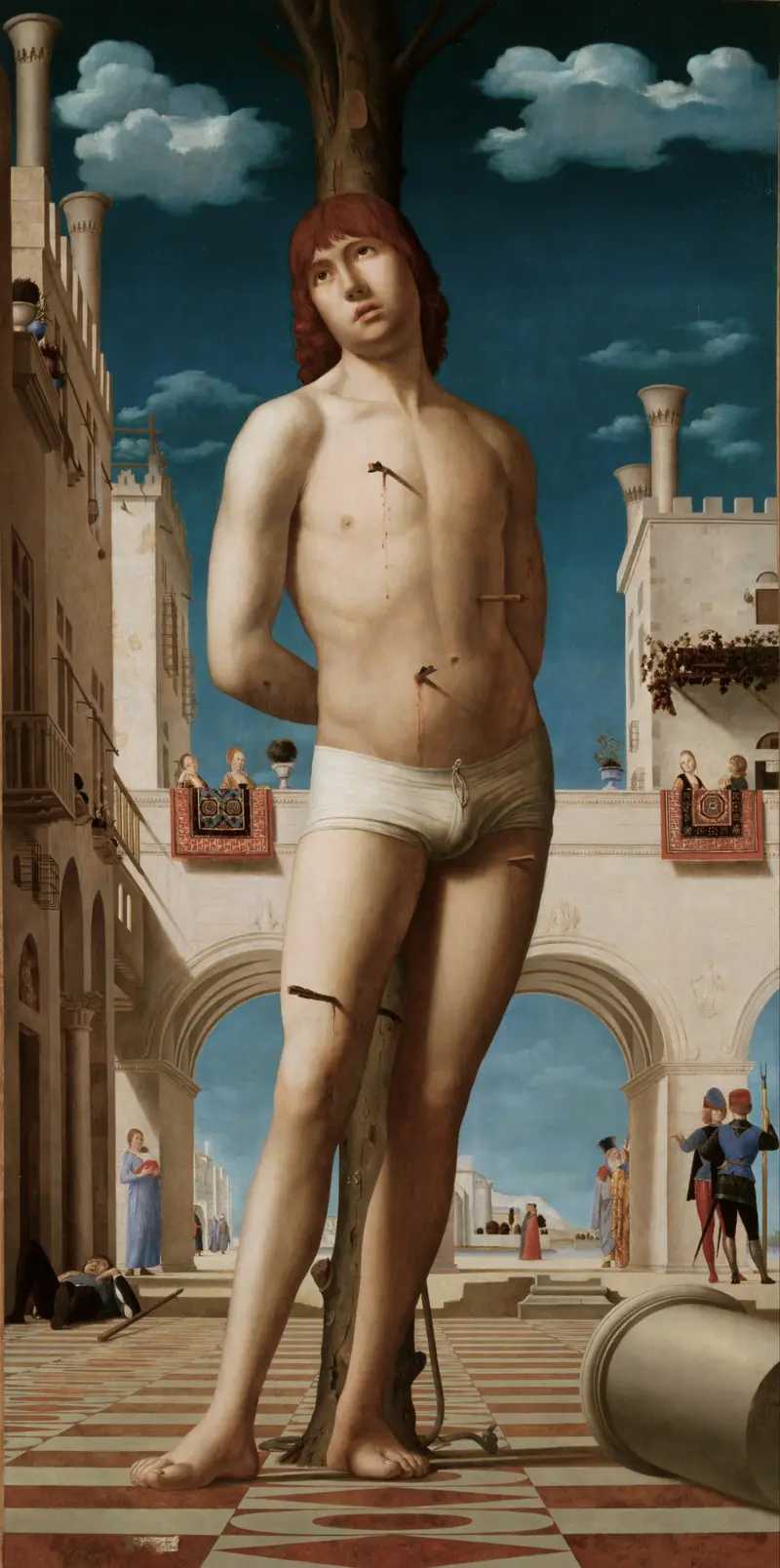
Saint Sebastian
Antonello da Messina
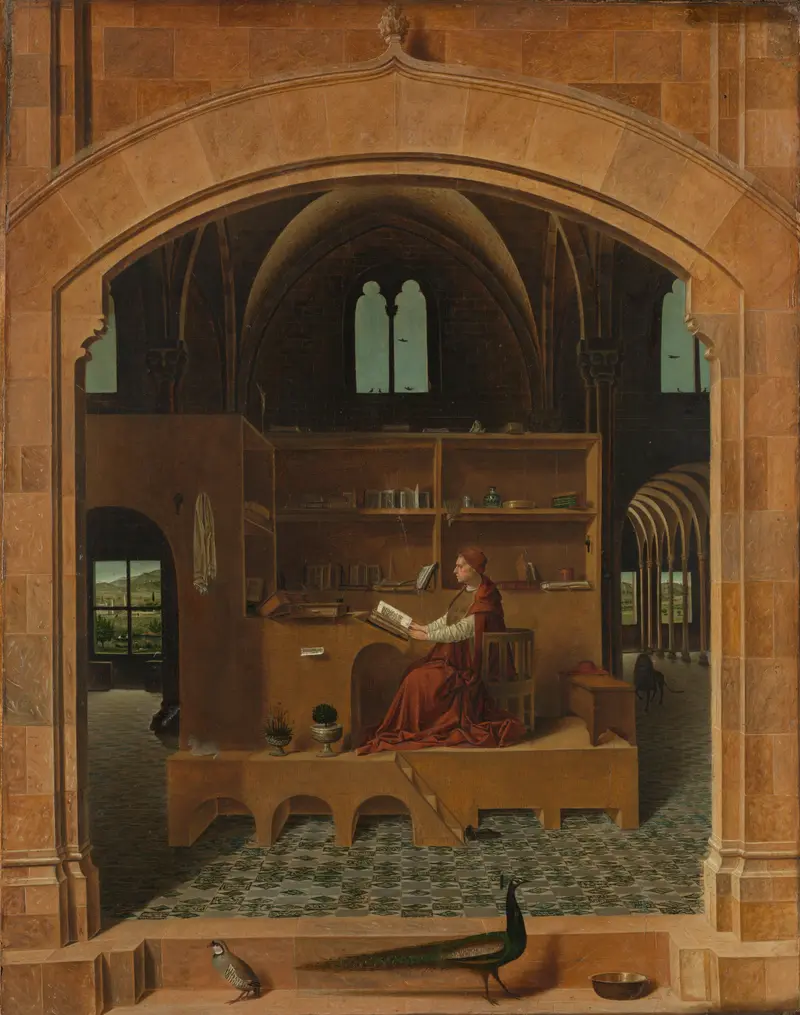
St. Jerome in His Study
Antonello da Messina
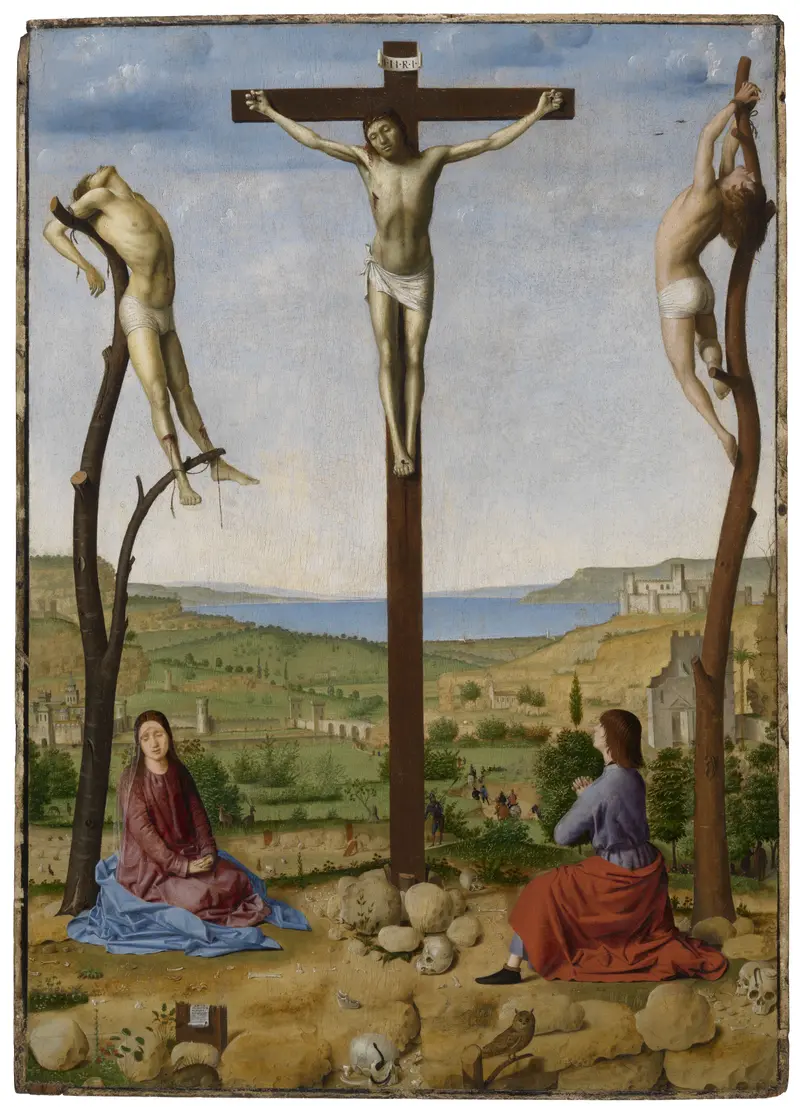
Calvary
Antonello da Messina
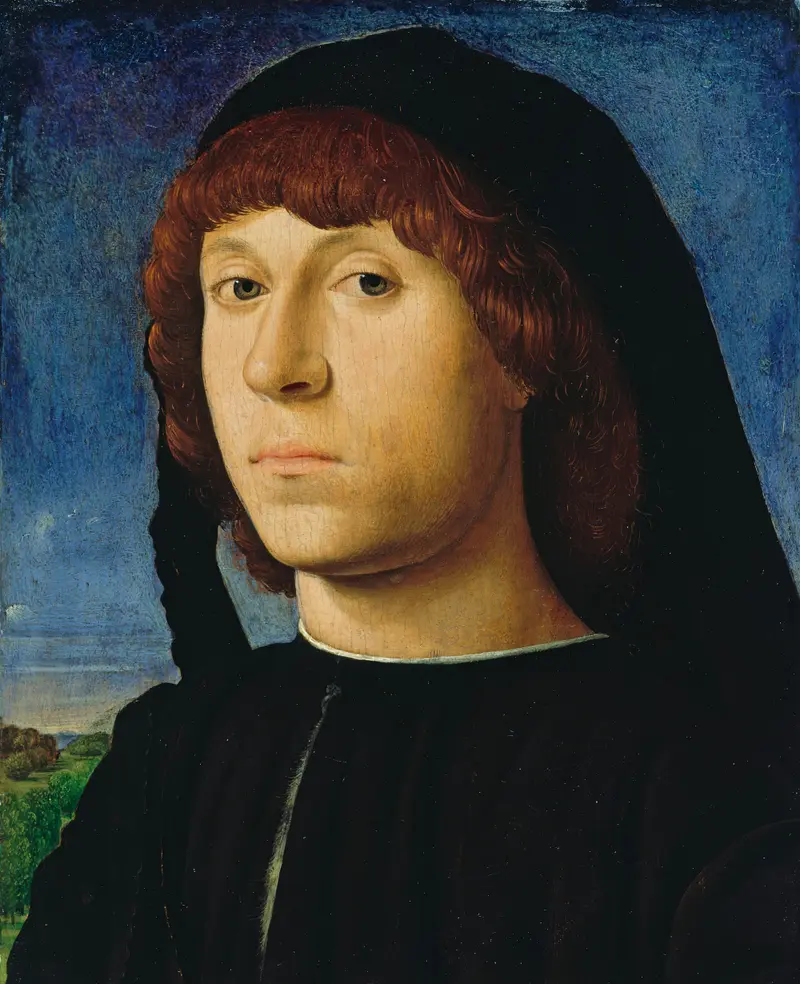
Portrait of a Man
Antonello da Messina
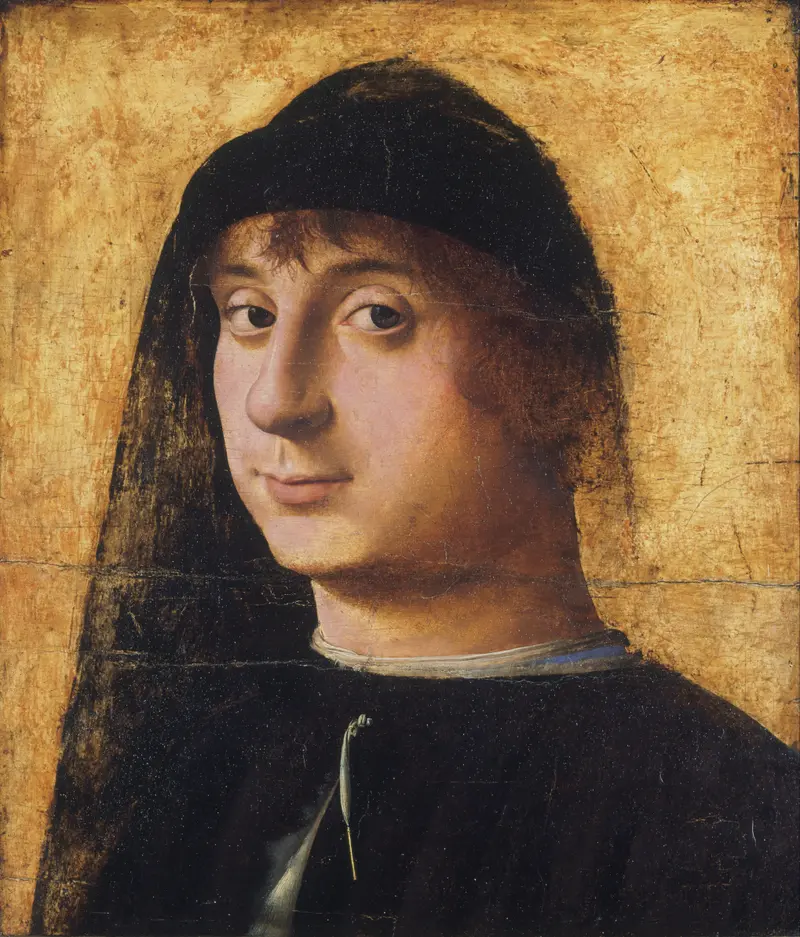
Portrait of a Young Gentleman
Antonello da Messina
Madonna and Child
Antonello da Messina





