
Sandstone Quarry — History & Facts
In the solitude of a quarry, one finds profound loneliness wrapped in raw beauty. Focus on the rugged textures of the sandstone walls, where shades of ochre and muted browns blend seamlessly. The coarse strokes mimic the jagged edges of rock, inviting the viewer to run their fingers over the surface, feeling the weight of earth and time. The slight play of light captures the natural contours, drawing the eye towards the workers, small figures dwarfed by the enormity of their surroundings, their movements a contrast against the solid, immovable stones. Hidden within this vastness lies the emotional tension of labor and isolation.
The figures, though engaged in their toil, seem almost ghostlike, emphasizing the solitude of their existence. The interplay of shadow and light adds depth, suggesting the relentless passage of time and the weariness of their labor. This contrast between man and nature encapsulates a universal yearning — for connection and understanding within a vast, indifferent world. Auguste Louis Lepère created Sandstone Quarry in 1890, during a period of considerable change in the art world.
Based in France, he was deeply influenced by the Impressionist movement while also embracing elements of realism. The industrial landscape he depicted mirrors the socio-economic shifts of the era, as urbanization transformed the French countryside, and his work reflects a keen awareness of both the beauty and the harsh realities of labor.
More Artworks by Auguste Louis Lepère
Browse all →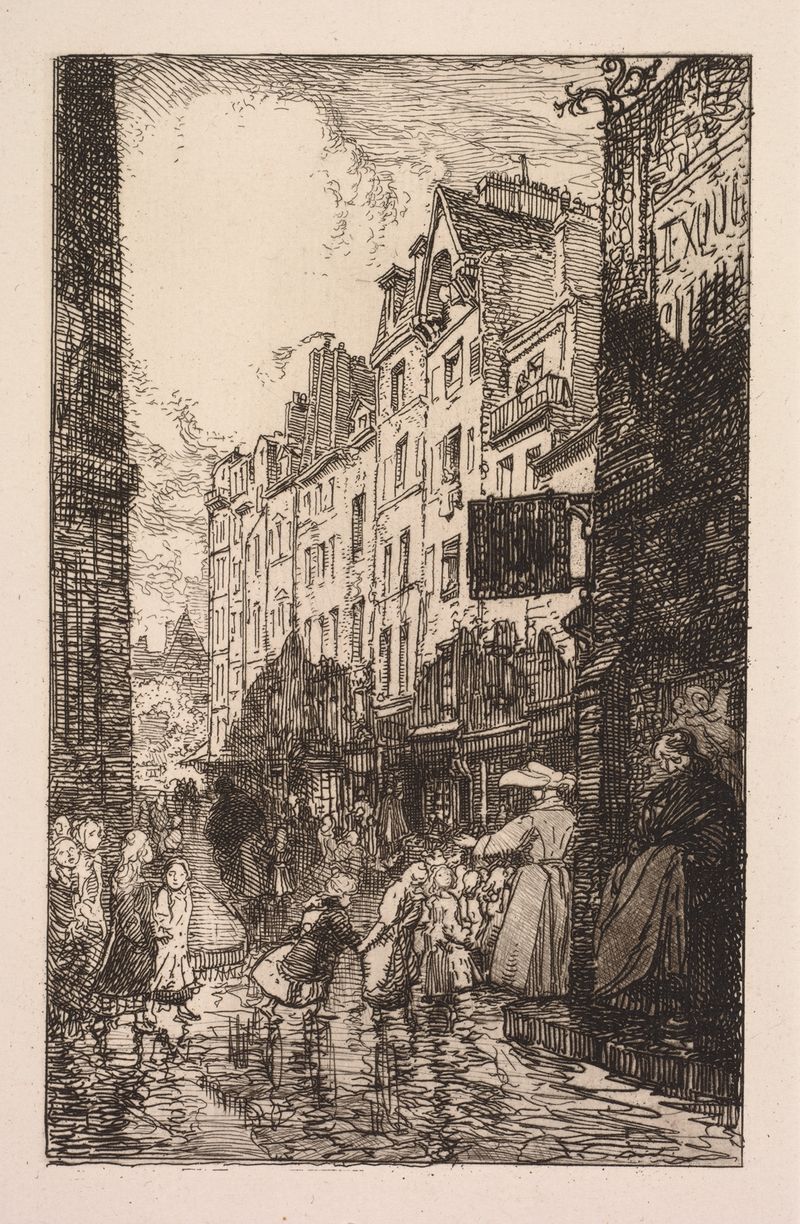
La Rue des Prêtres Saint-Séverin
Auguste Louis Lepère
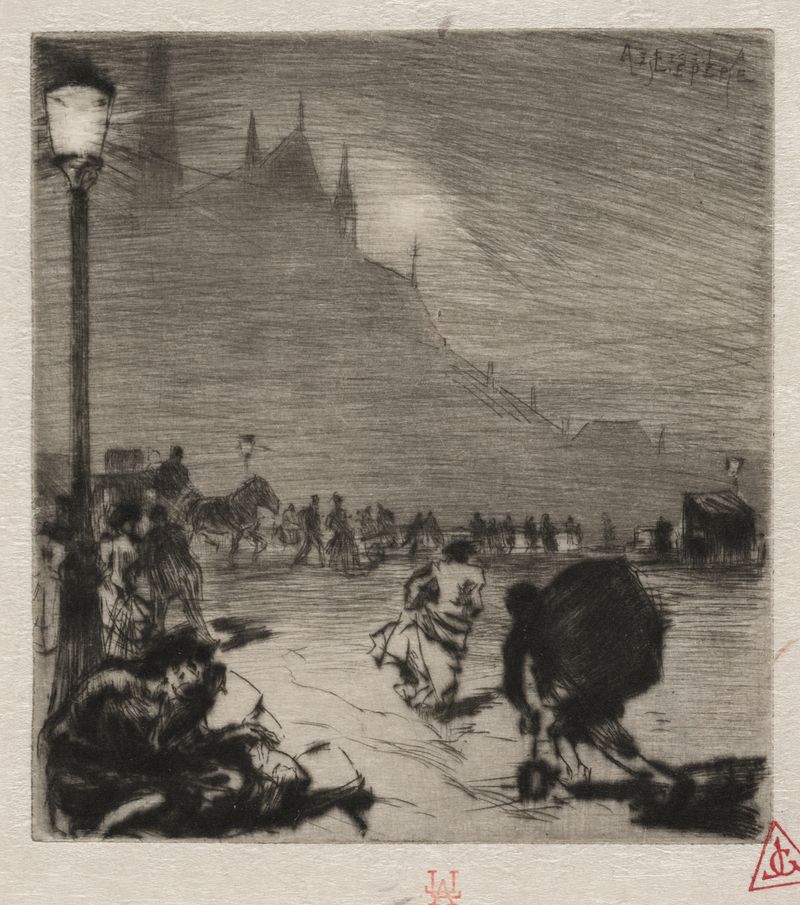
Au Coin du Pont-aux-Doubles
Auguste Louis Lepère
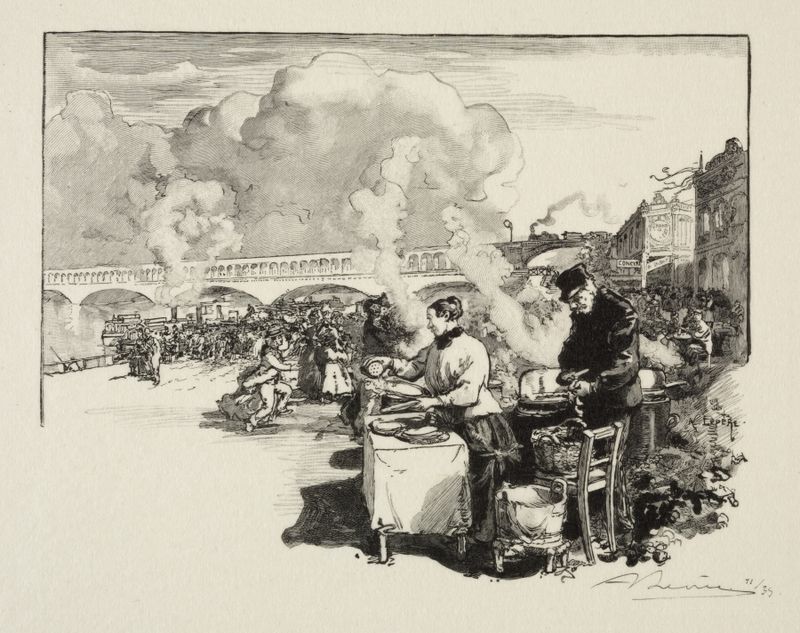
Debarcadère des bateaux-omnibus
Auguste Louis Lepère

La Seine, au quai de la Rapée
Auguste Louis Lepère
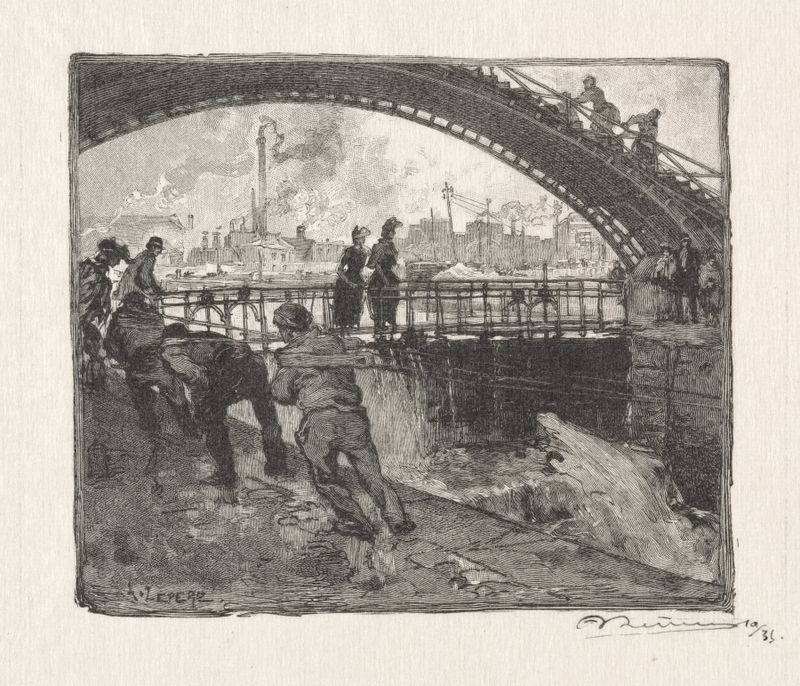
L’Ecluse du Canal St. Martin
Auguste Louis Lepère

Le Boulevard Montmartre, le Soir
Auguste Louis Lepère

Une Chasse au Mont Gérard
Auguste Louis Lepère
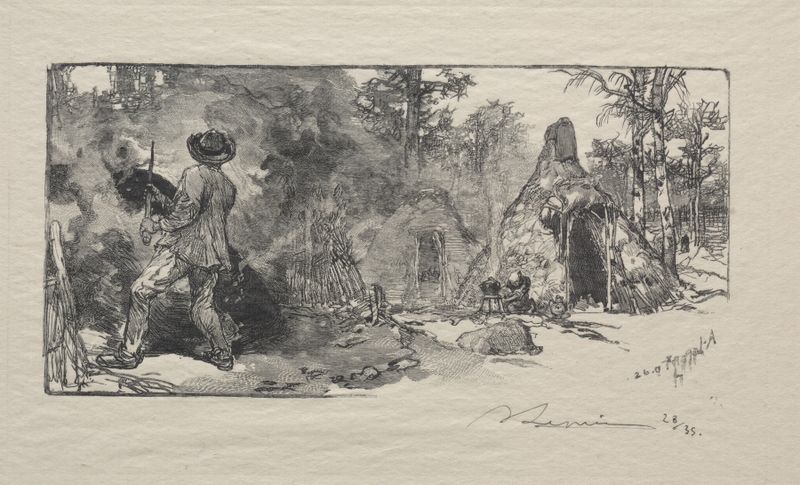
Les Charbonniere
Auguste Louis Lepère
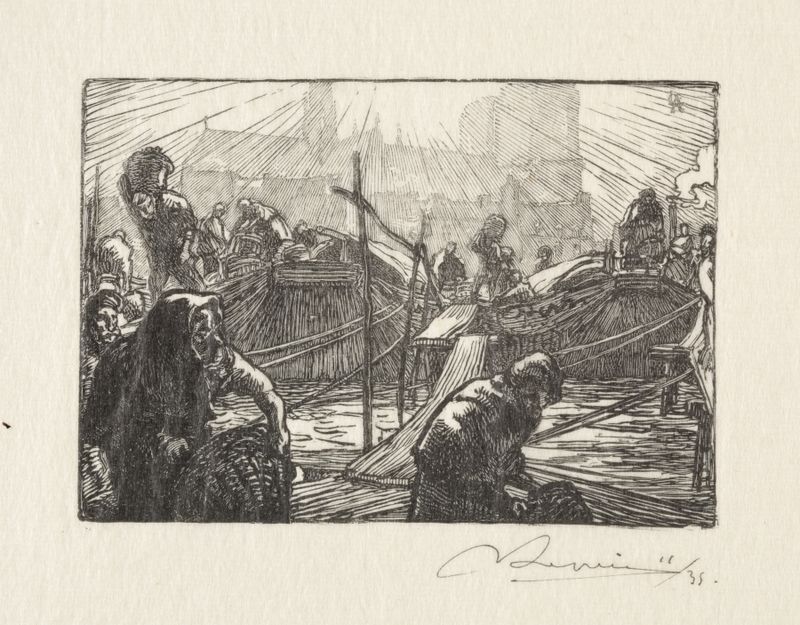
Notre Dame vue du Marché aux pommes
Auguste Louis Lepère

Le Palais des Arts Liberaux, Intèrieur
Auguste Louis Lepère





