Sandvika, Norway — History & Facts
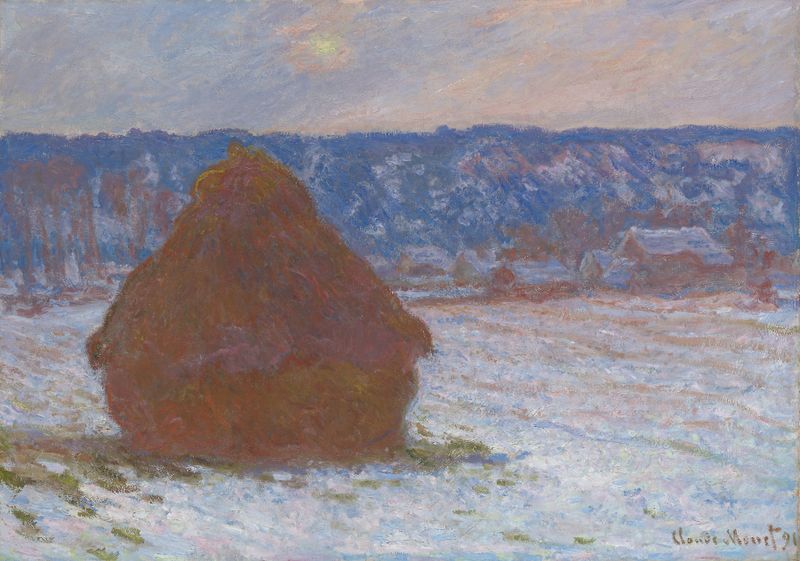
In the hushed embrace of nature, fear often lurks beneath the surface, whispering its presence through the stillness of an untouched landscape. Focus first on the serene waters that dominate the canvas, where reflections ripple like whispered secrets. The brushwork is fluid and textured, creating a sense of movement within the tranquil scene. The soft, muted palette of blues and greens draws the eye toward the horizon, inviting a contemplation of the delicate balance between beauty and the unknown.
Notice how the light dances across the surface, illuminating the treetops and casting gentle shadows that hint at the depths of emotion concealed within this idyllic setting. The contrast between tranquility and unease is palpable. The seemingly idyllic scenery may mask a deeper fear of isolation, highlighted by the absence of human figures. Each brushstroke becomes a testament to the artist's struggle with capturing ephemeral moments, a silent acknowledgment of life’s fleeting nature.
The surrounding stillness can evoke both peace and anxiety, urging viewers to confront their own apprehensions about solitude and the passage of time. In 1895, Monet was deeply immersed in his Impressionist style, often exploring the interplay of light and nature. Painting Sandvika, Norway during a trip to the Scandinavian country, he sought to convey the beauty and transience of the landscape around him. At this time, he was grappling with personal struggles, including the effects of aging and illness, while also witnessing the evolution of the art world that began to embrace his innovative techniques.