
Satan in the Cathedral — History & Facts
Could a single brushstroke hold eternity? In Satan in the Cathedral, dark emotions intertwine with light, revealing the complex nature of betrayal and redemption. Focus your gaze on the central figure, where the artist has masterfully captured the tension between light and shadow. Look closely at the swirling forms around the figure's head, suggesting an ethereal presence. Notice the stark contrast between the vibrant reds and deep blacks—each color emphasizing the struggle within the composition.
The cathedral's arches loom overhead, casting an ominous atmosphere, while shafts of light pierce through, creating a visual dichotomy that echoes the themes of hope and despair. Hidden beneath the surface lies a commentary on the fragility of faith and the allure of darkness. The figure’s expression conveys a haunting mix of defiance and sorrow, encapsulating the betrayal of sacred beliefs. In the intricate details of the surrounding architecture, one can sense a landscape of lost souls, the crumbling stonework mirroring the moral decay.
This juxtaposition reflects the artist's exploration of spiritual conflicts, questioning the very fabric of devotion. Feliks Jabłczyński created this thought-provoking piece in 1913, amidst a turbulent period in Europe leading up to World War I. Living in Poland, he was influenced by both the Symbolist movement and the growing tensions of his time. His works often reflected a deep engagement with themes of spirituality versus materialism, a struggle that resonates within Satan in the Cathedral, capturing the societal disillusionment that pervaded the early 20th century.
More Artworks by Feliks Jabłczyński
Browse all →
Villa Borgia in Rome
Feliks Jabłczyński

Mariensztat Street in Warsaw
Feliks Jabłczyński
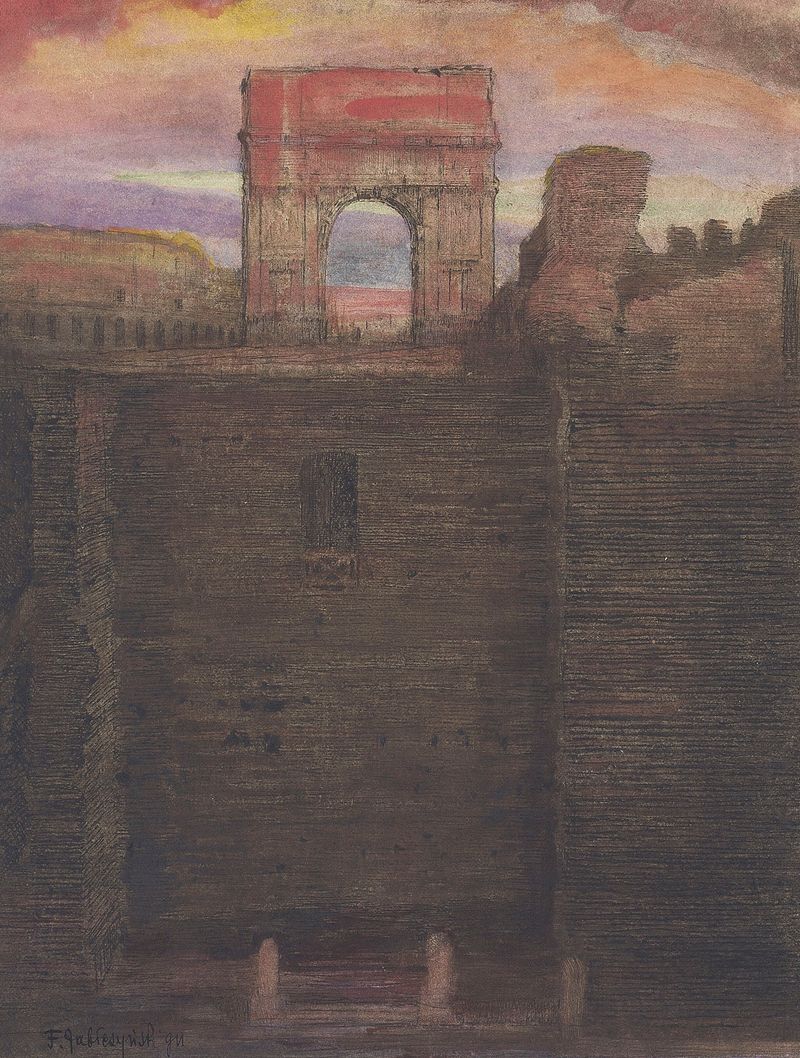
The House of Vestals and the Arch of Titus in the background
Feliks Jabłczyński
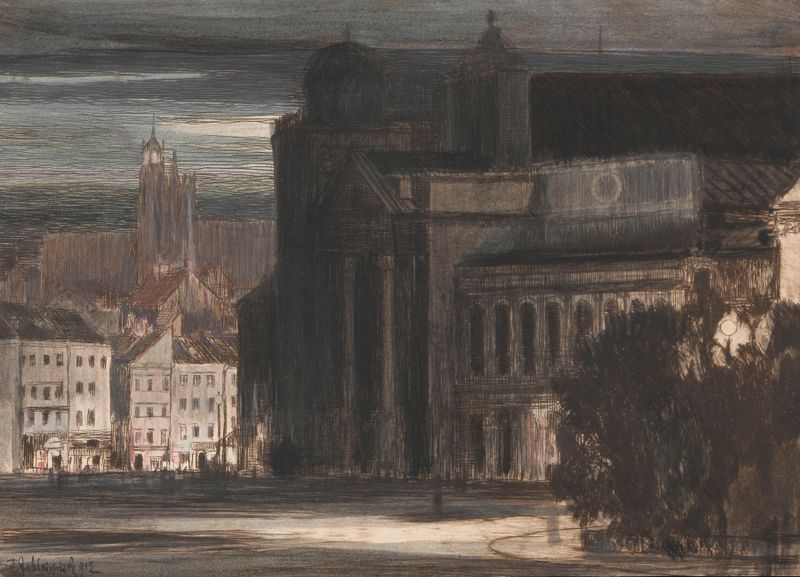
View of the Church of St. Anna and the Castle Square in Warsaw
Feliks Jabłczyński

Kaplica Boimów we Lwowie
Feliks Jabłczyński
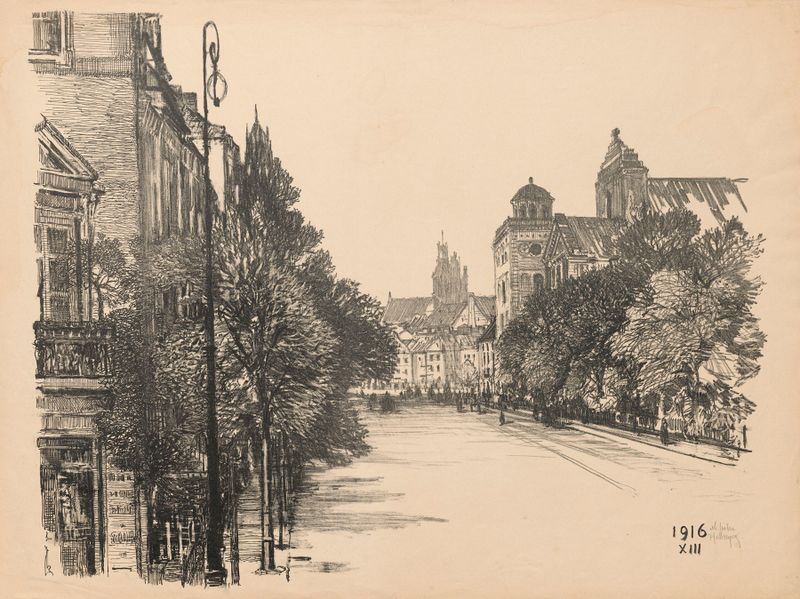
Krakowskie Przedmieście Street
Feliks Jabłczyński
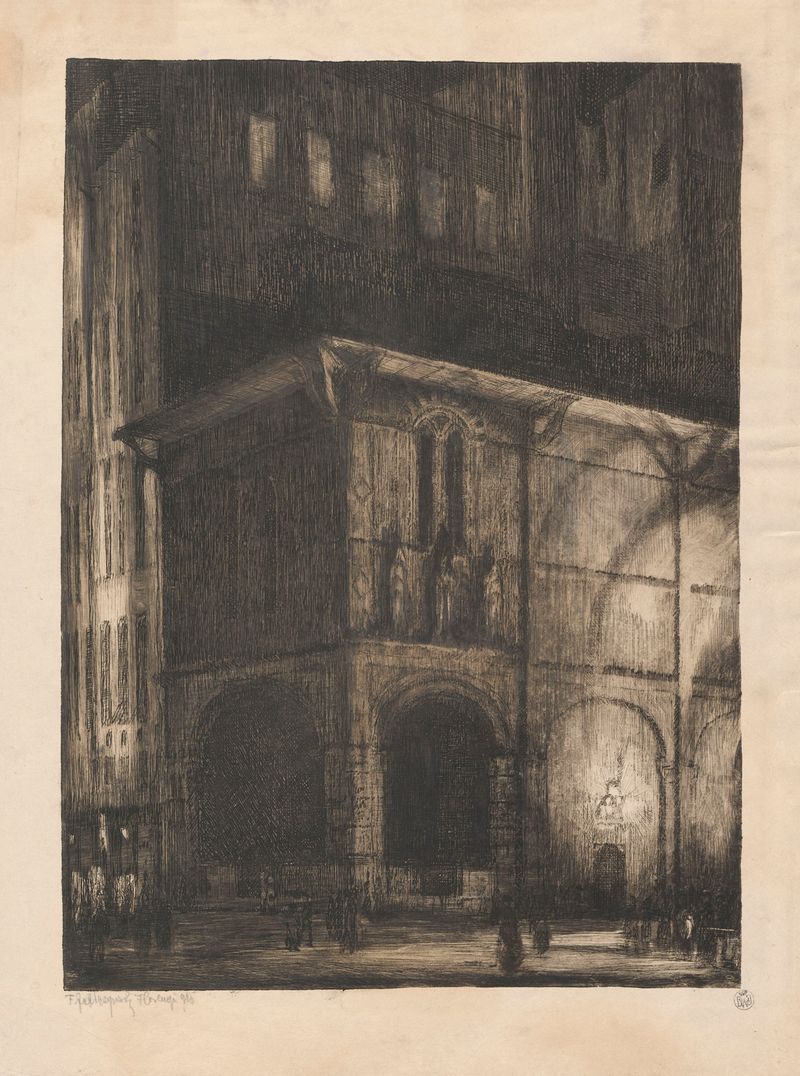
Florence
Feliks Jabłczyński
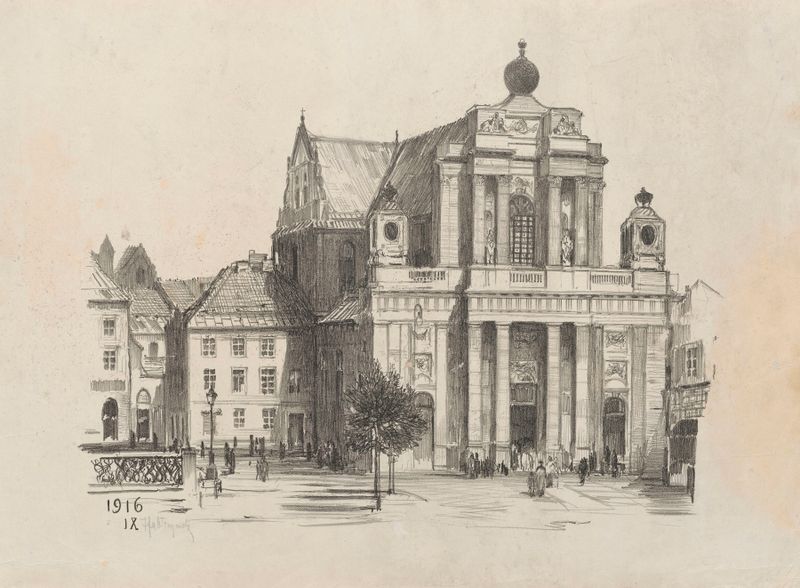
Carmelite Church.
Feliks Jabłczyński

The Visitation Sisters Church
Feliks Jabłczyński
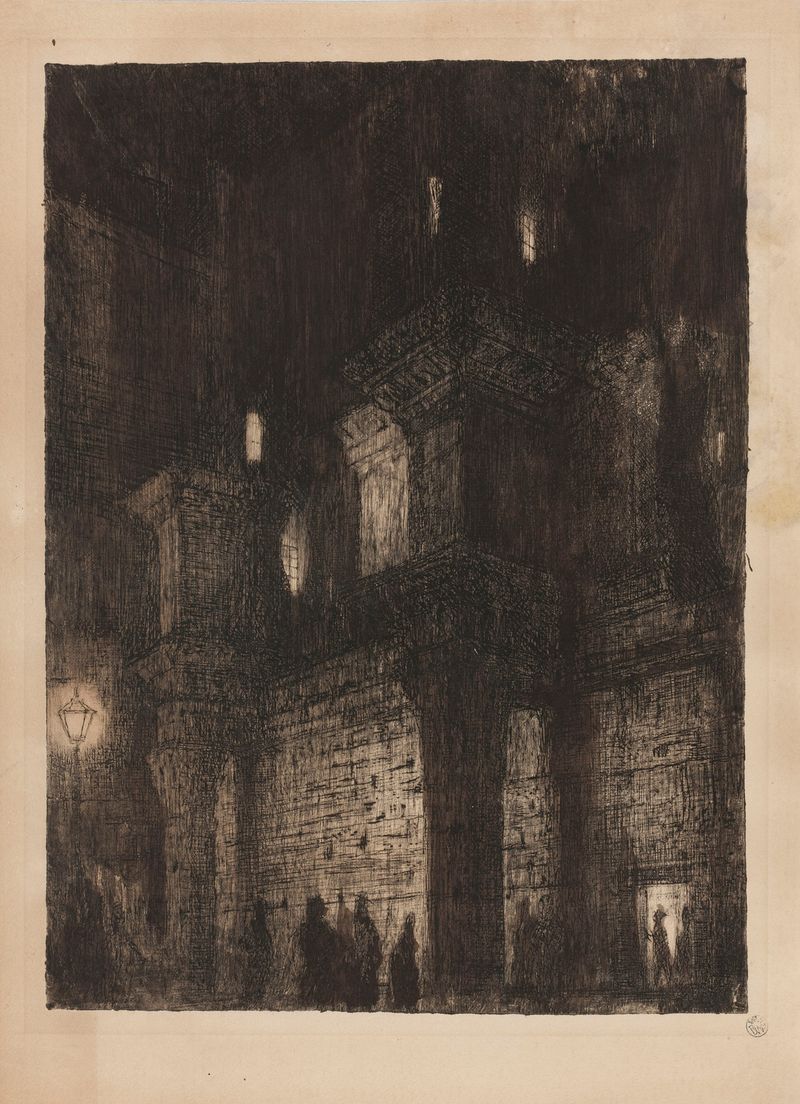
Forum Nervae
Feliks Jabłczyński





