Saucer-dish with a translucent white glaze — History & Facts
This delicate statement resonates profoundly within the realm of artistry, inviting us to ponder the truths captured in every piece made by human hands. How do we measure the weight of a moment, or the essence of a life, through the silent language of form and color? Look closely at the surface of the saucer-dish, where the translucent white glaze envelops the ceramic like a gentle embrace. The light plays upon the subtle curves and imperfections, guiding your gaze to the soft, undulating rim that seems to breathe with the passage of time.
The minimalist design speaks volumes, reflecting not just functional beauty but a deep understanding of materiality that transcends generations. Within this seemingly simple dish lies a narrative of contrasts: the fragility of porcelain against the enduring permanence of artistry. Notice the way it captures light, inviting reflections that transform it into a canvas of shifting hues. This interplay of shadow and brightness hints at the duality of existence—ephemeral yet eternal, mundane yet extraordinary—encouraging the viewer to find beauty in the everyday. Created during the late 17th century, this work stands as an anonymous testament to the craftsmanship of its era.
The artist, whose identity remains shrouded in mystery, was part of a period when ceramics flourished in Europe, merging utility with art. Amidst social and cultural changes, this piece epitomizes a quest for truth through simplicity, connecting us to a past where every object was imbued with meaning and intention.
More Artworks by Unknown Artist
Browse all →
Ridder, Dood en Duivel
Unknown Artist
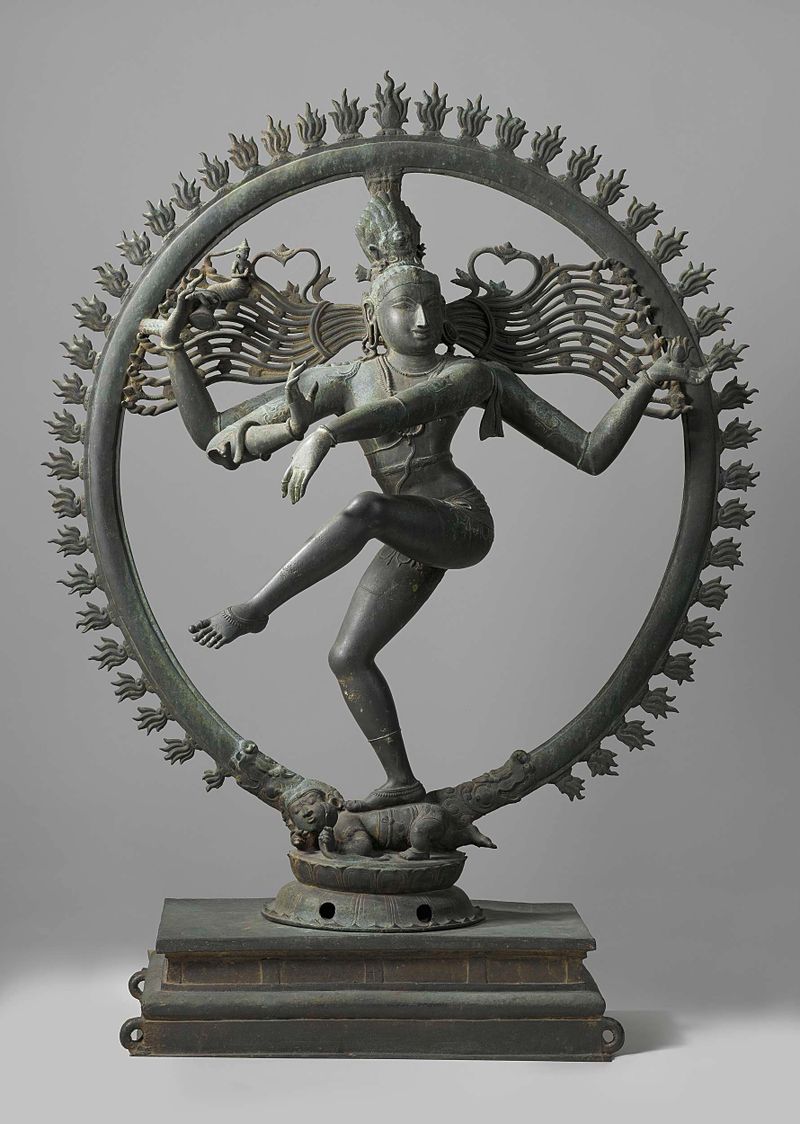
Shiva Nataraja
Unknown Artist

Portrait of Elizabeth I, Queen of England
Unknown Artist
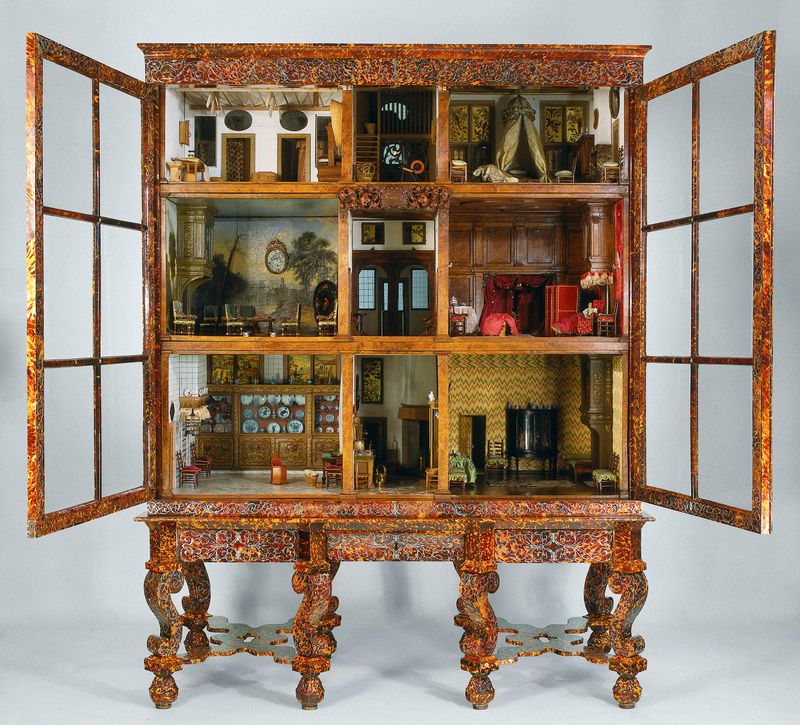
Dolls’ house of Petronella Oortman
Unknown Artist
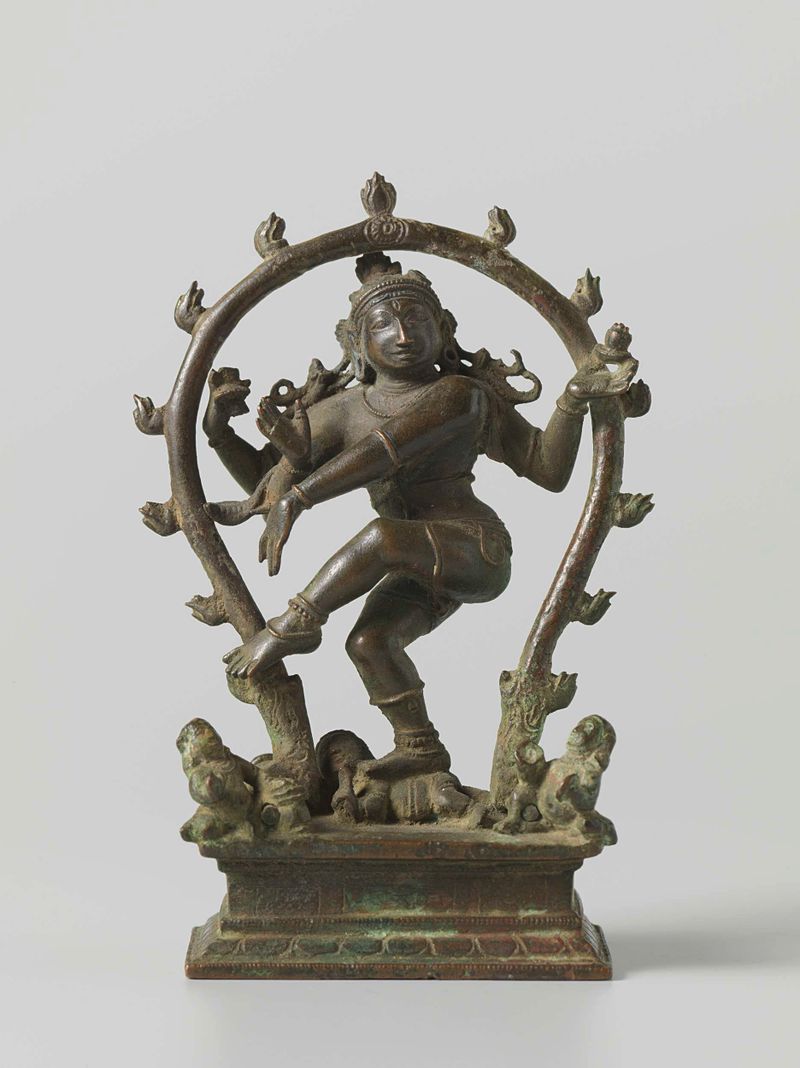
Shiva Nataraja
Unknown Artist

The Tale of Genji
Unknown Artist

The Tale of Genji
Unknown Artist

Cong
Unknown Artist
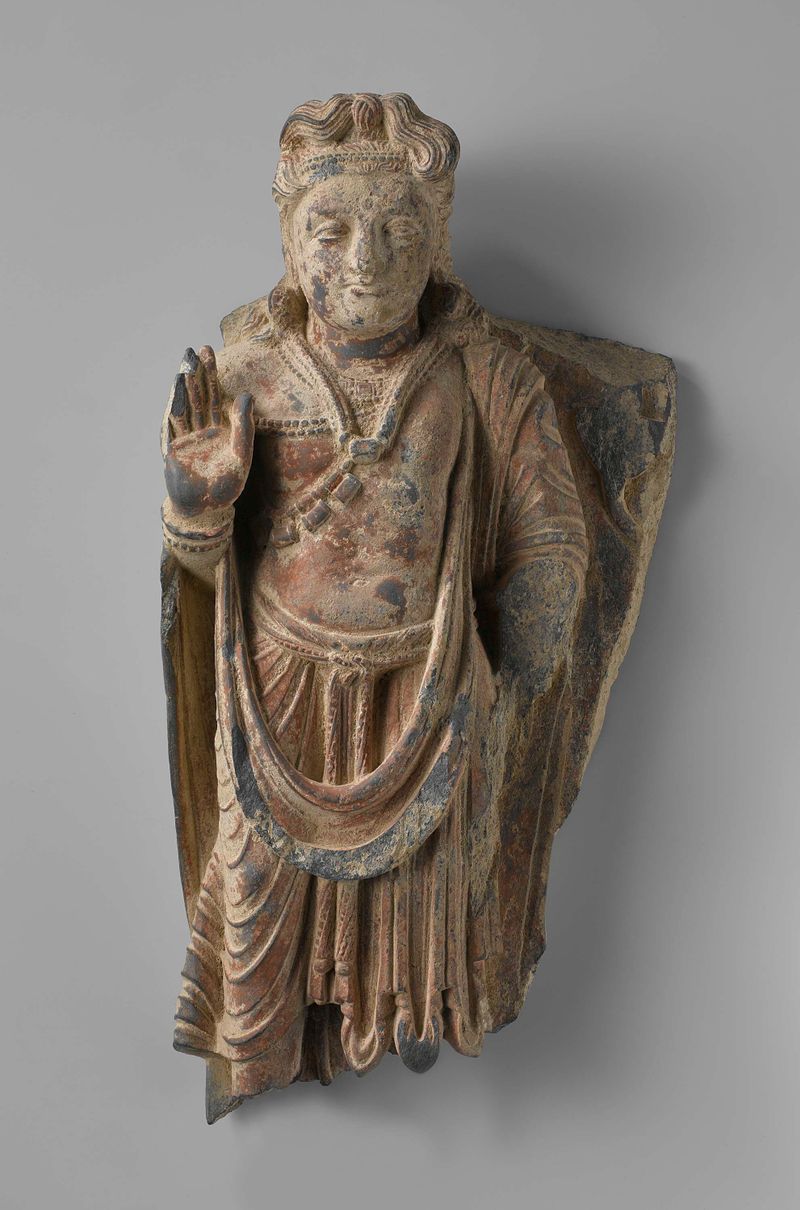
The bodhisattva Maitreya
Unknown Artist

Teabowl with a 'hare's fur' glaze
Unknown Artist