Saucer-dish with a translucent white glaze — History & Facts
What if beauty was never meant to be finished? The allure of imperfection whispers through the delicate curves and subtle sheen of this ephemeral saucer-dish, captured in a moment between fragility and strength. Look closely at the smooth, translucent white glaze that envelops the ceramic surface. The gentle interplay of light creates soft shadows, enhancing its organic form. Notice how the dish’s edges, slightly irregular, invite the eye to wander, reflecting the craftsmanship of its unknown creator.
Each contour holds a story, a conversation between the artist and the raw material, suggesting both intention and the passage of time. Yet, it is in the nuances that deeper meanings emerge. The translucence hints at vulnerability, echoing the transient nature of beauty itself, while the dish’s simplicity speaks to a longing for connection in a world often overwhelmed by excess. This ordinary object, devoid of overt embellishment, becomes a vessel for reflection on loss—perhaps of the artist's identity, or the fleeting moments that shape our existence. Created between 1600 and 1699, this work reflects a period that grappled with the emergence of individualism in art.
During this time, many artisans worked anonymously, yet their contributions were foundational to the evolution of decorative arts. The anonymous creator of this piece navigated a world where beauty was both celebrated and often unattainable, leaving behind a testament to the delicate balance between artistry and anonymity.
More Artworks by Unknown Artist
Browse all →
Ridder, Dood en Duivel
Unknown Artist
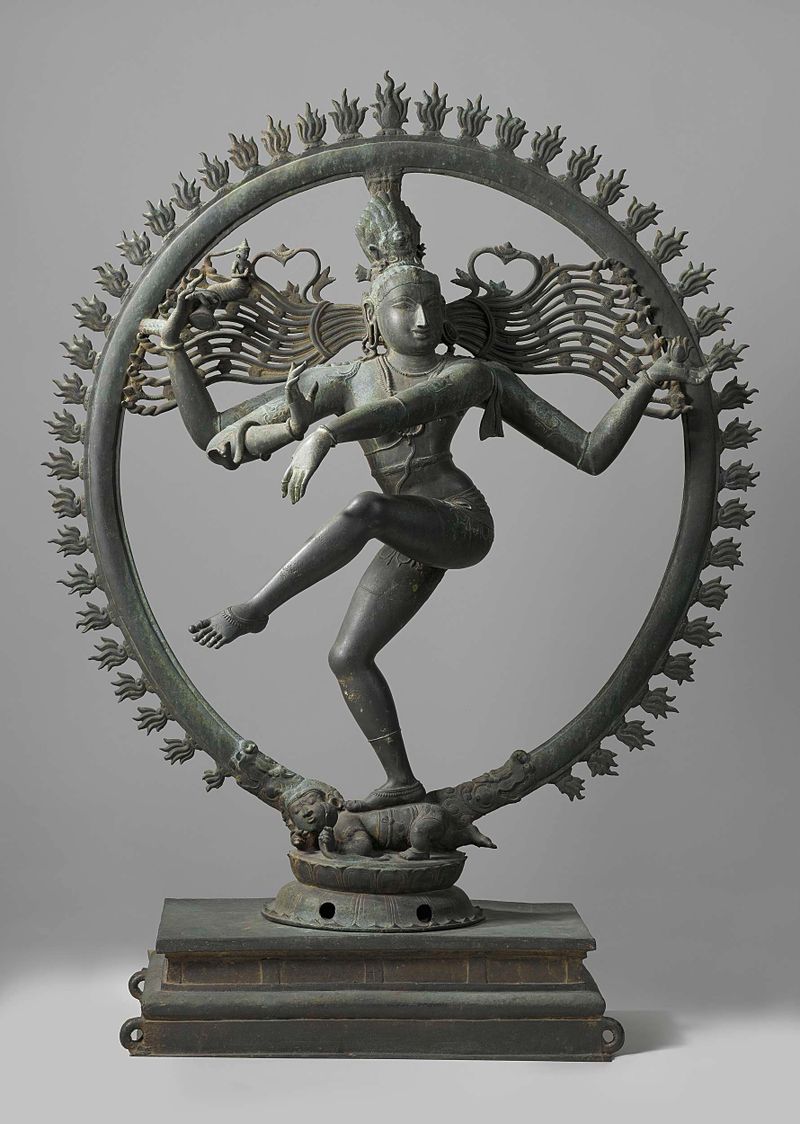
Shiva Nataraja
Unknown Artist

Portrait of Elizabeth I, Queen of England
Unknown Artist
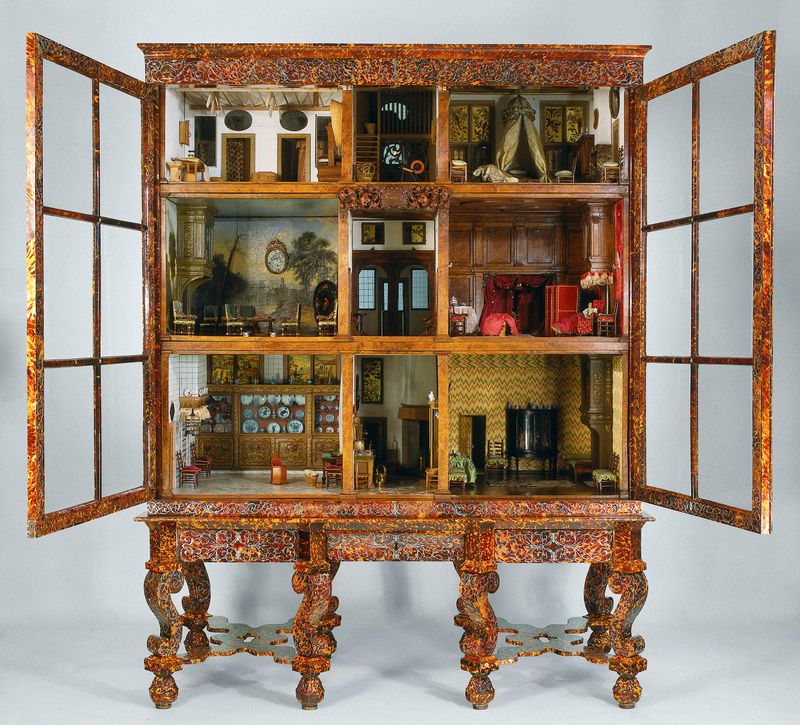
Dolls’ house of Petronella Oortman
Unknown Artist
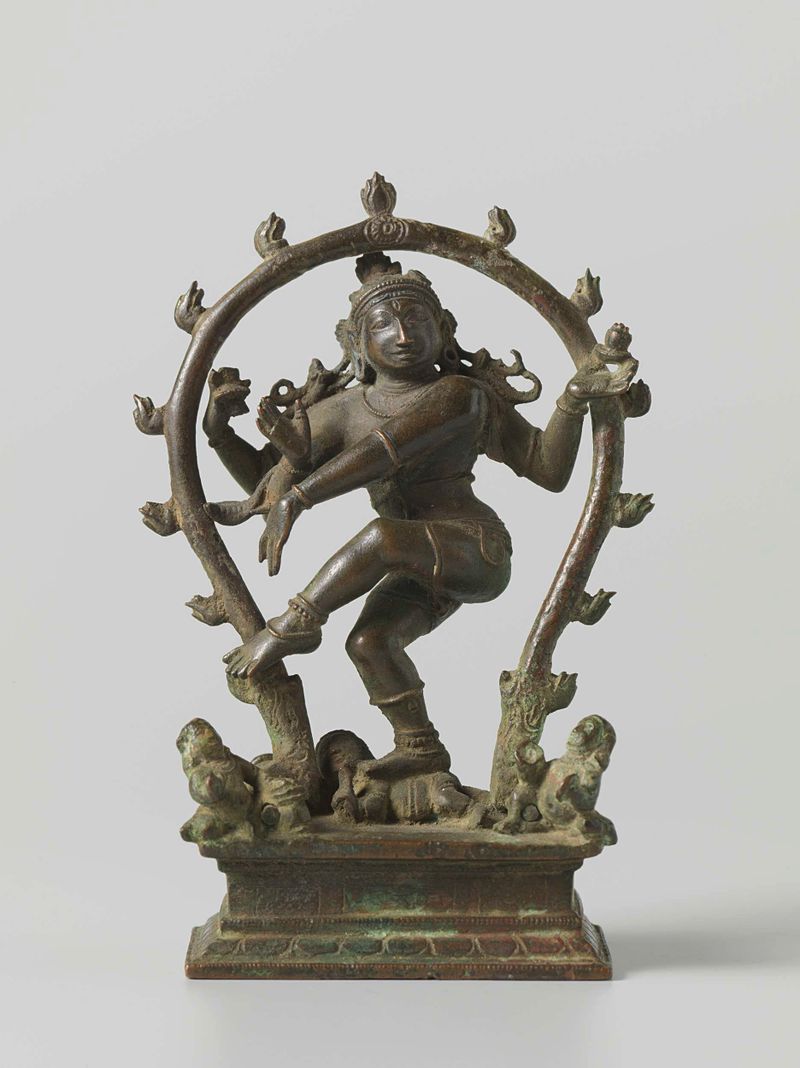
Shiva Nataraja
Unknown Artist

The Tale of Genji
Unknown Artist

The Tale of Genji
Unknown Artist
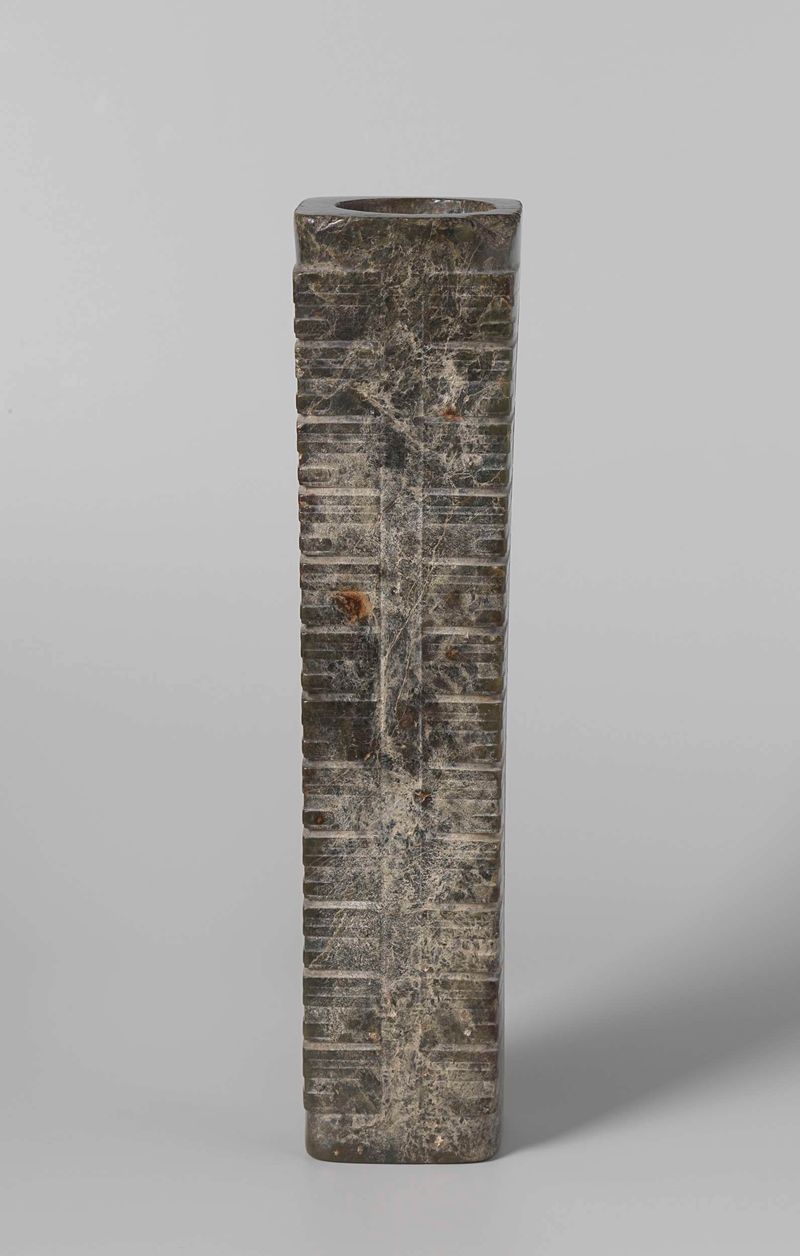
Cong
Unknown Artist
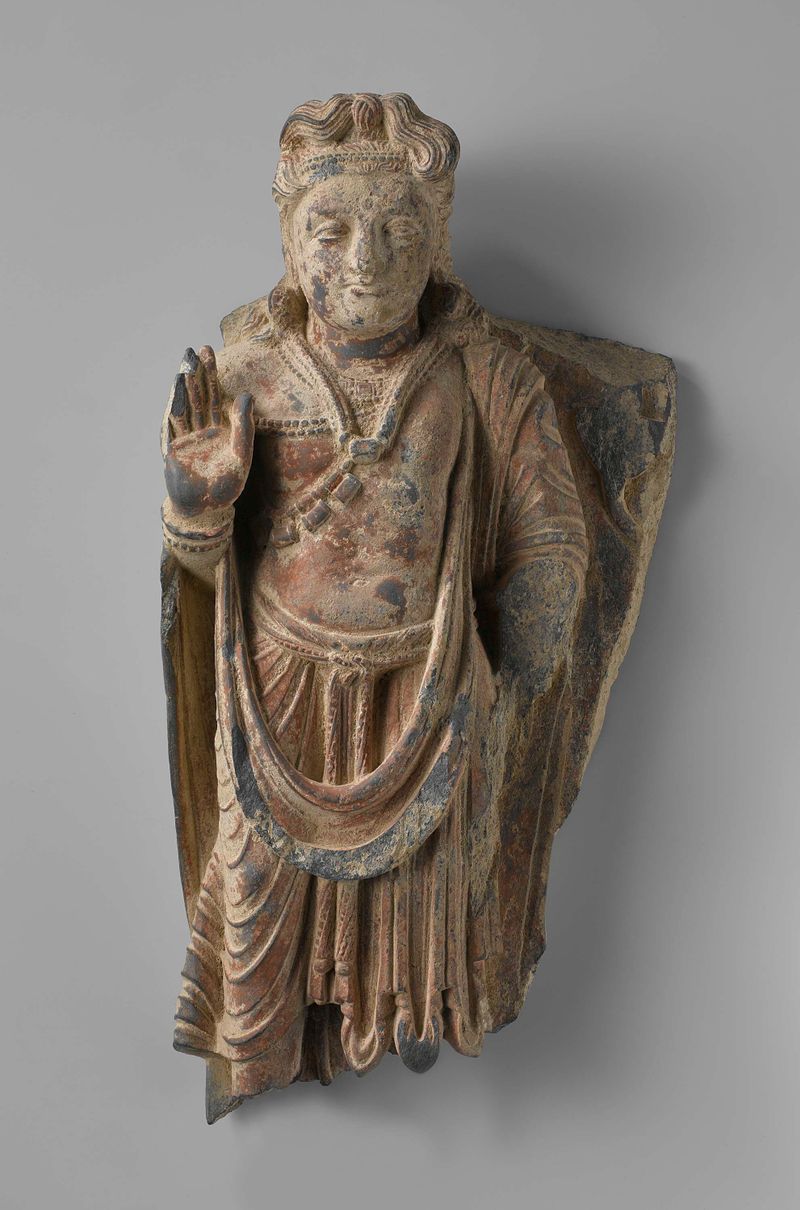
The bodhisattva Maitreya
Unknown Artist
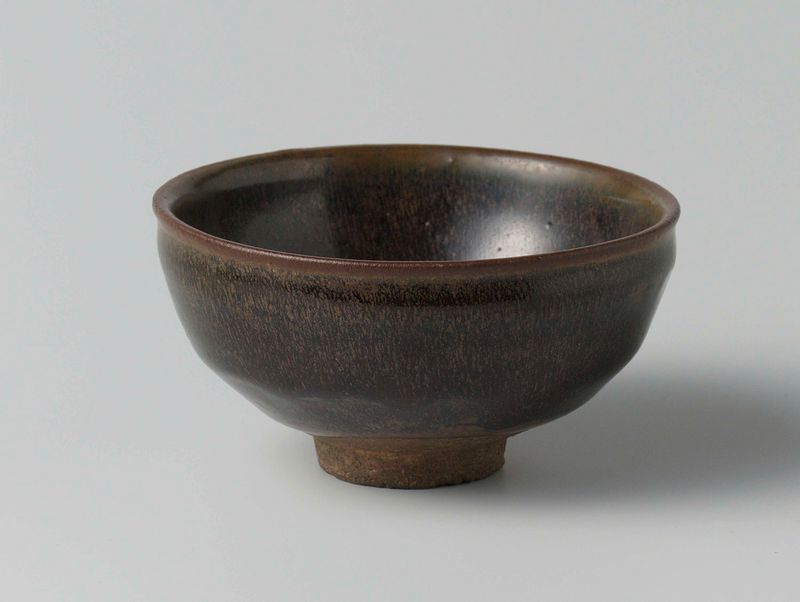
Teabowl with a 'hare's fur' glaze
Unknown Artist