
Sawmill, Outskirts of Paris — History & Facts
What if silence could speak through light? In Sawmill, Outskirts of Paris, the stillness of an empty landscape resonates with a haunting sense of abandonment and solitude. The painting invites us to ponder the weight of absence, urging us to explore the echoes of what once thrived in this seemingly desolate setting. Look to the center of the canvas, where the large, moss-covered sawmill waits, its weathered structure a testament to time. Notice how light filters through the soft canopy of trees, casting gentle shadows that play across the ground.
The muted earth tones of the foreground contrast sharply with the vibrancy of the foliage overhead, creating a visual dialogue between the vitality of nature and the stillness of industry. The way Rousseau layers paint reflects his meticulous attention to detail, drawing the viewer into this moment suspended in time. Embedded within this tranquil scene are deeper layers of emotional tension. The sawmill, a symbol of human endeavor, stands eerily unoccupied, hinting at a lost purpose.
The surrounding trees, lush yet detached, embody the encroachment of nature upon the remnants of human existence. This juxtaposition evokes feelings of nostalgia and melancholy, prompting contemplation about the cyclical relationship between industry and the natural world. During the years 1893 to 1895, Rousseau painted this work while living in Paris, amidst a burgeoning art scene that veered toward Impressionism and post-Impressionism. The artist, a self-taught painter, often drew inspiration from the simplicity of his surroundings, and in this period, he was exploring themes of nature and the passage of time.
The atmosphere of late 19th-century France, where traditional values were increasingly challenged by modernity, permeates his work, offering a poignant reflection on the emptiness that can accompany progress.
More Artworks by Henri Rousseau
Browse all →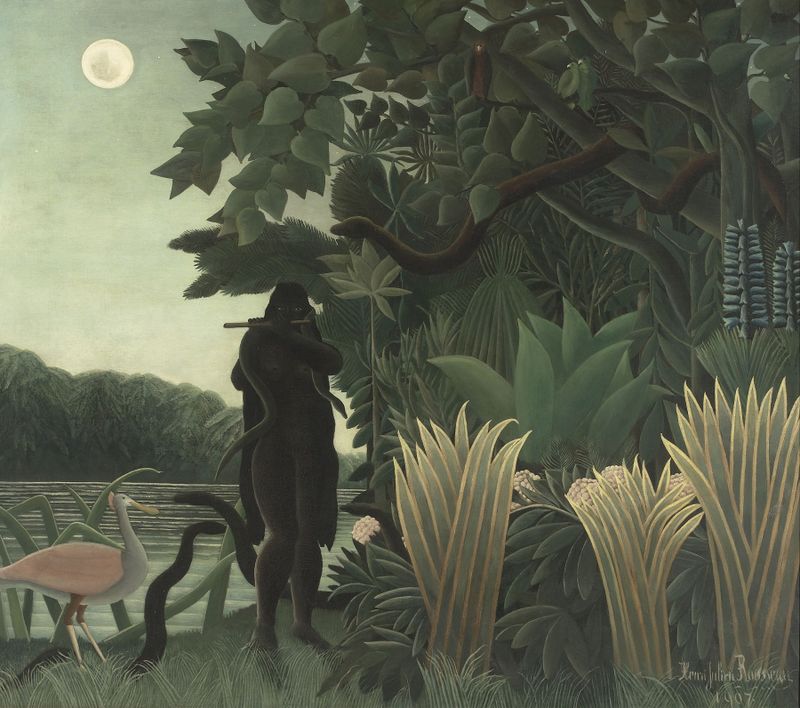
The Snake Charmer
Henri Rousseau
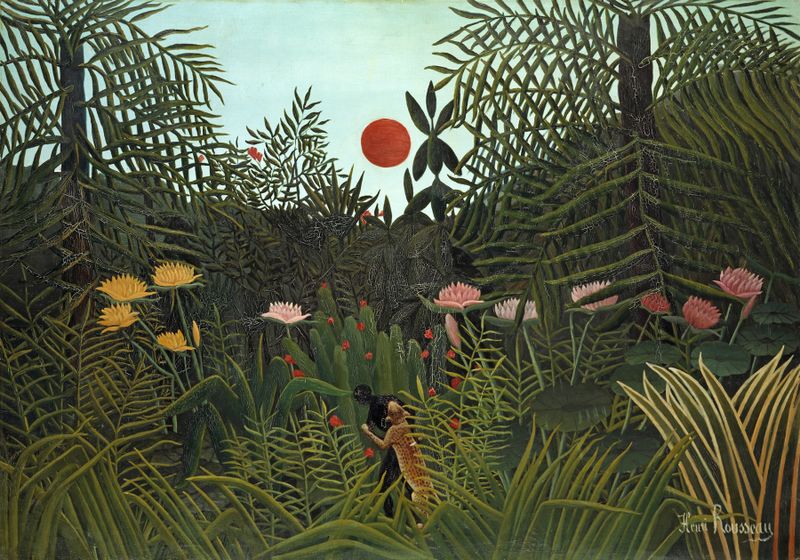
Jungle with Setting Sun
Henri Rousseau
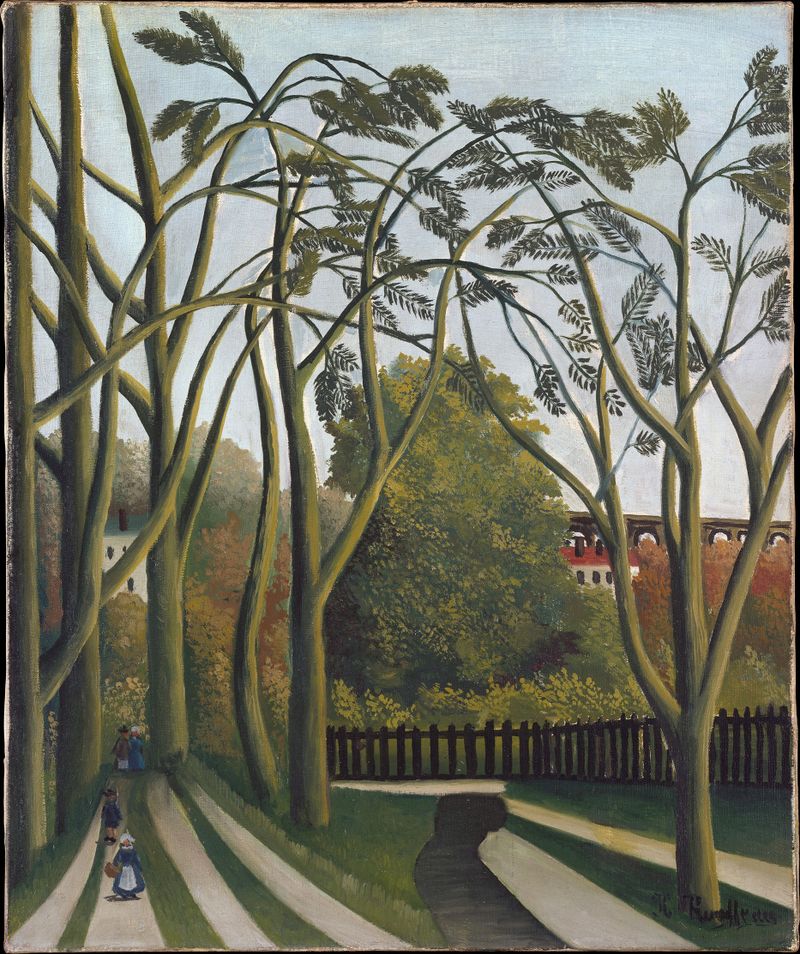
The Banks of the Bièvre near Bicêtre
Henri Rousseau
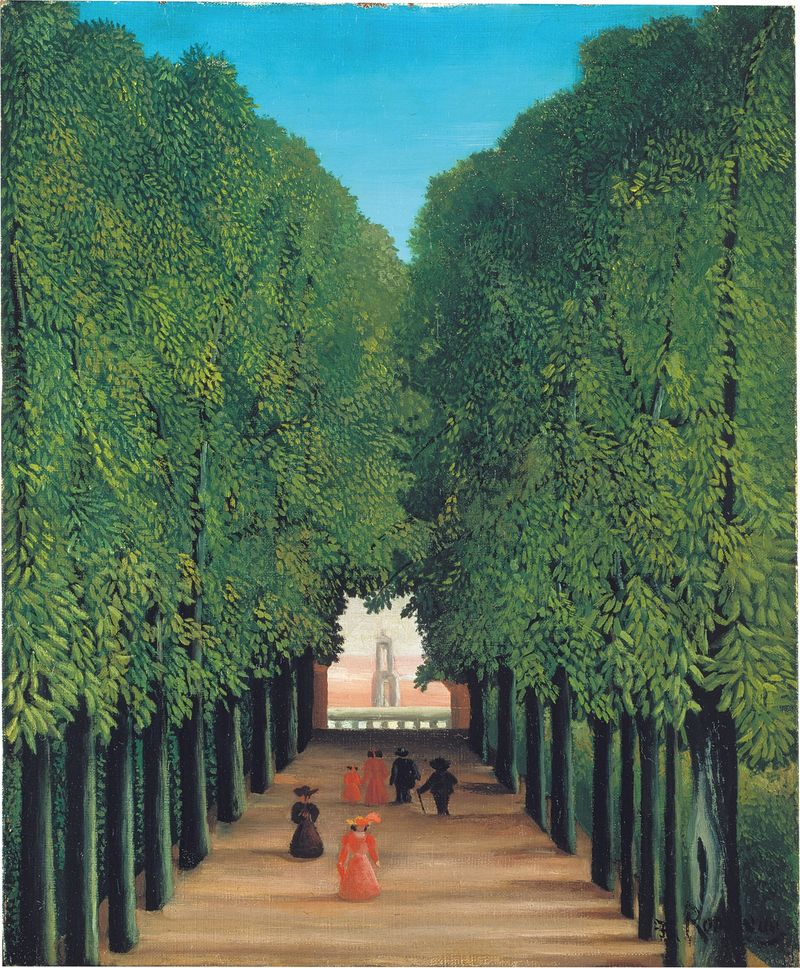
The Avenue in Saint-Cloud Park
Henri Rousseau

Sawmill, Outskirts of Paris
Henri Rousseau
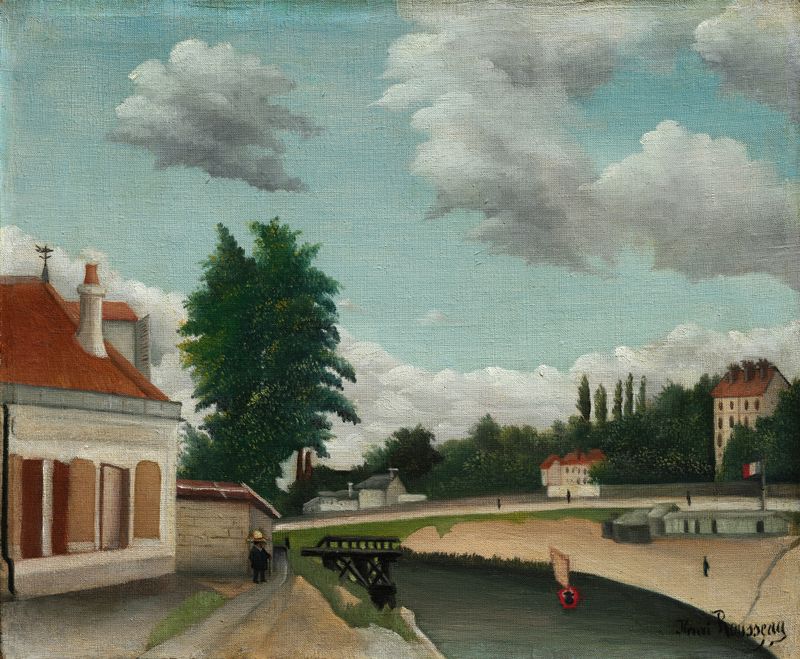
Outskirts of Paris
Henri Rousseau
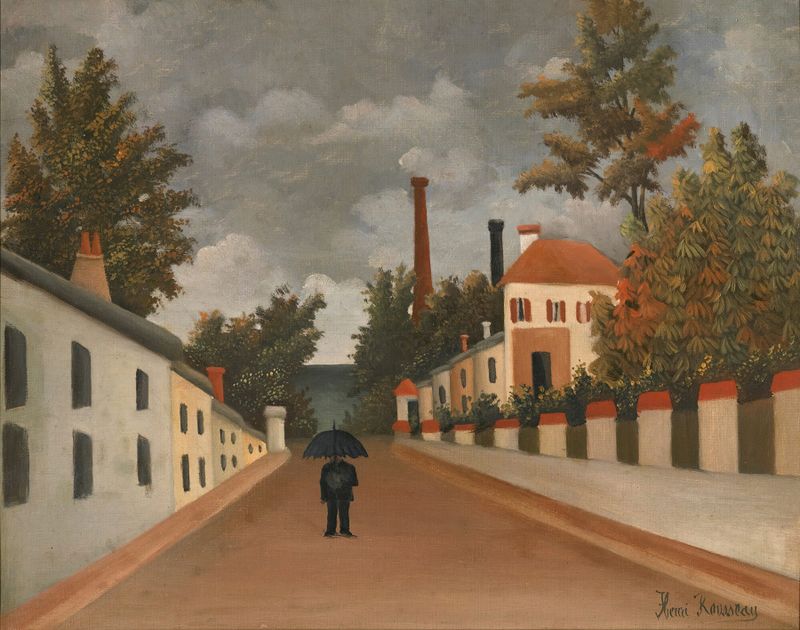
Vue Des Environs De Paris
Henri Rousseau
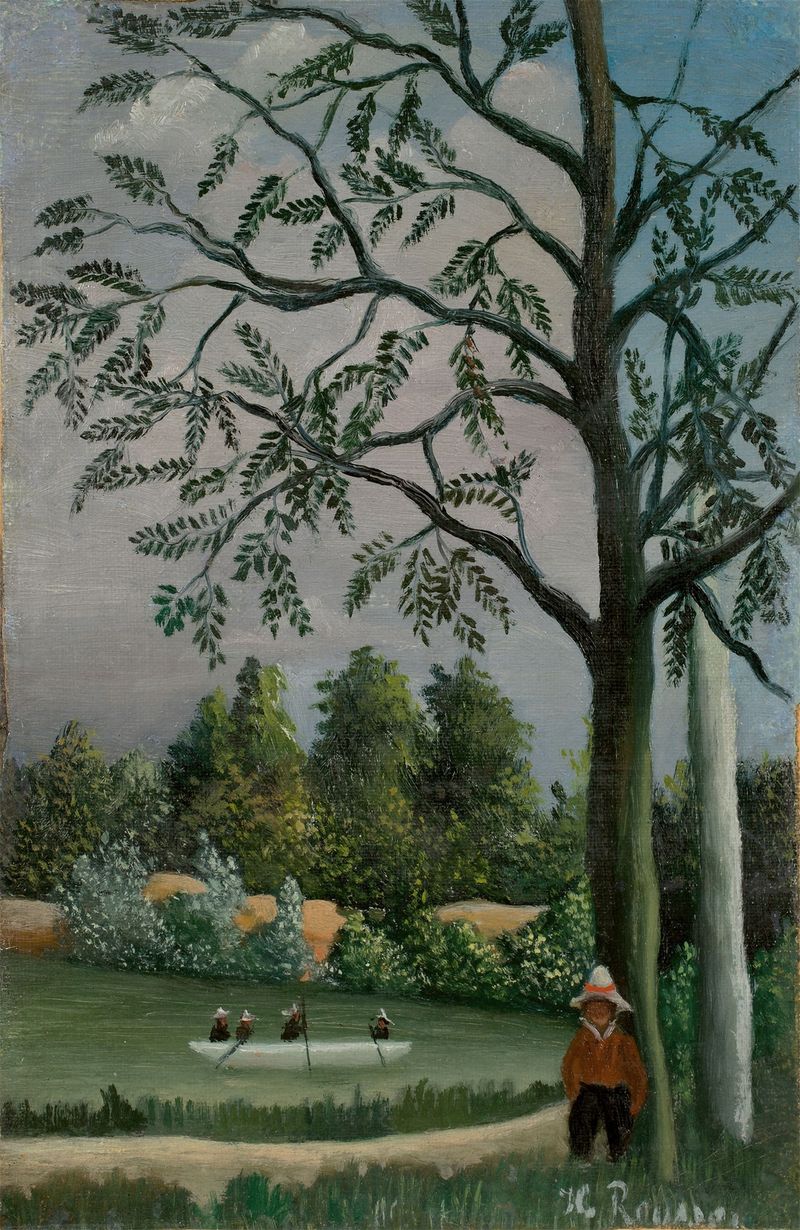
Paysage avec des pêcheurs
Henri Rousseau
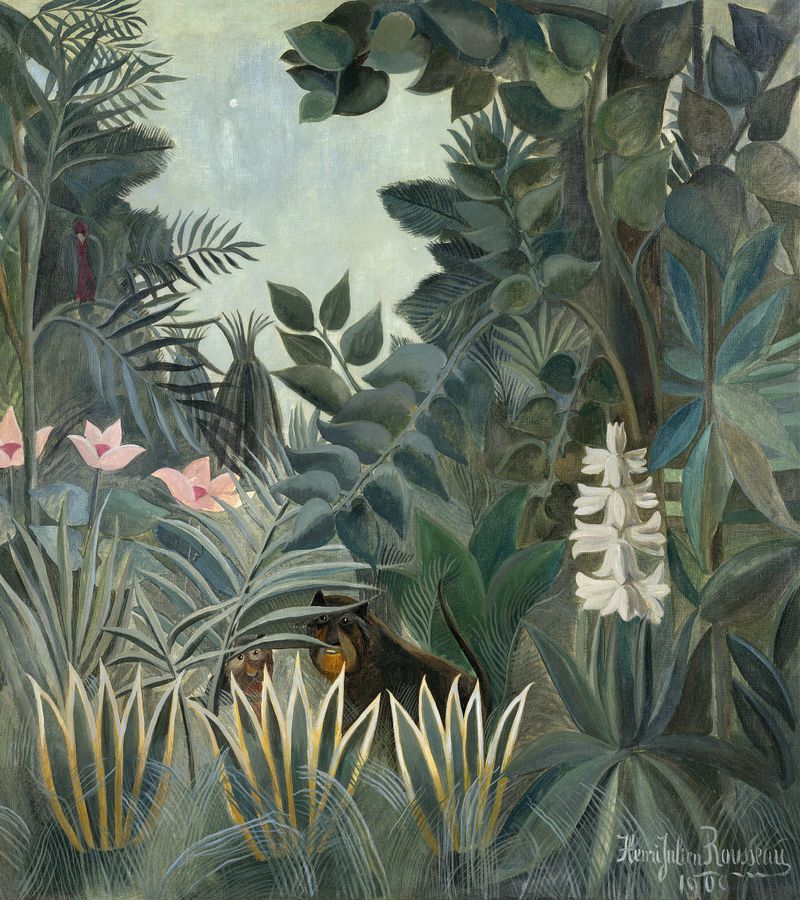
The Equatorial Jungle
Henri Rousseau
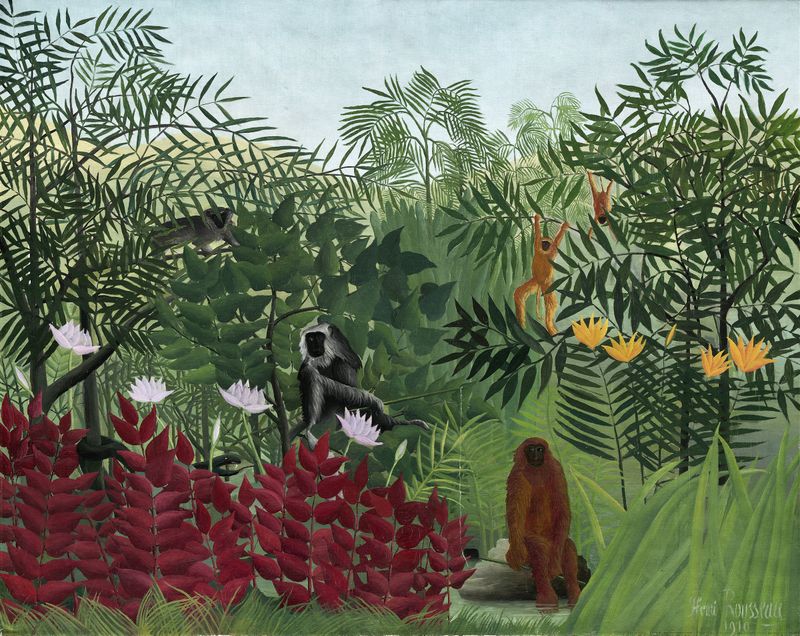
Tropical Forest with Monkeys
Henri Rousseau





