
The Snake Charmer — History & Facts
Can beauty exist without sorrow? In The Snake Charmer, the vibrant movement of life entwines with a whisper of unease, inviting us to ponder the complexities of nature and art. Look closely at the central figure, a young boy, poised with grace and confidence. His mesmerizing gaze is fixed on the shimmering snake that curls around him, contrasting the rich earth tones of his flesh against the verdant jungle backdrop. The deep greens, accented by splashes of golden sunlight filtering through the foliage, create a lush atmosphere while the boy’s stillness resonates with a palpable tension.
Notice the meticulous details in the snake’s scales and the foliage, where every brushstroke breathes life into the scene. The juxtaposition of innocence and danger serves as a poignant reminder that beauty often exists alongside fear. The snake, an agent of movement, appears fluid and alive, accentuating the boy's vulnerability despite his enchanting composure. The viewer is left to contemplate the connection between the two figures—how the boy's calm invites both admiration and apprehension, challenging us to perceive the duality of existence. In 1907, Rousseau, remaining largely self-taught, painted this work amidst a world burgeoning with modernity and artistic experimentation.
While often dismissed by contemporaries, he was gathering inspiration from the vibrant cultures of the tropics, blending them with his unique, dream-like visions. This piece reflects his desire to escape into a fantastical realm, capturing the tension between civilization and the wild, a theme distinctive to his oeuvre.
More Artworks by Henri Rousseau
Browse all →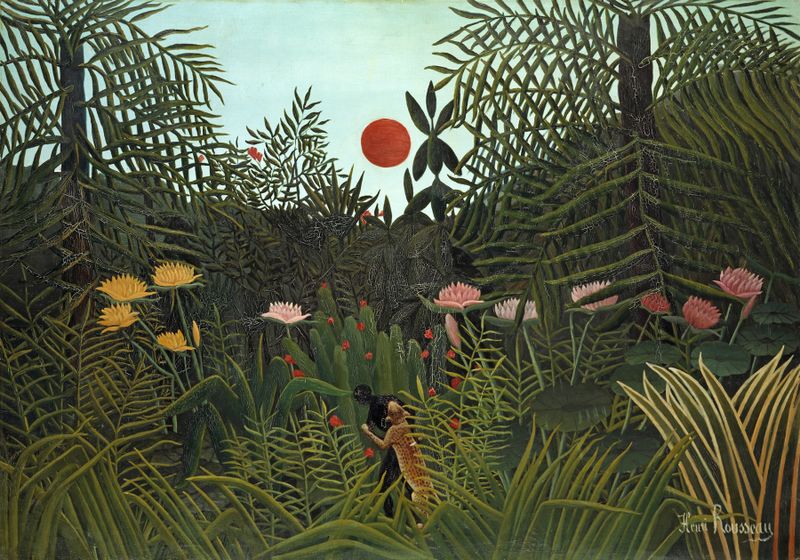
Jungle with Setting Sun
Henri Rousseau
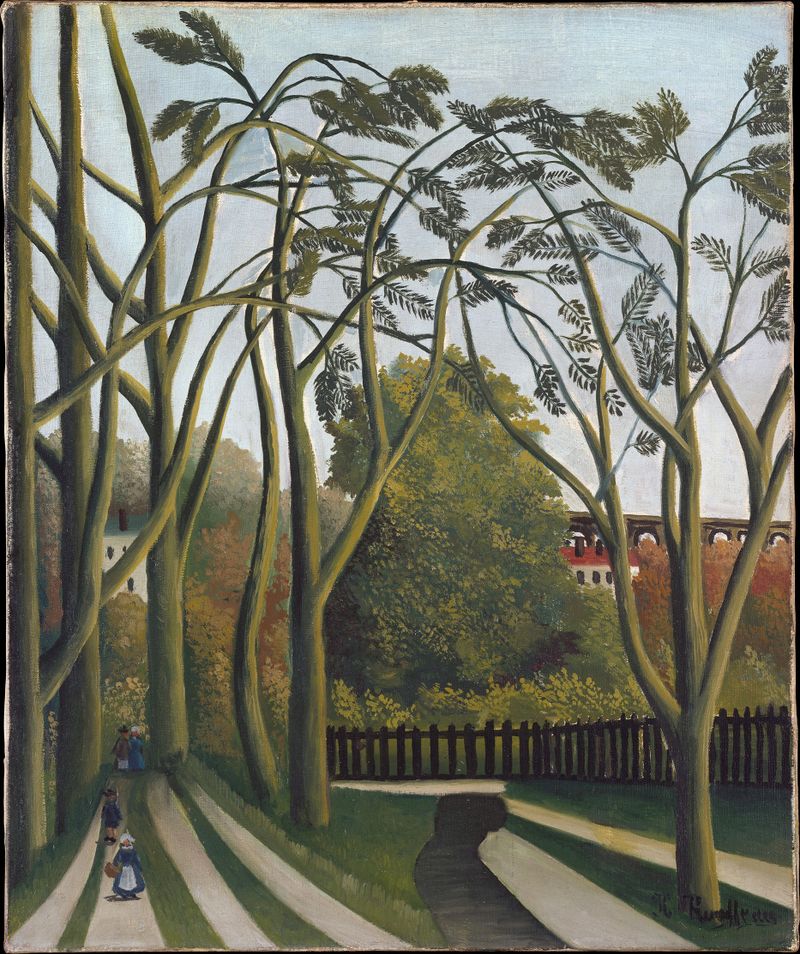
The Banks of the Bièvre near Bicêtre
Henri Rousseau
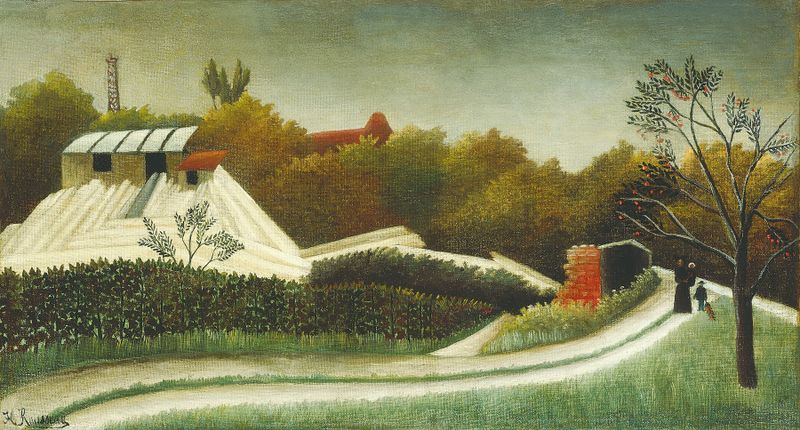
Sawmill, Outskirts of Paris
Henri Rousseau
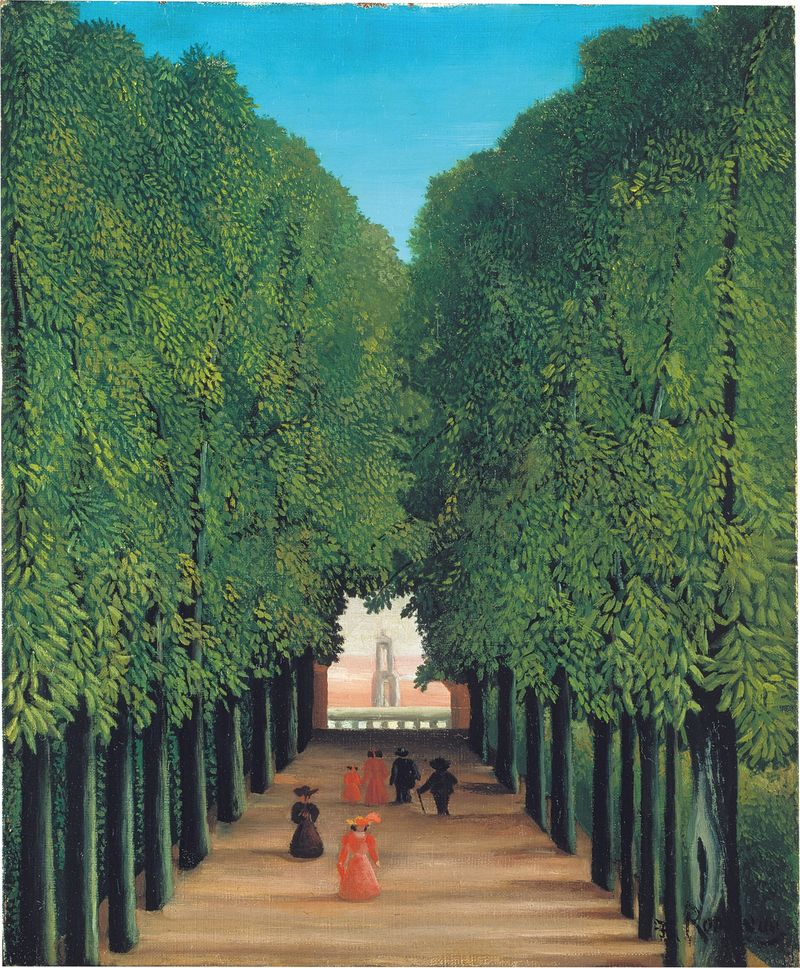
The Avenue in Saint-Cloud Park
Henri Rousseau

Sawmill, Outskirts of Paris
Henri Rousseau
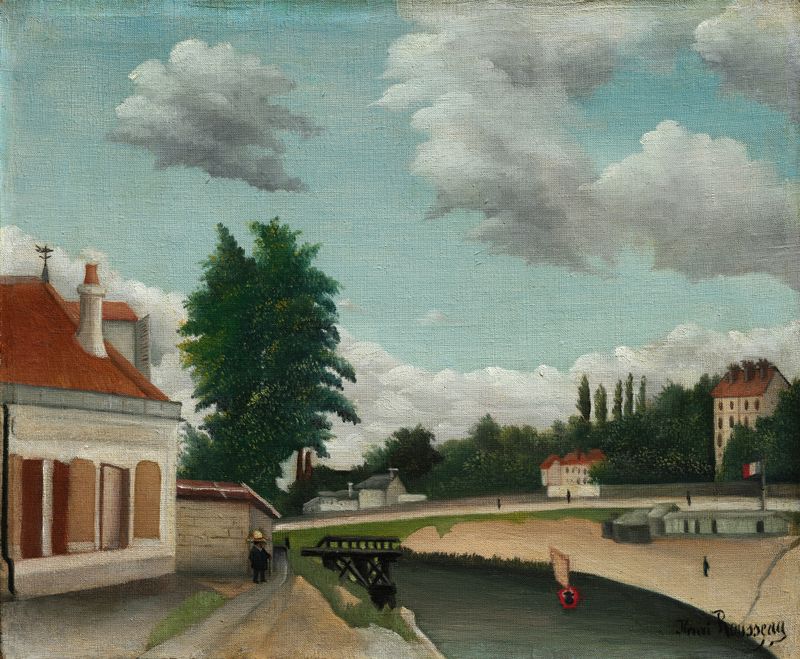
Outskirts of Paris
Henri Rousseau
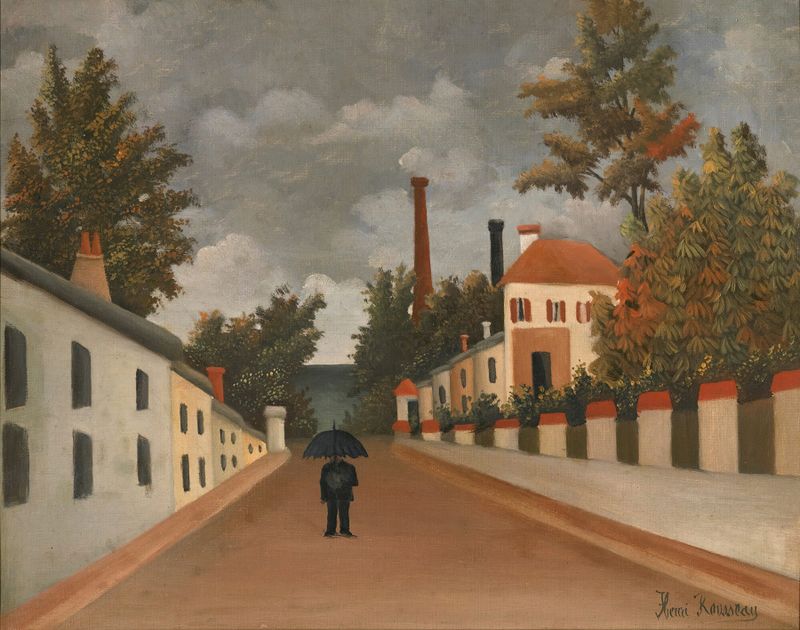
Vue Des Environs De Paris
Henri Rousseau
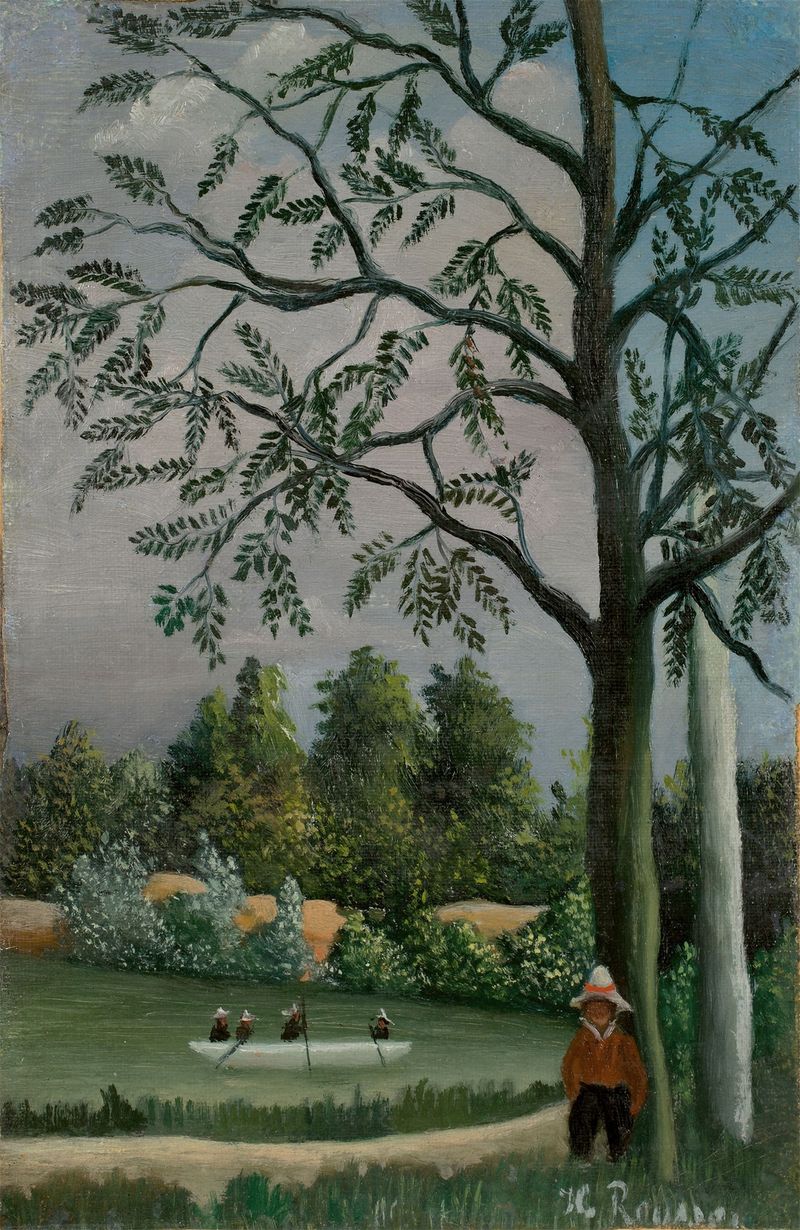
Paysage avec des pêcheurs
Henri Rousseau
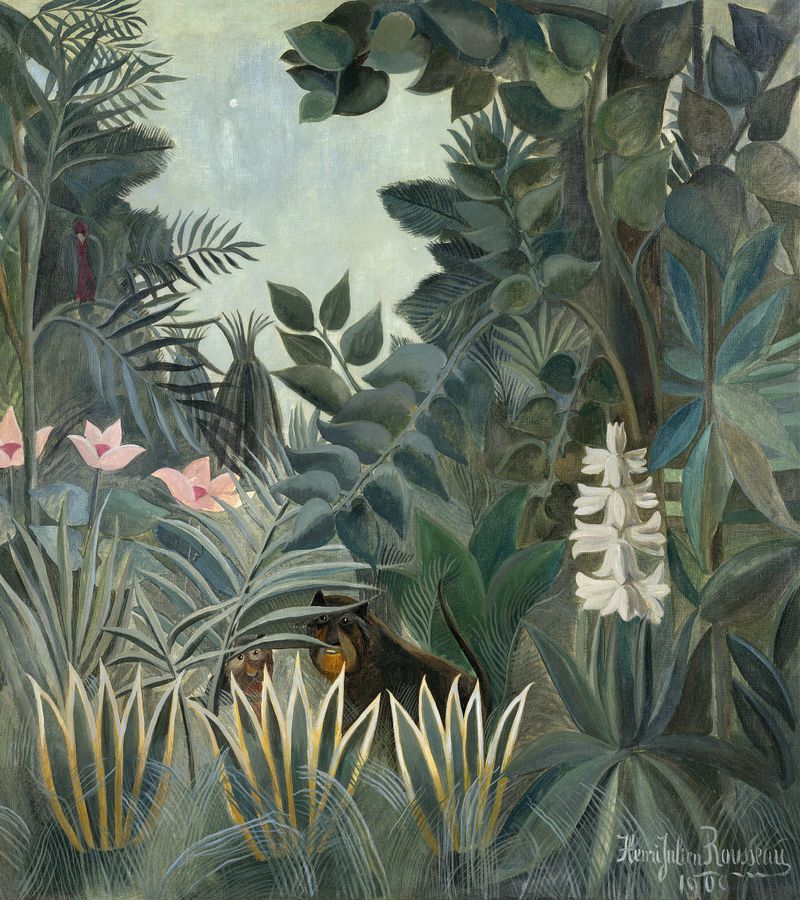
The Equatorial Jungle
Henri Rousseau
Tropical Forest with Monkeys
Henri Rousseau





