
The Banks of the Bièvre near Bicêtre — History & Facts
In the depths of nature's heart, where stillness reigns and the rustle of leaves whispers secrets, lies a tranquil void that invites reflection. A delicate balance between wildness and serenity unfolds in this verdant embrace, suggesting an unseen journey or an essence waiting to emerge. First, look to the left, where the lush green foliage unfurls, vibrant strokes of color intertwining to create a tapestry of life. Notice how the light dances through the trees, casting dappled shadows on the water’s surface, alive with shimmering reflections.
The painter employs a blend of rich greens and soft blues, establishing a harmonious yet chaotic landscape that draws the viewer's eye into its tranquil depths. Peering deeper, one can sense the emotional undercurrents within the composition. The seeming void at the edge of the scene evokes a poignant stillness, hinting at nature's mystery and the unknown. The contrast between the vivid flora and the quiet, almost empty water's edge invites contemplation on the balance between abundance and desolation, hinting at life’s dualities.
It speaks to a moment suspended in time, a fragile equilibrium that beckons us to delve into its layers. During the years 1908 to 1909, Rousseau painted this work while living in Paris, amidst a surge of interest in modern art. He was an outsider—his style often deemed naive yet undeniably expressive. It was a time when the art world was beginning to embrace abstraction, and Rousseau's unique vision contributed to the evolving discourse, allowing him to create a distinctive voice that resonated through his vibrant landscapes.
More Artworks by Henri Rousseau
Browse all →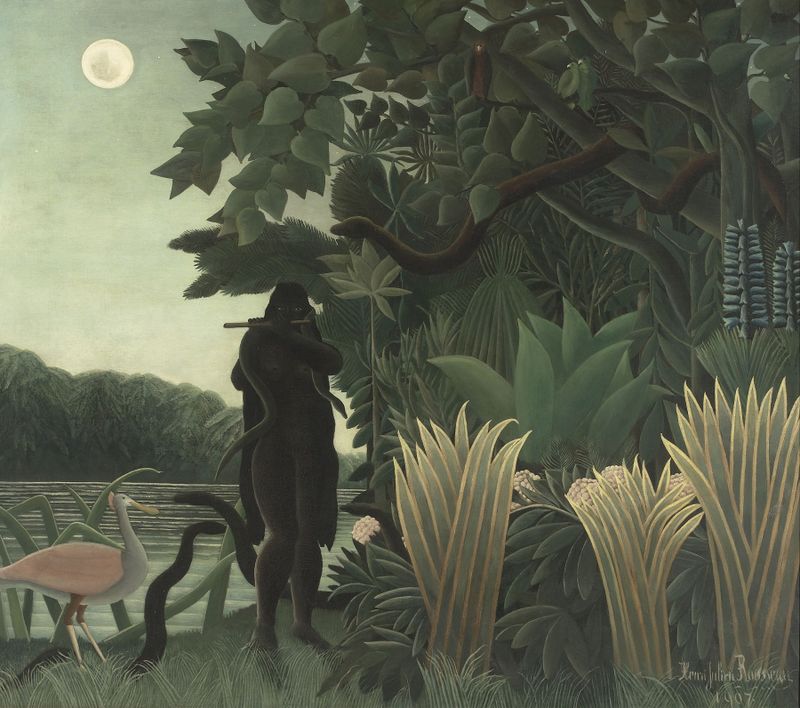
The Snake Charmer
Henri Rousseau
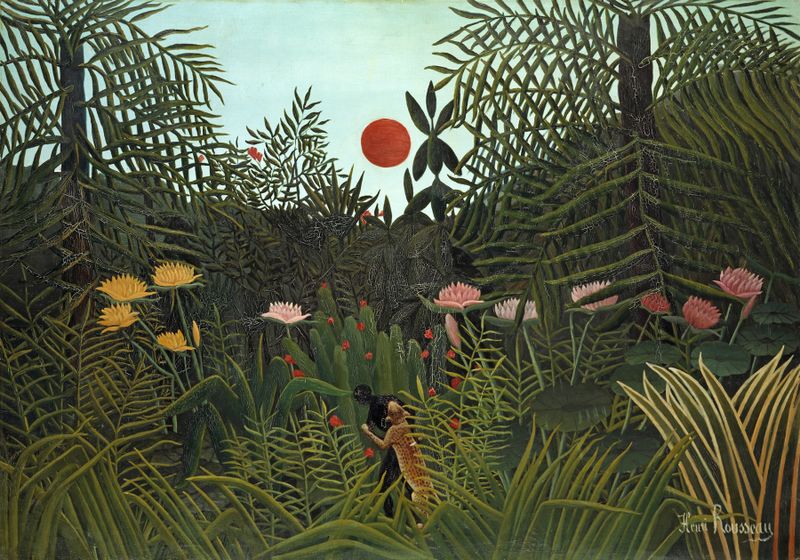
Jungle with Setting Sun
Henri Rousseau
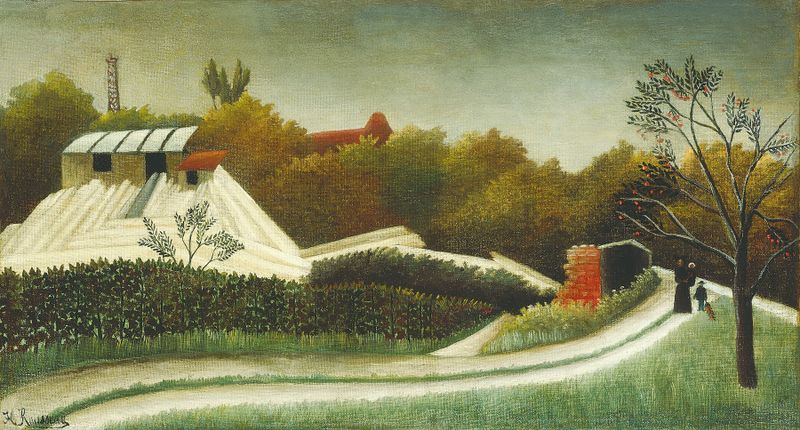
Sawmill, Outskirts of Paris
Henri Rousseau
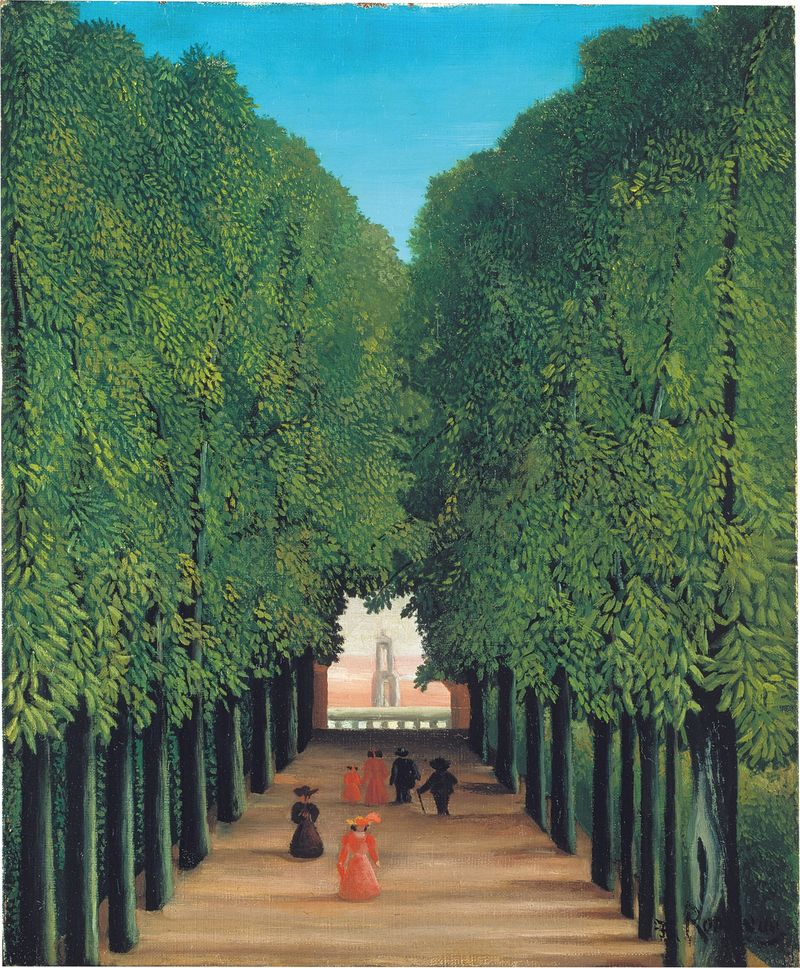
The Avenue in Saint-Cloud Park
Henri Rousseau

Sawmill, Outskirts of Paris
Henri Rousseau
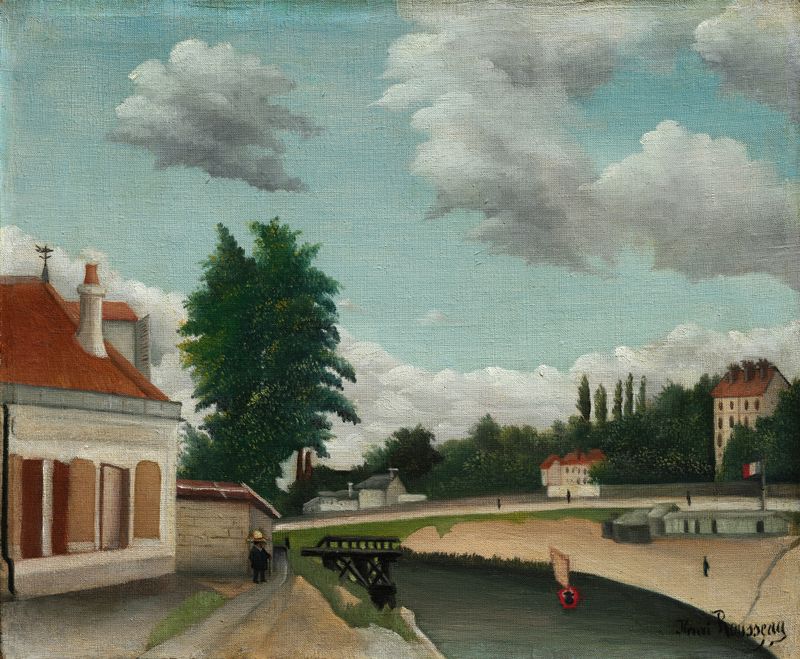
Outskirts of Paris
Henri Rousseau
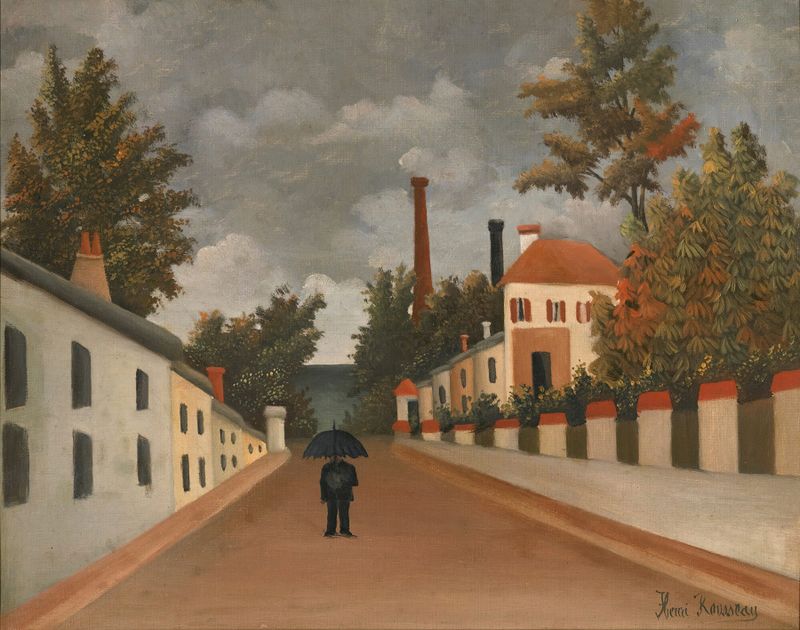
Vue Des Environs De Paris
Henri Rousseau
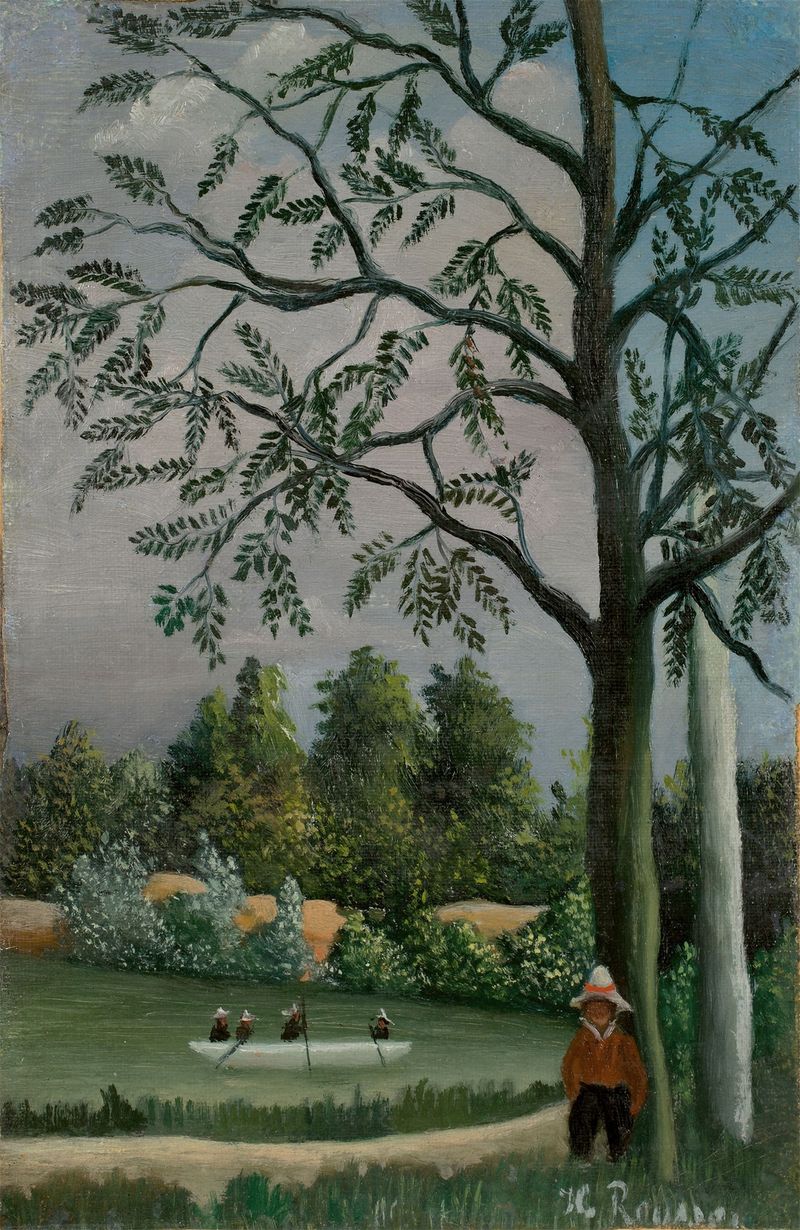
Paysage avec des pêcheurs
Henri Rousseau
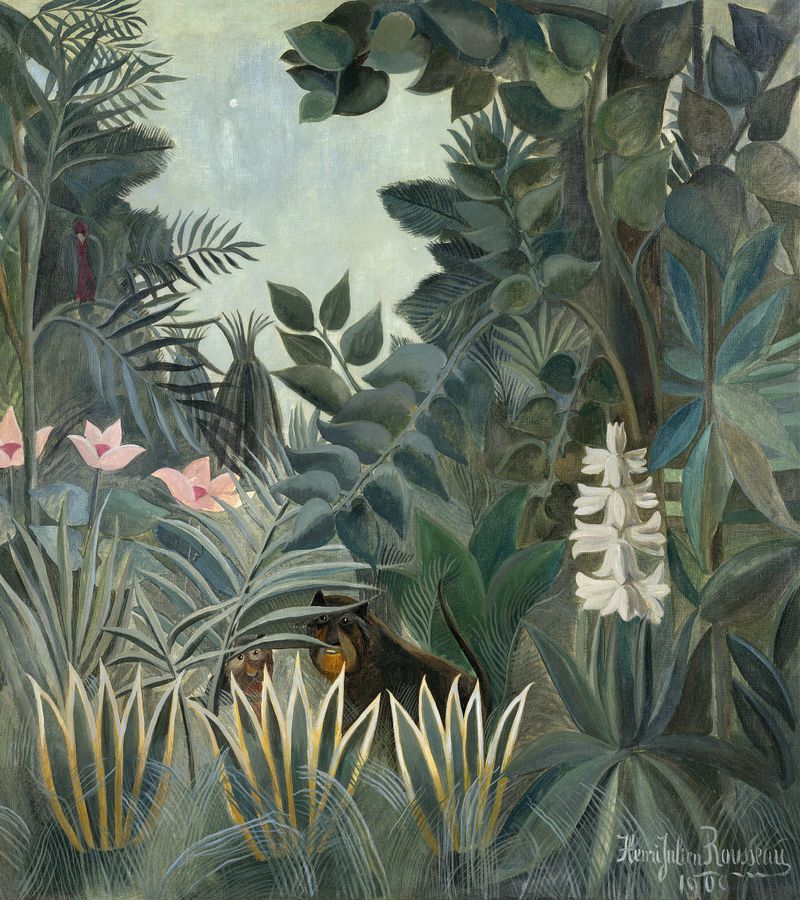
The Equatorial Jungle
Henri Rousseau
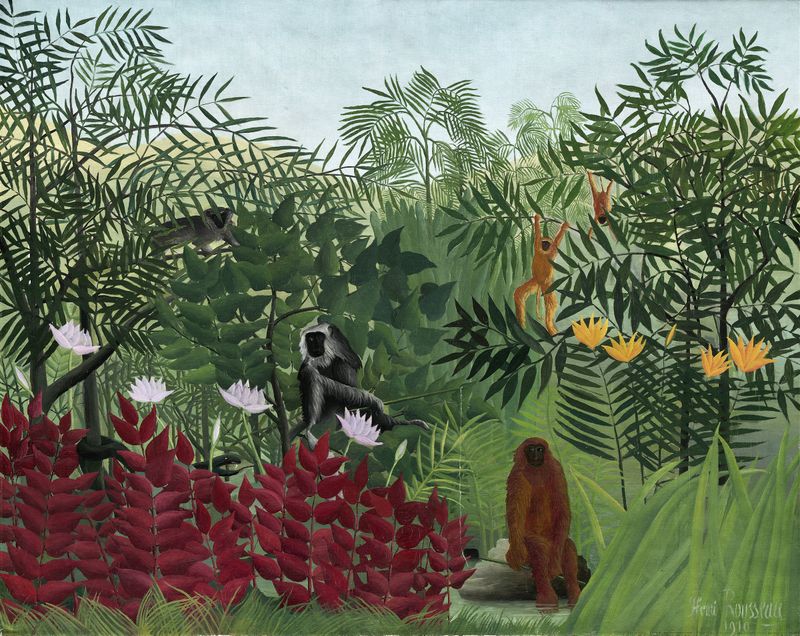
Tropical Forest with Monkeys
Henri Rousseau





