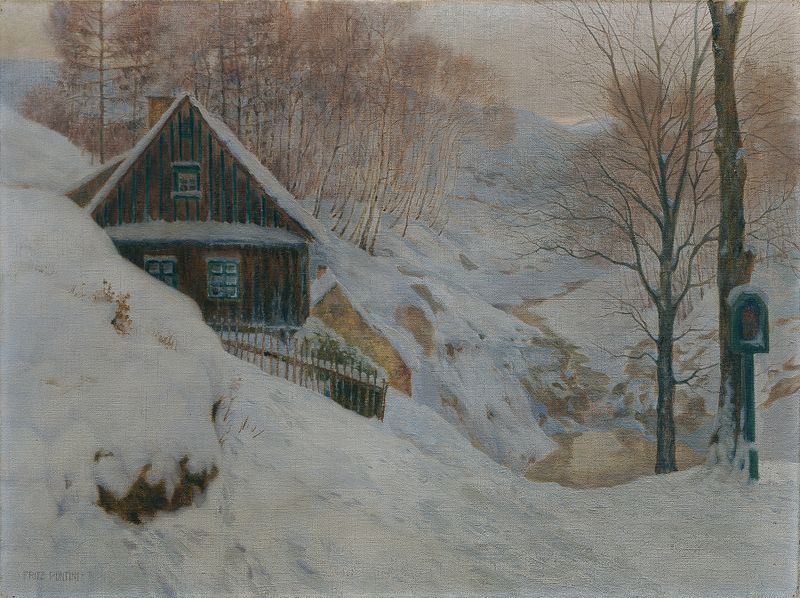
Scene of a Farmhouse Garden — History & Facts
The sun hangs low, casting a warm golden hue over the quaint farmhouse nestled amidst a riot of colorful blooms. A gentle breeze stirs the leaves, whispering secrets of the day as a farmer kneels, hands deep in rich soil, planting seeds for tomorrow's bounty. Birds flit overhead, their melodies intertwining with the distant hum of bees, creating a symphony that celebrates the quiet labor of life. Look to the right at the vibrant tapestry of flowers bursting with color, each petal meticulously painted to draw the eye and evoke the fragrance of springtime.
Notice how the light falls upon the farmhouse, illuminating its rustic charm and creating soft shadows that dance across the garden. The artist employs a delicate palette of greens and earth tones, harmonizing the natural world with the human touch, inviting the viewer to explore the relationship between cultivation and nurturing. Among the blossoms, there lies a deeper narrative of time and patience. The act of planting symbolizes hope, as the farmer's toil is a silent testament to the cycles of life and the promise of renewal.
The interplay of light and shadow suggests the passage of seasons; while the present moment captures an idyllic serenity, it also hints at the inevitable changes time brings, from flourishing growth to eventual decay. Fritz Pontini created this evocative piece during a period in which he sought to connect everyday scenes with the profound beauty of nature. The exact date remains unknown, but his work reflects a growing interest in pastoral themes prevalent in the early 20th century. At that time, many artists were turning their focus towards the simple joys of rural life, capturing fleeting moments that resonate with timeless significance.