
Schiffer bei einem eingefrorenen Schiffe — History & Facts
What if silence could speak through light? In Schiffer bei einem eingefrorenen Schiffe, the interplay between illumination and shadow captures the essence of betrayal—an unspoken tension cloaked beneath the surface. Look to the center of the canvas, where a ship, frozen in the icy grip of nature, looms large against the bleakness of winter. The stark whites and deep blues create a chilling contrast, while soft light breathes life into the scene, reflecting off the ice and illuminating the figures. Notice how the sailors, caught between work and despair, cast forlorn gazes at their immobilized vessel, their body language steeped in resignation and uncertainty.
The composition cleverly draws our eyes toward the ship’s bow, suggesting an untold story fraught with loss. Delve deeper into the emotional currents at play; the ship serves as a metaphor for ambitions stalled by the harshness of fate. Each sailor's expression tells a tale of betrayal—not only by the unforgiving weather but also by their own dreams. The ice, as much a character in this narrative, seems to conspire against them, encapsulating their hopes in a crystalline prison.
The coldness of the environment mirrors the emotional chill, inviting contemplation of a world where dreams can freeze, leaving aspirations unfulfilled. Achenbach created this work between 1836 and 1837, during a period when he was deeply engaged with the natural world and its transient beauty. Living in Düsseldorf, he witnessed the Romantic movement’s embrace of emotion and nature, which profoundly influenced his vision. It was a time when artists explored the fragility of human existence against the vastness of the landscape, and this painting stands as a testament to that artistic dialogue.
More Artworks by Andreas Achenbach
Browse all →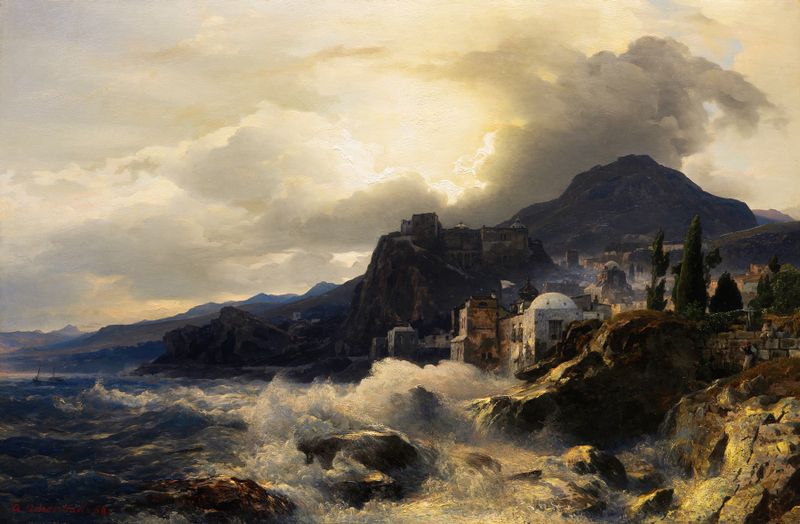
Abendstimmung an der griechischen Küste
Andreas Achenbach

Fischerboote bei stürmischer See
Andreas Achenbach

Segelschiffe an einer stürmischen Küste
Andreas Achenbach
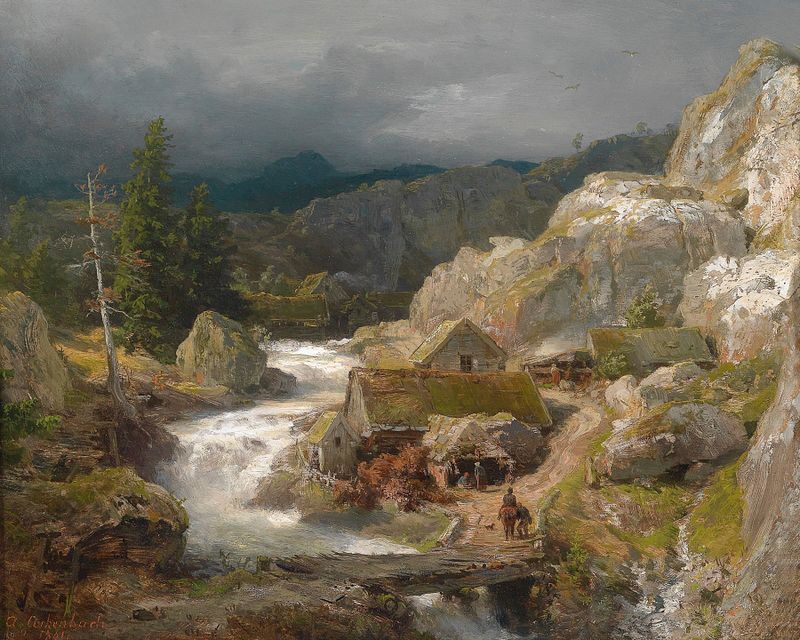
Mühle am Gebirgsbach
Andreas Achenbach

Stürmische Brandung an der Mole
Andreas Achenbach

Küstenlandschaft mit Fischern und Segelschiffen in der Ferne
Andreas Achenbach
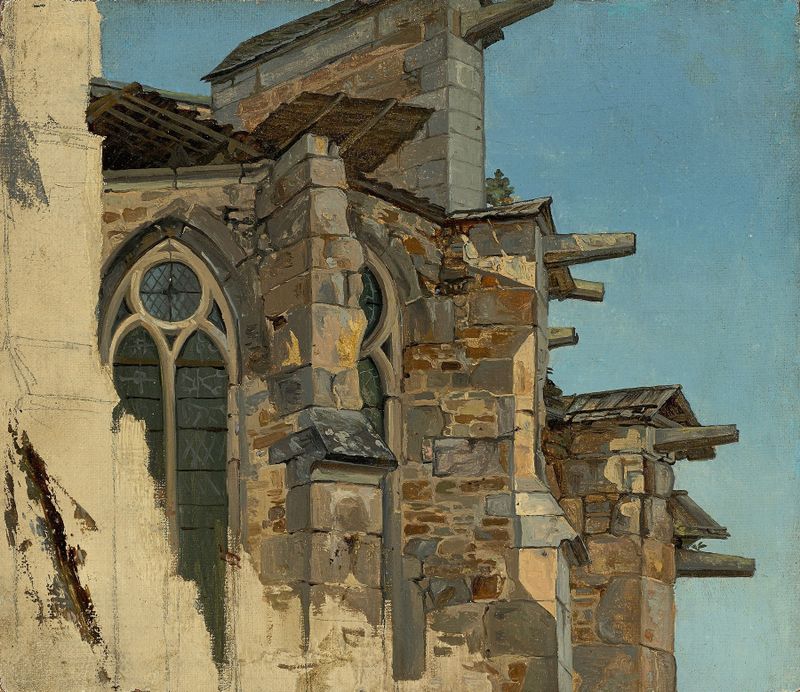
Der Altenberger Dom
Andreas Achenbach
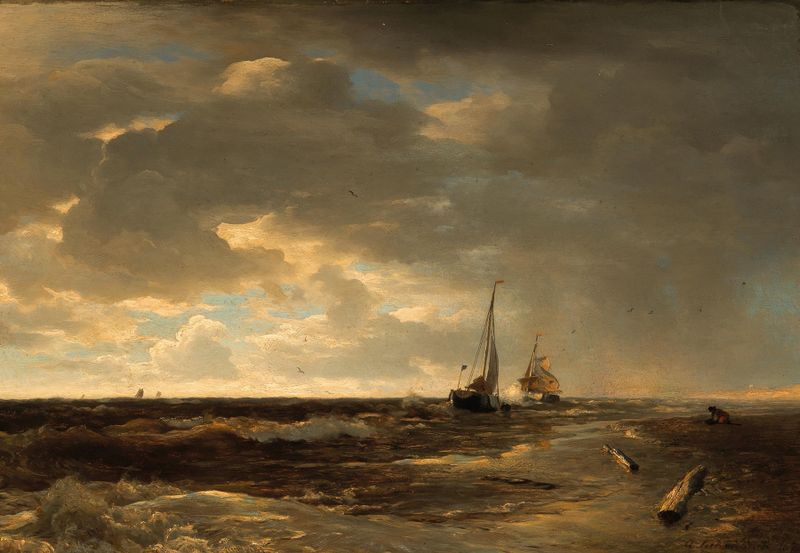
Fishing Boats on a Choppy Sea
Andreas Achenbach

Storm at Sea off the Norwegian Coast
Andreas Achenbach
At the Baltic coast
Andreas Achenbach





