
Schmecrenburgh on South Harbour, Spitzbergen — History & Facts
In the shadows of history, decay whispers secrets of time, reminding us of the fragility of existence. Focus first on the rotting docks, where wooden beams splinter like the passage of years. The muted palette, dominated by greys and browns, conjures an atmosphere of forlorn beauty. Notice how the brushstrokes convey the texture of time-gnawed surfaces, evoking both nostalgia and desolation.
The stillness of the water, reflecting the sky’s somber hues, serves as a mirror for the lost vibrancy of life once bustling at this harbor. Within the subtle layers of the painting lies a complex narrative of decline and remembrance. The juxtaposition of the decaying structures against the serene water hints at the conflict between nature’s inexorable march and the remnants of human endeavor. Each element tells a tale: the rusting metal, the crumbling wood, and the empty space where life once thrived evoke a poignant sense of loss intertwined with the beauty of what remains. Charles Hamilton Smith, likely painting this work in the early 19th century, captured the haunting essence of a world on the edge of disappearance.
Living in an era of great exploration, he often focused on the landscapes and curiosities of remote regions. This piece reflects not only his interest in the polar landscapes of Spitzbergen but also the collective melancholy felt as societies grappled with change, decay, and the passage of time.
More Artworks by Charles Hamilton Smith
Browse all →
Situation of H.M.S. Hecla & Griper
Charles Hamilton Smith
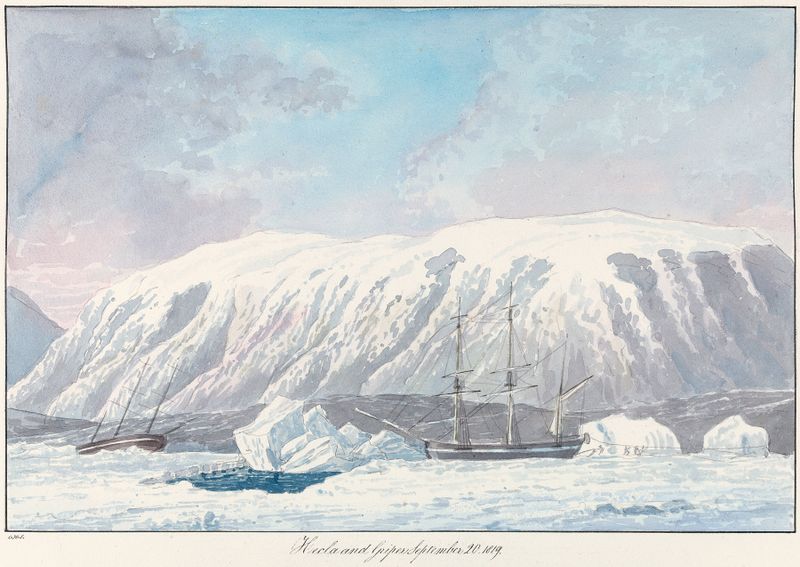
Hecla and Griper
Charles Hamilton Smith

Friendly Cove, Nootka Sound
Charles Hamilton Smith

Iceberg in Baffin’s Bay
Charles Hamilton Smith
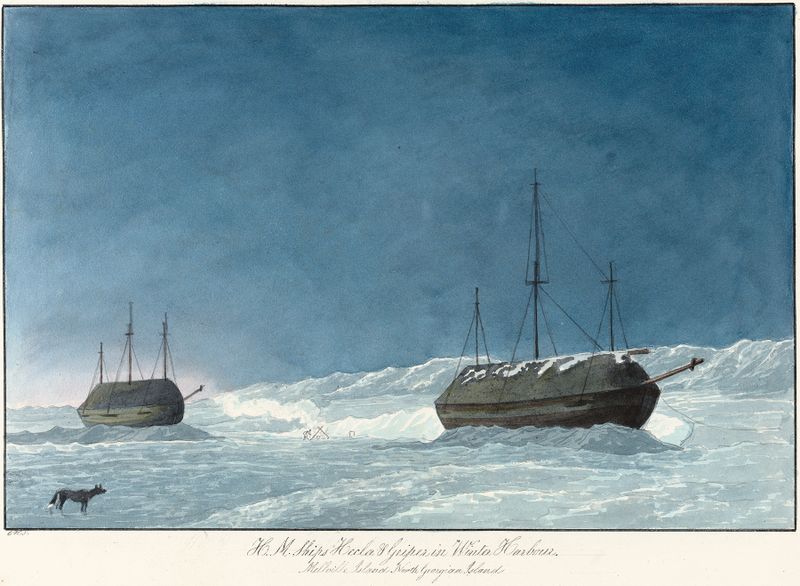
H. M. Ships Hecla and Griper in Winter Harbour
Charles Hamilton Smith

The Erebus & Terror in a Gale in the Pack of the Ice
Charles Hamilton Smith
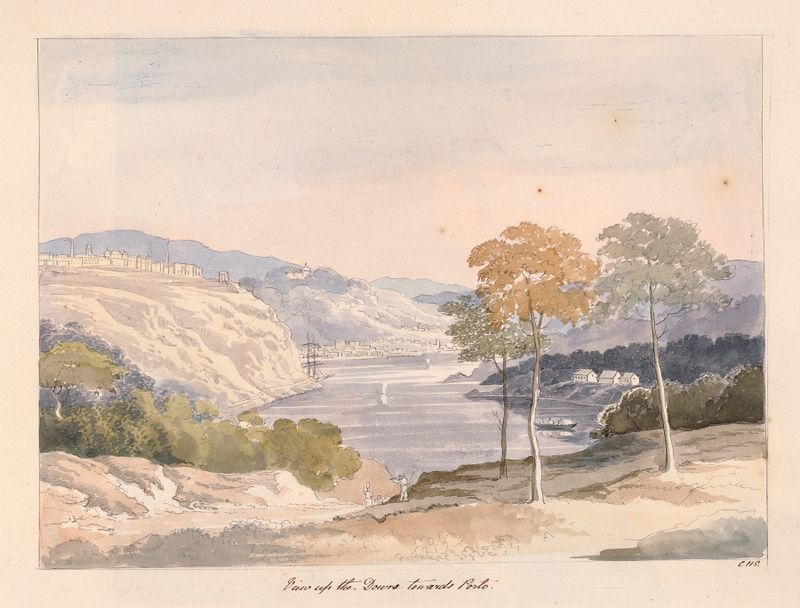
View of the Douro towards Porto
Charles Hamilton Smith
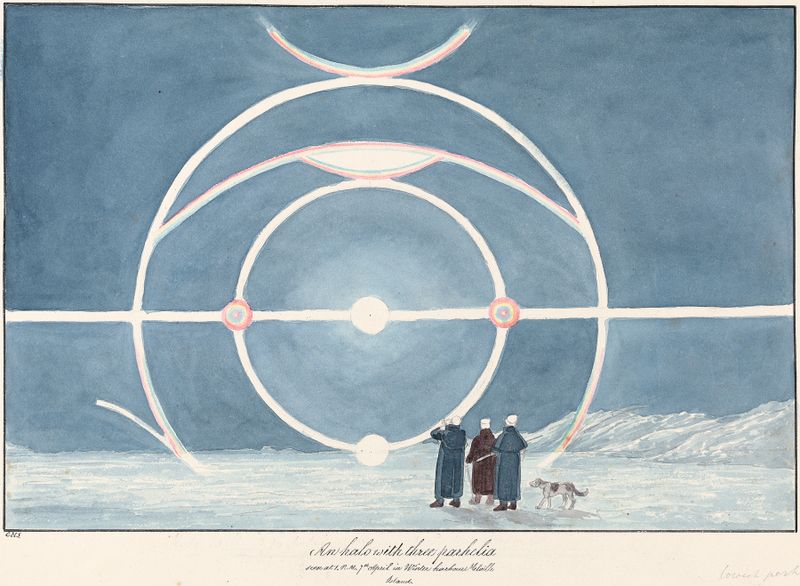
Halo with Three Parhelia, Winter Harbour Melville Island
Charles Hamilton Smith
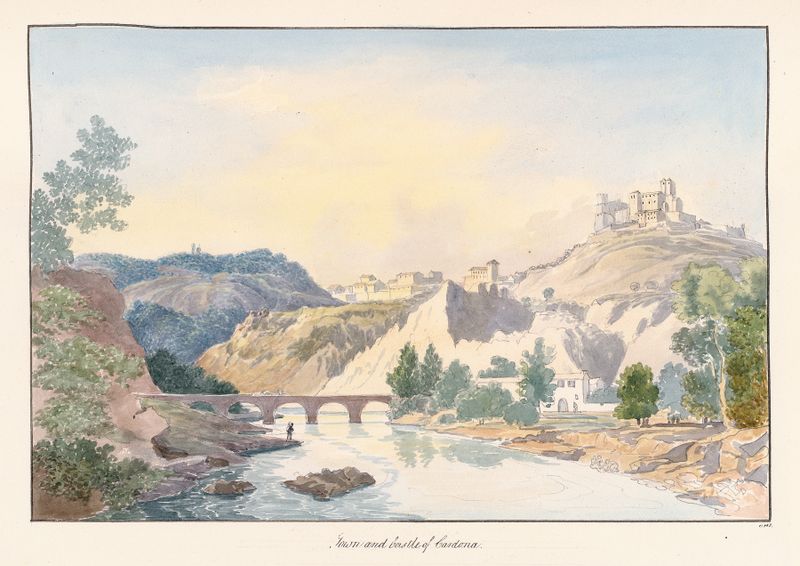
Town and Castle of Cardona
Charles Hamilton Smith
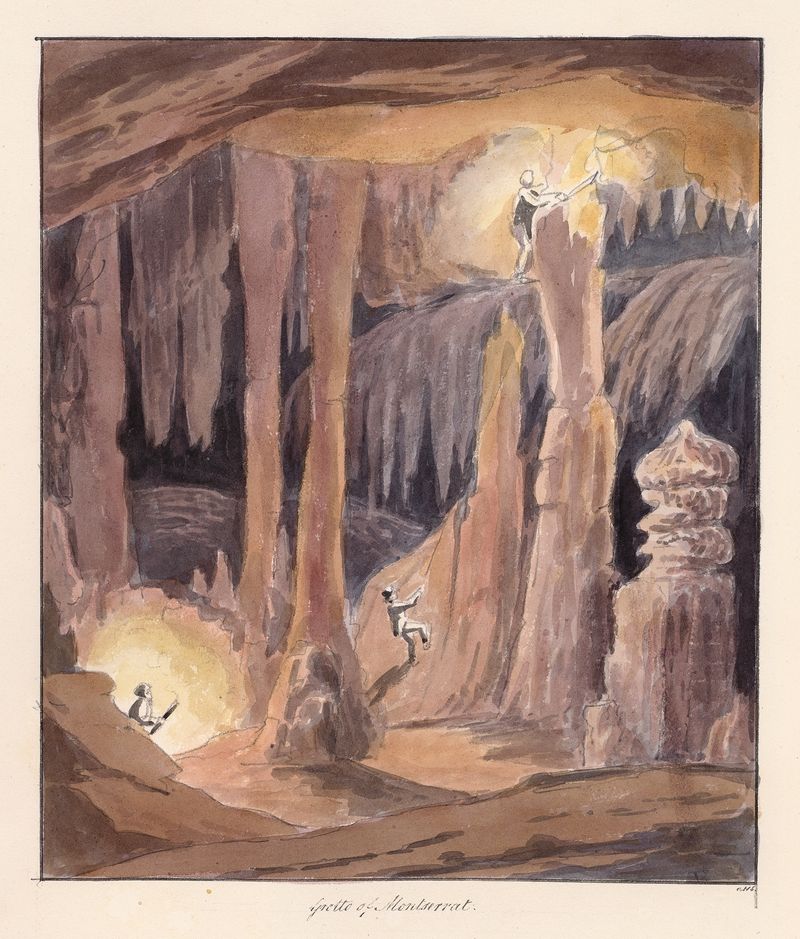
Grotto of Montserrat
Charles Hamilton Smith





