Schneeschmelze — History & Facts
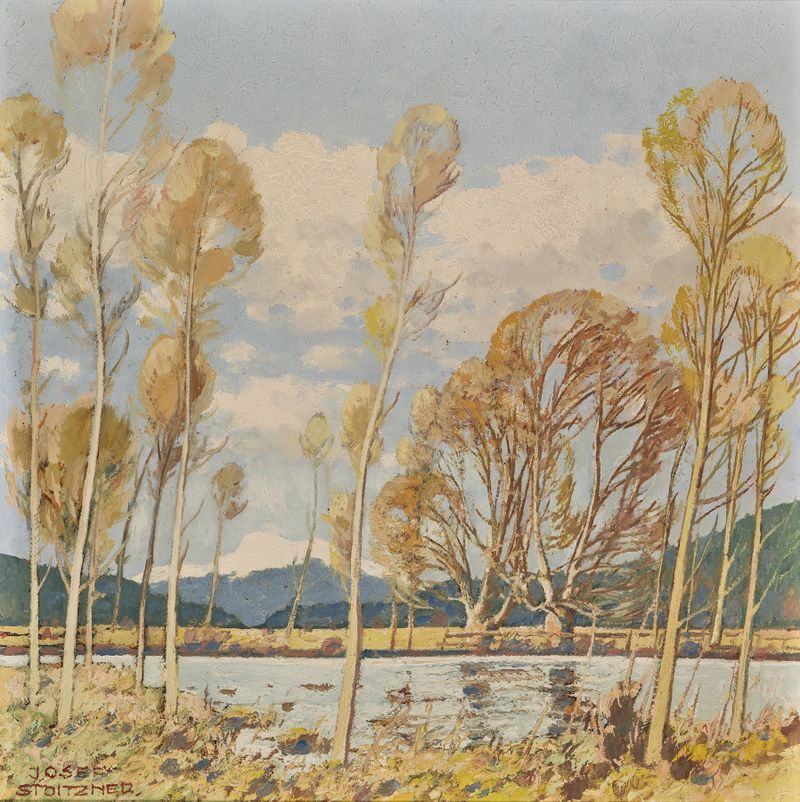
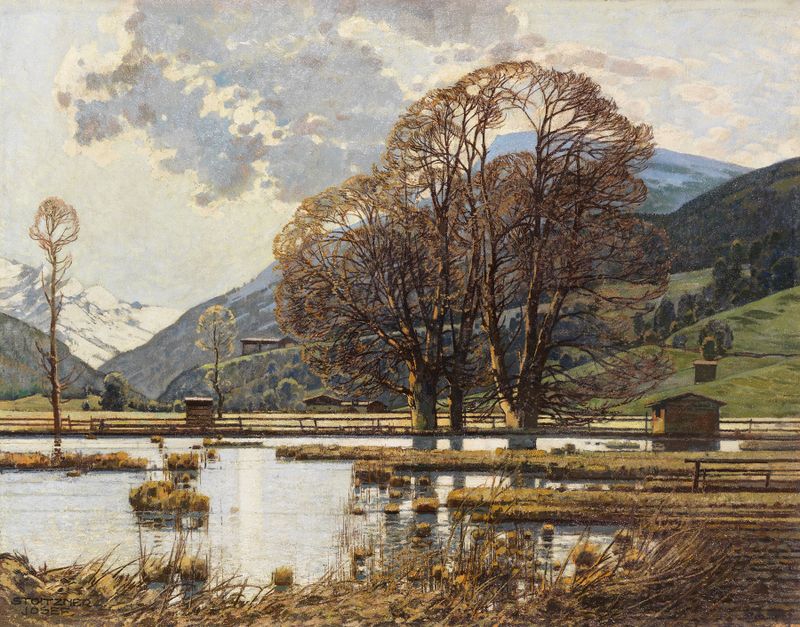
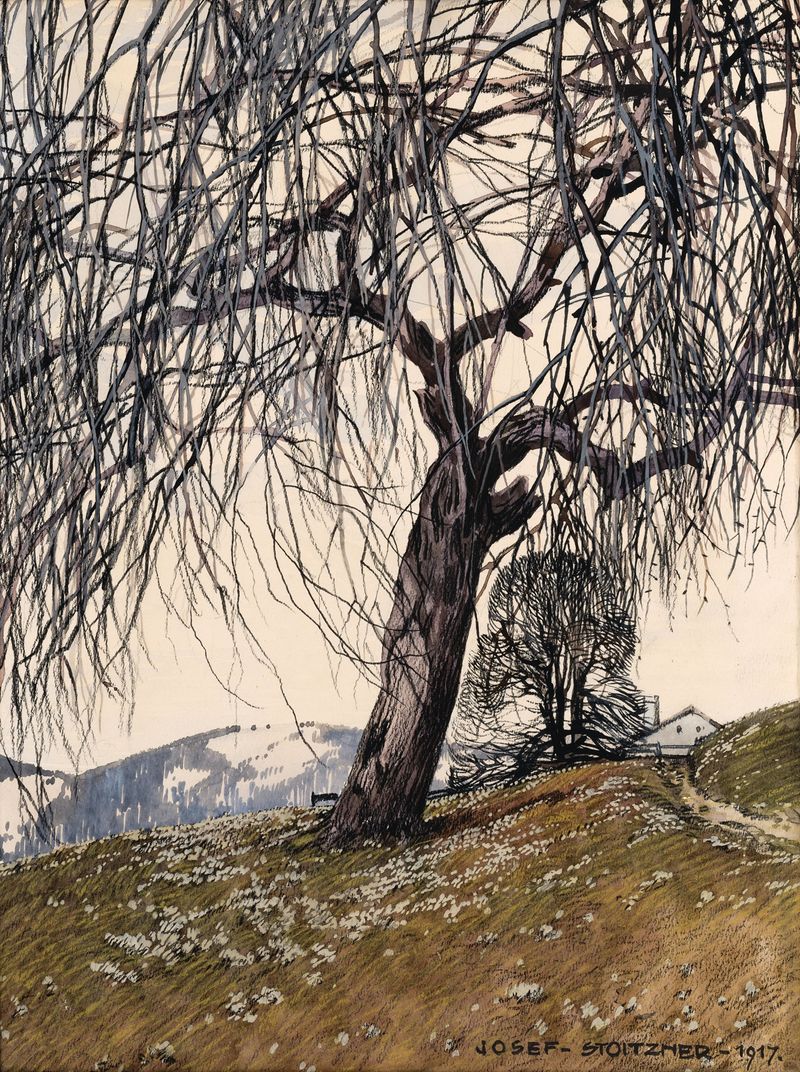
Is this a mirror — or a memory? In the delicate interplay of light and shadow, Schneeschmelze invites us to ponder the liminal space between reality and reflection, where transformation unfolds with each passing moment. Focus on the center, where the melting snow reveals hints of green, a whisper of rebirth against a desolate backdrop. Notice how the artist uses soft pastels to evoke the gentle touch of spring, juxtaposed against the stark browns and whites of winter. The composition draws the eye in a circular rhythm, leading us to explore the transition from the cold, lifeless snow to the vibrant life waiting to emerge beneath its surface. The painting is steeped in emotional tension — a battle between the frozen past and the warmth of impending renewal.
Subtle details, like the faint outline of bare branches reaching skyward, hint at hope and resilience. The juxtaposition of icy stillness with burgeoning life encapsulates a profound understanding of nature's cycles, while also echoing humanity’s own journey through despair and revival. Created in 1920, Schneeschmelze reflects the artist's response to the tumultuous aftermath of World War I, a period that marked both personal and collective transformation. Stoitzner, working in Austria during a time of social upheaval, sought to capture the essence of change and rebirth in a world that felt irrevocably altered.
This piece not only captures a moment in nature but also serves as a poignant metaphor for healing and renewal.