Interieur — History & Facts
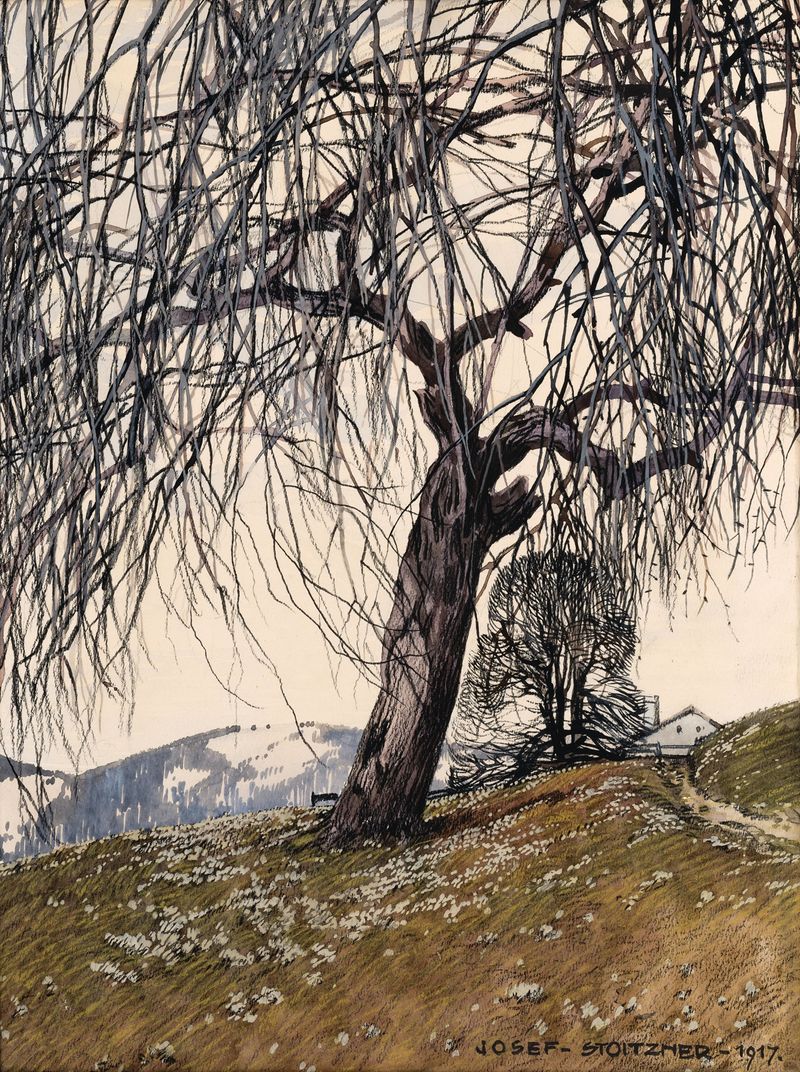
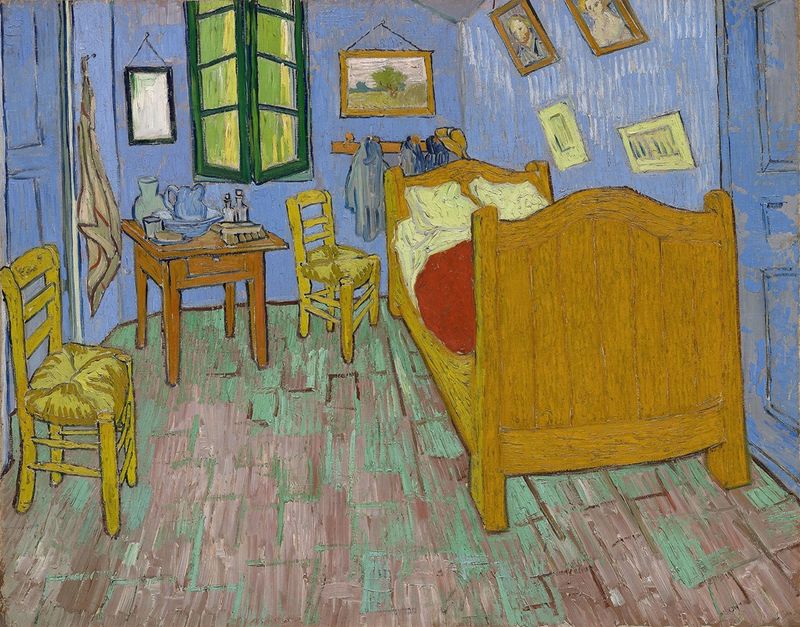
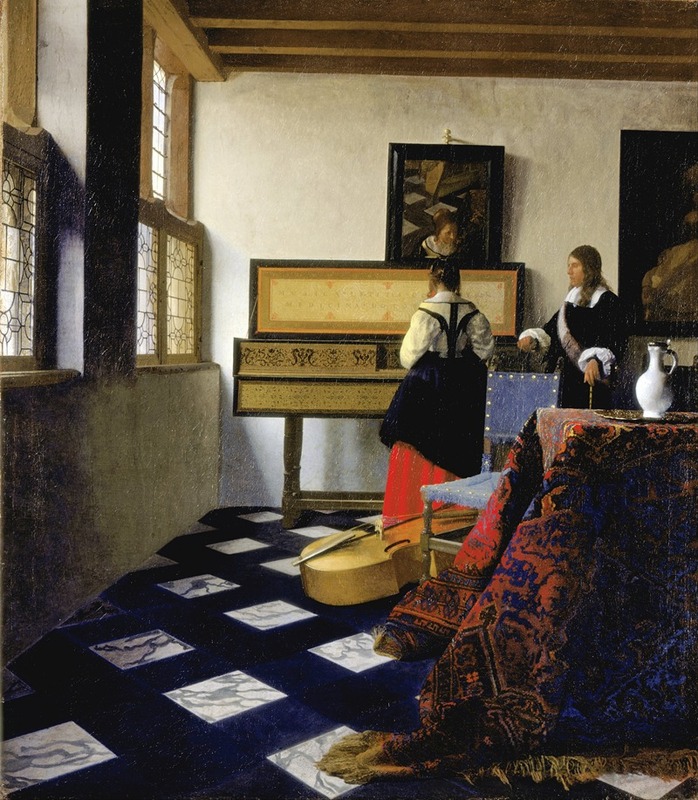
The shimmering surface of Interieur evokes an unsettling yet captivating duality, inviting the viewer to peer beyond its brilliance into the depths of the human experience. Look to the left at the warmly lit corner, where a delicate vase spills over with blooms, their vibrancy contrasting sharply with the muted tones that envelop the room. The meticulous brushwork reveals a play of shadows and light, capturing the breath of life that animates the space. Notice how the gold accents gleam, adding a layer of richness that hints at both opulence and hidden sorrow, while the composition draws the eye inward, as if beckoning a personal journey within this intimate setting. In the foreground, the stream of sunlight filtering through the window highlights the tension between comfort and confinement.
The juxtaposition of the lively flowers against the stillness of the interior invites questions about the nature of happiness and despair. Each element serves as a reflection—of the artist’s inner world, of the unspoken stories of those who inhabit similar spaces, and the universal struggle to balance beauty with the weight of existence. At the time Interieur was created in 1913, Stoitzner was living in an era marked by profound social change and artistic experimentation. He was deeply influenced by the shifting dynamics of the art world, embracing new techniques that pushed boundaries.
The painting resonates with the psychological complexities of the time, reflecting both personal and collective tensions that would soon give way to the tumult of the First World War.