
Schotel, beschilderd met waterlandschappen — History & Facts
This sentiment resonates within the delicate porcelain of a painted dish, where serene landscapes unfold with every glance. It questions the very nature of beauty and its relationship to the human experience, inviting us to explore the depths of transcendence within art. Look closely at the rim of the schotel, where intricate water landscapes come to life. Your eyes will be drawn first to the shimmering blues and greens, harmoniously blending with the gold accents.
Notice how the artist employs a soft palette that evokes a sense of tranquility, while the fine brush strokes reveal the meticulous craftsmanship that celebrates both nature and artistry. Each element, from the gentle ripples of the water to the wisps of clouds above, speaks to the careful balance between the real and the ideal. Yet, beneath this surface lies an emotional undercurrent. The serene vistas may mask a longing for simpler times, a nostalgia for pastoral beauty that belies the encroaching complexities of urban life in the 18th century.
The gold detailing can be seen as both a celebration and a confinement, encapsulating the duality of wealth and nature. Thus, the schotel emerges not merely as a decorative object but as a poignant reflection on the human condition and our pursuit of aesthetic joy amid an ever-evolving world. This exquisite piece was created in 1756 by an unknown artist, a time when porcelain became a prized possession in Europe. As the production of fine ceramics flourished, this artwork exemplifies the opulence of the period, even as it hints at the emerging tensions of a changing society.
The artist's anonymity does not diminish the impact of the work; rather, it emphasizes the collective creativity of the era and its enduring legacy within decorative arts.
More Artworks by Unknown Artist
Browse all →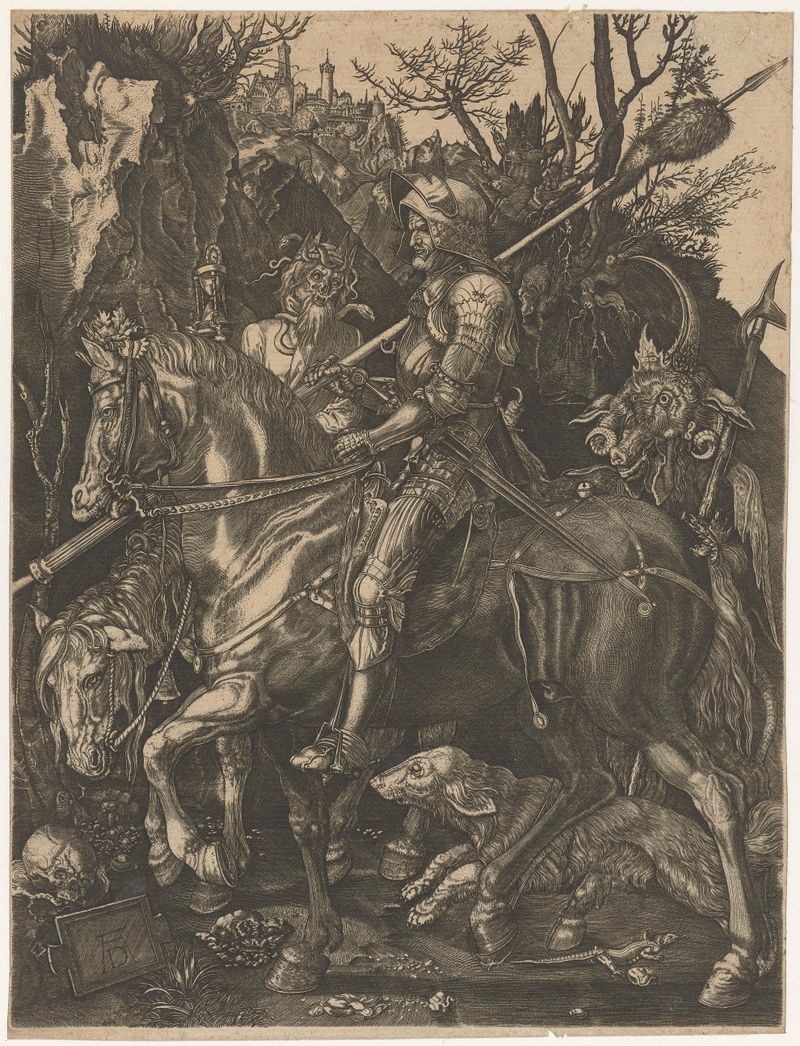
Ridder, Dood en Duivel
Unknown Artist
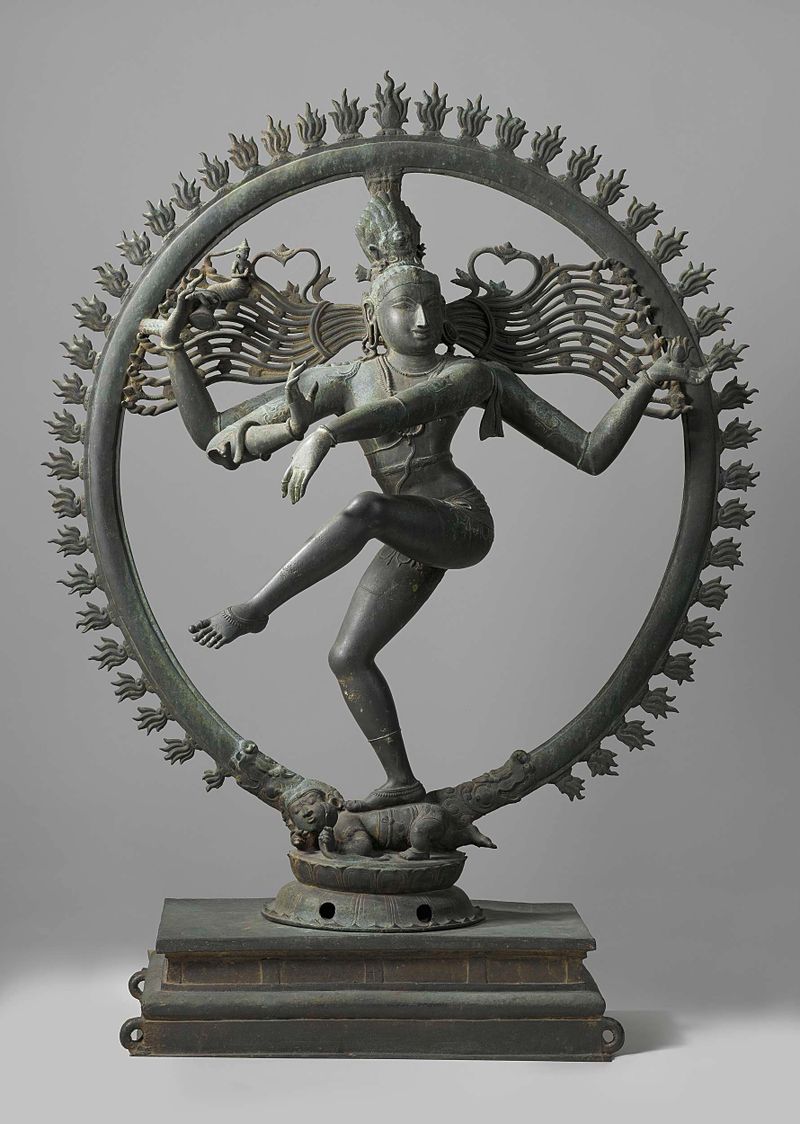
Shiva Nataraja
Unknown Artist
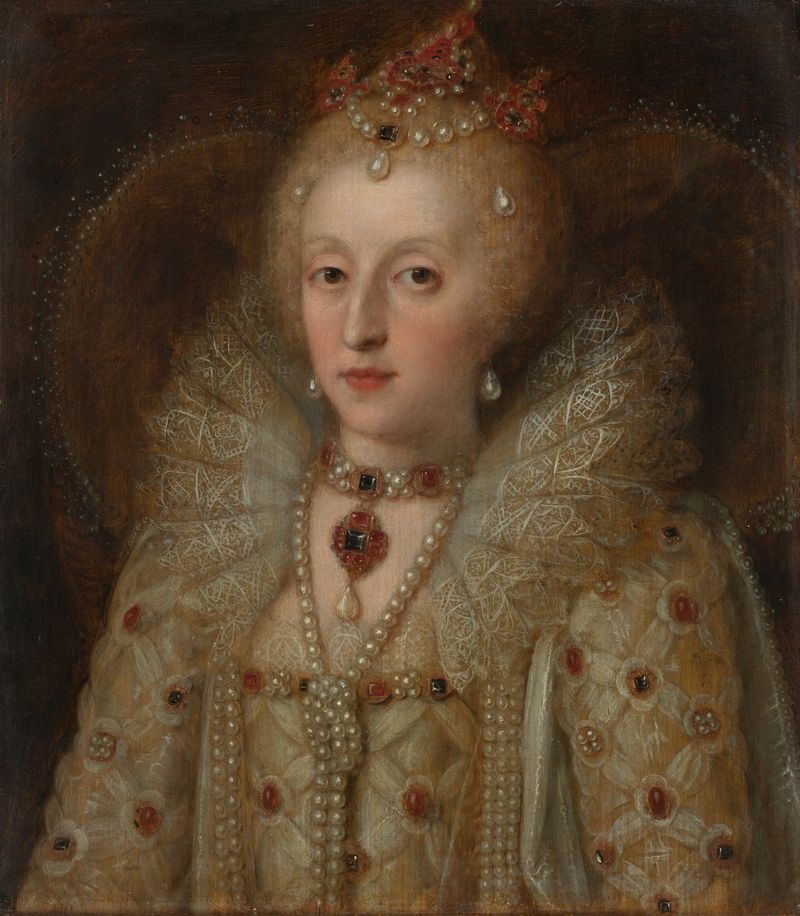
Portrait of Elizabeth I, Queen of England
Unknown Artist
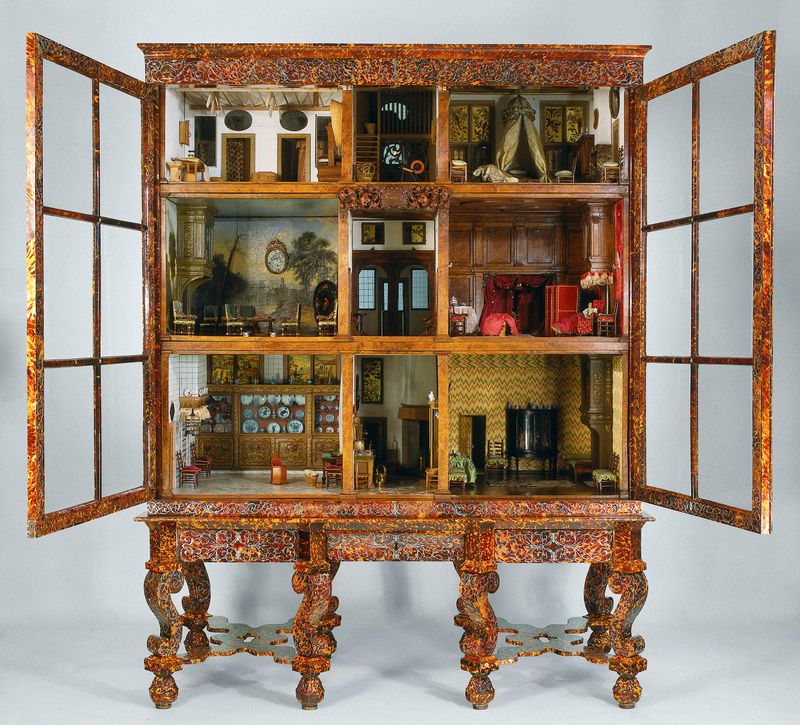
Dolls’ house of Petronella Oortman
Unknown Artist
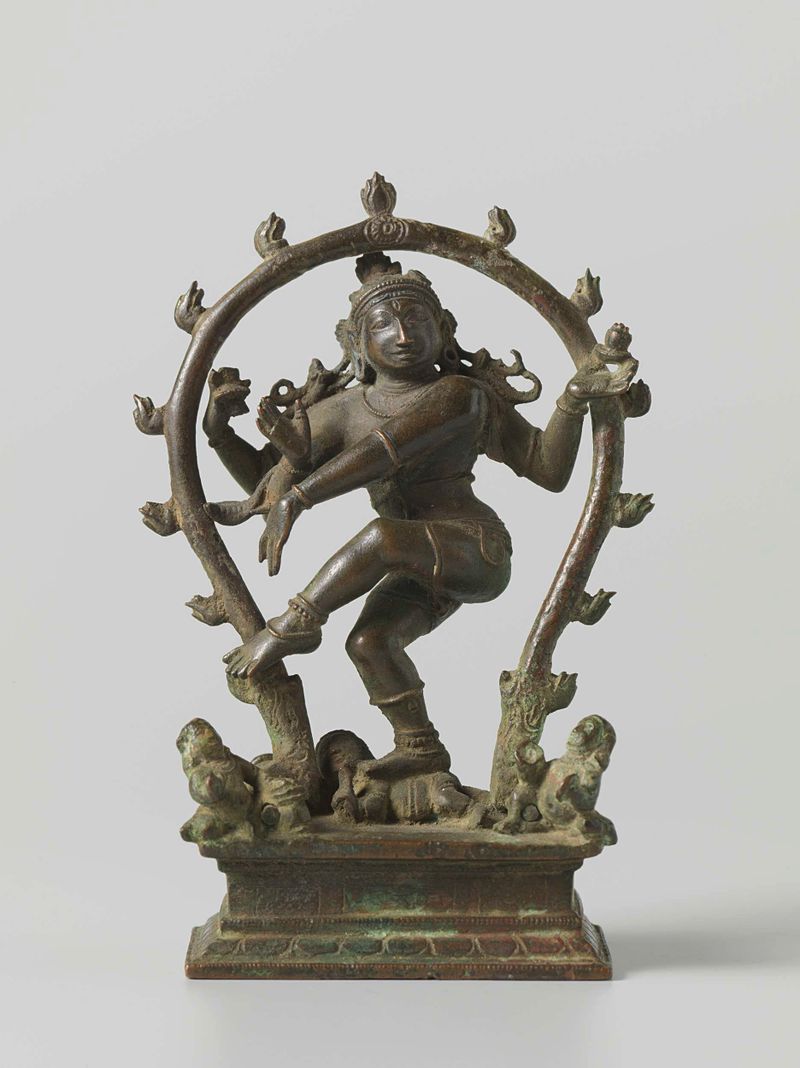
Shiva Nataraja
Unknown Artist

The Tale of Genji
Unknown Artist

The Tale of Genji
Unknown Artist

Cong
Unknown Artist
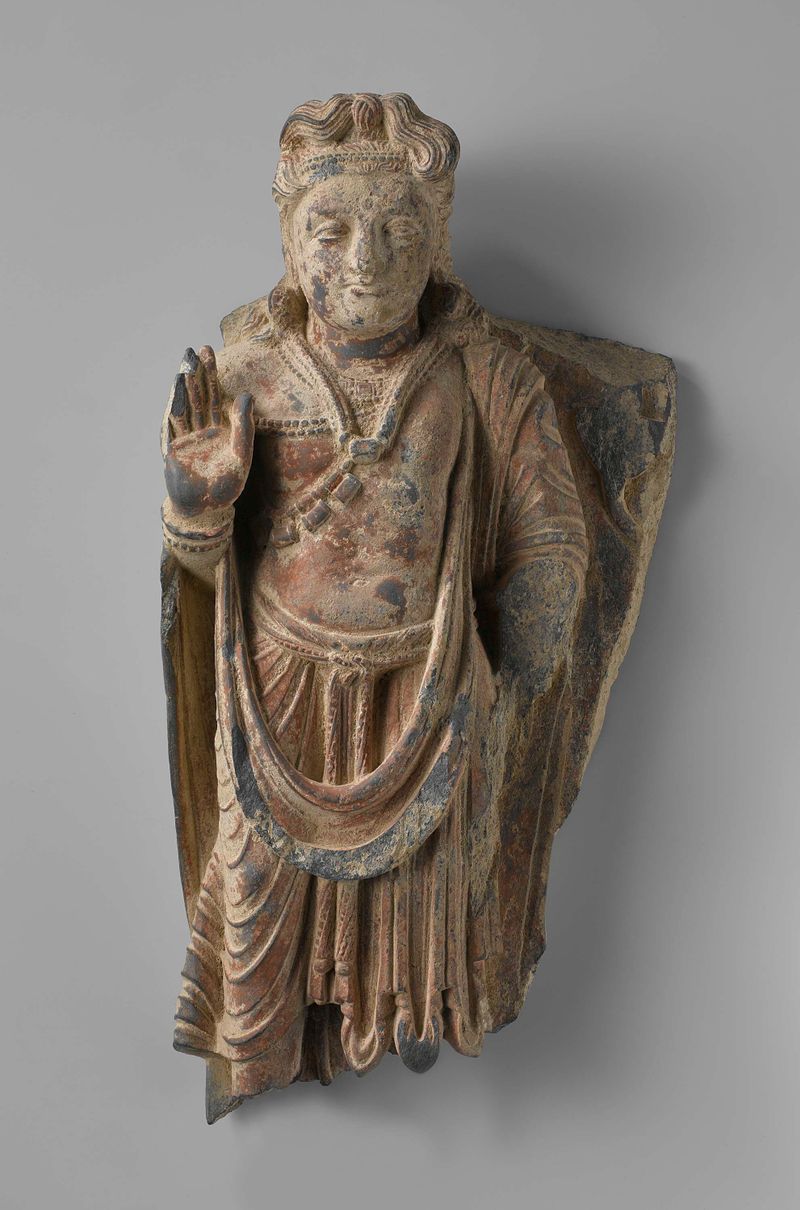
The bodhisattva Maitreya
Unknown Artist

Teabowl with a 'hare's fur' glaze
Unknown Artist



