Schraagtafel van naaldhout belijmd met ebbenhout en zilver — History & Analysis

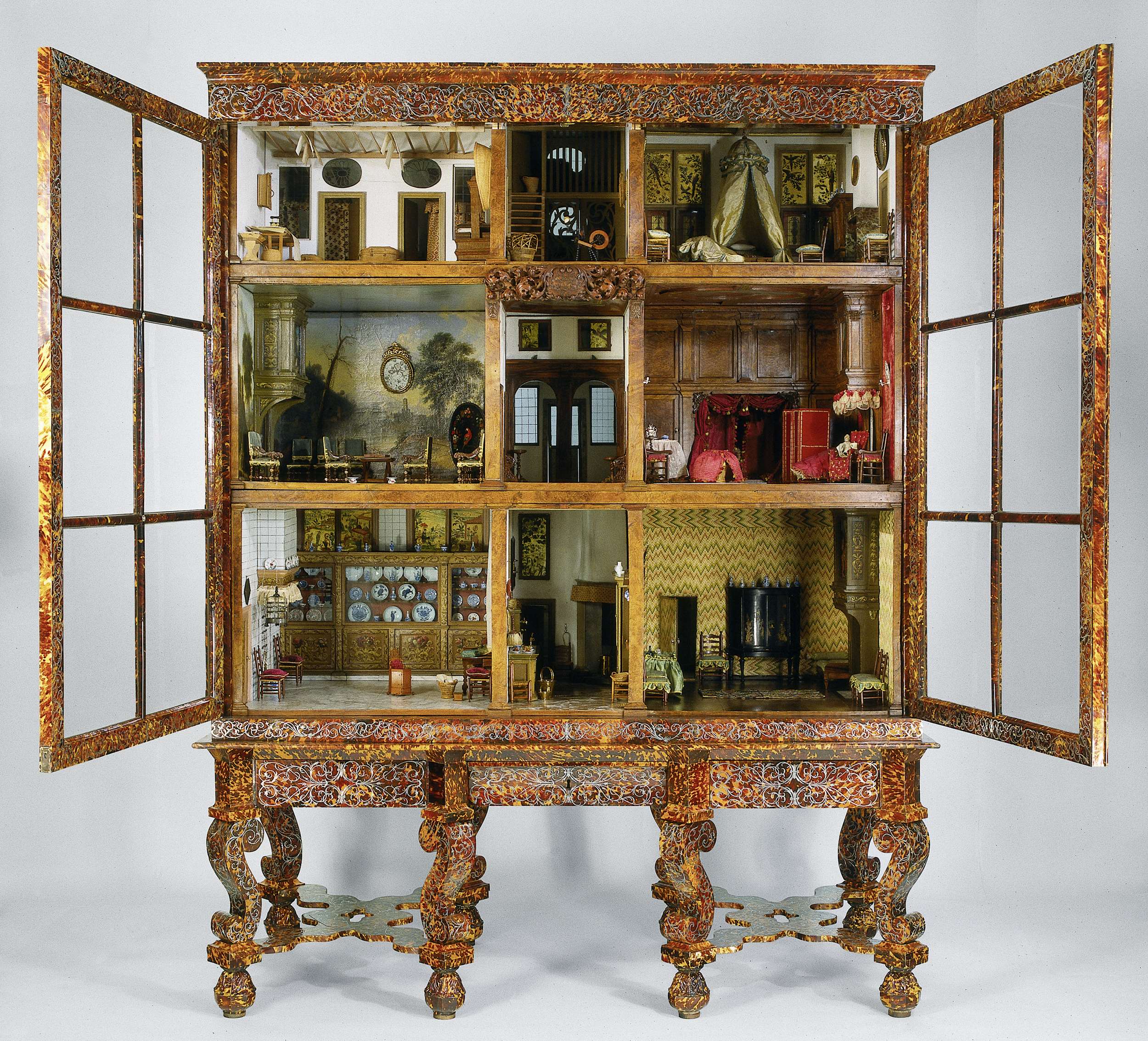
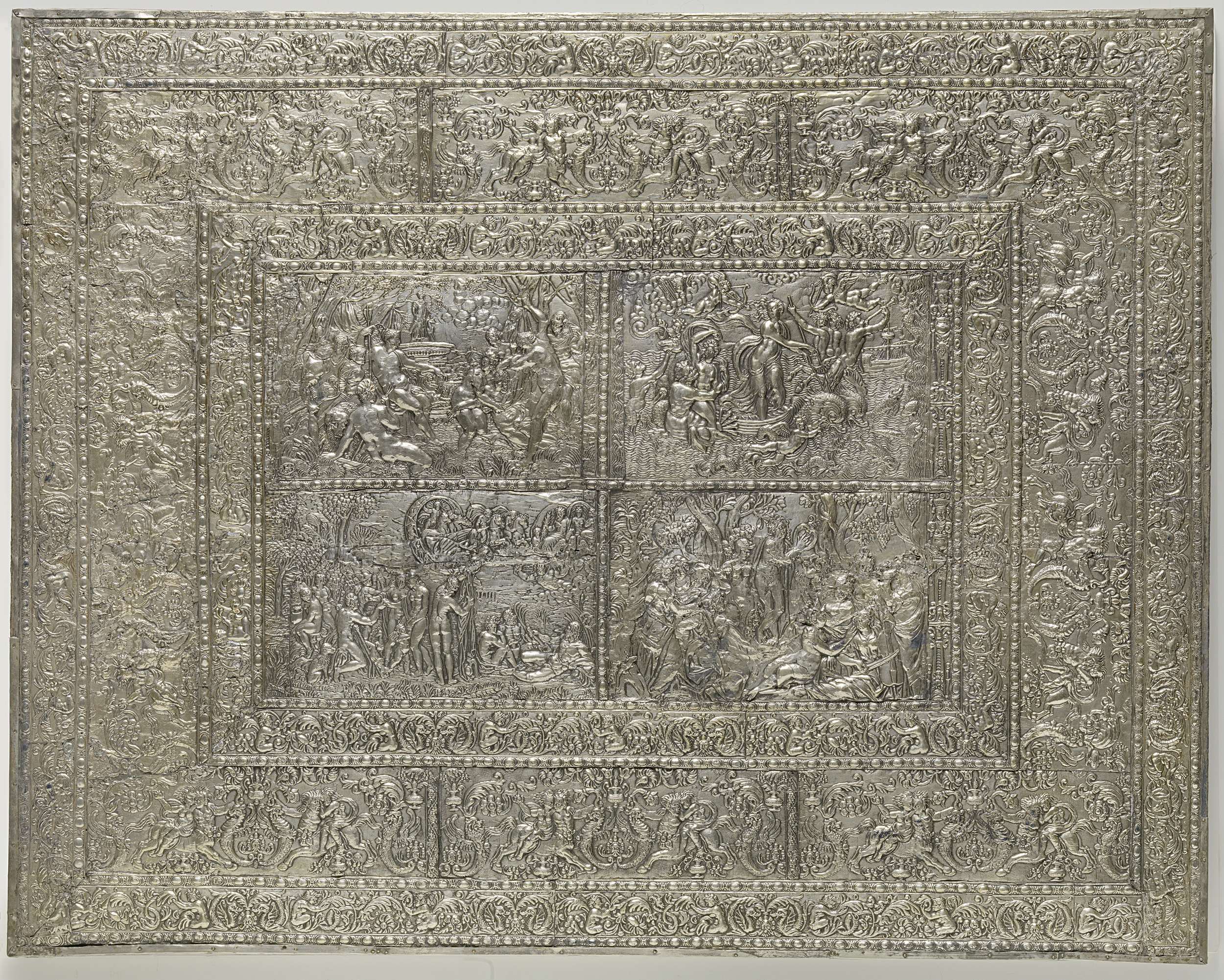
Can paint confess what words never could? The intricate beauty of furniture often escapes verbal expression, yet in this piece, memory whispers through every curve and detail. Look closely at the surface of the table; the delicate interplay of light and shadow reveals the rich textures of the wood. The natural grain of the naaldhout contrasts sharply with the striking ebony accents and the shimmering touches of silver.
Notice how the artisan's meticulous craftsmanship invites your gaze to trace the lines, leading your eyes across the polished surface, igniting a sense of intimacy with the piece. The symmetry and balance in its design speak not only of aesthetics but also of the functionality that underlines this work of art. Beneath the surface lies a story of duality—between the natural allure of the naaldhout and the luxurious embellishments of the ebony and silver. Each element carries a weight of history, weaving narratives of cultural significance and domestic life during a time of transition.
This piece embodies more than mere utility; it evokes a sense of nostalgia, reminding us of the memories tied to gatherings around its surface, of conversations etched into its very fabric, and of the passage of time marked by each scratch and shine. Created in 1600, this table reflects a moment in a world where craftsmanship was revered, and artisans were celebrated for their skill. The unknown artist, working in an era of rich artistic exploration and newfound wealth in Northern Europe, contributed to a movement that elevated functional objects into the realm of art. In a society where domestic life was increasingly cherished, this piece stands as a testament to both utility and beauty, preserving the echoes of its time for future generations to appreciate.