
Sea — History & Facts
In the chaos of existence, where turmoil often drowns out the whisper of tranquility, art remains a fierce sanctuary for truth. Focus on the tumultuous waves crashing against the shore, where the sea roars with a raw, untamed power. Notice how the artist has captured the play of light dancing upon the water’s surface, each stroke of paint conveying both elegance and ferocity. The stark contrast of deep blues against fierce whites evokes a sense of both beauty and violence, offering a glimpse into nature's duality—calm yet chaotic, serene yet stormy. Hidden within this composition lie the tensions of the human experience.
The raging sea suggests the internal struggles we face, a metaphor for emotional turmoil and the violent storms of life that rage beneath a seemingly placid exterior. The artist's choice of color, with its sharp contrasts, reflects the conflict between surrender and resistance, inviting the viewer to confront their own battles and fears. At the turn of the 20th century, Katona was immersed in an evolving art world that sought to embrace modernism and explore the complexities of emotion. He painted Sea in 1900 during a period marked by significant societal and technological transformations, which influenced artists to delve into more abstract interpretations of nature and identity.
This backdrop of change and uncertainty is palpably reflected in the violent energy of the sea he portrays, a testament to the artist's keen perception of the world around him.
More Artworks by Ferdinand Katona
Browse all →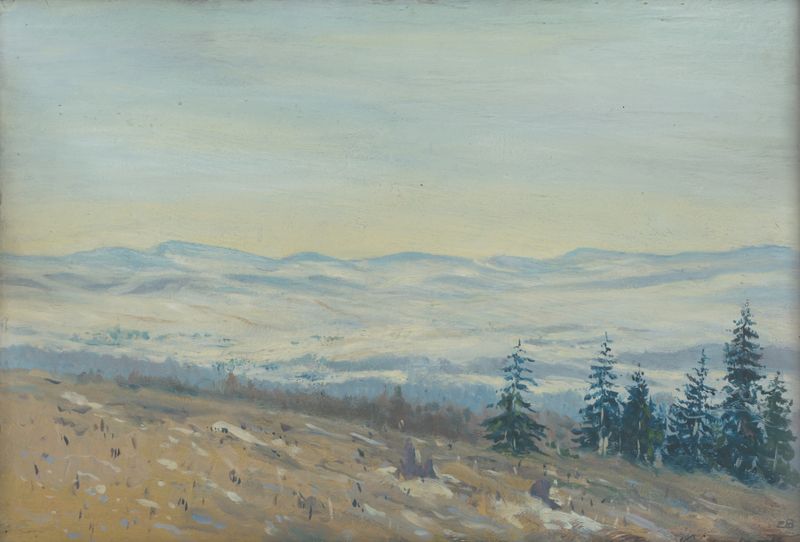
High Tatras
Ferdinand Katona
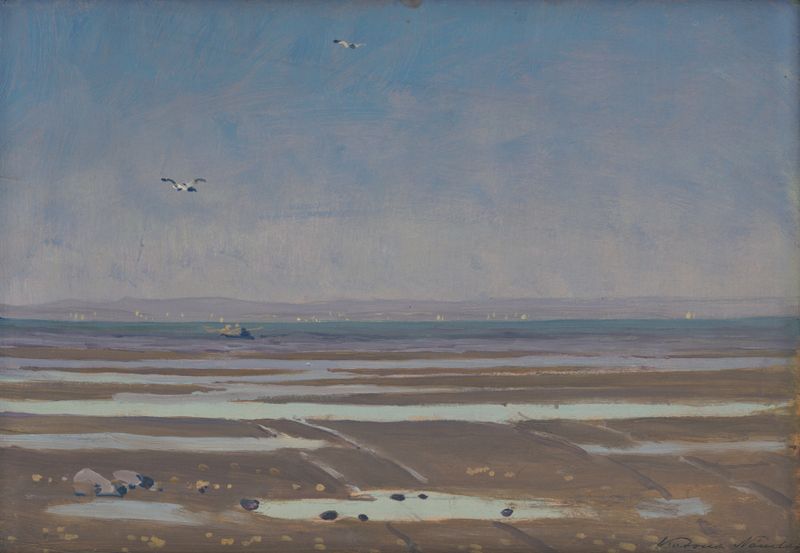
Early spring
Ferdinand Katona
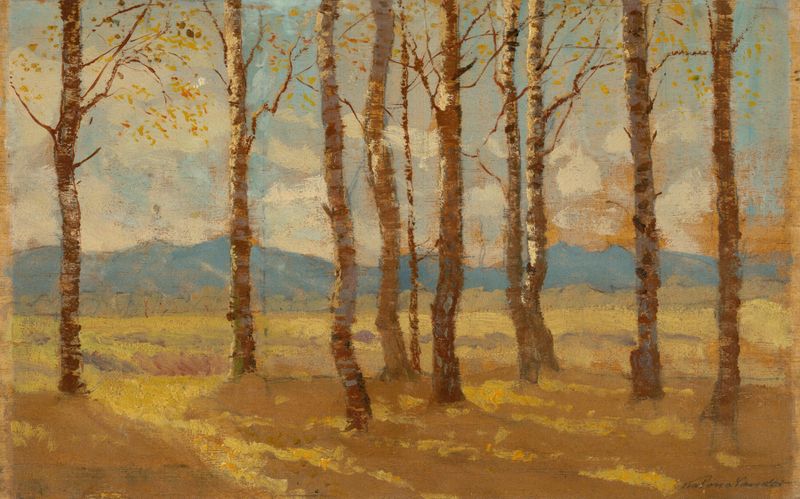
Birches in Autumn
Ferdinand Katona
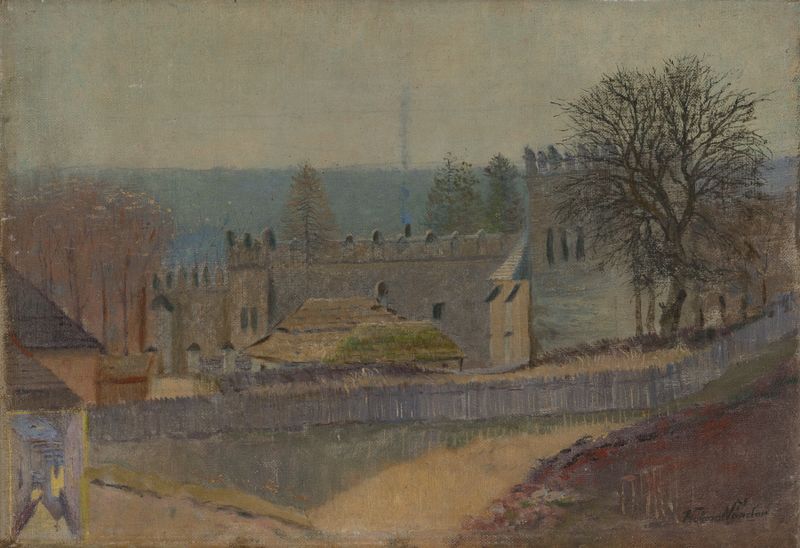
View of Strážky
Ferdinand Katona
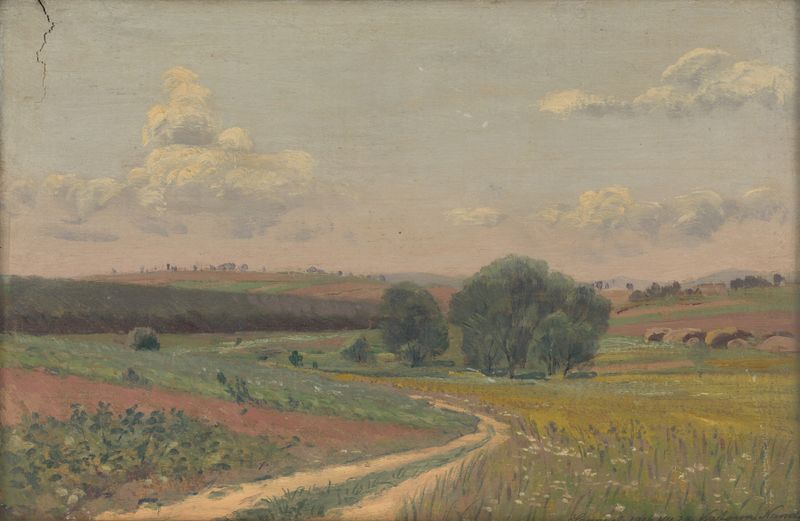
Landscape with a dirt road
Ferdinand Katona
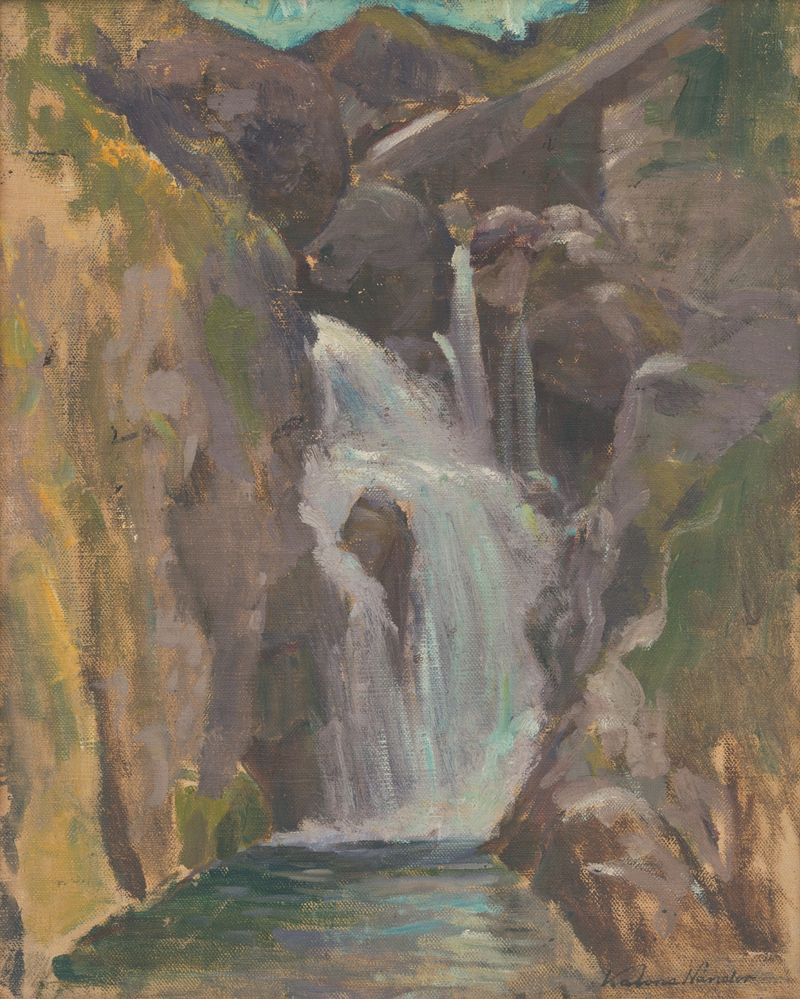
Waterfall
Ferdinand Katona
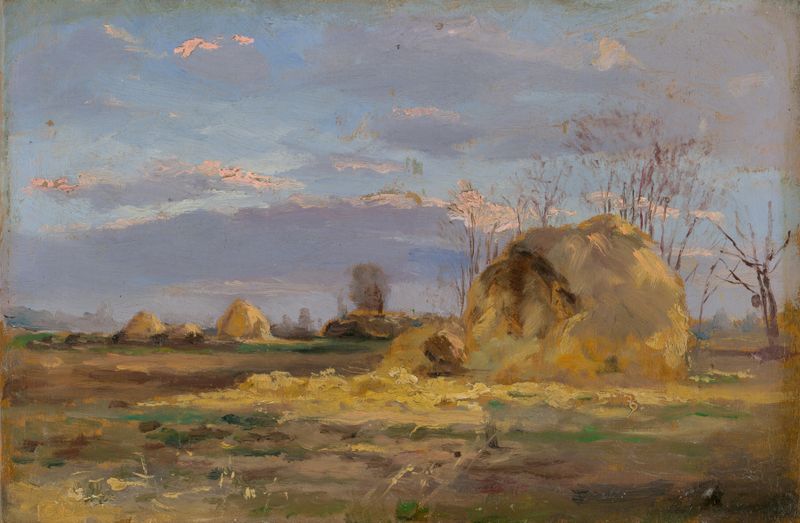
Autumn Landscape with Trees
Ferdinand Katona
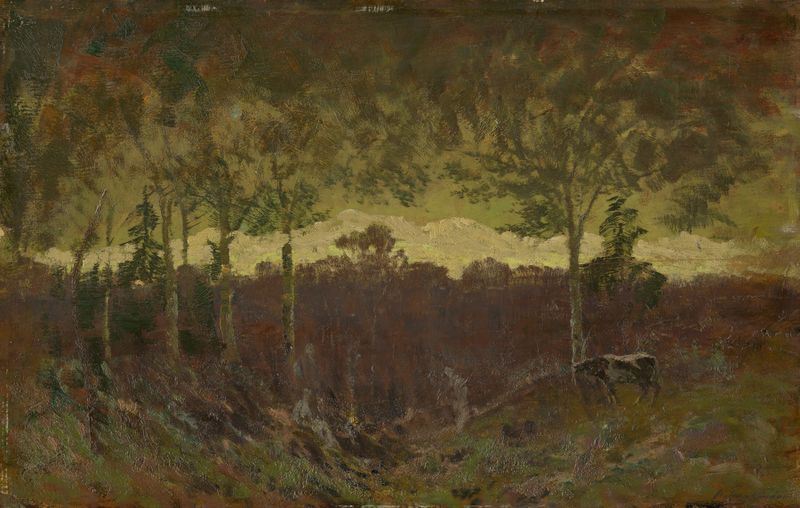
Early Evening Tatras Landscape
Ferdinand Katona
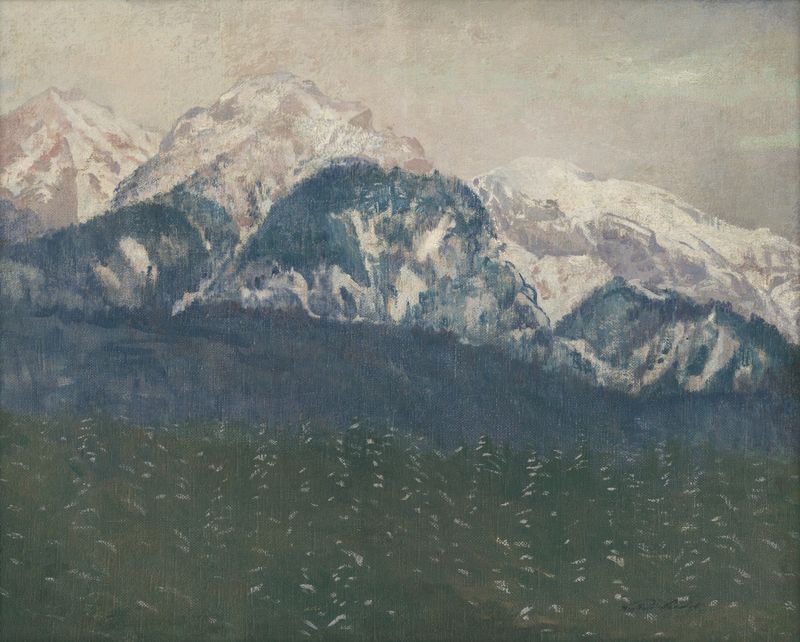
View of the High Tatras
Ferdinand Katona
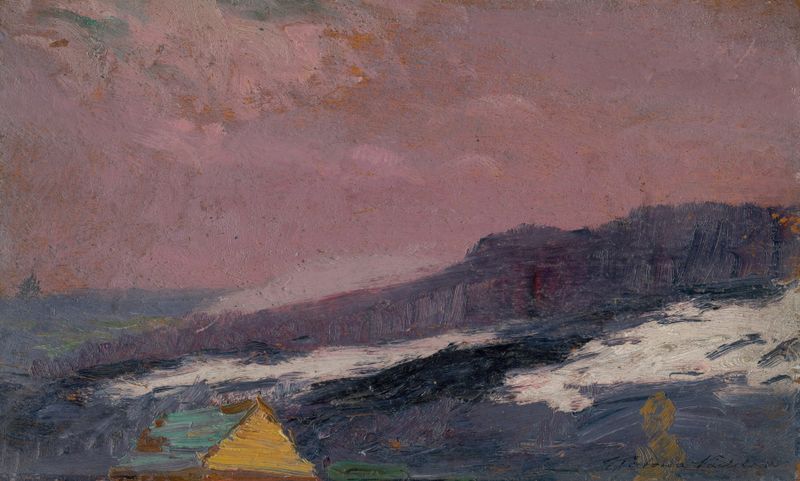
Early Spring
Ferdinand Katona





