
Sea Shore in Moonlight — History & Facts
A band of moonlight cuts through the gloom, drawing the eye to the silent drama unfolding at the horizon. In Sea Shore in Moonlight, Caspar David Friedrich sets the stage with a vast, brooding sky and a sea that seems to stretch into infinity, interrupted only by the dark silhouettes of homeward-bound ships. The moon’s reflection carves a silvery path across the water, guiding both vessels and viewers toward a distant, unseen destination.
In the foreground, barely discernible boats rest on the rocky shore, their presence a quiet reminder of journeys completed or yet to begin. Every element here works in concert to evoke a sense of return and the hush that follows a long voyage. Painted in the mid-1830s, this work belongs to a world shaped by the ideals of Romanticism, when artists like Friedrich turned to nature to express the mysteries of life and mortality. The theme of “returning ships” was a familiar metaphor for life’s passage and its inevitable end—a subject that resonated deeply in an age marked by rapid change and uncertainty.
Completed just before the artist’s debilitating stroke in 1835, and now housed in the Hamburger Kunsthalle, this painting stands as both a personal and universal meditation on transience. The stillness of the scene invites viewers to linger, to trace the moon’s path, and to wonder what awaits beyond the horizon.
More Artworks by Caspar David Friedrich

Wanderer above the Sea of Fog
Caspar David Friedrich

The Sea of Ice
Caspar David Friedrich
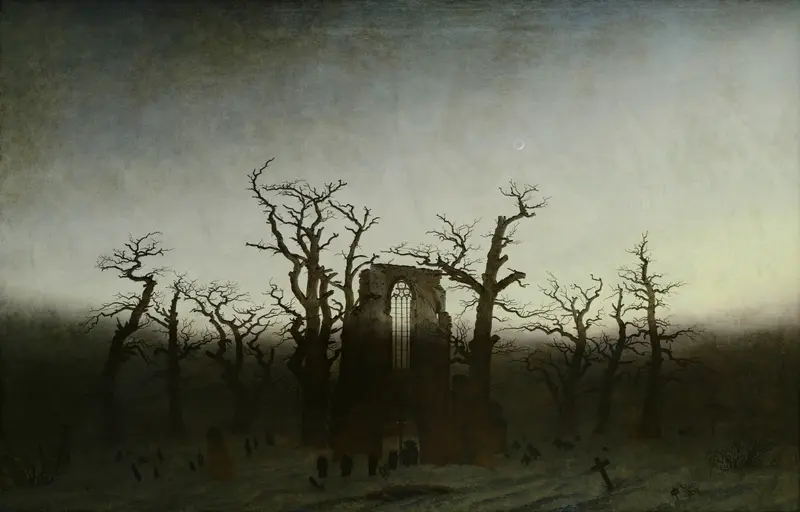
The Abbey in the Oakwood
Caspar David Friedrich
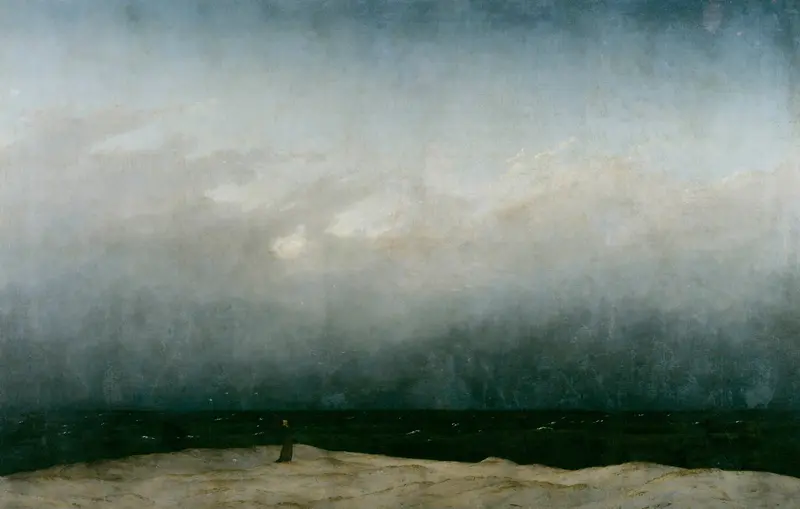
The Monk by the Sea
Caspar David Friedrich
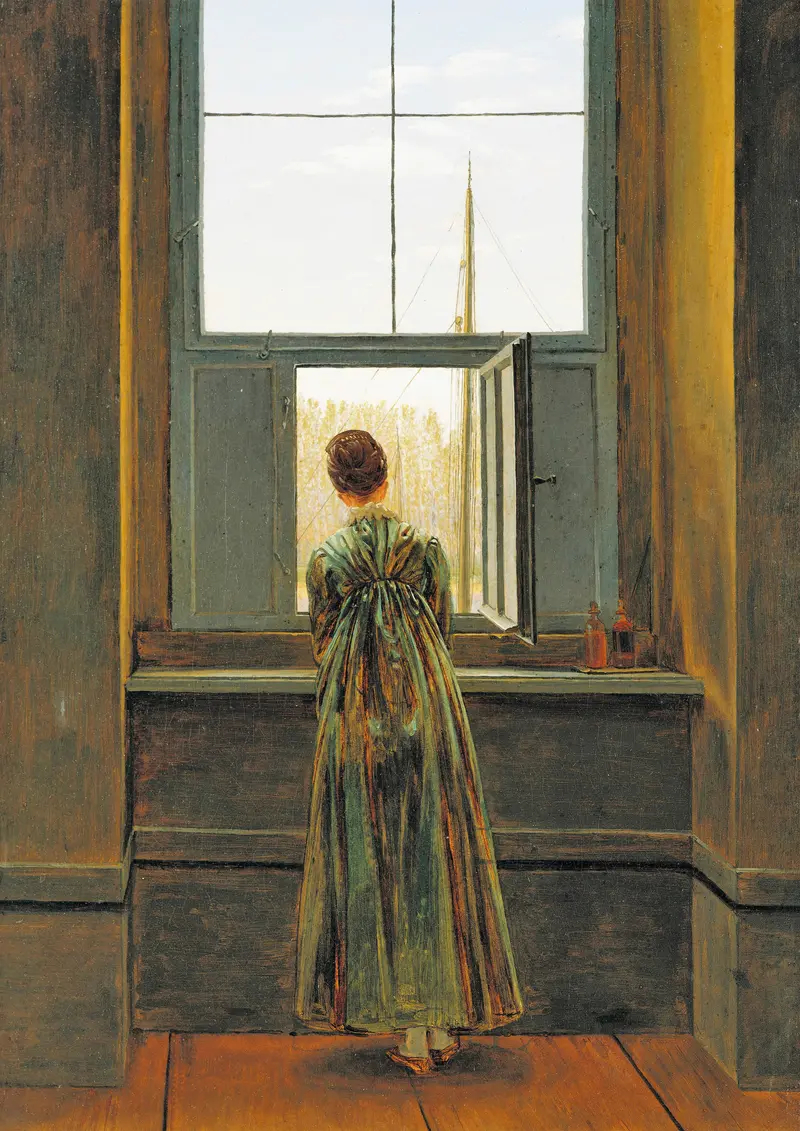
Woman at a Window
Caspar David Friedrich

Cross in the Mountains
Caspar David Friedrich
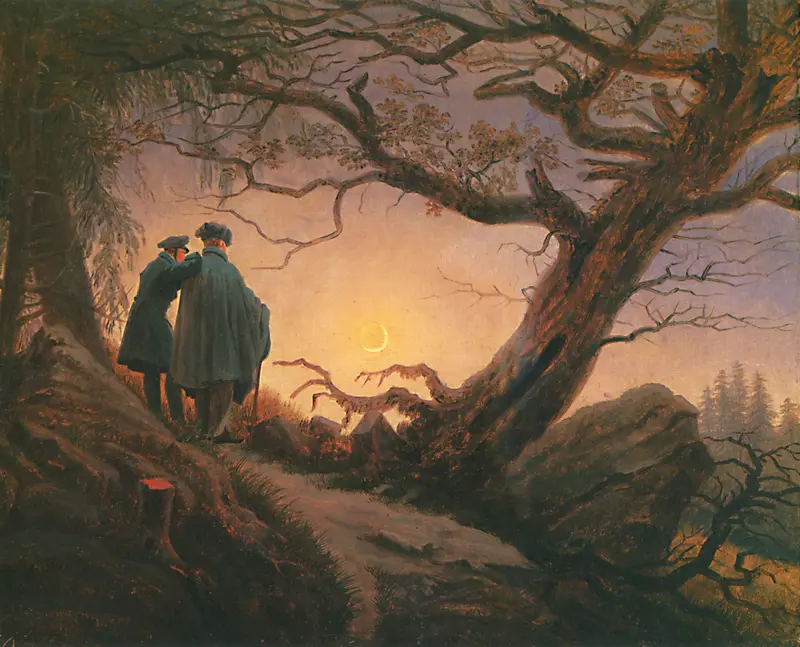
Two Men Contemplating the Moon
Caspar David Friedrich
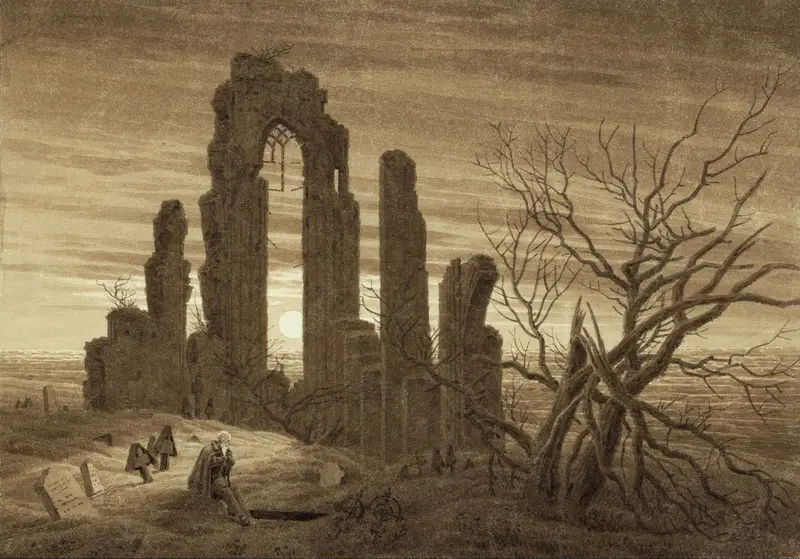
Winter – Night – Old Age and Death (from the times of day and ages of man cycle of 1803)
Caspar David Friedrich

Mittelgebirgslandschaft
Caspar David Friedrich

Landschaft mit gebirgsee, morgen
Caspar David Friedrich




