
Seacoast — History & Facts
Did the painter know this moment would outlive them? Seacoast, a testament to the eternal rhythm of life and nature, captures a fleeting yet profound beauty that speaks to the hope dwelling within the human spirit. Look to the horizon, where soft pastels blend seamlessly into the vast expanse of sky. The gentle strokes convey the rolling waves, their movement almost palpable, inviting the viewer to lean closer. Notice how the light dances on the water's surface, glistening like shards of broken glass, creating a striking contrast with the muted tones of the shore.
Each brushstroke holds a promise, a whisper of serenity amidst the tumultuous sea. Delve deeper, and you’ll discover layers of emotional complexity. The juxtaposition of the tranquil coast against the turbulent sea embodies a tension between stability and chaos. The figures along the beach are small yet significant, representing humanity's place within the grand narrative of nature, while the clouds above hint at both impending storms and the potential for clearing skies.
This duality reflects hope—a reminder that, even in darkness, there is light to be found. In 1912, Fritz Lach painted Seacoast during a time of artistic experimentation and shifting societal values. Living in Germany, he was influenced by the rise of modernism, which sought to capture the essence of emotion and experience. As he captured this scene, he was not only recording the beauty of nature but also contributing to the evolving landscape of art, where hope emerged as a central theme in the face of uncertainty.
More Artworks by Fritz Lach
Browse all →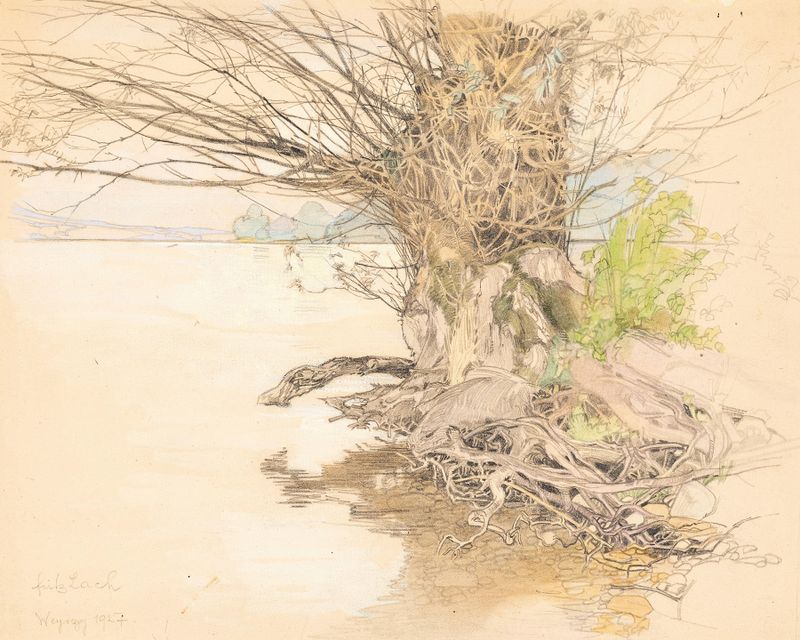
A willow tree at the lake shore
Fritz Lach
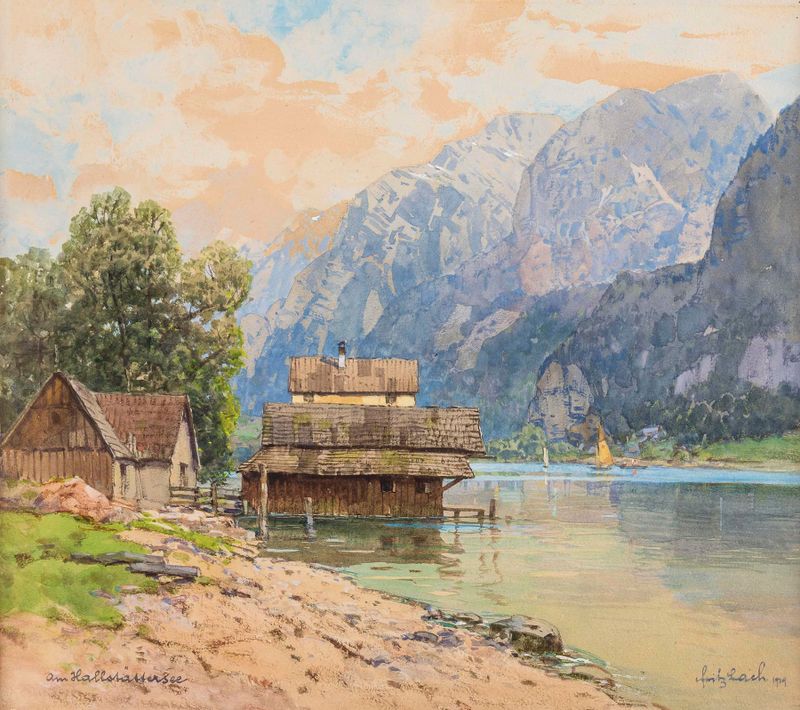
Bootshäuser am Hallstätter See
Fritz Lach
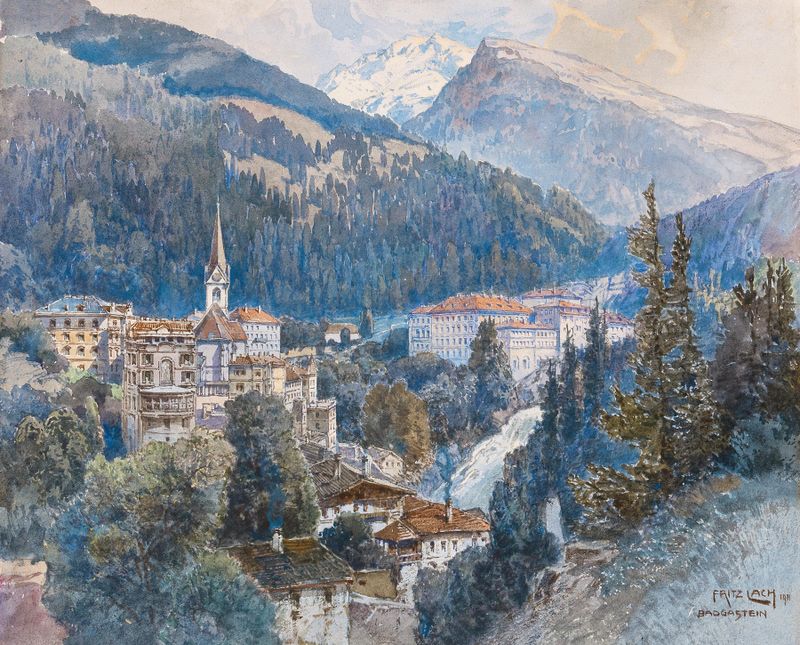
A view of Bad Gastein and the waterfall
Fritz Lach
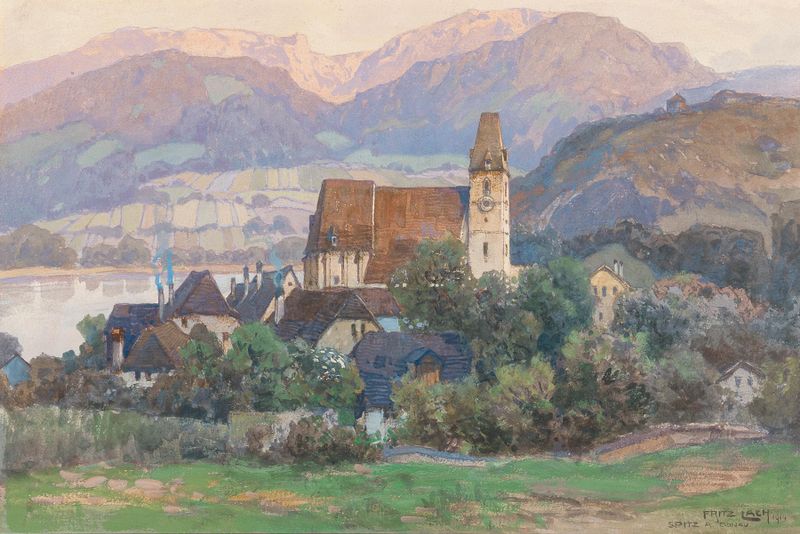
A view of Spitz in the Wachau valley
Fritz Lach
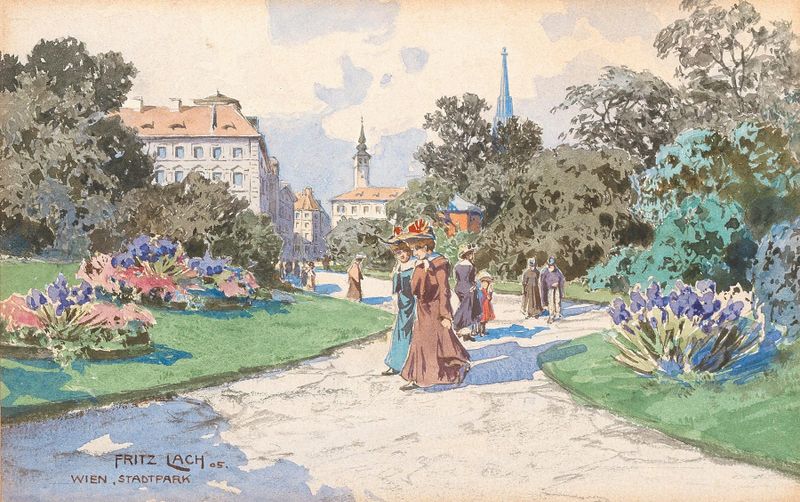
A walk in Vienna’s Stadtpark
Fritz Lach
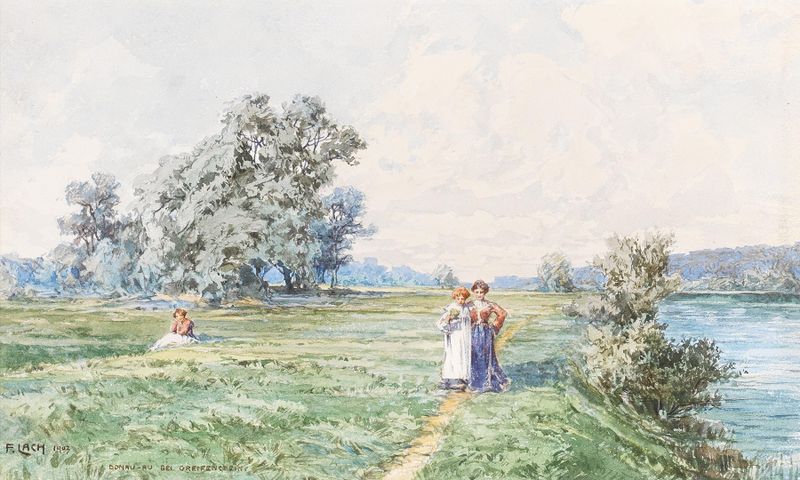
At the Danube near Greifenstein
Fritz Lach
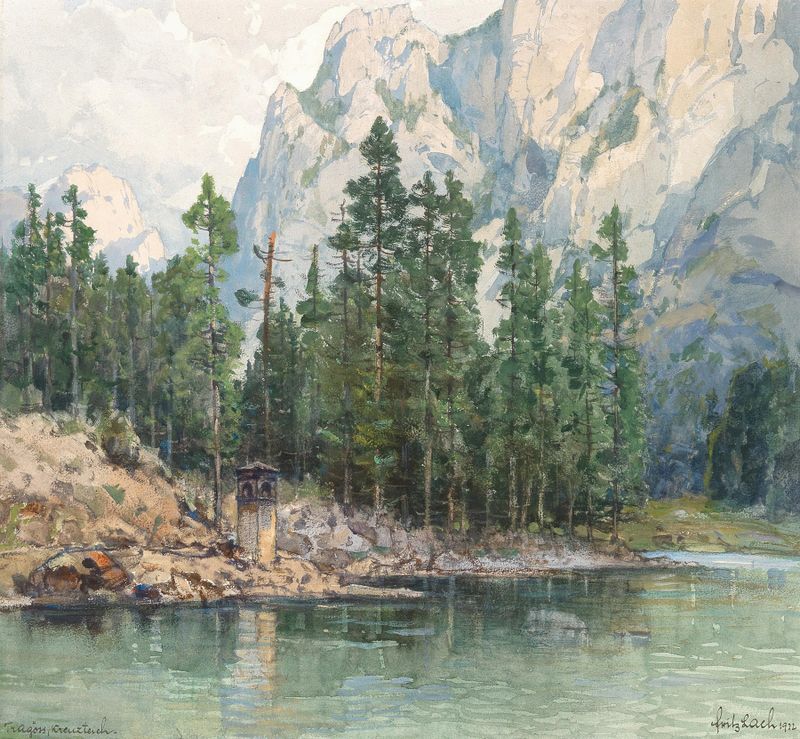
Kreuzteich near Tragöss
Fritz Lach
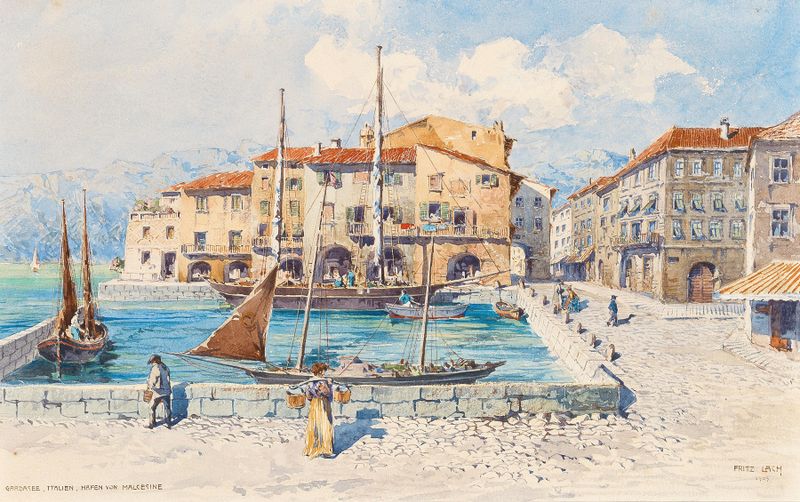
Malcesine near Gardasee
Fritz Lach
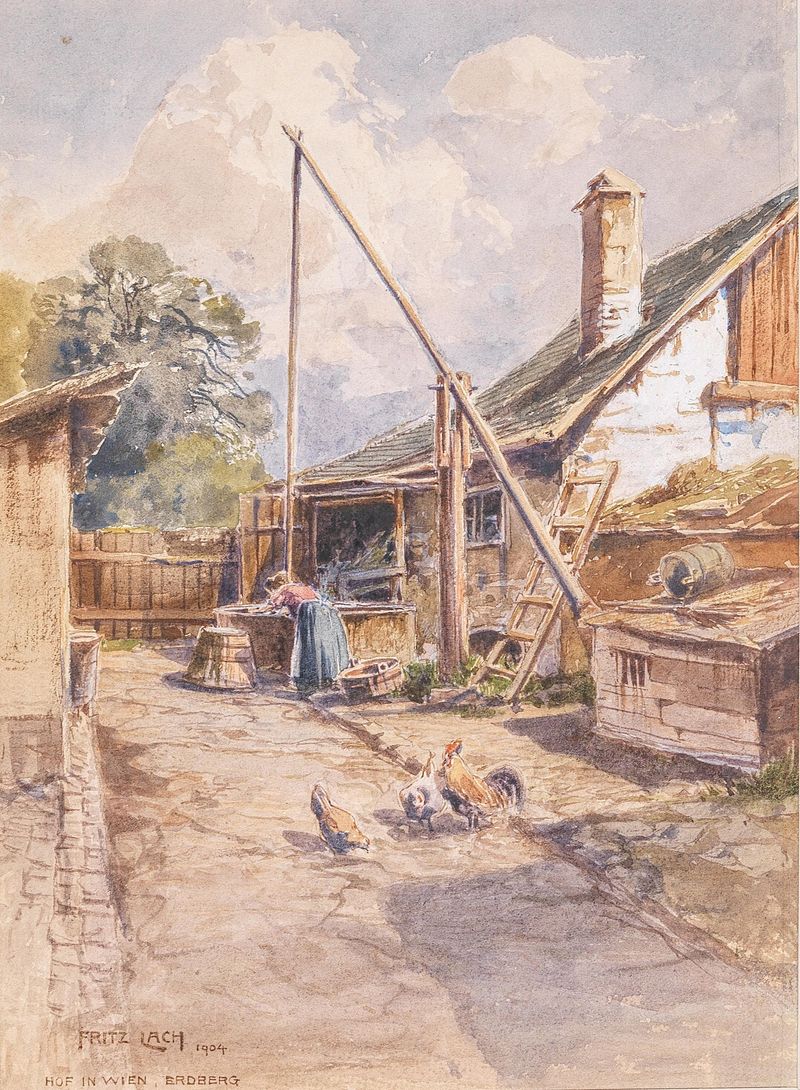
Hof in Wien Erdberg
Fritz Lach
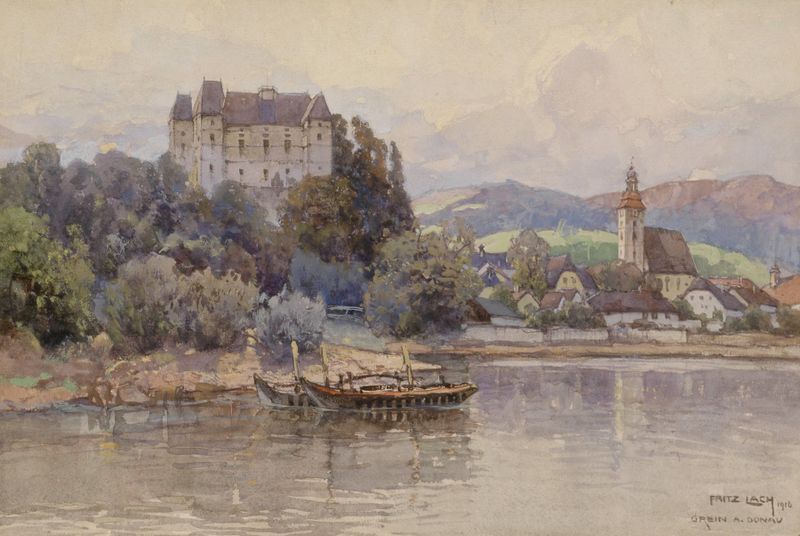
Blick auf Grein an der Donau
Fritz Lach





