Seaport III — History & Facts
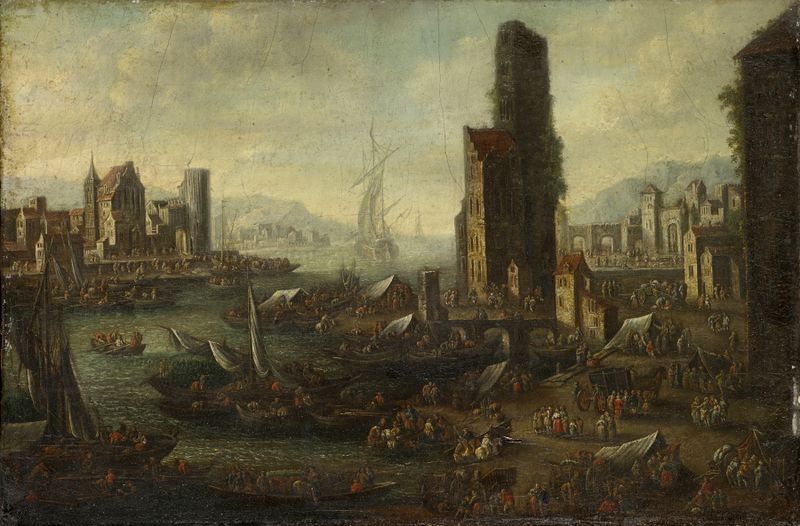
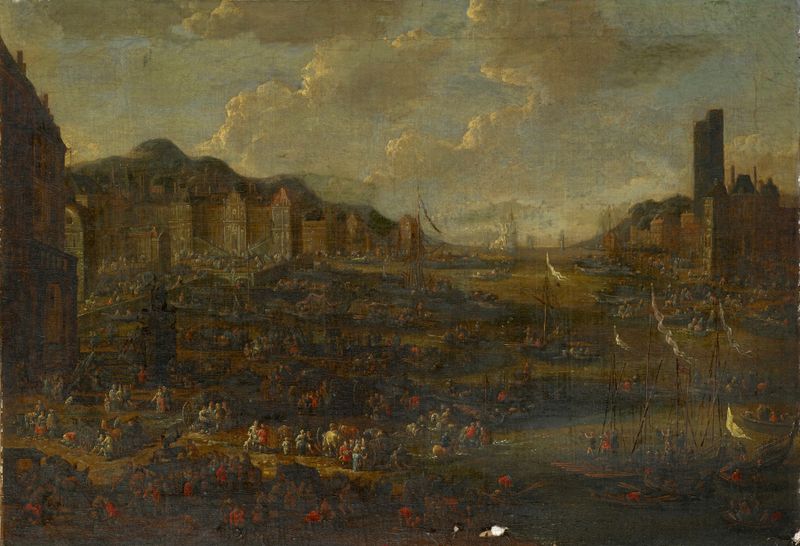
When did color learn to lie? The vibrant hues of a calm seaport whisper secrets of both beauty and madness, stirring questions about the nature of reality and illusion. Look first at the shimmering water, where the painter’s fluid brushstrokes create a serene mirror for the boats docked along the harbor. The kaleidoscope of reds, blues, and greens dances in the sunlight, yet an undercurrent of unease simmers beneath the picturesque surface. Notice how the gently receding waves hint at a world far more tumultuous than it appears; the reflections distort, bending shapes and blurring boundaries, evoking a tension between tranquility and chaos. The composition invites the viewer to contemplate the paradox of stillness amidst motion.
The boats are anchored, yet the vibrant colors signal an impending storm of emotion lurking just beyond the frame. The contrasting play of light and shadow not only reveals the physical forms but also suggests the psychological depths of its subjects—each vessel becomes a vessel of thought, a carrier of untold stories. It’s a reminder that beneath the surface charm, madness often glimmers just out of sight. Boudewijns created this work during a time when the Dutch Golden Age was flourishing, notable for its explorations into realism and detail.
While the exact date remains unknown, the artist’s keen eye for the interplay between light and color reflects a broader movement in the art world, where the beauty of the everyday began to captivate many. His works, marked by a rhythmic beauty and intricate detail, are a testament to a burgeoning fascination with the complexities of the mundane.