Landscape — History & Facts
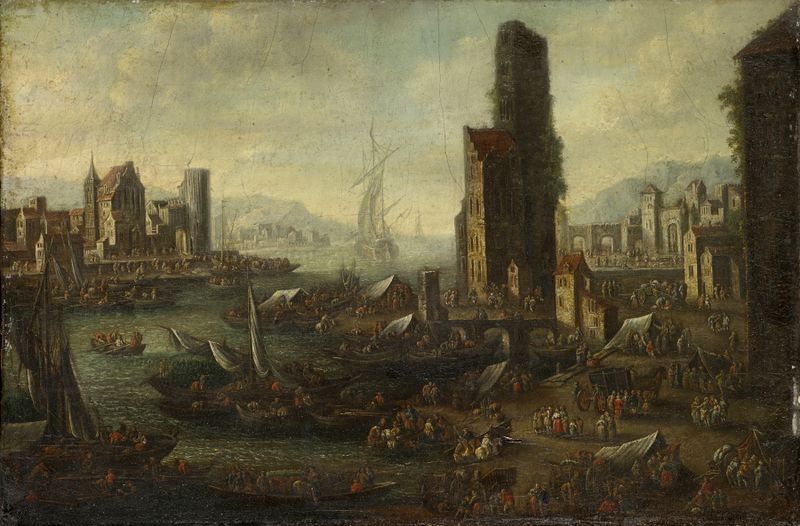
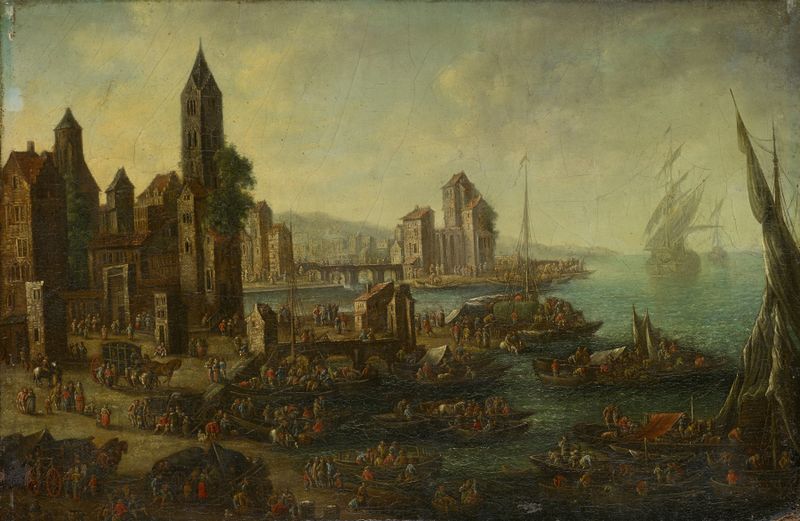
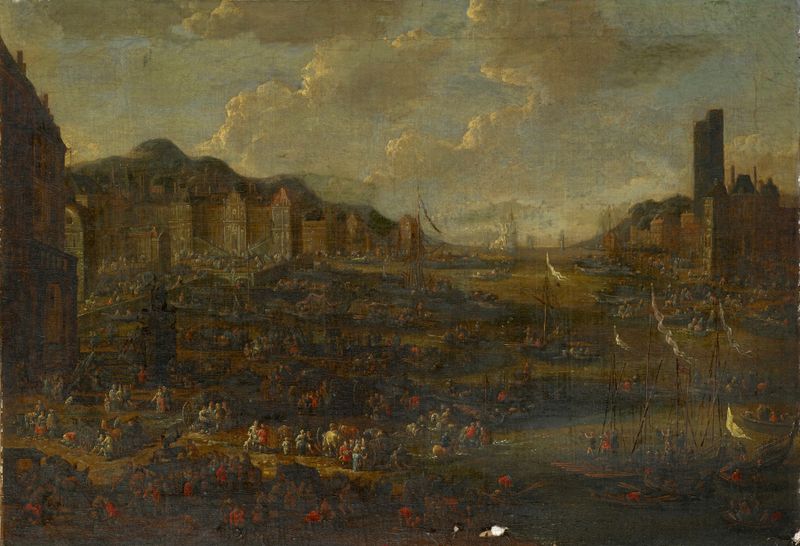
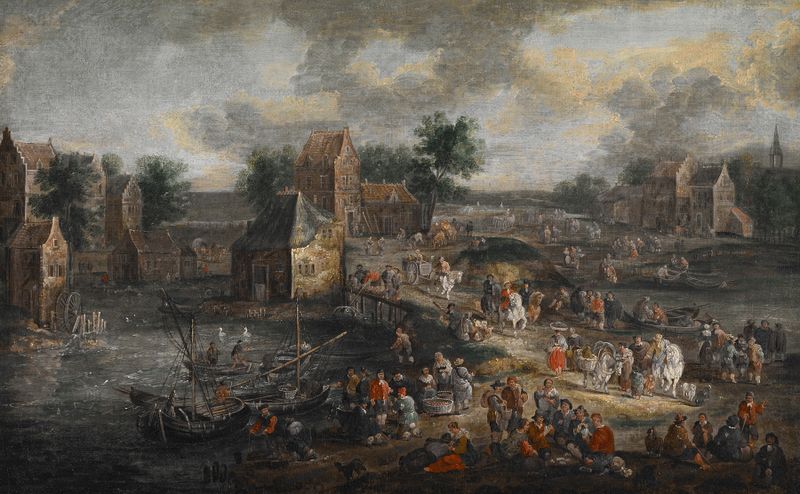
Is this a mirror — or a memory? In Landscape, the fleeting nature of existence collides with the eternal beauty of the natural world, inviting us to ponder our own impermanence. First, direct your gaze to the gentle undulations of the hills, where lush greens and soft browns converge harmoniously. Notice how the clouds cradle the sky’s canvas, their muted grays and whites reflecting a fleeting moment captured in time. The layering of color creates depth, while the brushwork evokes a soothing tranquility, drawing you into the scene as if it were an invitation to wander. Within the tranquil expanse lies an echo of life’s transience.
The interplay of light and shadow on the landscape highlights the passage of time, suggesting that the beauty before us is as ephemeral as our own lives. The distant horizon, shrouded in a veil of mist, speaks to the mysteries that lie ahead, encapsulating both hope and uncertainty. Each blade of grass seems to whisper tales of existence, reminding us that in nature’s stillness, there are truths waiting to be uncovered. During the creation of this work, the artist was immersed in the evolving landscape tradition of the Dutch Golden Age, a time marked by an increasing fascination with the natural environment.
While the exact date remains unknown, Boudewijns was active in the mid-17th century, a period when artists began to reflect on their relationship with the wilderness. This painting embodies that shift, capturing a moment of serenity amidst the chaos of life, inviting viewers to reflect on their place within the ever-turning wheel of existence.