
Seaside in Gurzuf. From the journey to Crimea — History & Facts
Can beauty exist without sorrow? In the delicate interplay of light and shadow, Jan Ciągliński's Seaside in Gurzuf. From the journey to Crimea poses this haunting question, inviting us to contemplate the transient nature of life and the inevitability of loss. Look to the horizon where the sun dips low, casting a golden glow over the tranquil waters. The soft waves gently lap against the shore, while the vibrant hues of blue and green converge in a harmonious embrace.
Notice how the warm light highlights the rocky cliffs, creating a striking contrast that draws your eye to the rugged beauty of the landscape. Each brushstroke reflects a masterful technique, rendering both depth and emotion, while the painter’s careful composition evokes a sense of calm, yet hints at an underlying tension. Amidst the serenity, hidden meanings emerge from the details—tiny figures dotting the beach, their gestures almost ephemeral against the expansive backdrop, remind us of our fleeting existence. The soft interplay between the rugged earth and the fluid sea symbolizes the duality of life and death, beauty and melancholy.
As you absorb the scene, reflect on the quietude that belies a deeper sorrow; the natural world continues its cycle, despite the fragility of those who inhabit it. Ciągliński created this evocative work between 1887 and 1899, during a period of personal introspection and societal change. Living in Poland while finding inspiration in the landscapes of Crimea, he navigated the complexities of a shifting art world. His journey reflects both a quest for beauty and an acknowledgement of the impermanence that accompanies it.
More Artworks by Jan Ciągliński
Browse all →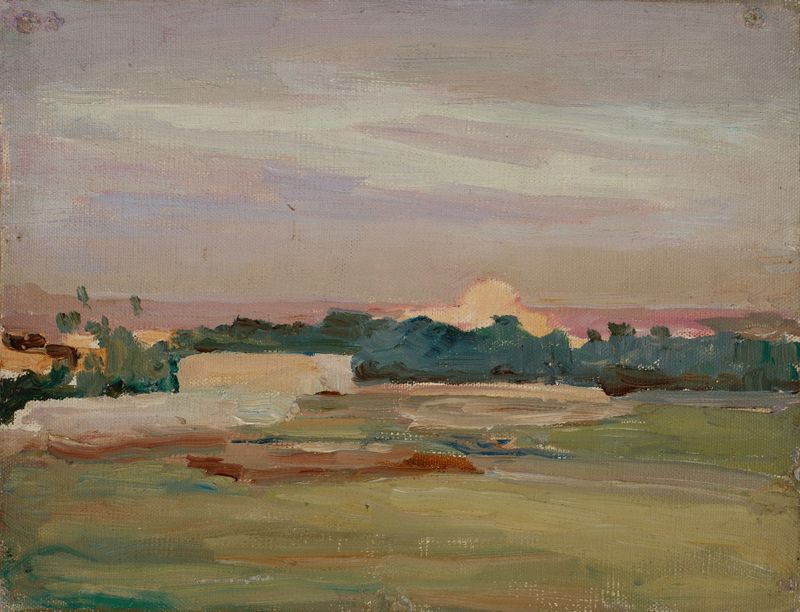
The Sirocco
Jan Ciągliński
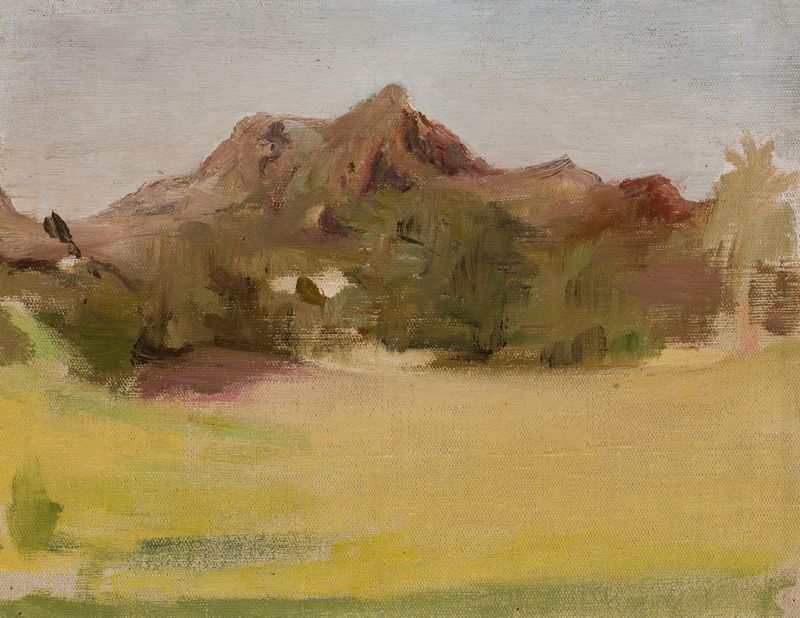
Mountain landscape. From the journey to India
Jan Ciągliński
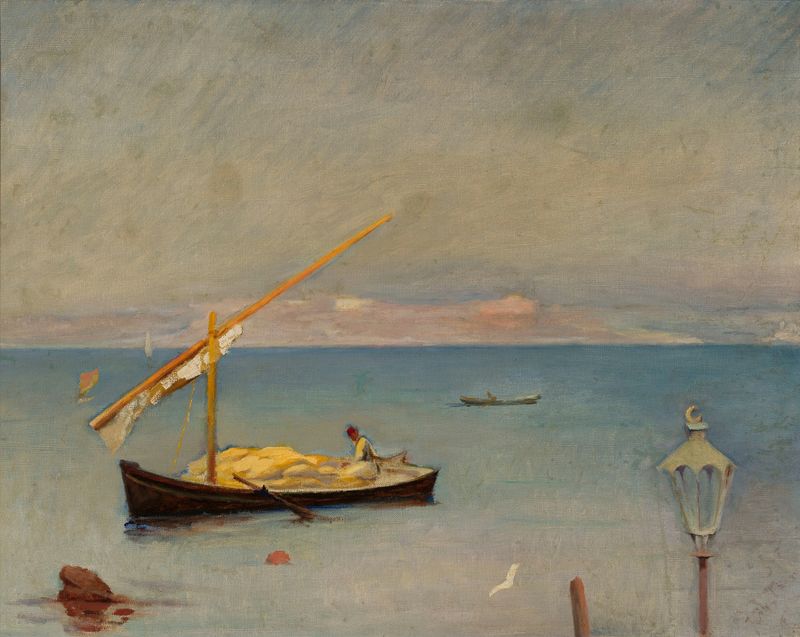
At Bosporus
Jan Ciągliński
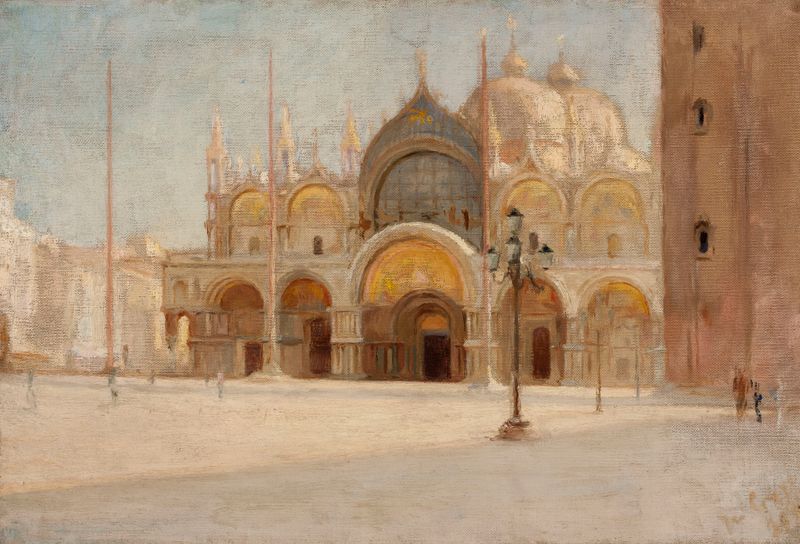
St Mark’s Square in Venice
Jan Ciągliński
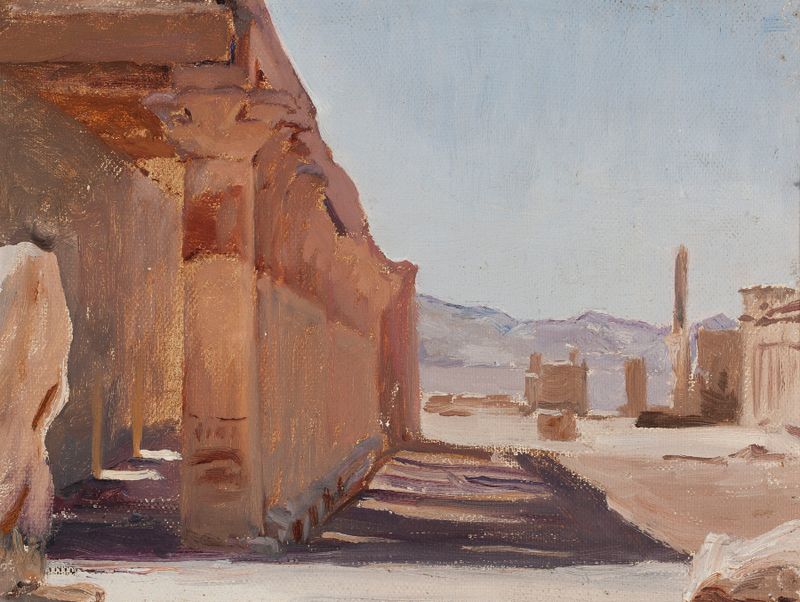
Temple. From the journey to Egypt
Jan Ciągliński
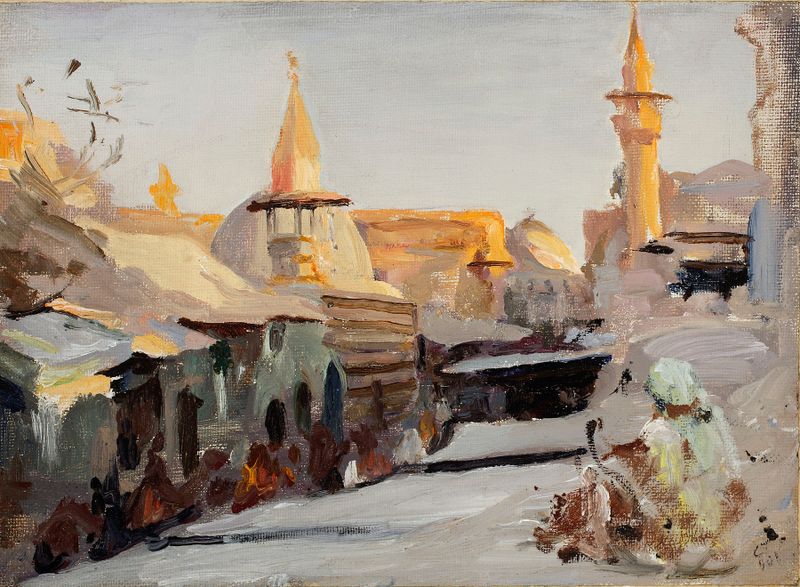
Street in Damascus. From the journey to Palestine
Jan Ciągliński
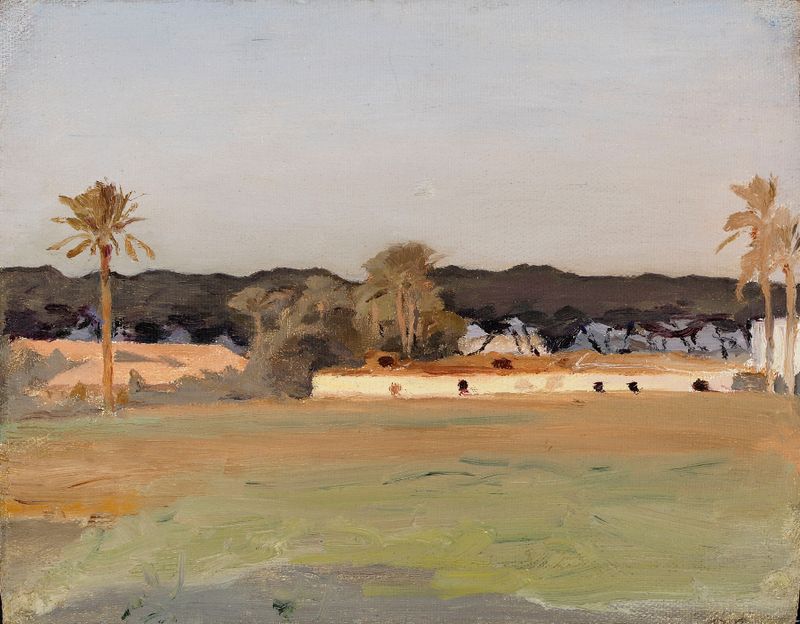
Evening. From the journey to Egypt
Jan Ciągliński
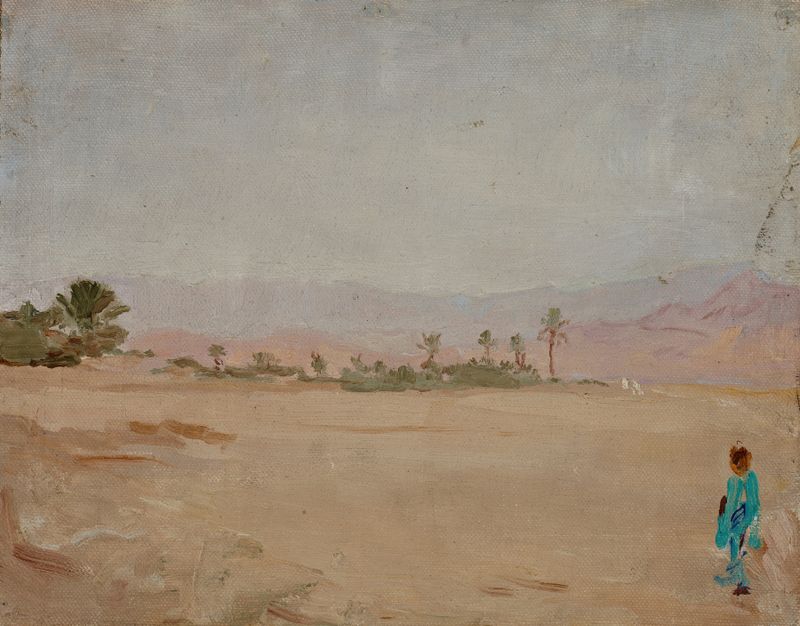
Sahara (Desert)
Jan Ciągliński
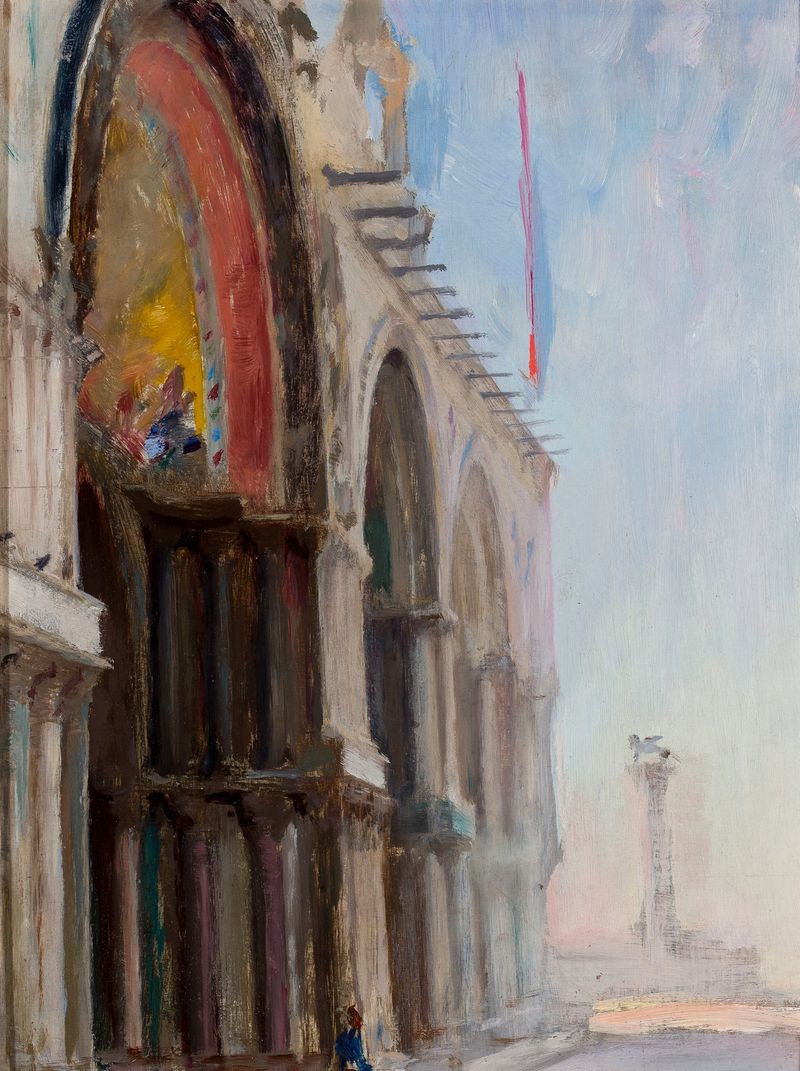
Venice – San Marco. From the journey to Italy
Jan Ciągliński
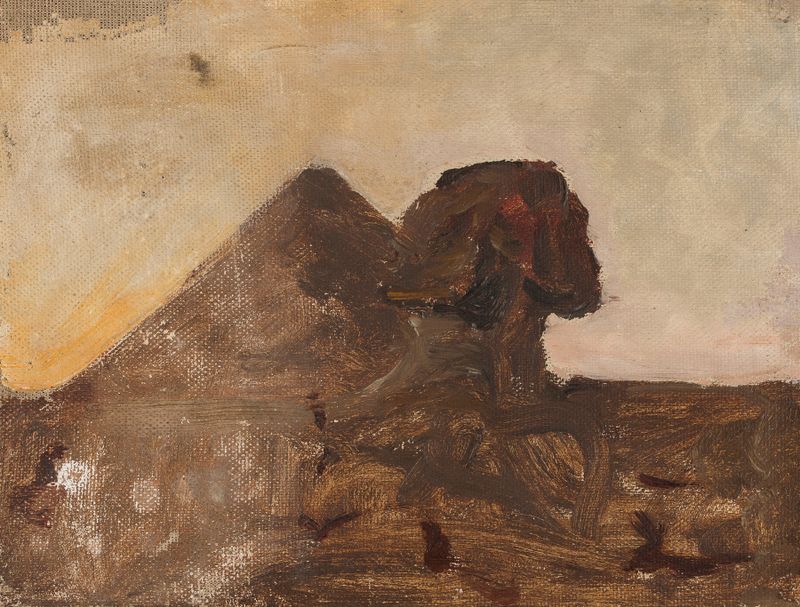
Evening in the desert – Sphinx and pyramid. From the journey to Egypt
Jan Ciągliński





