Seaside landscape with ancient ruins on the coast — History & Facts
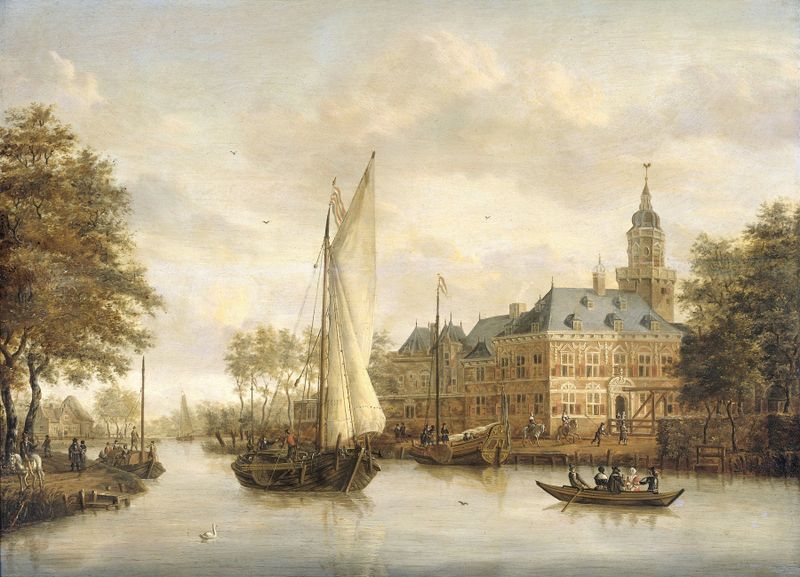
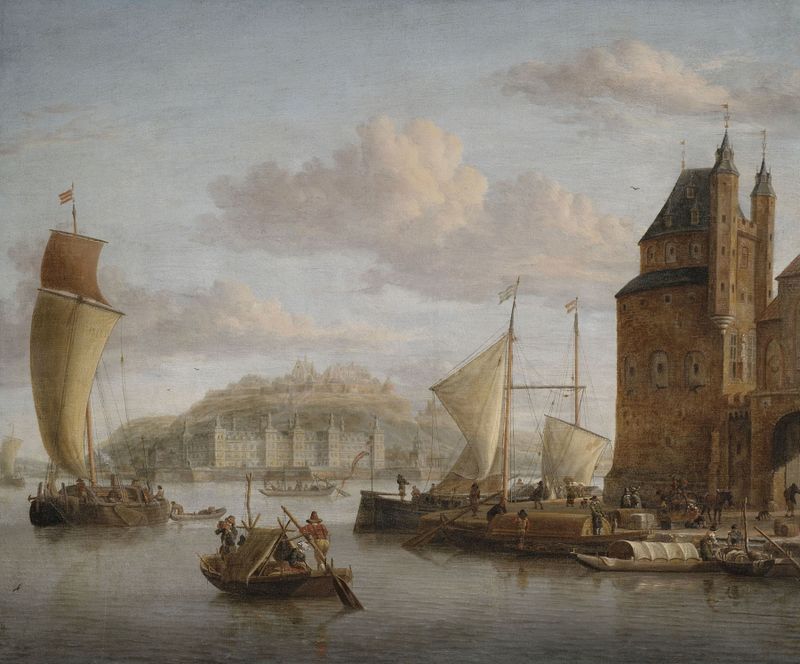
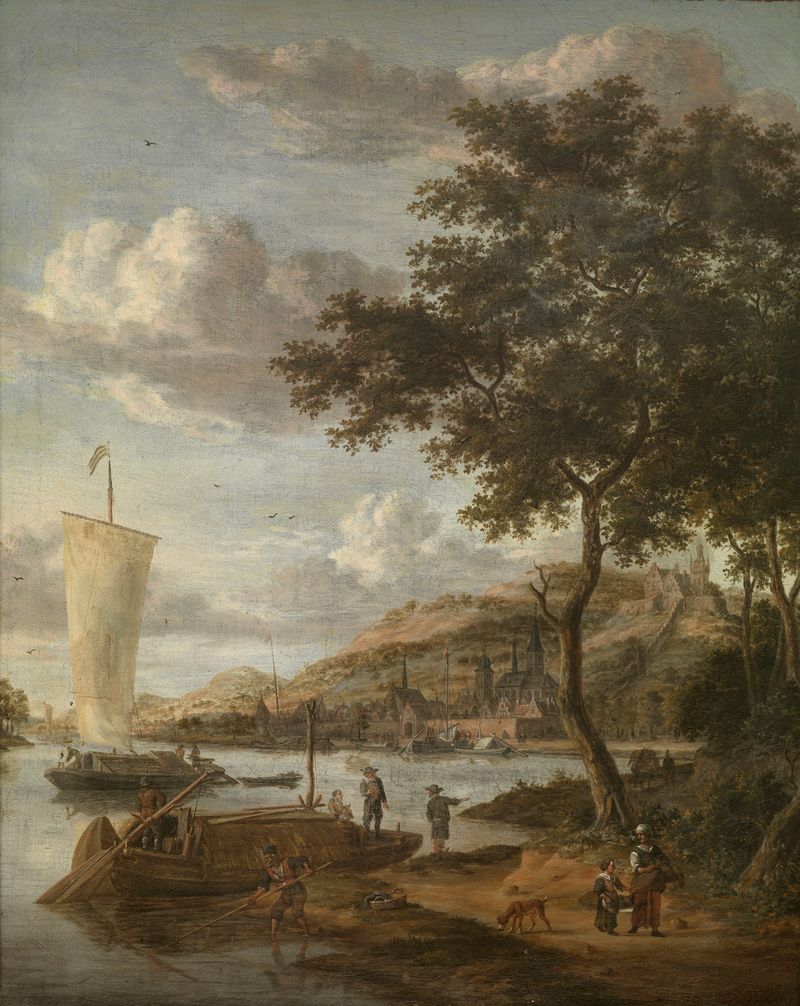
In this evocative artwork, the vast coastline stretches into an uncertain horizon, inviting contemplation of solitude and the passage of time. The ancient ruins stand sentinel-like, remnants of a once-vibrant past, echoing the loneliness of forgotten stories. Look to the left at the crumbling structures, their weathered stones contrasted against the soft blues and whites of the sky and sea. Notice how the artist employs a delicate interplay of light and shadow, breathing life into these remnants, while the gentle lapping of waves suggests both calm and melancholy.
The muted palette enhances the feeling of nostalgia, drawing the viewer’s eye toward the horizon where the sea meets the sky, a visual metaphor for endless possibility yet fraught with isolation. Amidst the beauty, there is a palpable tension between nature and man’s creations. The ruins symbolize human ambition and its inevitable decay, a stark reminder of time’s relentless march. In the foreground, grasses sway in the breeze, hinting at life’s resilience even in desolation.
The overall composition evokes a contemplative mood, prompting introspection about existence, memory, and the legacies we leave behind. Jacobus Storck painted this landscape in 1674, a pivotal period in the Dutch Golden Age. At this time, the artist was deeply influenced by the interplay of light and atmosphere as seen in marine paintings. The tranquility of his coastal scenes reflects a society grappling with the balance of nature and human endeavor, captured poignantly in this melancholic depiction of solitude.