
Seated Woman — History & Facts
In Seated Woman, the viewer is presented with a graceful figure seated in a lush, decorative setting. The woman is dressed in fine, flowing garments that reflect the Rococo style, characterized by soft pastel colors and intricate details. Her posture is relaxed yet elegant, suggesting a sense of leisure and refinement.
The background features delicate floral motifs and drapery that enhance the overall charm of the composition. The painting is executed in oil on canvas, a common medium for the Rococo period, allowing for rich color and texture. Watteau's brushwork is fluid, creating a sense of movement and softness in the fabric of the woman's dress. The use of light and shadow adds depth, highlighting the contours of her figure and the surrounding elements.
Viewers can appreciate the meticulous attention to detail in both the woman's attire and the decorative elements. Jean-Antoine Watteau was a leading figure in the Rococo movement, known for his ability to capture the elegance of French aristocracy. Seated Woman is a notable example of his work, showcasing his skill in portraying intimate moments of leisure. Interestingly, this painting reflects the cultural shift of the early 18th century, where art began to focus more on personal expression and the beauty of everyday life.
Watteau's influence can be seen in the works of later artists who embraced similar themes of grace and beauty.
More Artworks by Jean-Antoine Watteau
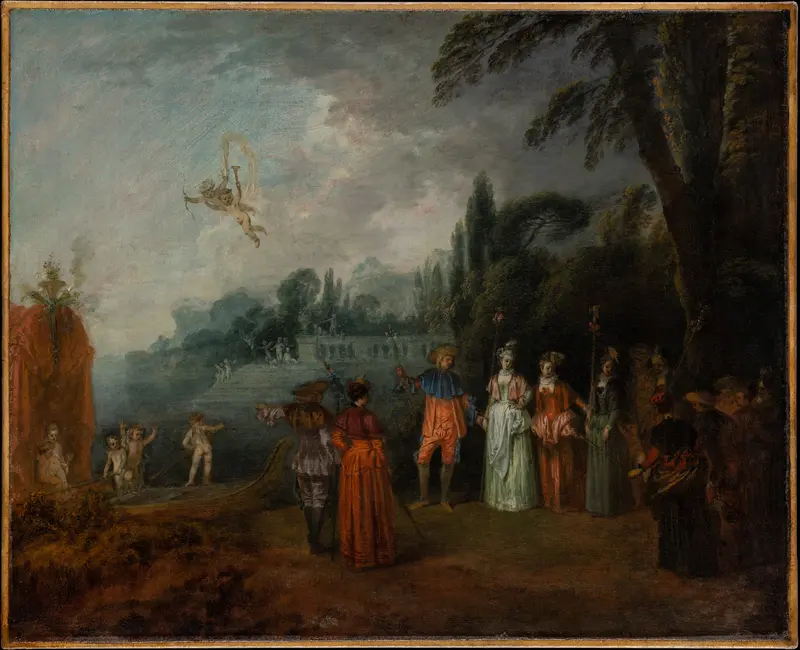
The Embarkation for Cythera
Jean-Antoine Watteau
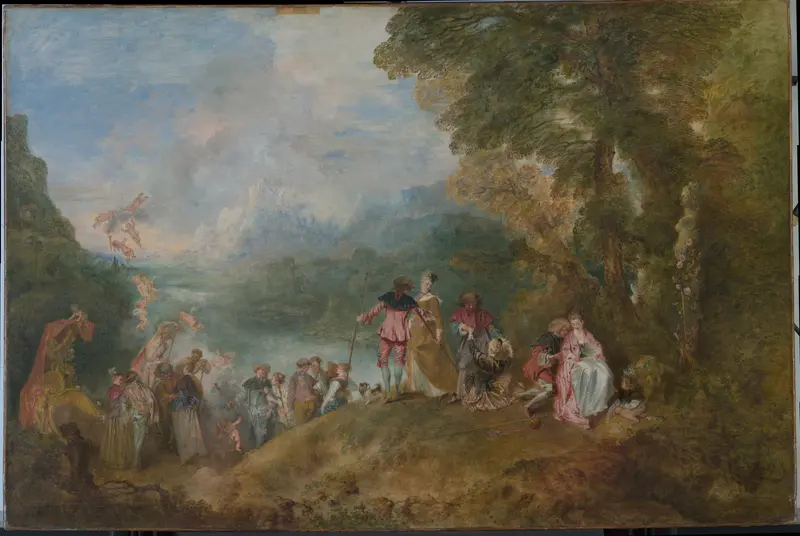
L’Embarquement pour Cythere
Jean-Antoine Watteau
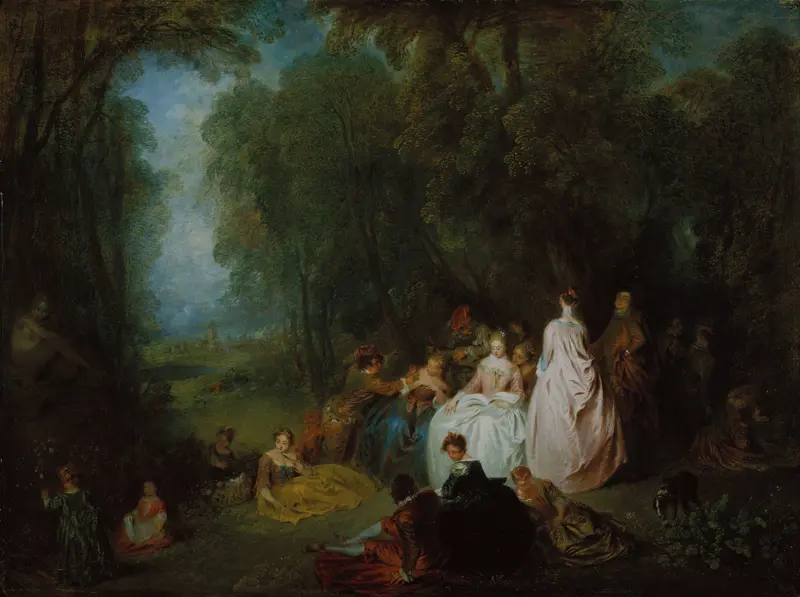
Fête champêtre (Pastoral Gathering)
Jean-Antoine Watteau
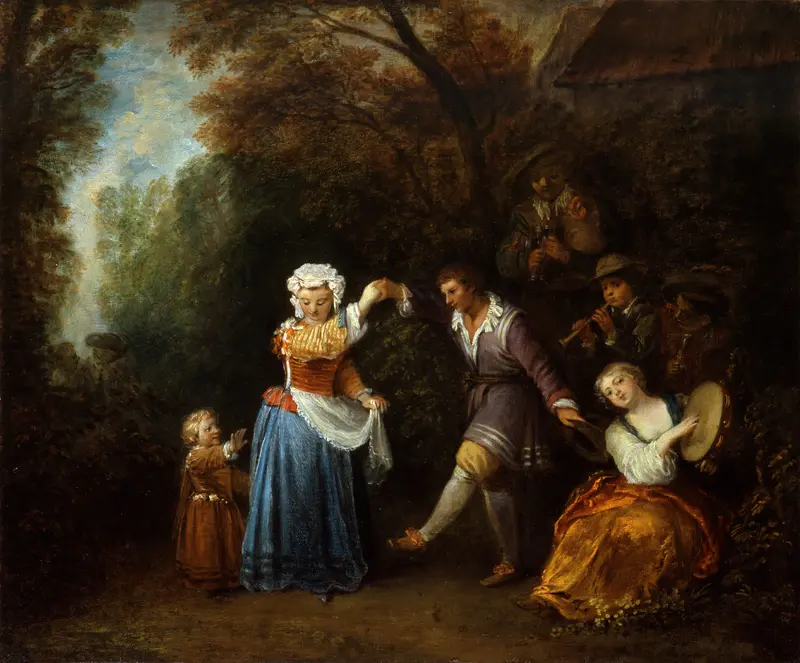
The Country Dance
Jean-Antoine Watteau

The French Comedians
Jean-Antoine Watteau
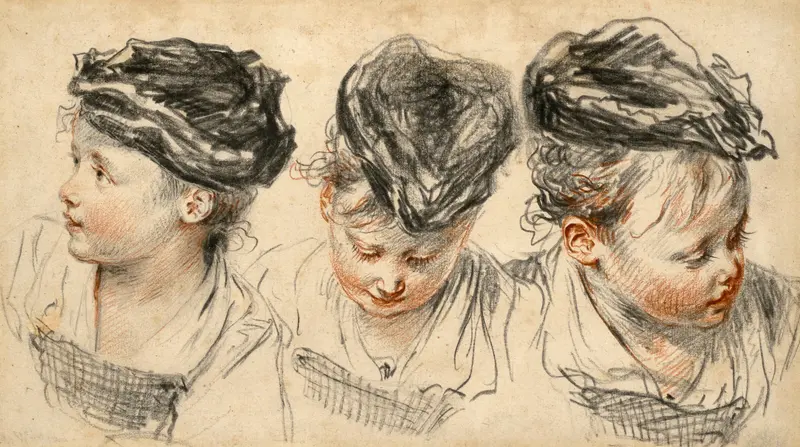
Three head studies of a girl wearing a hat
Jean-Antoine Watteau
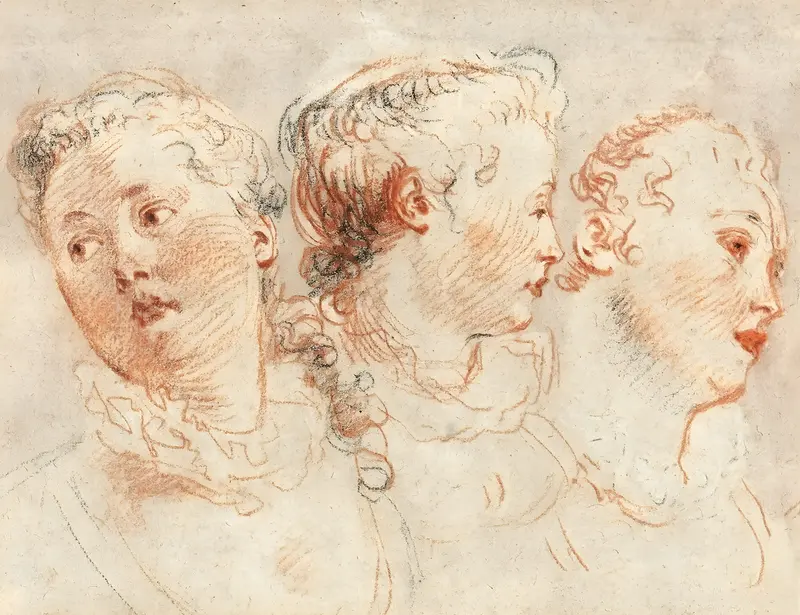
Three Studies Of The Head Of A Woman
Jean-Antoine Watteau

Portret van een dame met harlekijn
Jean-Antoine Watteau
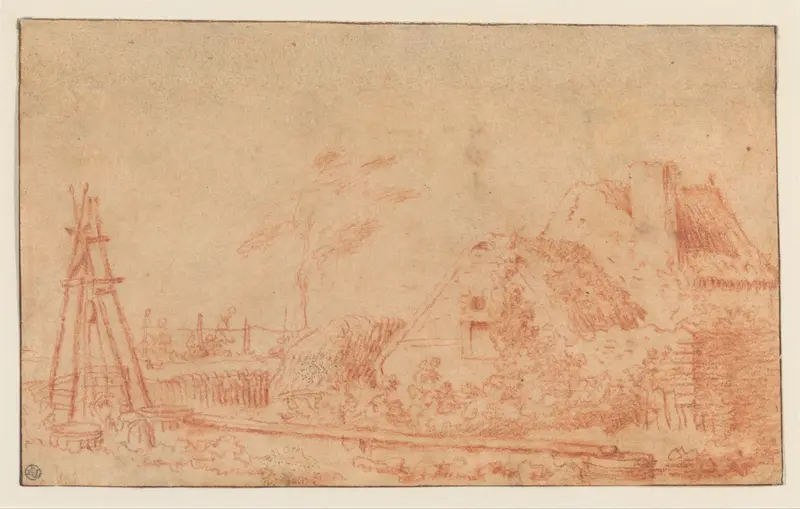
Landscape with a Cottage and Well
Jean-Antoine Watteau
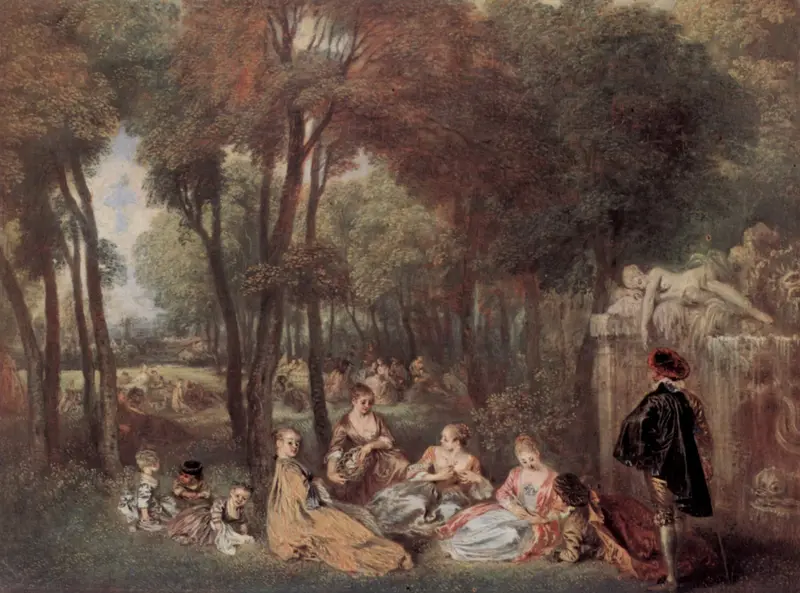
Les Champs Elisées
Jean-Antoine Watteau





