Securing The Boat — History & Facts
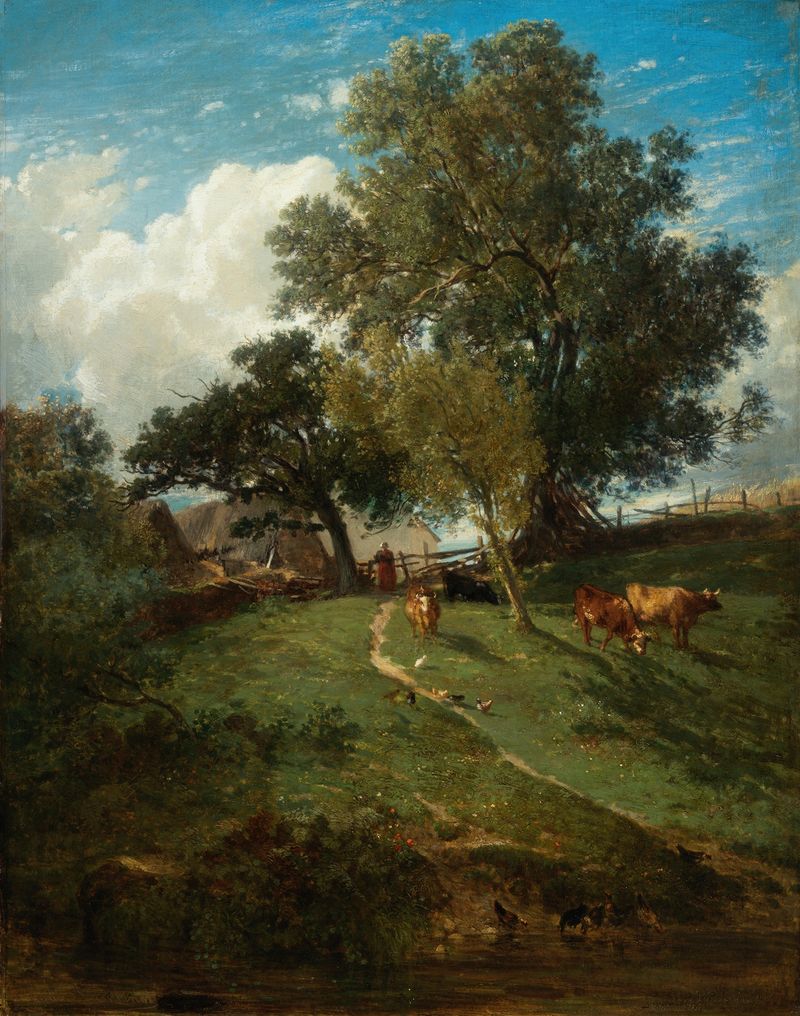
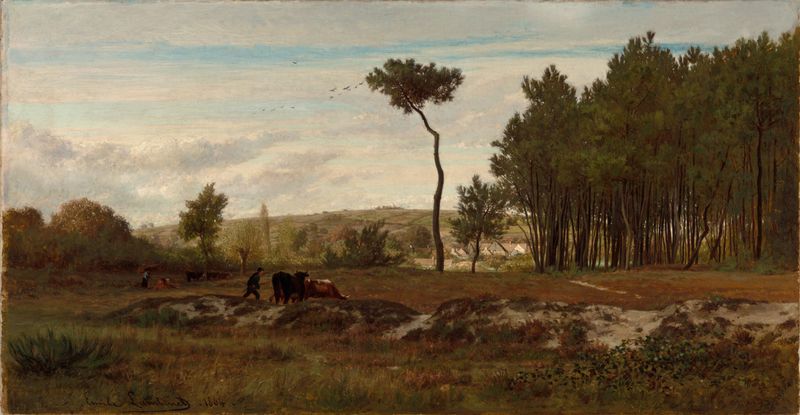
What secret hides in the quiet of the canvas? In Securing The Boat, desire lingers, weaving through strokes of color and deliberate silence, inviting viewers to contemplate the unspoken. Look to the center, where the boat lies nestled against the shore, its bow gently resting as if in a moment of reflection. Notice how the soft hues of blues and greens evoke a serene embrace, while the delicate interplay of light and shadow brings texture to the scene. The artist’s brushwork captures the ripples in the water, and you can almost hear the soft lapping of waves as they cradle the vessel.
The figures, mere silhouettes, become part of the landscape, suggesting a harmony between man and nature, while hinting at their underlying purpose. Yet, beneath the tranquil surface lies a tension of unfulfilled longing. The empty expanse of the water signifies journeys yet to be undertaken and dreams waiting to set sail. The way the figures engage with the boat speaks to a desire for adventure, but also a hesitation — a reluctance to leave behind the safety of the shore.
Each element invites personal interpretation, stirring emotions of yearning and the complexities of choice. Lambinet painted this work in the midst of the late 19th century, a period marked by a burgeoning interest in naturalism and the interplay between human existence and the environment. Living in France during this time, he was influenced by the Impressionist movement, which sought to capture fleeting moments of light and life. This painting reflects his contemplation of both personal desire and the broader shifts in artistic expression that were taking place around him.