
Self-Portrait — History & Facts
Self-Portrait is an oil painting on cardboard created by Ivan Kramskoi in 1874. Measuring 42.5 by 34 centimeters, the work depicts the artist himself at roughly mid-bust length, set against a dark reddish-brown background. Painted during a period when Kramskoi was a leading figure among the Russian realist painters, the portrait reflects his interest in psychological depth and individual character. The composition presents Kramskoi facing the viewer directly, his gaze steady and serious.
His brown hair and beard are rendered with careful attention to texture, and his features are modeled with subtle gradations of light and shadow. The dark suit and white collar are painted with broad, muted strokes, contrasting with the more detailed treatment of the face. The background is simply worked, allowing focus to remain on the sitter’s expression and presence. The painting is held by the Tretyakov Gallery in Moscow, where it is catalogued under inventory number 657.
Self-Portrait stands as a significant example of Kramskoi’s portraiture and his role in the development of Russian realist art in the late nineteenth century. The work has been exhibited as part of the gallery’s permanent collection and is recognized as an important document of the artist’s self-image during a formative period in his career.
Sources: Wikidata Q58011193 · Image source (Wikimedia Commons)
More Artworks by Ivan Kramskoi
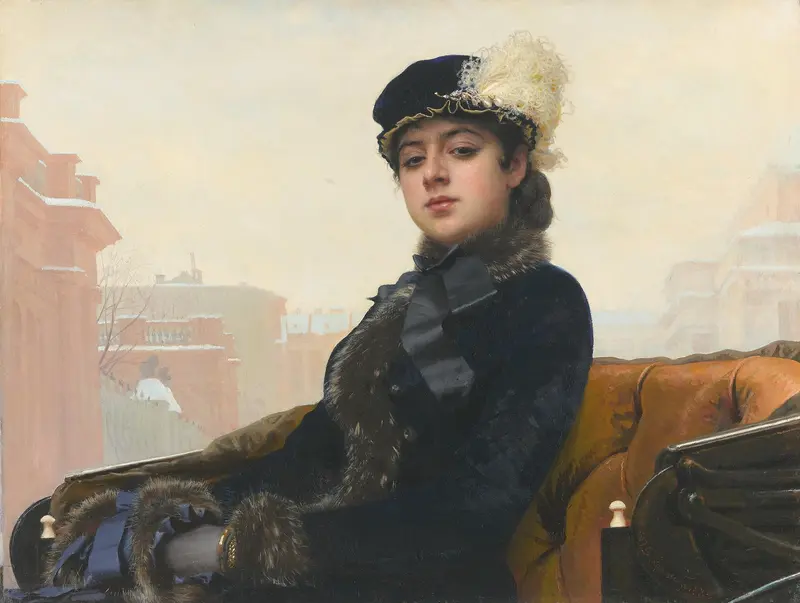
Portrait of an Unknown Woman
Ivan Kramskoi
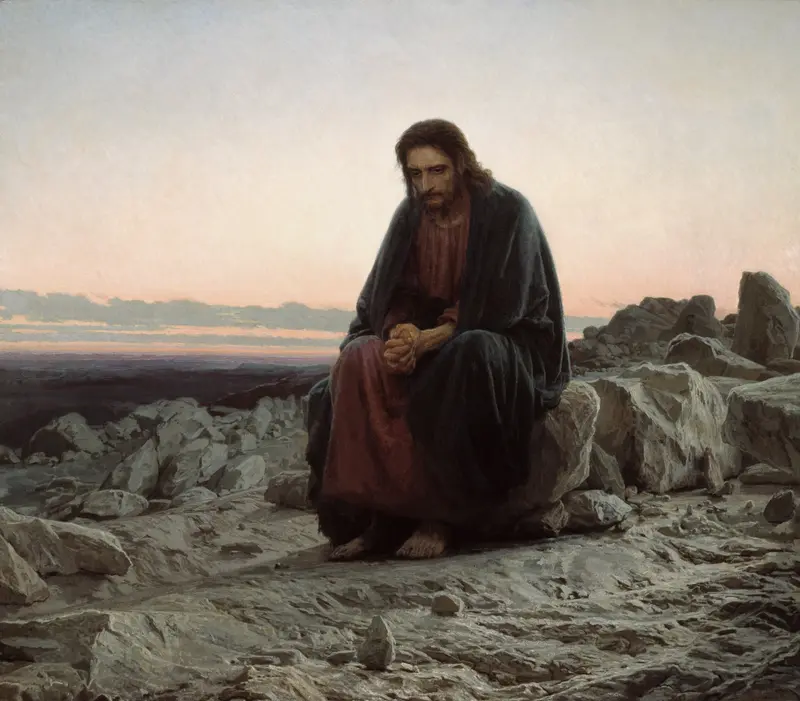
Christ in the Wilderness
Ivan Kramskoi
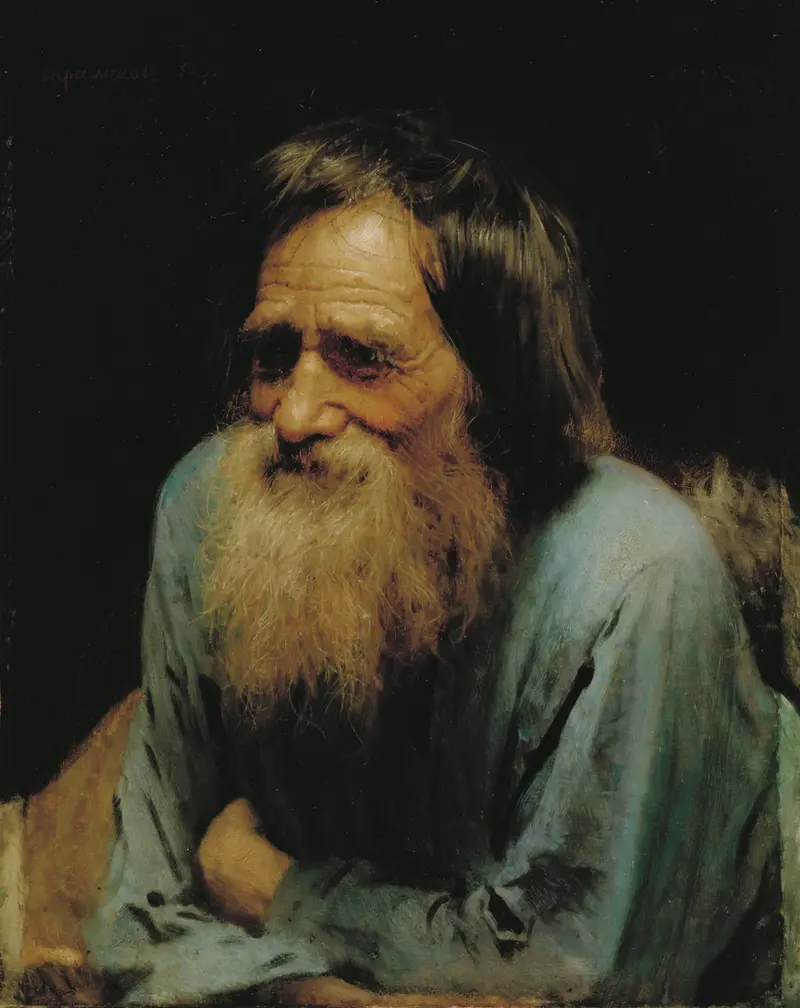
Mina Moiseyev
Ivan Kramskoi
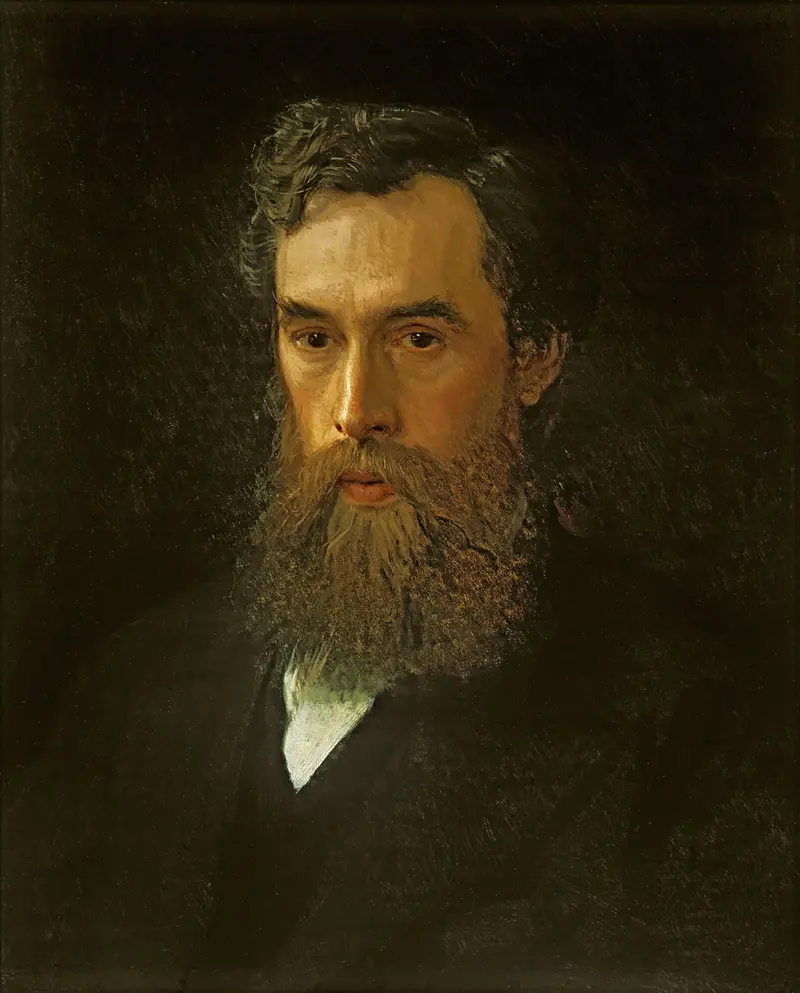
Portrait of Pavel Tretyakov
Ivan Kramskoi
Portrait of Ivan Shishkin
Ivan Kramskoi
The Mermaids
Ivan Kramskoi
Portrait of Leo Tolstoy
Ivan Kramskoi
Laughter (Rejoice, King of the Jews)
Ivan Kramskoi
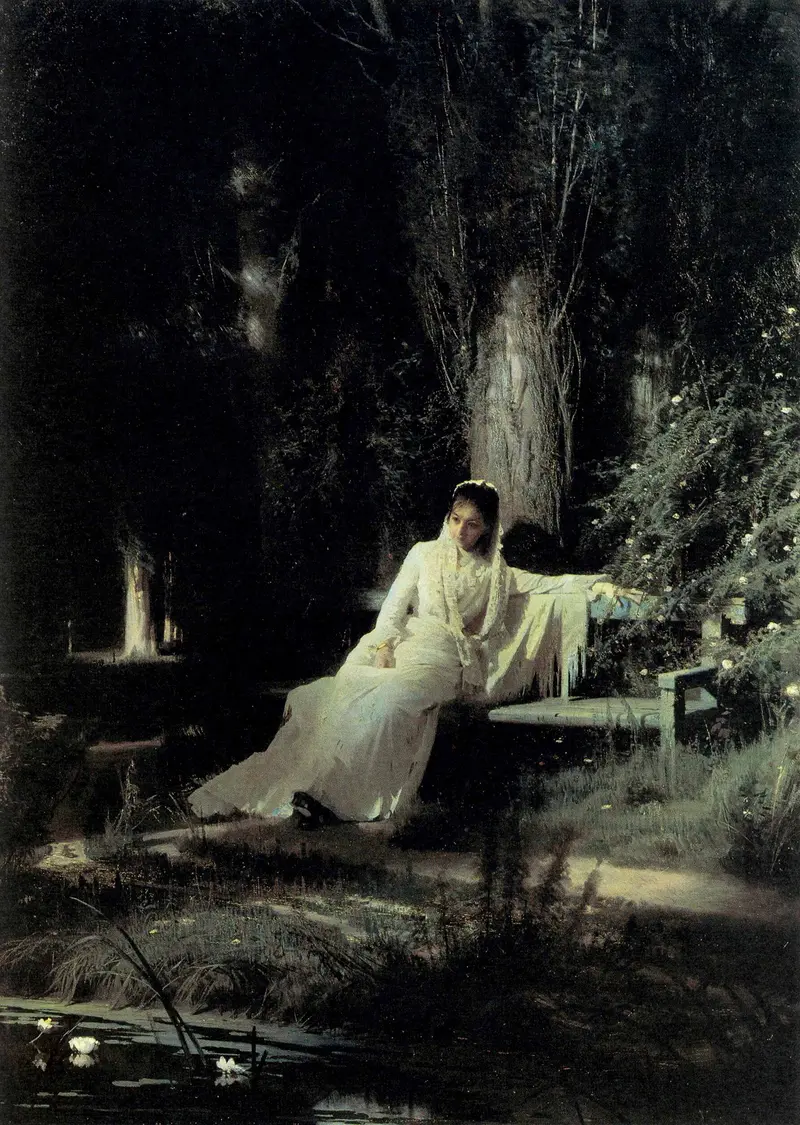
Moonlit Night
Ivan Kramskoi
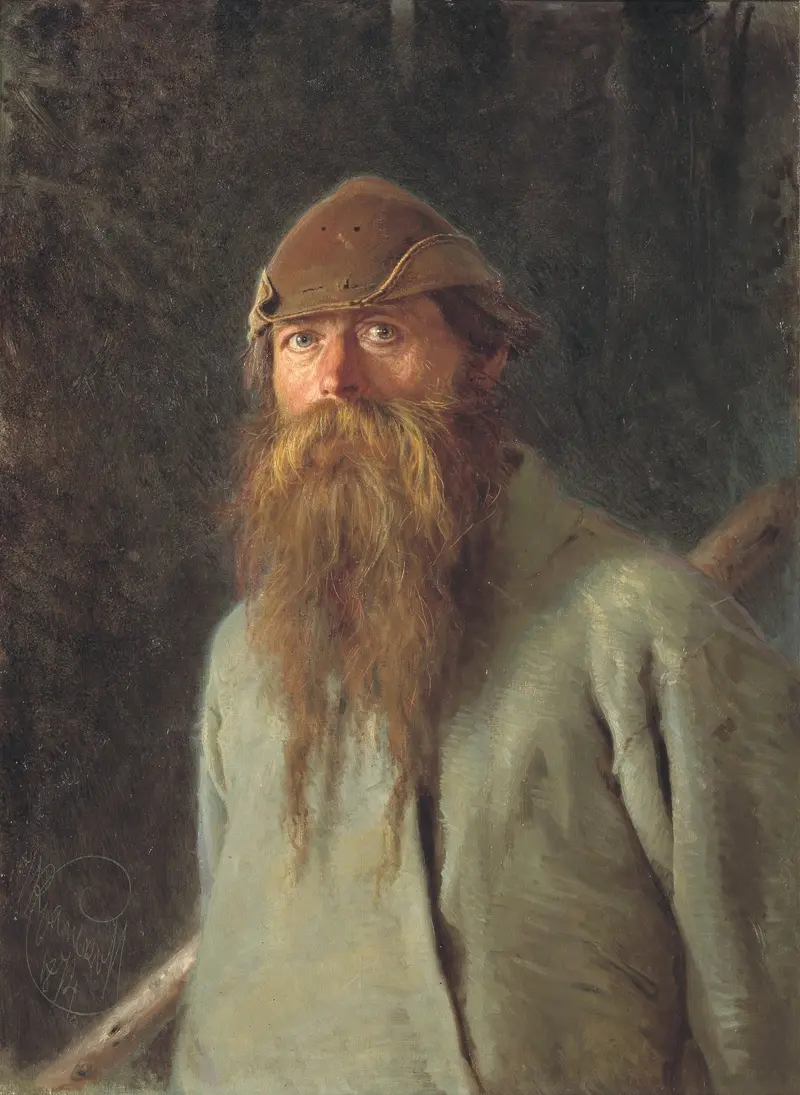
Forester
Ivan Kramskoi





