
Self-Portrait — History & Facts
Could a single brushstroke hold eternity? In Self-Portrait, the artist captures not just his likeness but the essence of vulnerability, revealing a profound fear that lingers just beneath the surface. Focus on the striking gaze that pulls you in, the shadows deepening around his face, which is framed by an intense interplay of light and color. Illuminated by a gentle glow, his features are rendered with a tactile quality, drawing your eye to the intricate details of his expression. Notice how the brushstrokes vary; the smoother strokes of flesh contrast with the more chaotic textures in the background, suggesting both clarity and tumult within his psyche. In this intimate portrayal, the artist plays with the contrasts between confidence and trepidation.
The almost palpable tension in his expression suggests a man grappling with identity, while the muted palette hints at the fears that accompany self-exploration. Every detail, from the slightly downturned corners of his mouth to the softness of his hair, speaks to a complex emotional landscape, revealing the struggle between self-assuredness and doubt. Frédéric Bazille created this self-portrait during a period of burgeoning creativity in 1865–66, while living in Paris, a city thriving with artistic innovation. He was actively engaging with the Impressionist movement and its principles, despite often feeling like an outsider among his contemporaries.
This work emerged as he navigated personal and professional uncertainties, reflecting both the aspirations and anxieties of a young artist in a rapidly changing world.
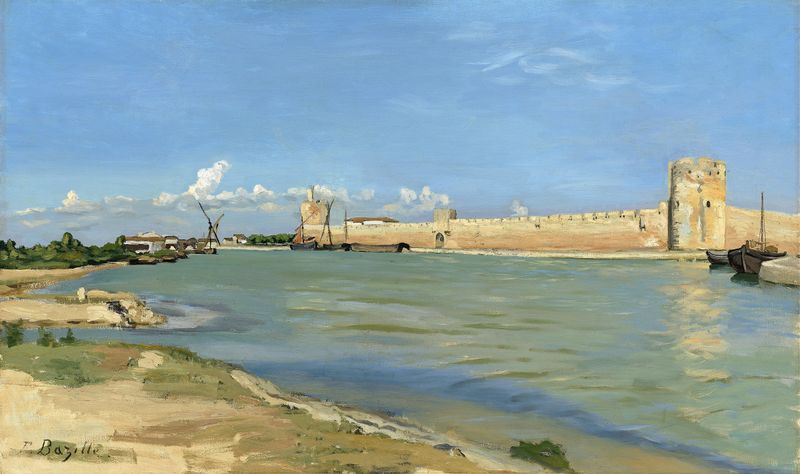
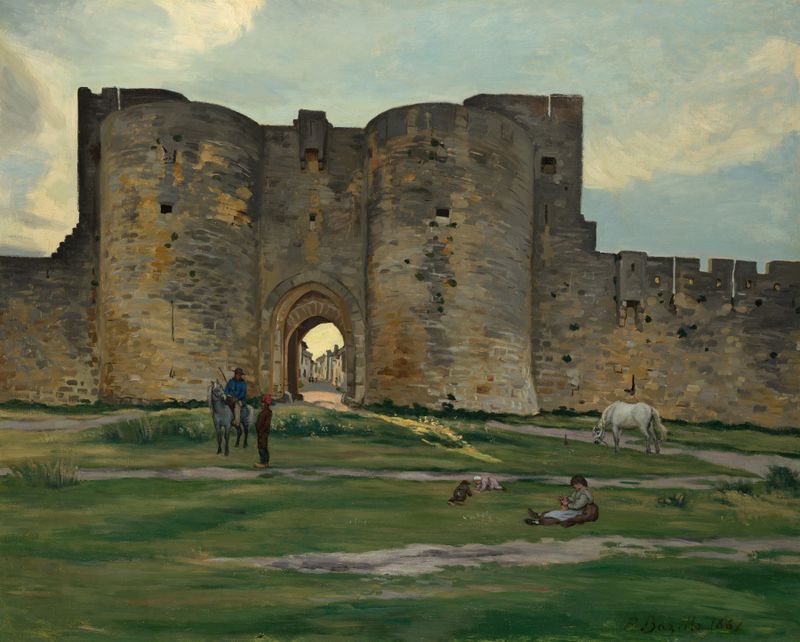
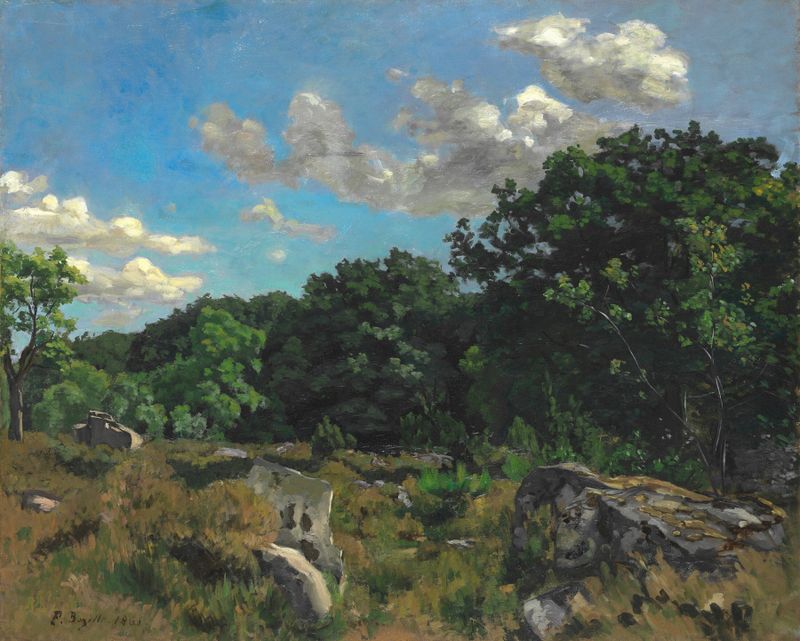
More Artworks by Frédéric Bazille
Browse all →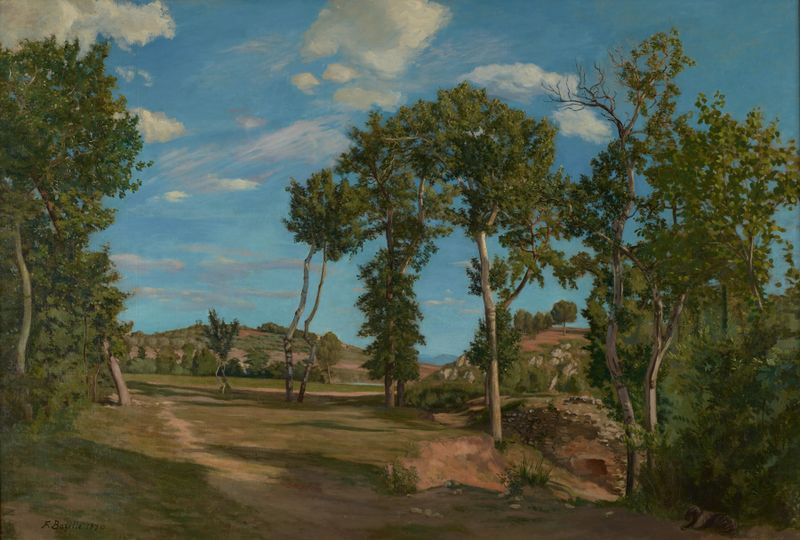


More Portrait Art
Browse all →
Las meninas
Diego Velázquez

Self-portrait with a Bandaged Ear and Pipe
Unidentified artist

Girl with a Pearl Earring
Johannes Vermeer

The Sampling Officials of the Amsterdam Drapers’ Guild, Known as ‘The Syndics’
Rembrandt van Rijn

The Hundred Guilder Print: the man seen on the back in the lower left corner
Rembrandt van Rijn

Portrait of Dr Gachet
Vincent van Gogh