
Service in the Southern Archipelago — History & Facts
What draws the viewer first in Service in the Southern Archipelago is the hush that seems to settle over the scene, as if the landscape itself has paused to listen. The congregation is scattered on rough benches and stones, their faces turned toward a solitary figure—likely a pastor—who stands before a makeshift altar draped in white. The lake behind him stretches wide and pale, its calm surface echoing the quiet reverence of the moment.
Every gesture is purposeful: a woman bows her head in prayer, a child sits cross-legged in the grass, and the cluster of villagers hold their hymnals or clasp their hands, their attention bound to the ritual unfolding in this open-air chapel. The cool, silvery palette and the gentle diffusion of light lend the painting a sense of northern summer, where faith and community gather under the open sky. Painted in 1881, this work by Albert Edelfelt belongs to a period when Finnish artists turned to scenes of everyday rural life, capturing the customs and landscapes that shaped national identity. Such images were often commissioned or celebrated by those eager to affirm local traditions in a time of political and cultural change.
The setting—identified in the source as the Uusimaa archipelago—anchors the scene in a real geography, but the painting’s true subject is the quiet dignity of communal worship far from grand cathedrals. History has kept few traces of this particular service, but the painting endures as a record of how art could sanctify the ordinary, inviting us to imagine the sound of waves mingling with the spoken word.
More Artworks by Albert Edelfelt

The Day of Rest
Albert Edelfelt
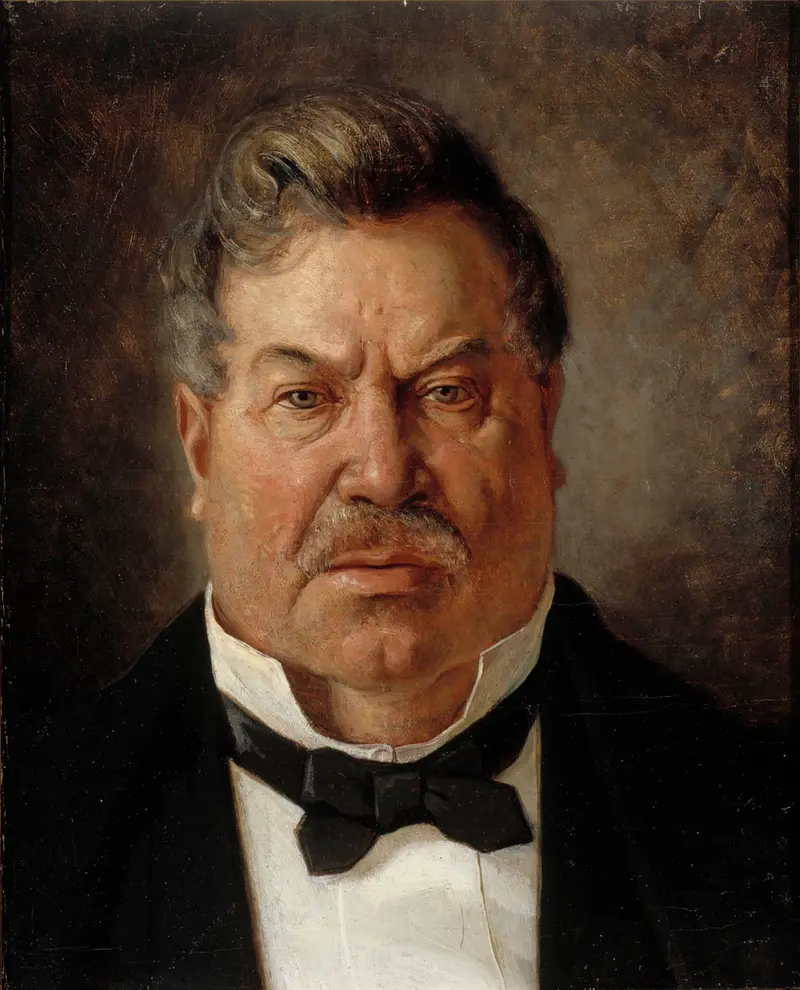
Portrait of August Streng
Albert Edelfelt
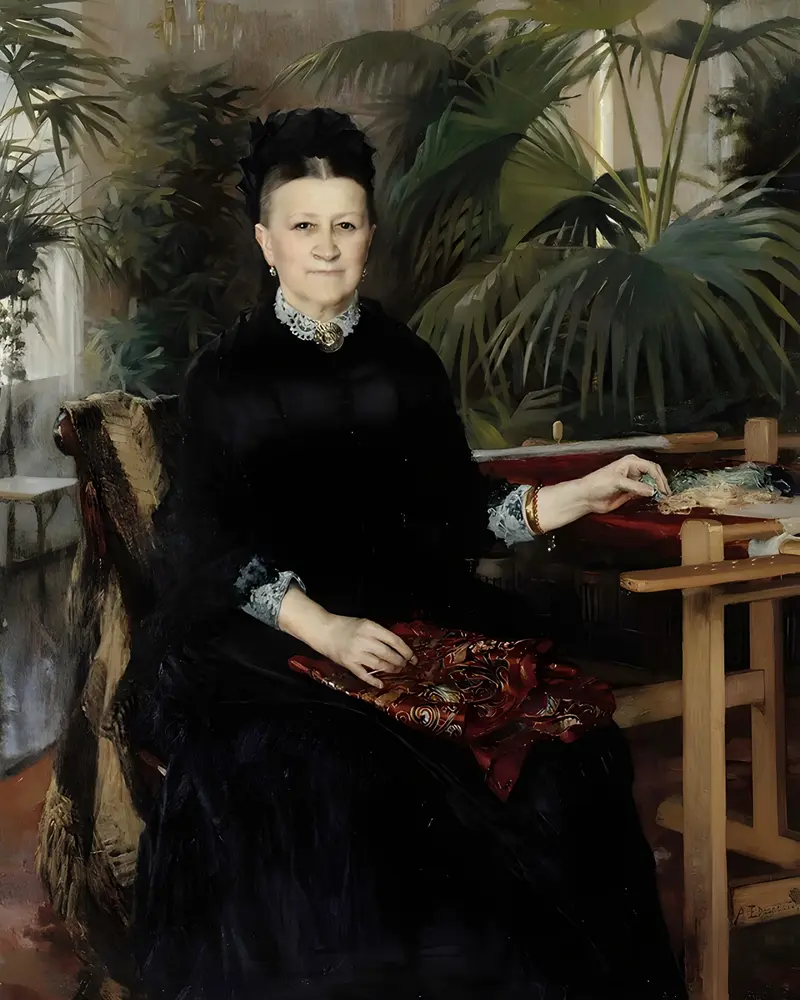
Portrait Of Mrs. Anna Sinebrychoff
Albert Edelfelt

The Poet, Larin Paraske
Albert Edelfelt

Parisian lady in a Peignoir
Albert Edelfelt
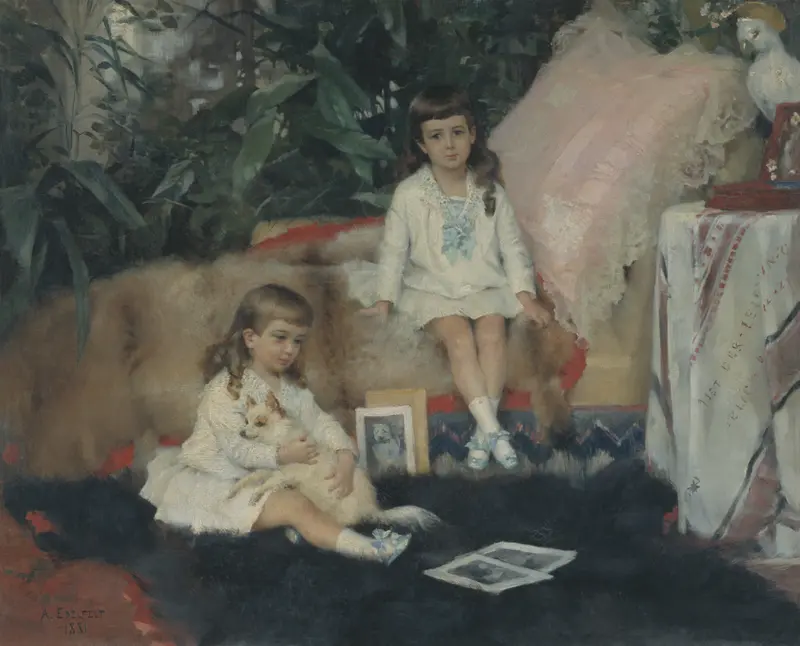
The Grand Dukes Boris and Kirill Vladimirovich as Children
Albert Edelfelt
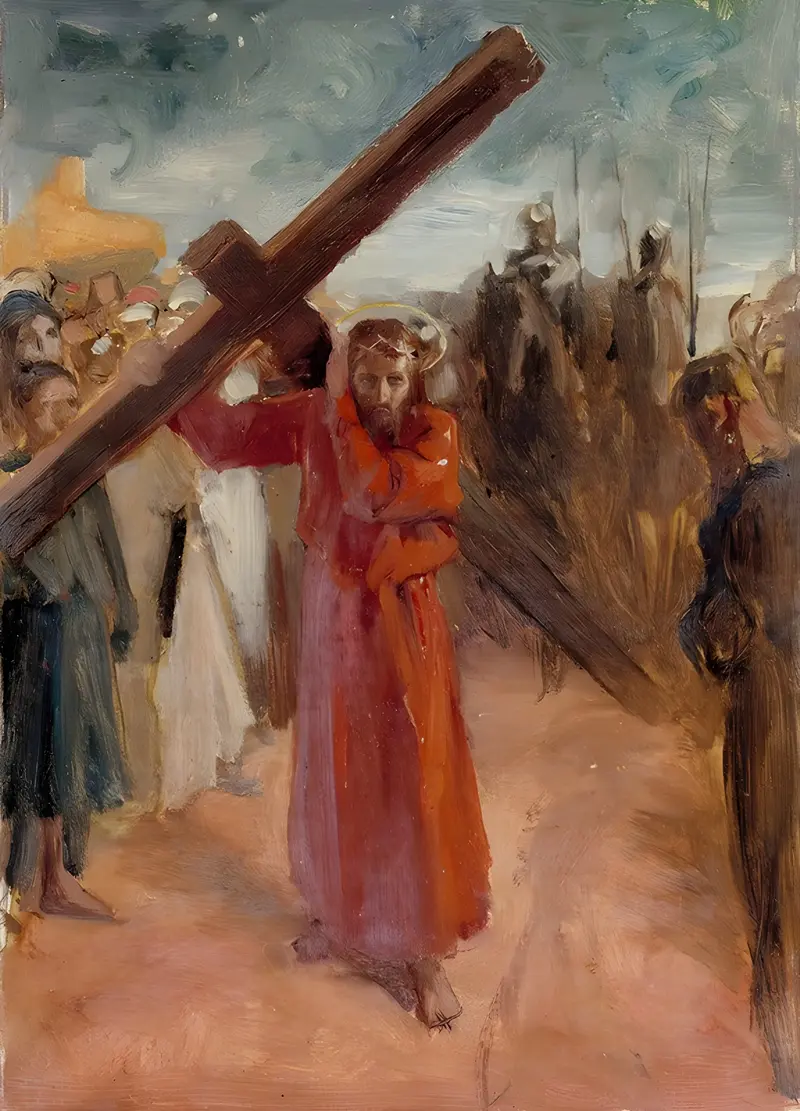
Christ Bears The Cross
Albert Edelfelt
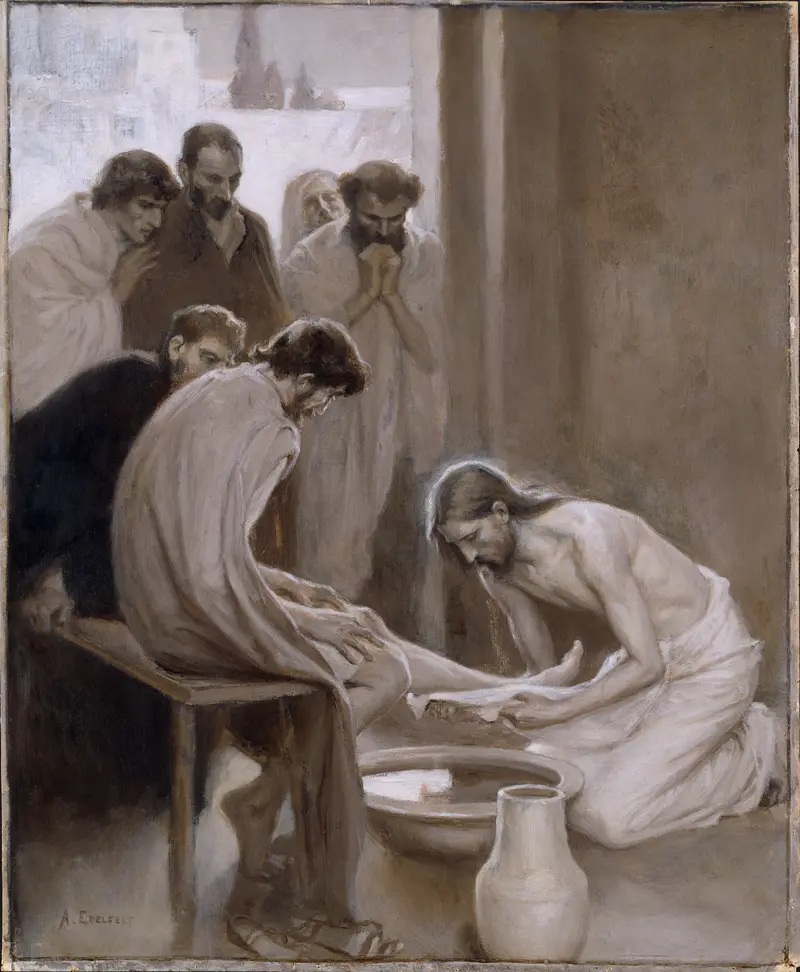
Jesus Washing the Feet of his Disciples
Albert Edelfelt

Larin Paraske with Kantele
Albert Edelfelt
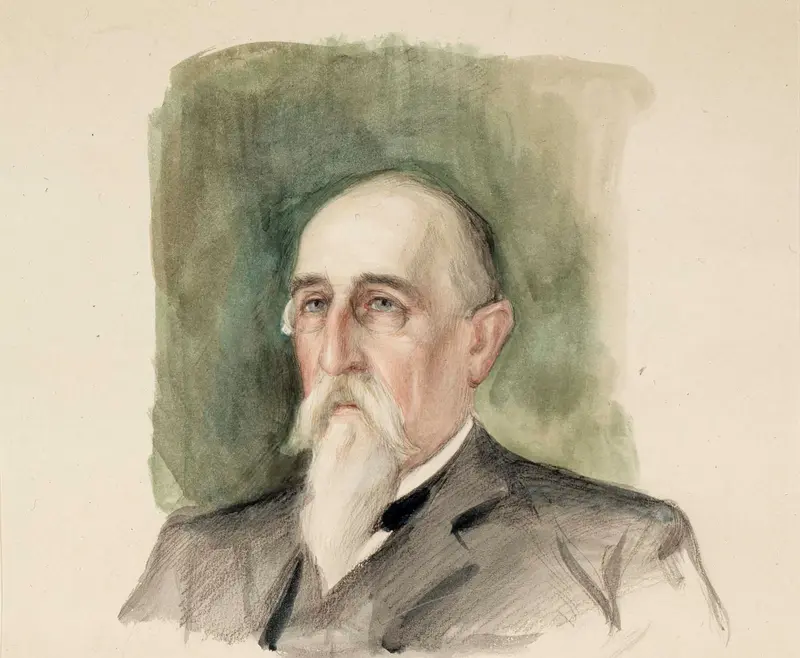
Leo Mechelin, Portrait Study
Albert Edelfelt
More Genre Scene Art

Banquet of the Officers of the St George Civic Guard
Frans Hals

Rembrandt and Saskia in the Scene of the Prodigal Son
Rembrandt van Rijn

Bal du moulin de la Galette
Pierre-Auguste Renoir

Quadrille at the Moulin Rouge
Henri de Toulouse-Lautrec

A Burial at Ornans
Gustave Courbet

When Will You Marry?
Paul Gauguin