
Sestri Levante, pergola — History & Facts
In Sestri Levante, pergola, Henry Brokman captures a tranquil scene filled with lush greenery. The painting features a pergola draped with vines, creating a shaded area that invites viewers into the landscape. Soft blues and greens dominate the palette, reflecting the serene atmosphere of this coastal town.
The gentle play of light and shadow adds depth to the foliage and the surrounding scenery. The painting is executed in oil on canvas, a medium that allows for rich color and texture. Brokman's brushwork is loose and fluid, characteristic of the Impressionist style, which emphasizes the effects of light. The dimensions are approximately 70 x 90 cm, making it a sizable work that draws the viewer in.
The composition is balanced, with the pergola serving as a focal point amidst the natural surroundings. Henry Brokman was known for his landscapes that often depicted serene outdoor settings. This particular work, created in the 1920s, reflects the artist's interest in capturing the essence of Italian coastal life. An interesting fact about this painting is that it was inspired by Brokman's travels to the Ligurian coast, where he found inspiration in the beauty of Sestri Levante.
His ability to convey a sense of place through color and light is evident in this piece.
More Artworks by Henry Brokman

Côte De Sorrente, Bleu Et Argent
Henry Brokman
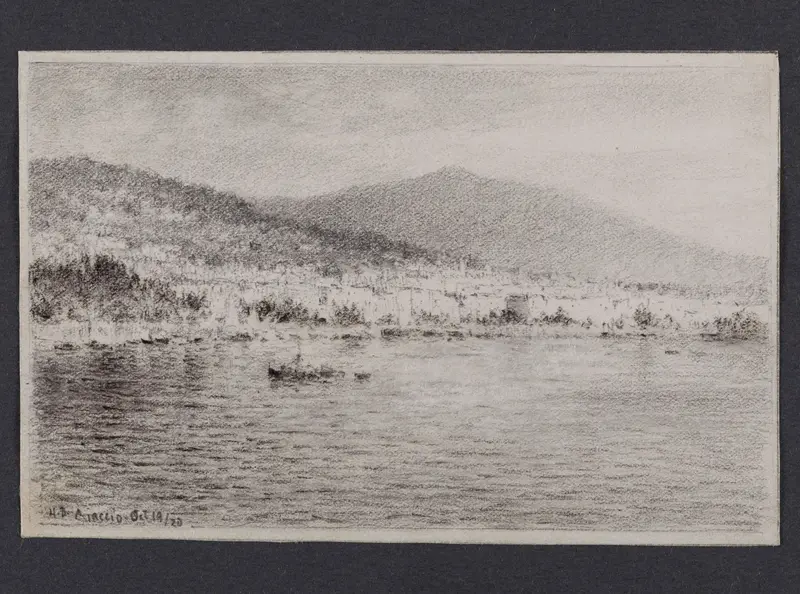
Ajaccio
Henry Brokman
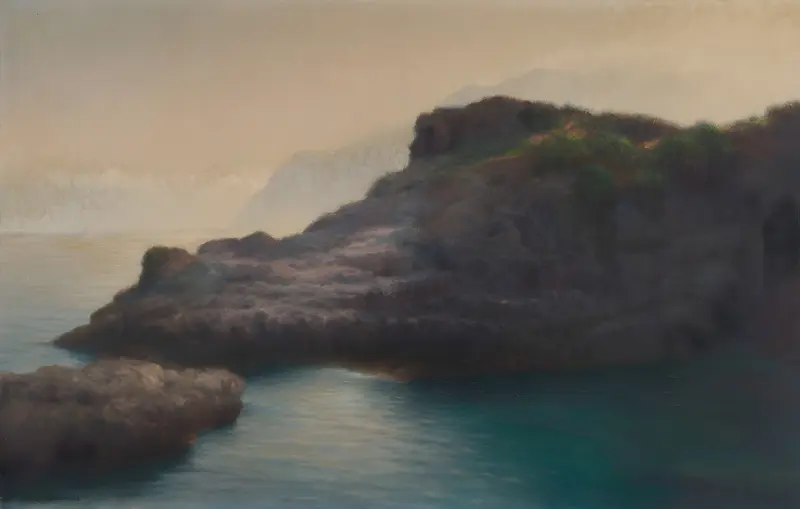
Cap de Sorrente
Henry Brokman
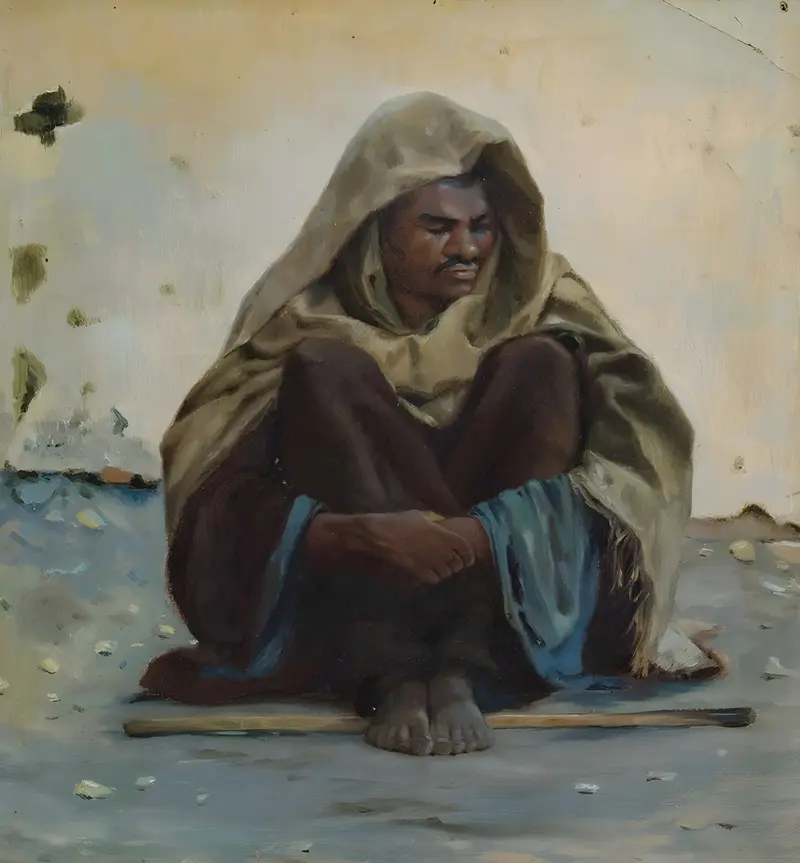
Arabe assis de face
Henry Brokman
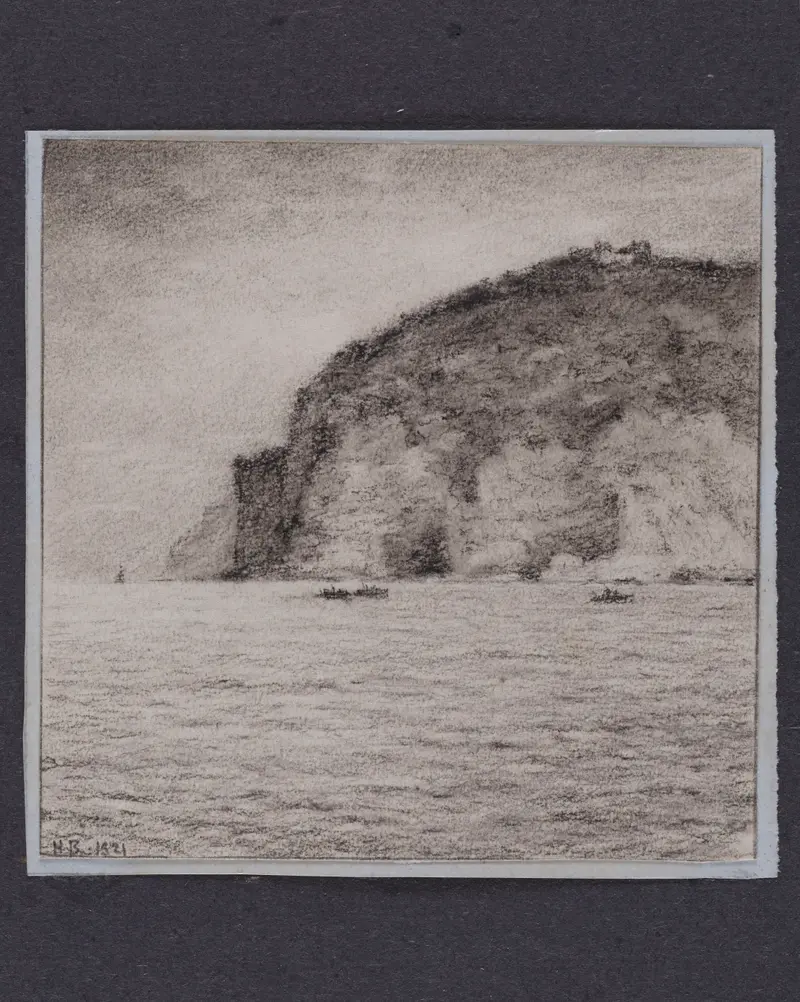
Scutolo l’après-midi
Henry Brokman
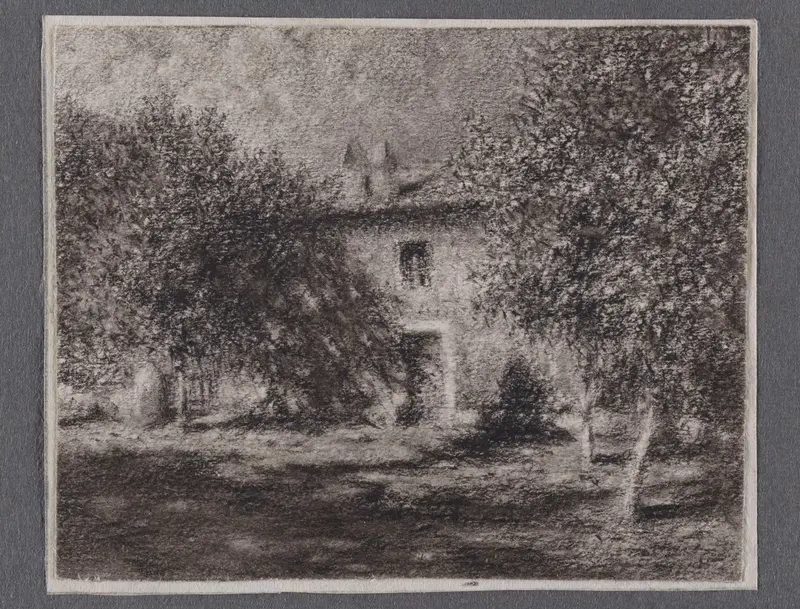
Maison à travers les arbres, dit aussi Maison à Piana (Corse)
Henry Brokman
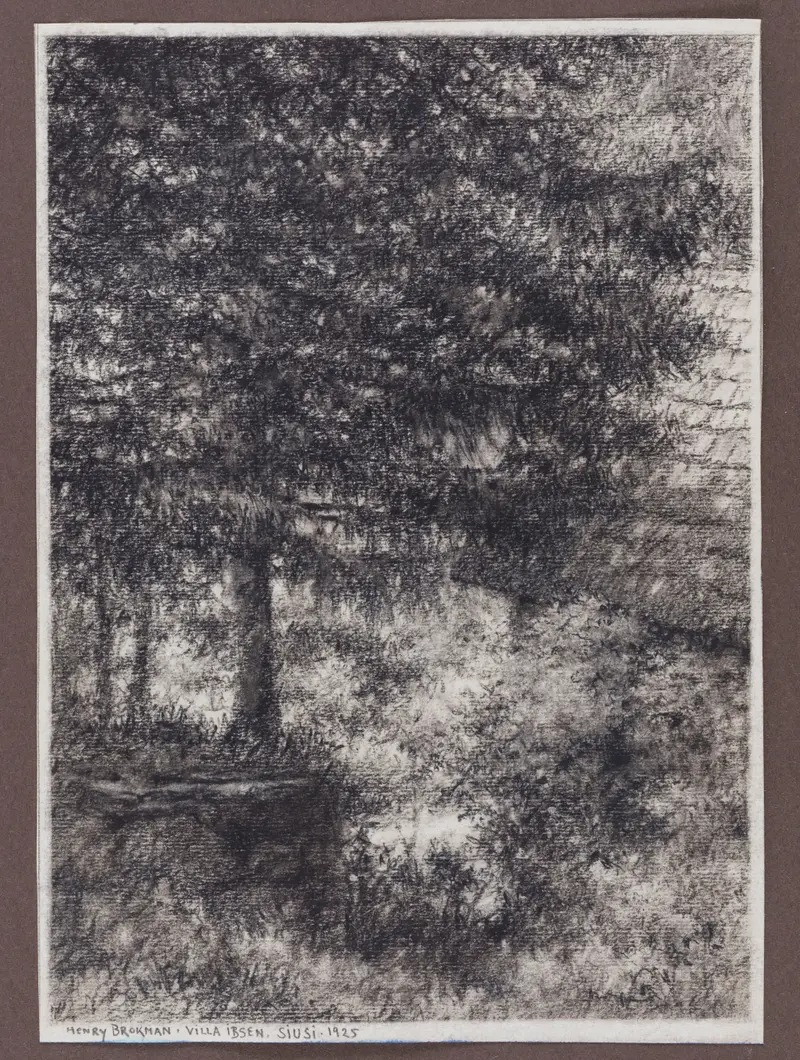
Villa Ibsen, Siusi
Henry Brokman
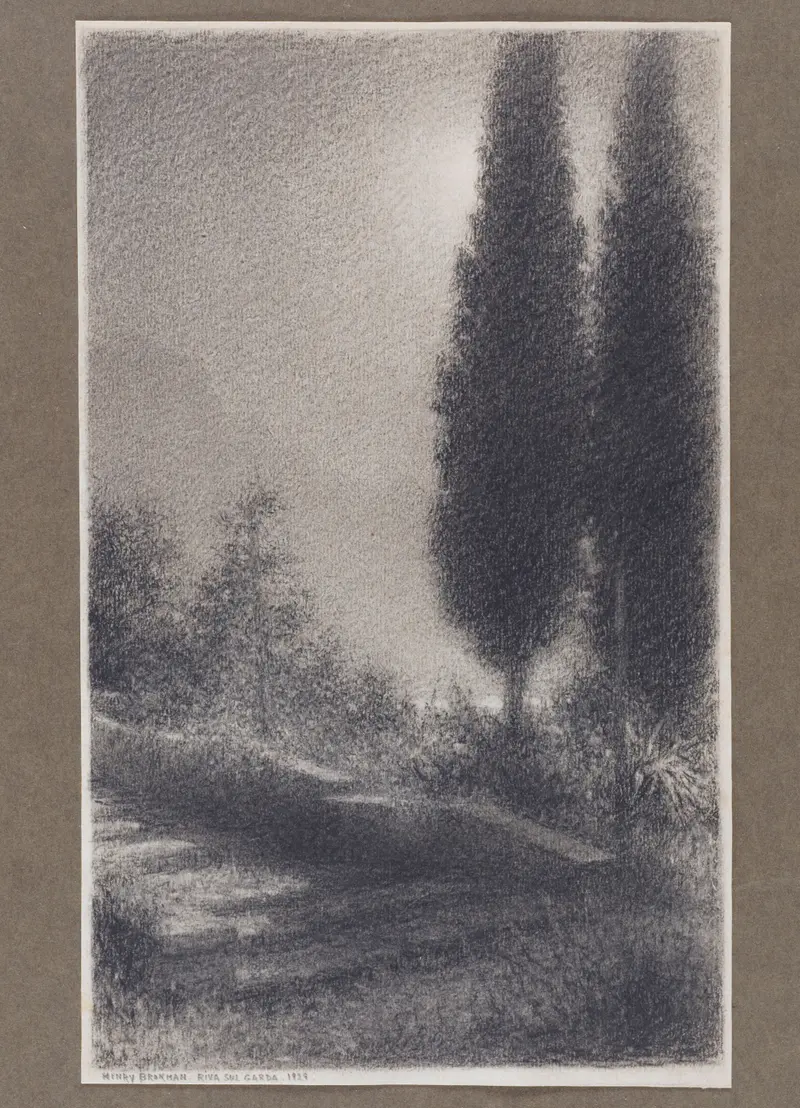
Rive du lac Garde
Henry Brokman
Cap de Sorrente
Henry Brokman
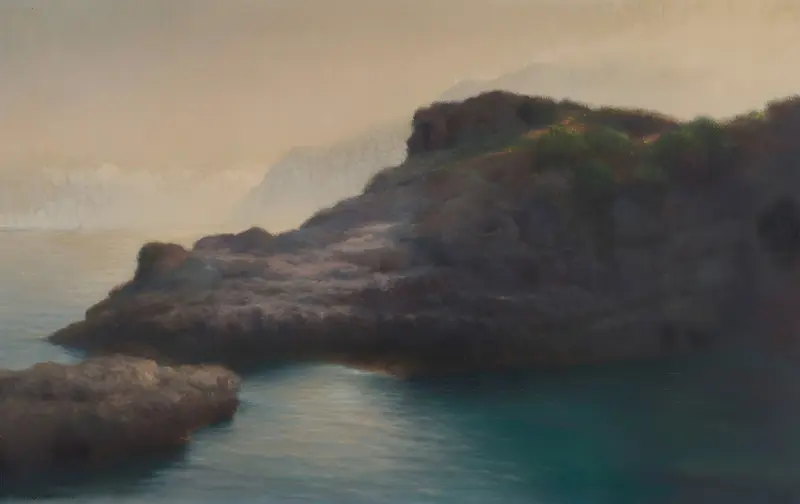
Cap De Sorrente
Henry Brokman
More Landscape Art

The Starry Night
Vincent van Gogh

View of Delft
Johannes Vermeer

Water Lilies
Claude Monet

The Grand Canal, Venice, looking north-west from the Ca' Corner to the Ca' Contarini degli Scrigni, with the campanile of Santa Maria della Carità
Canaletto

Windsor Castle
Canaletto

The Grand Canal looking North-East from the Palazzo Dolfin-Manin to the Rialto Bridge
Canaletto