
Seweryn Bethman and Saltworks Manager Andrzej Kościelecki descending into the Wieliczka salt mines to extinguish the fire in 1510). — History & Facts
In 1510, a fire broke out deep within the labyrinthine passages of the Wieliczka salt mines, threatening not just the miners’ livelihoods but the very existence of one of Poland’s most vital resources. The crisis drew the attention of Seweryn Bethman and Andrzej Kościelecki, the saltworks manager, who descended personally into the perilous depths to confront the blaze. Their descent became legendary, celebrated as an act of civic heroism and technical ingenuity, and centuries later, Jan Matejko chose this charged moment as the subject for his 1879 painting.
The work stands as one of the few major artistic commemorations of this pivotal episode in Polish industrial history. Matejko selects the instant when Bethman and Kościelecki, lanterns in hand, step into the gloom of the mine, their faces tense with resolve and fear. The flickering light plays across the rough-hewn salt walls, illuminating the anxious miners clustered behind their leaders. The painting’s composition draws the eye to the chain held by Kościelecki—a symbol of both the physical descent and the unity required to confront disaster.
Unlike the distant, almost mythic treatment of mining disasters in earlier European art, such as the anonymous 17th-century Dutch engravings, Matejko’s scene is immediate and personal, focusing on the courage and vulnerability of individuals rather than the scale of the catastrophe. The precise circumstances of the painting’s commission remain unclear, though it is known that Jan Matejko was at the height of his career, renowned for transforming Polish history into vivid narrative canvases. The work has remained in Poland since its creation, surviving wars and political upheaval, and is now part of a public collection, though its current display location is not always fixed. As with many of Matejko’s historical paintings, it serves both as a record of national memory and as a testament to the artist’s belief in the power of history painting to shape civic identity.
The painting’s medium is uncertain, but its impact within Matejko’s oeuvre is unmistakable: it stands as a rare artistic tribute to the unsung heroes of Poland’s industrial past.
More Artworks by Jan Matejko
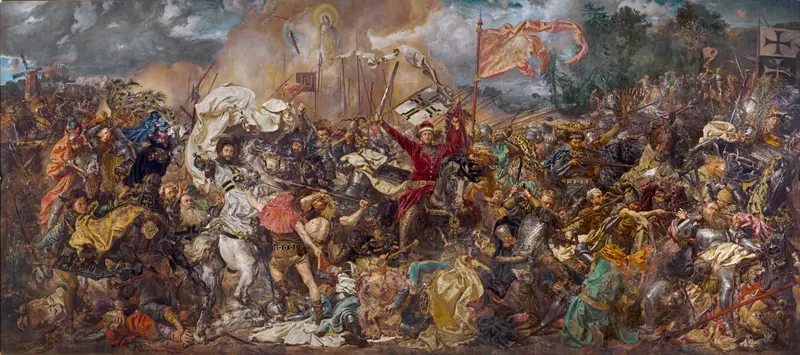
Battle of Grunwald
Jan Matejko

Stańczyk
Jan Matejko

Battle of Raclawice
Jan Matejko
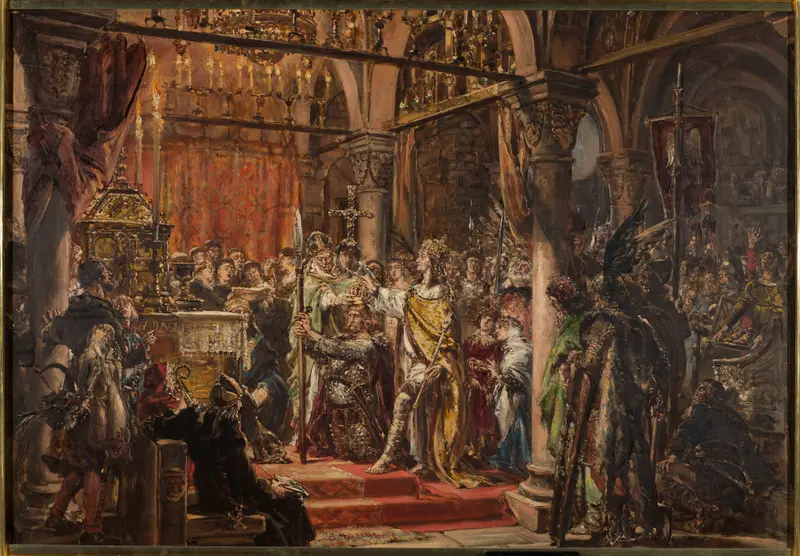
Coronation of the First King, 1001 AD, from the series “History of Civilization in Poland”
Jan Matejko
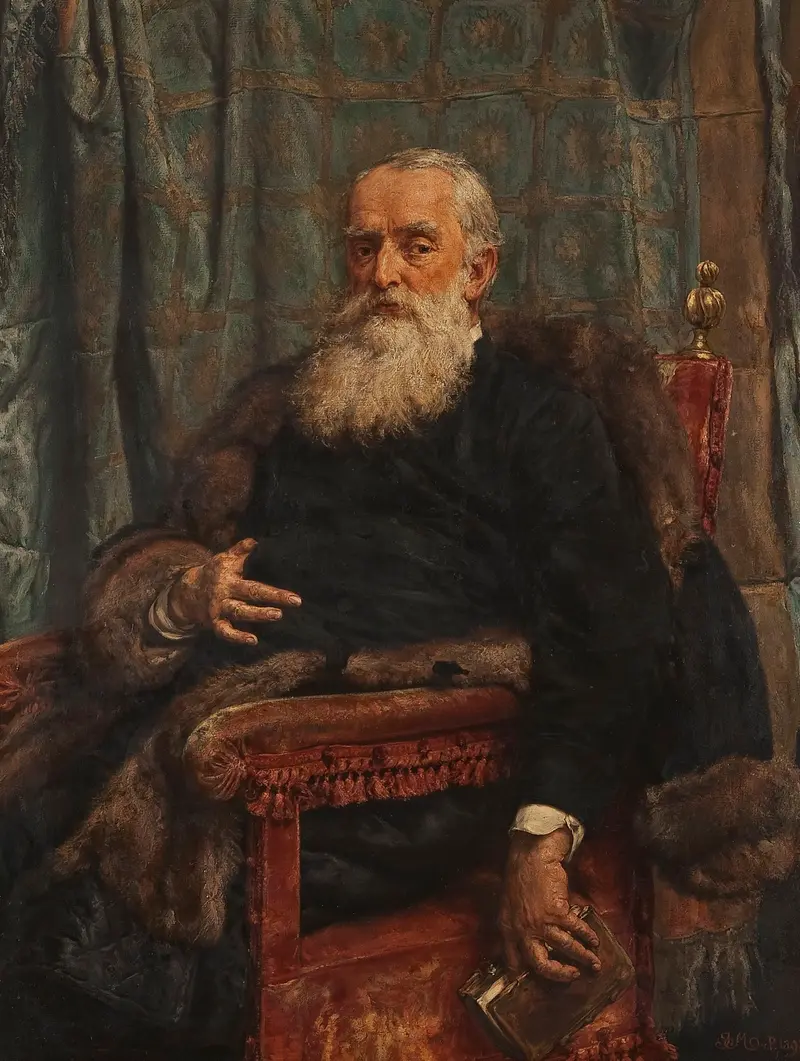
Portrait of Henryk Krajewski
Jan Matejko
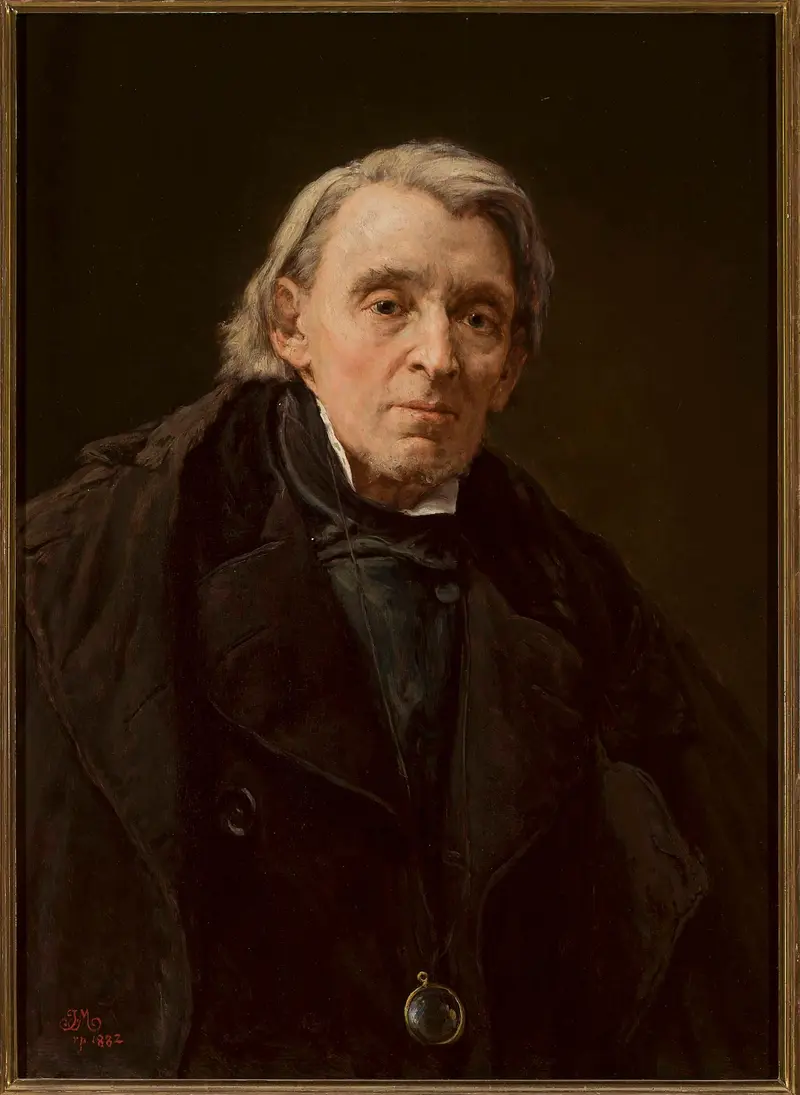
Portrait of Karol Podlewski
Jan Matejko
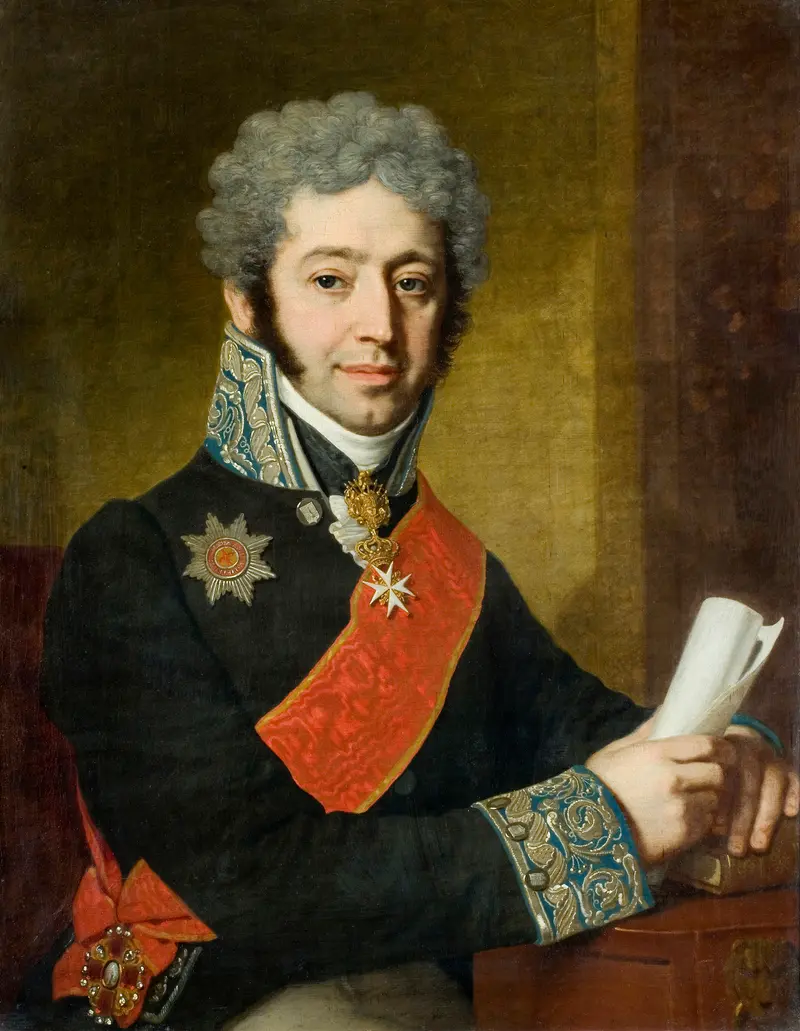
Portrait of Potocki and Poninski
Jan Matejko
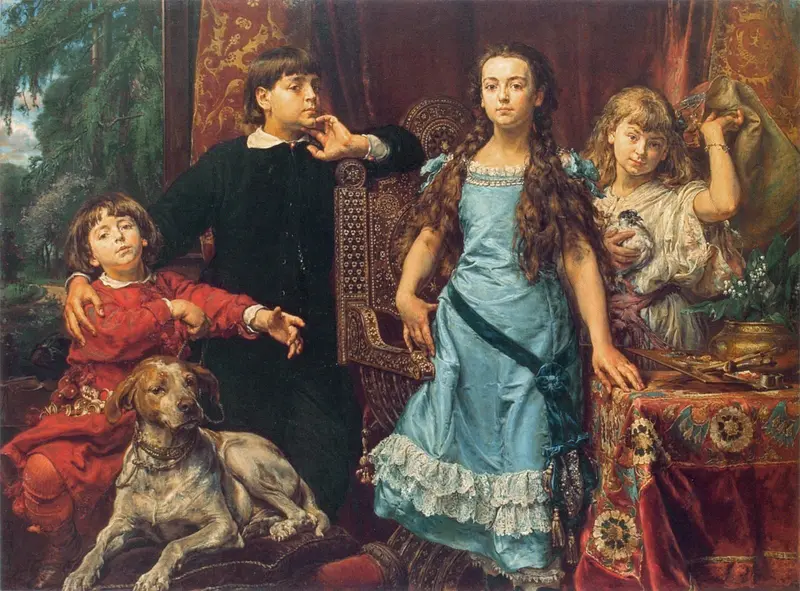
Portrait of the artist's four children
Jan Matejko
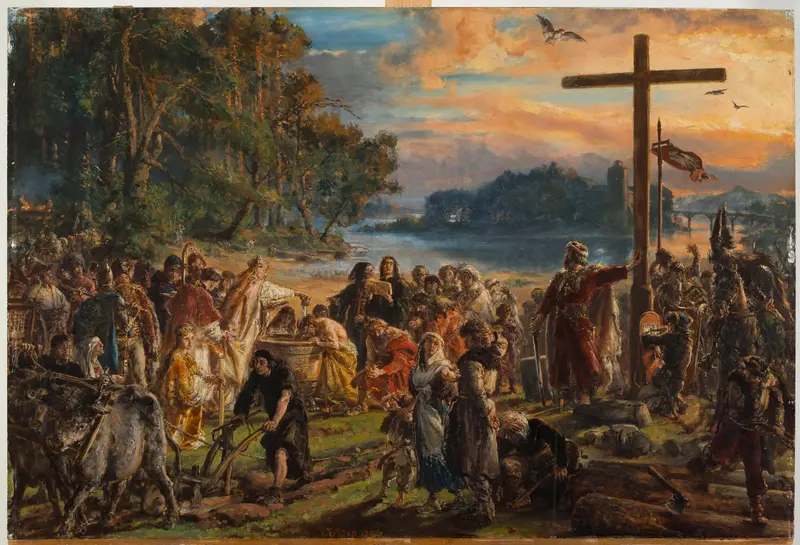
Introduction of Christianity in Poland
Jan Matejko
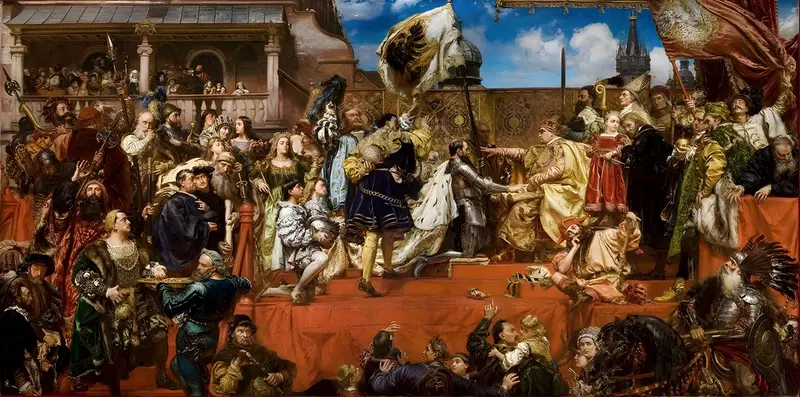
Prussian Homage
Jan Matejko





