Sügismaastik — History & Facts
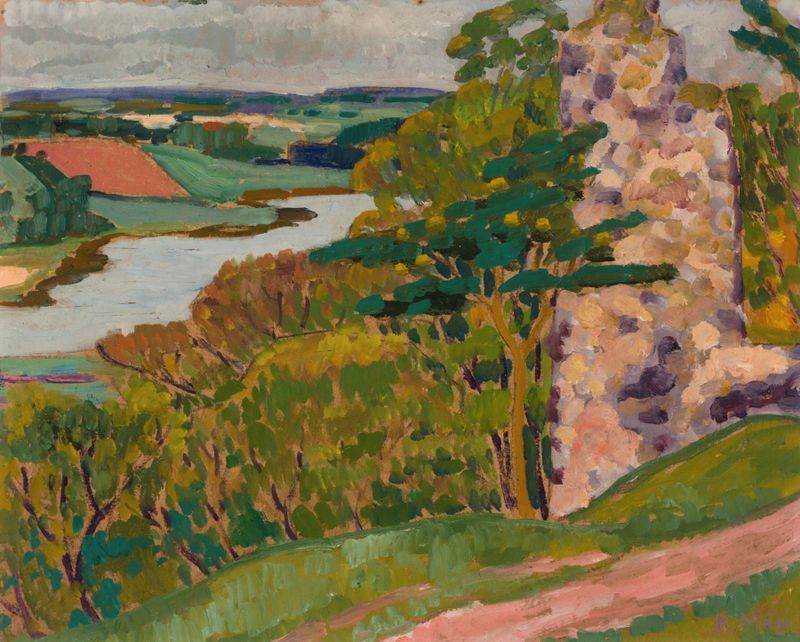
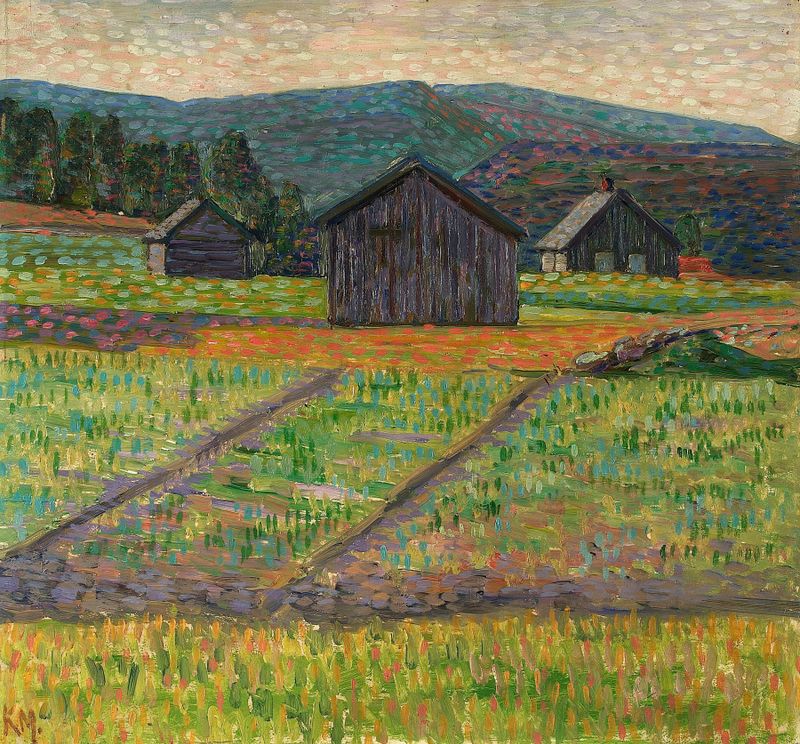
This duality is encapsulated in the landscapes that reveal the soul’s turmoil while simultaneously offering solace. In the delicate interplay of color and form, the essence of balance emerges, inviting contemplation. Look to the center where vibrant fields of gold and green cascade into a horizon brushed with soft blues and grays. The gentle strokes of paint create a rhythmic texture, drawing the eye to the undulating hills that whisper of life beneath their surface.
Notice how light dances across the canvas, illuminating the lively greens while casting shadows that hint at an underlying tension. The color palette, rich yet subdued, speaks of a world in harmony and discord, a careful balance crafted with each brushstroke. In this landscape, the juxtaposition of light and dark mirrors the emotional states within us. The sunlit areas suggest hope and vitality, while the shadows evoke a sense of melancholy.
The viewer is left to ponder the beauty that flourishes in the midst of struggle, where nature reflects the complexities of human experience. Each element, from the winding path to the swaying trees, holds a story of resilience, capturing a moment that is both fleeting and eternal. Konrad Mägi painted this work between 1908 and 1910 during a vital period of artistic evolution in Estonia. At this time, he was deeply influenced by the transition from Impressionism to modernism, integrating local landscapes with broader European styles.
The years were marked by a growing national identity in Estonia, prompting Mägi to explore themes of nature and belonging, ultimately capturing the essence of his homeland with a profound emotional resonance.