
Shepherd Piper — History & Facts
What draws the eye first in Shepherd Piper is the boy’s intent gaze, fixed on some distant thought as his fingers dance over the flute. The painter, Sophie Anderson, catches him at a moment of quiet absorption, his world reduced to the music he shapes and the wild countryside that cradles him. The rough weave of his shirt and the sun-warmed earth behind him set a scene that feels both intimate and expansive.
Notice how the soft light falls across his cheek, picking out the flush of youth and the curve of his jaw, while the delicate blossoms above his head suggest spring’s arrival—a time of hope and new beginnings. Every detail, from the tousled hair to the careful grip on the wooden pipe, invites us to linger in this suspended moment, listening for a melody we cannot hear. Painted in 1881, this work belongs to a period when images of rural childhood held a special place in the popular imagination. The late nineteenth century saw a surge of interest in scenes of peasant life, as industrialization transformed cities and made the countryside seem ever more remote and precious.
Artists like Anderson, often working for middle-class patrons or for the open market, offered viewers a glimpse of innocence and simplicity—qualities believed to be slipping away. Though little is recorded about the journey of this particular painting, now in the collection of the Art Renewal Center, its appeal endures: it asks us to pause and wonder what song the shepherd plays, and what dreams flicker behind those watchful eyes.
More Artworks by Sophie Anderson

Elaine
Sophie Anderson
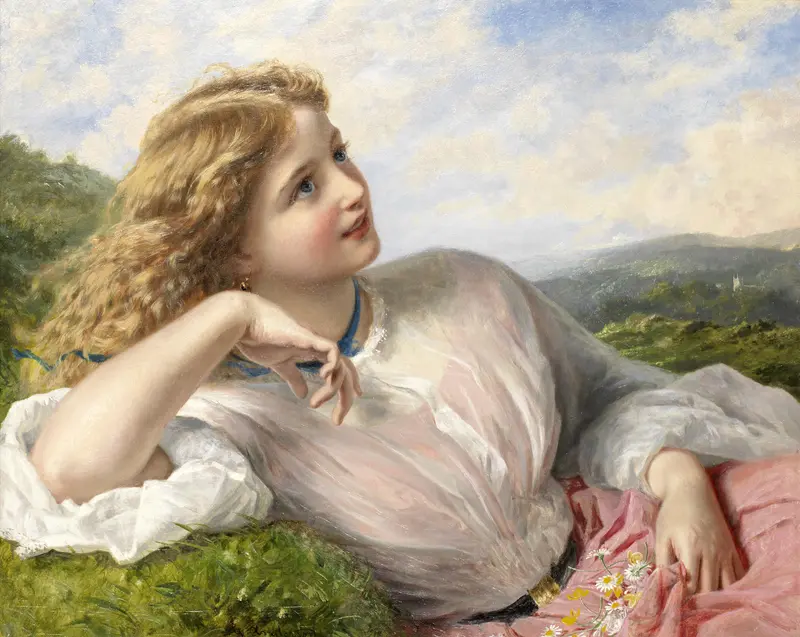
The song of the lark
Sophie Anderson
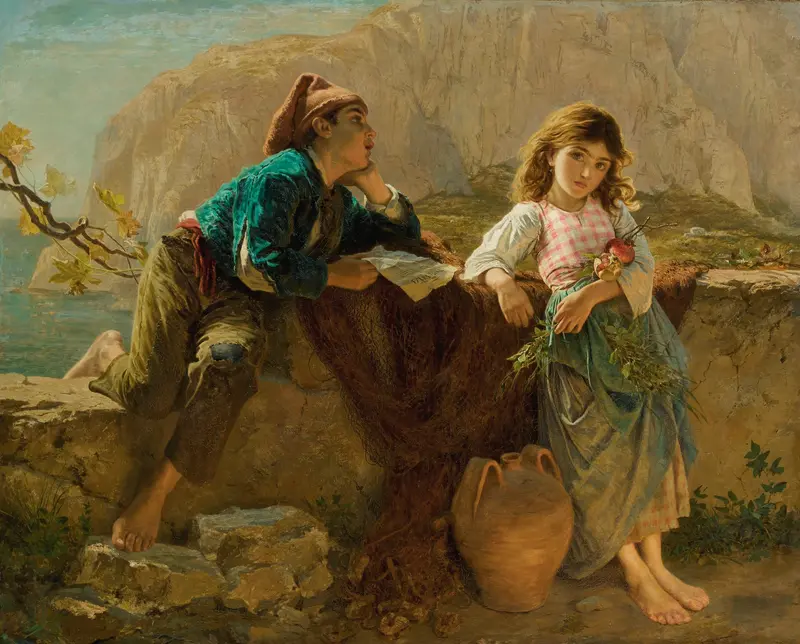
Fisherman’s children, Capri
Sophie Anderson
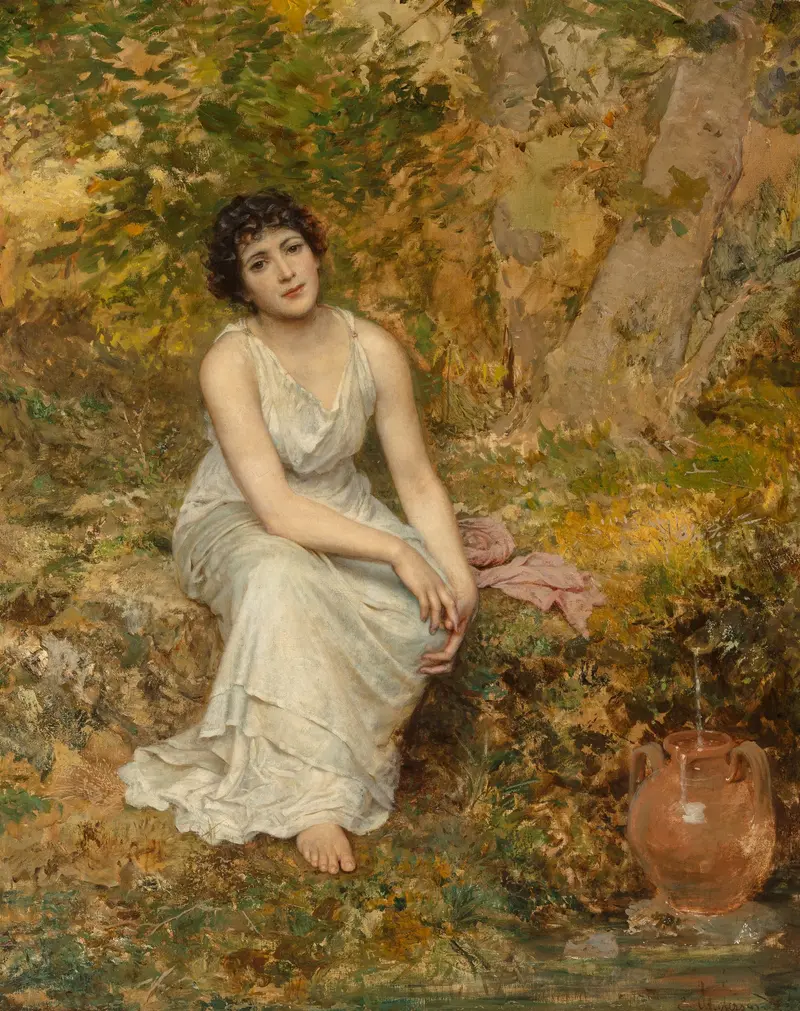
At the well
Sophie Anderson
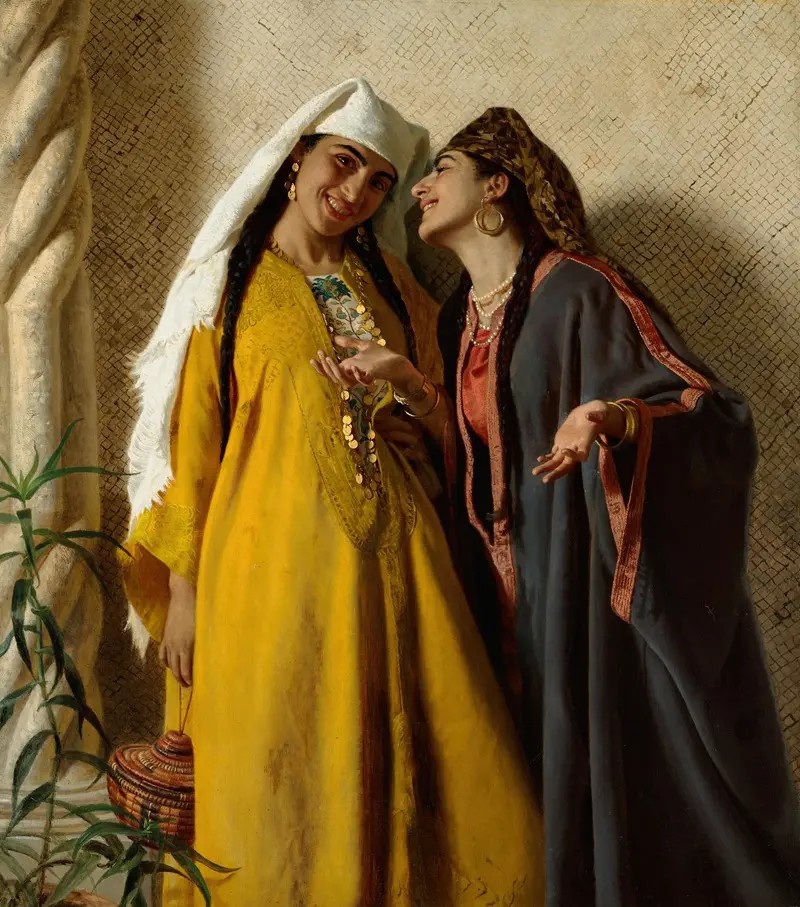
Scandal in the harem
Sophie Anderson
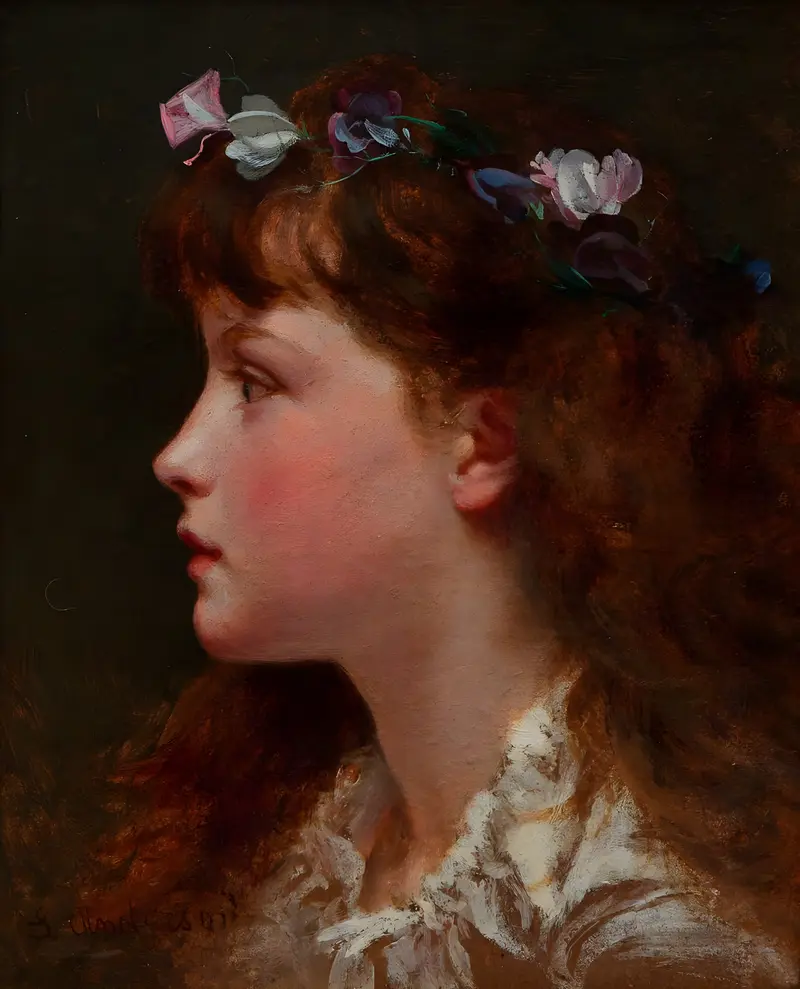
A young girl with a garland of flowers in her hair
Sophie Anderson
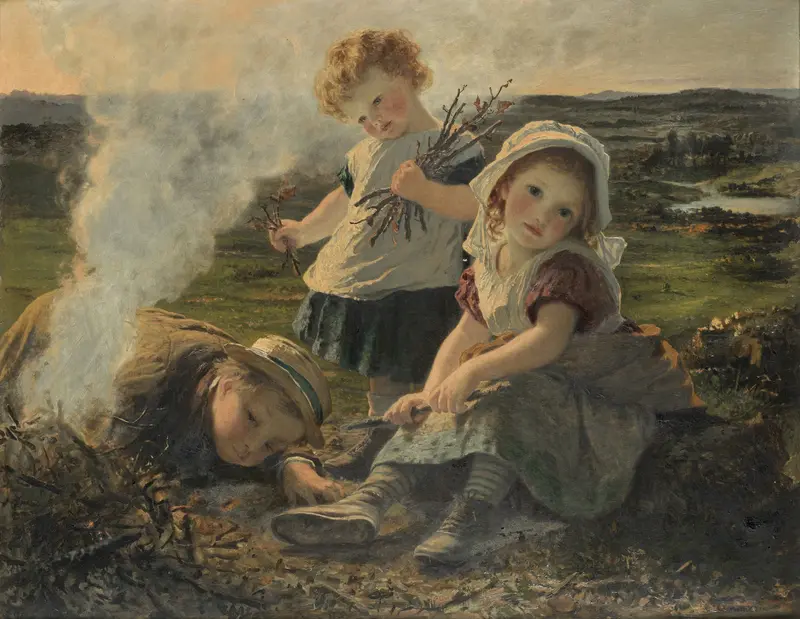
The Bonfire
Sophie Anderson
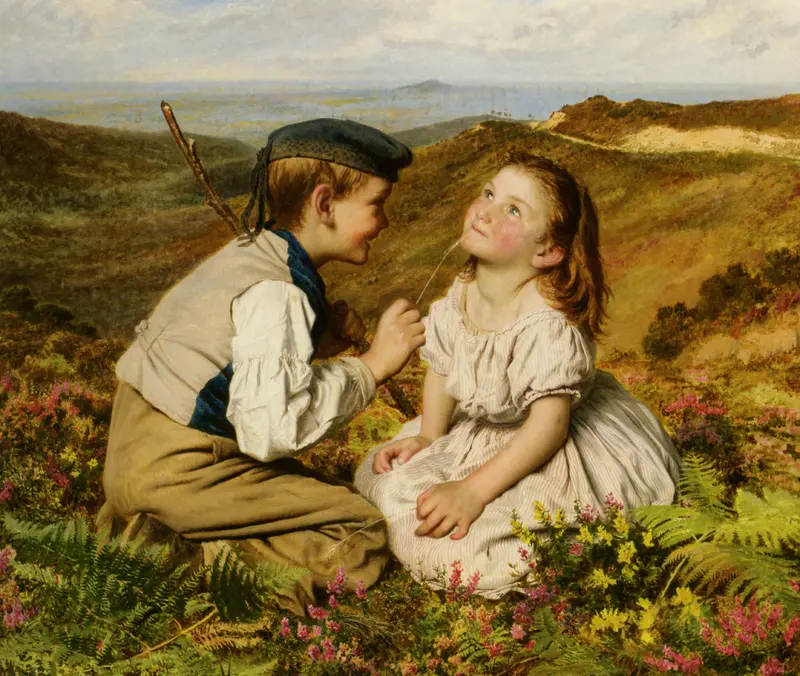
It’s Touch And Go, To Laugh Or No
Sophie Anderson
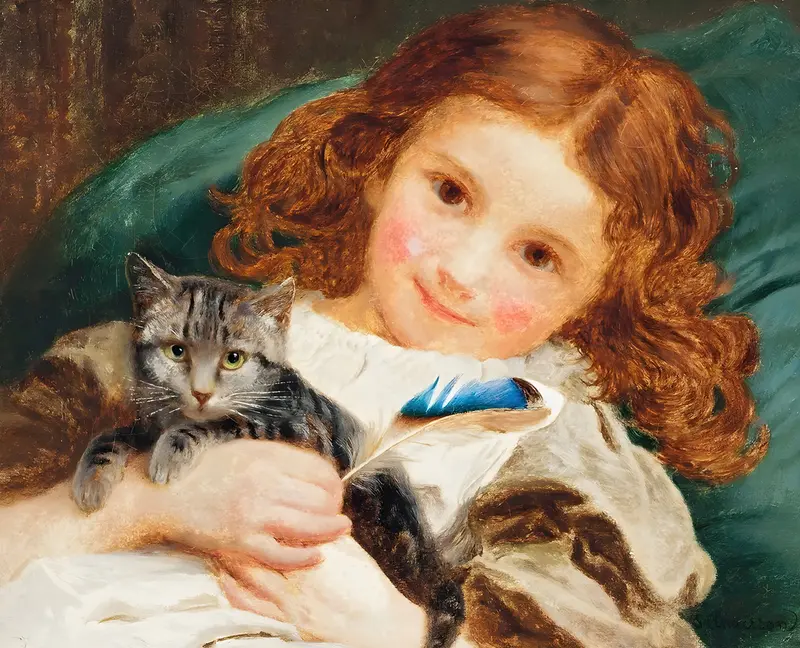
Best Friends
Sophie Anderson
The Flower Girl, Capri
Sophie Anderson
More Genre Scene Art

Banquet of the Officers of the St George Civic Guard
Frans Hals

Rembrandt and Saskia in the Scene of the Prodigal Son
Rembrandt van Rijn

Bal du moulin de la Galette
Pierre-Auguste Renoir

Quadrille at the Moulin Rouge
Henri de Toulouse-Lautrec

A Burial at Ornans
Gustave Courbet

When Will You Marry?
Paul Gauguin