Shepherds — History & Facts
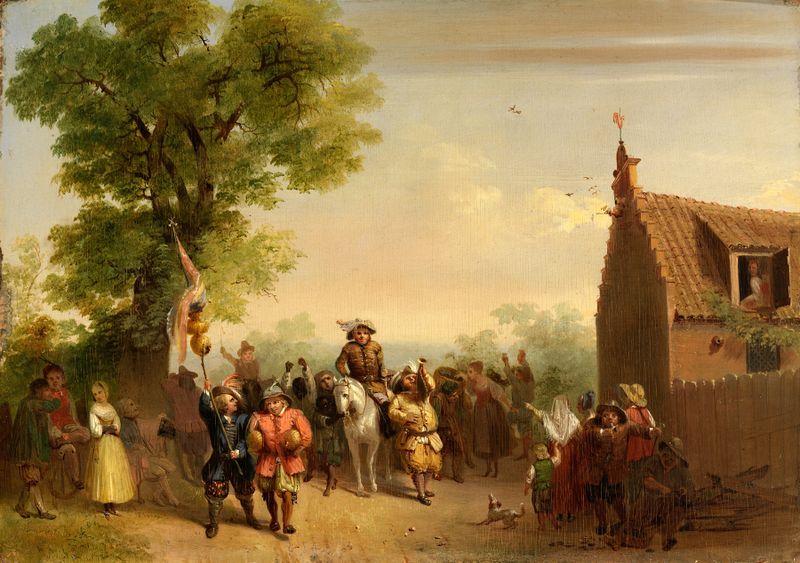
This profound transformation is at the heart of every brushstroke, where turmoil is shaped into a harmonious vision of pastoral life. It speaks to the artist's ability to find beauty amid the ordinary, raising the mundane to the sublime. Look to the center of this canvas, where the shepherds stand, their figures commanding yet serene. Their postures are relaxed, yet purposeful, set against a landscape awash in soft greens and gentle browns.
Notice how the light filters through the trees, illuminating their faces and casting delicate shadows that dance across the ground, lending an ethereal quality to the scene. The painter’s deft hand creates a sense of movement, as though the air is alive with the whispers of the wind. At first glance, the idyllic setting might appear simple, but a deeper inspection reveals layers of meaning. The shepherds symbolize guardianship and connection to nature, embodying a timeless struggle between man and the wild.
Their calm demeanor contrasts sharply with the tumultuous background, hinting at the chaos of the world outside this pastoral haven. The painting invites contemplation on the balance between serenity and turmoil, suggesting that transformation often lies just beneath the surface. Created during the early 19th century, the work reflects John Gadsby Chapman's commitment to Romantic ideals. While the specific date remains uncertain, it was a time of great change in the art world as traditional practices began to yield to new expressive movements.
Chapman, influenced by these shifts, sought to capture the essence of humanity and nature, advocating for a more emotive and intimate portrayal of both.