
Ship and Elevator — History & Facts
In Ship and Elevator, the viewer is invited into a moment that captures the delicate balance between fear and allure, beckoning contemplation on the fragility of existence. Look to the center of the canvas, where the ship looms prominently against a backdrop of turbulent skies. Notice how the light dances upon the vessel’s surface, illuminating its structure and casting long shadows. The stark contrast between the deep blues of the water and the golden hues of the ship creates a striking dichotomy, suggesting both safety and impending doom.
Your gaze is inevitably drawn to the elevator mechanism, a symbol of both ascent and descent, reinforcing a sense of tension in an otherwise serene scene. Delving deeper, the juxtaposition of beauty against fear becomes palpable. The ship, a marvel of human ingenuity, stands poised at the edge of chaos, reflecting mankind’s relentless pursuit of progress amidst the unknown. The turbulent waters beneath it whisper of uncertainty, while the elevator hints at the potential for elevation or tragic fall.
Each brushstroke seems to convey the artist’s awareness of the duality of experience—how ambition and anxiety coexist, shaping the human narrative. Otto Henry Bacher created Ship and Elevator in 1878 while living in the United States, a period when the country was grappling with rapid industrialization and its accompanying fears. This painting reflects not only his technical prowess but also the broader anxieties of a society on the brink of transformation, as artists sought to capture the essence of a world caught between beauty and peril.
More Artworks by Otto Henry Bacher
Browse all →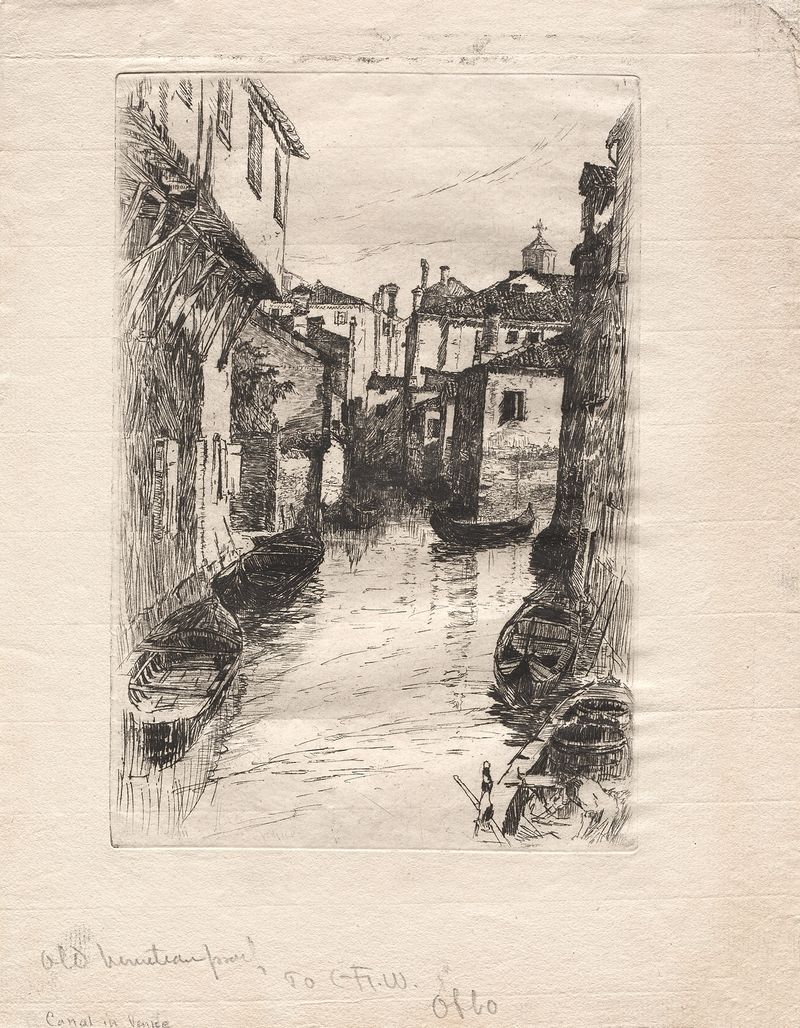
Canal in Venice
Otto Henry Bacher
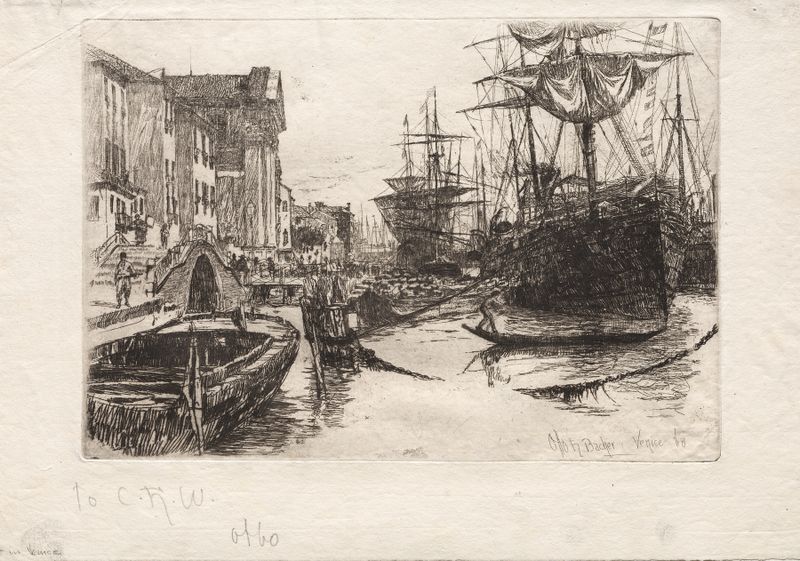
View in Venice
Otto Henry Bacher
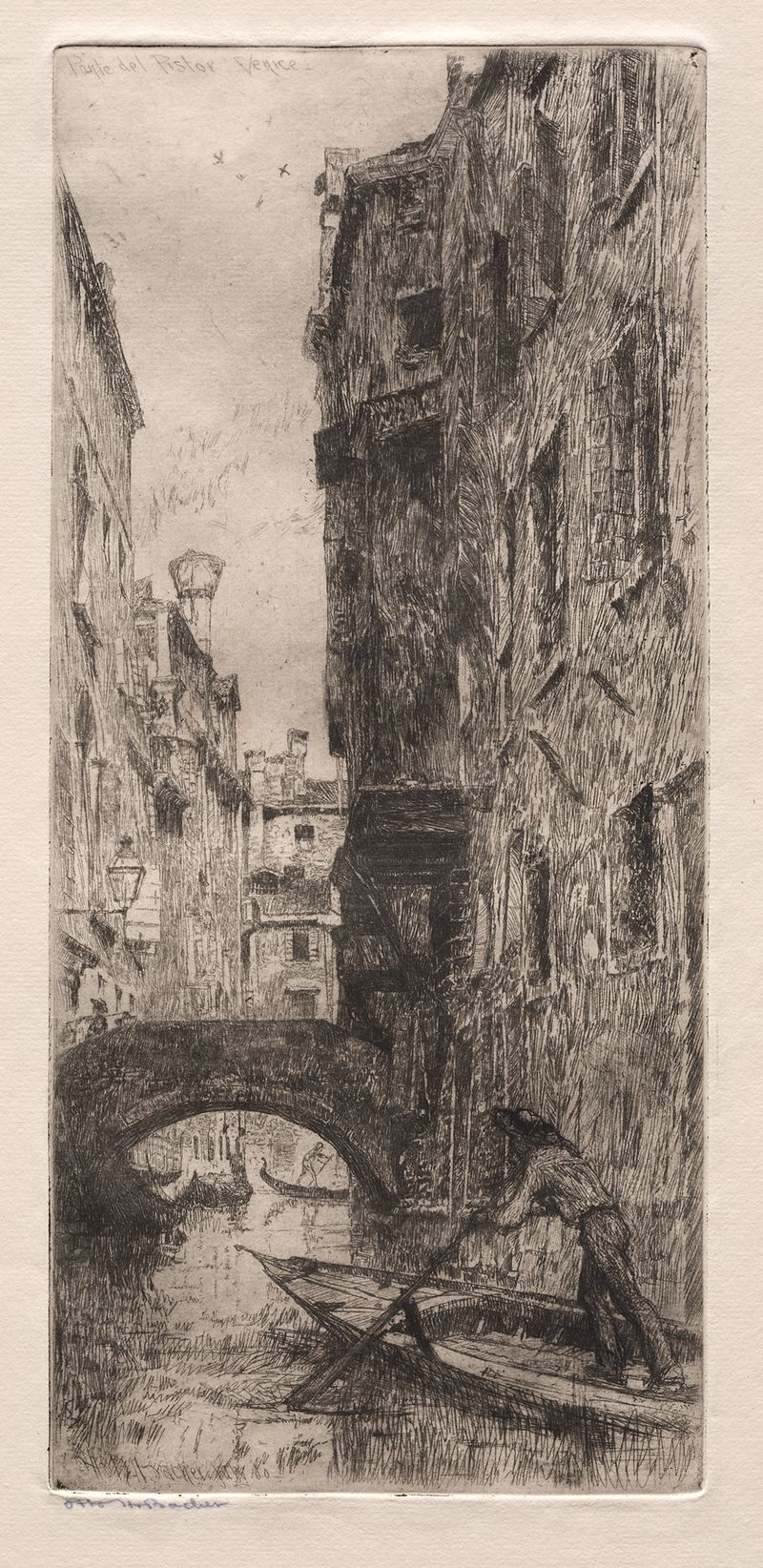
Ponte del Pistor, Venice
Otto Henry Bacher
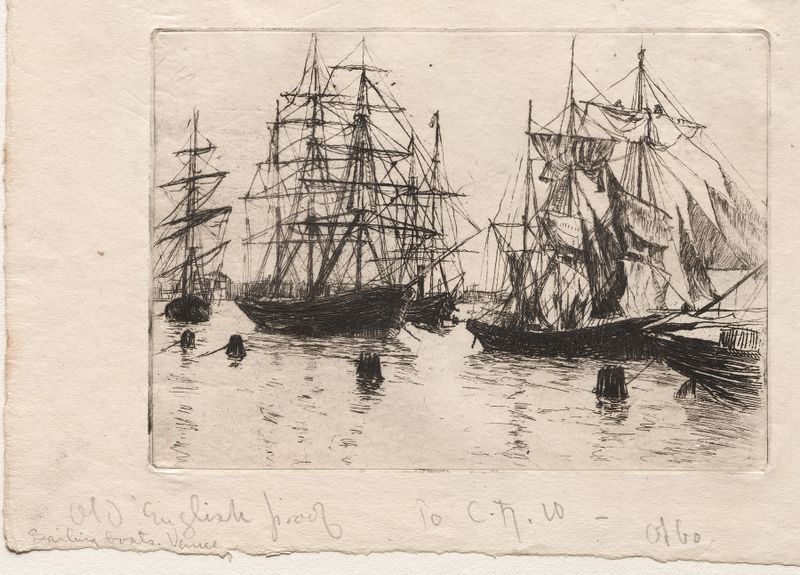
Sailing Boats, Venice
Otto Henry Bacher
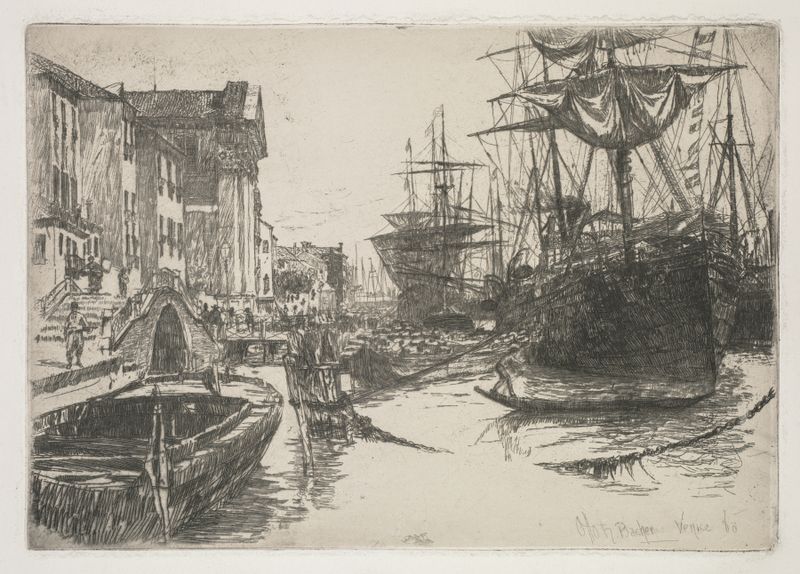
Fondamenta della Zattere
Otto Henry Bacher
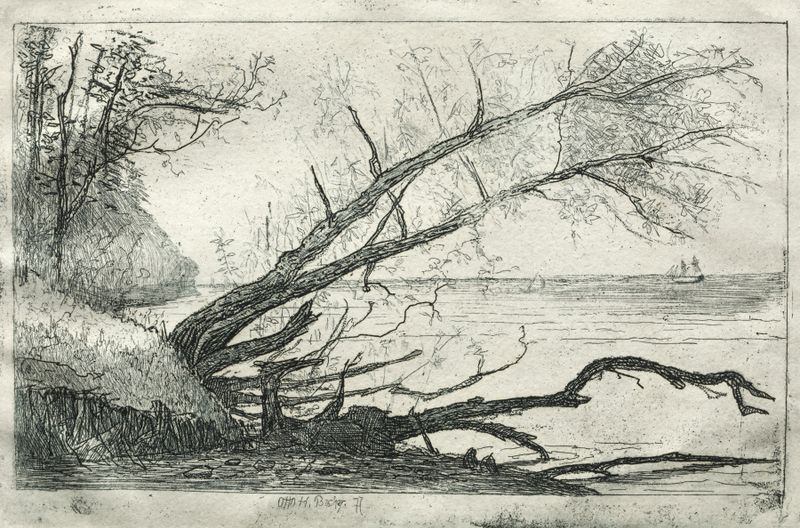
Old Sycamore
Otto Henry Bacher
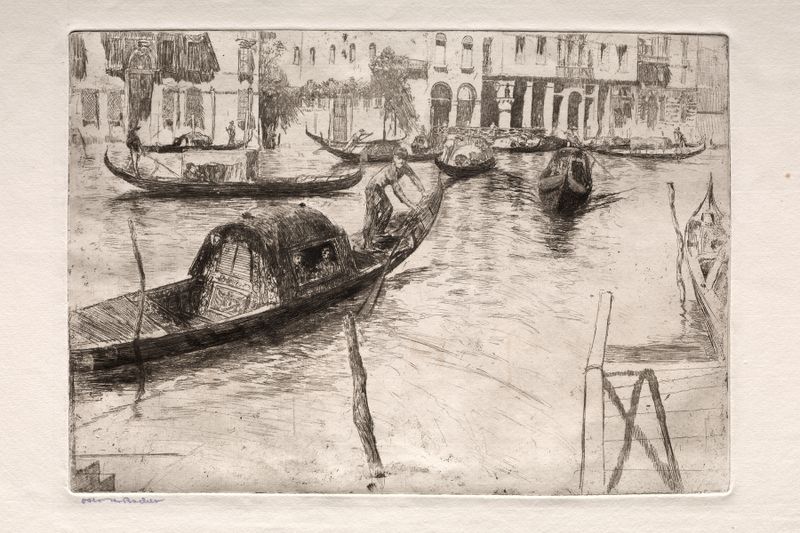
Traghetto San Felice
Otto Henry Bacher
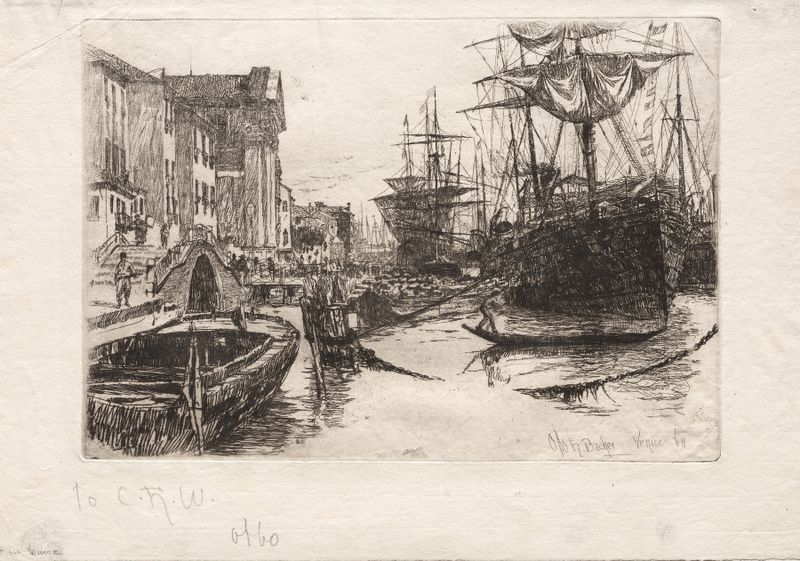
View in Venice
Otto Henry Bacher
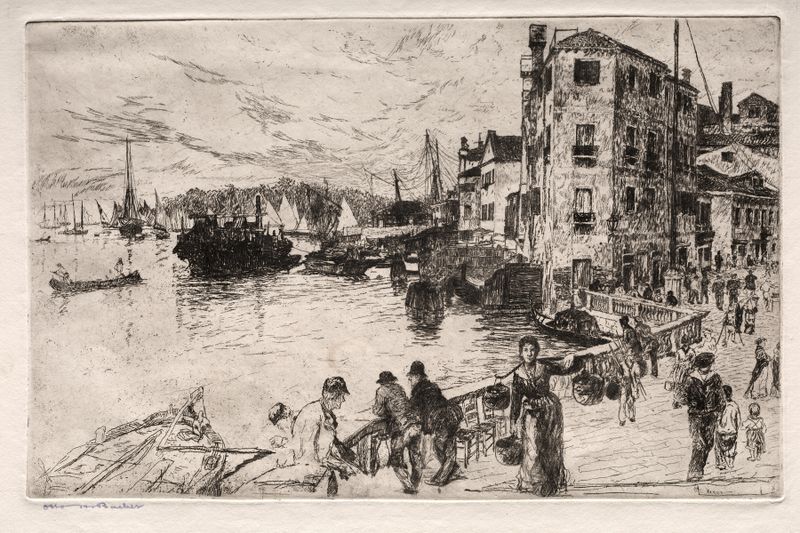
Castello Quarters, Riva
Otto Henry Bacher
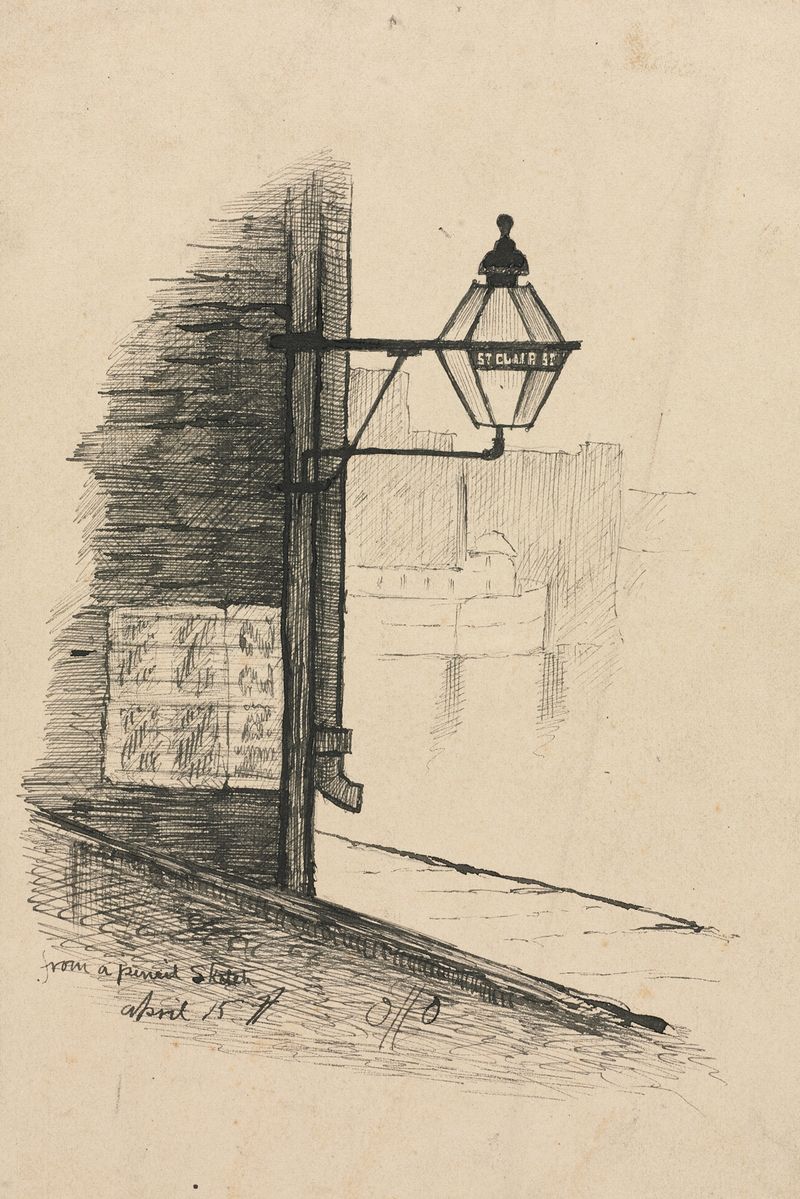
St. Clair Street, Cleveland
Otto Henry Bacher





