Ship in the Night — History & Facts
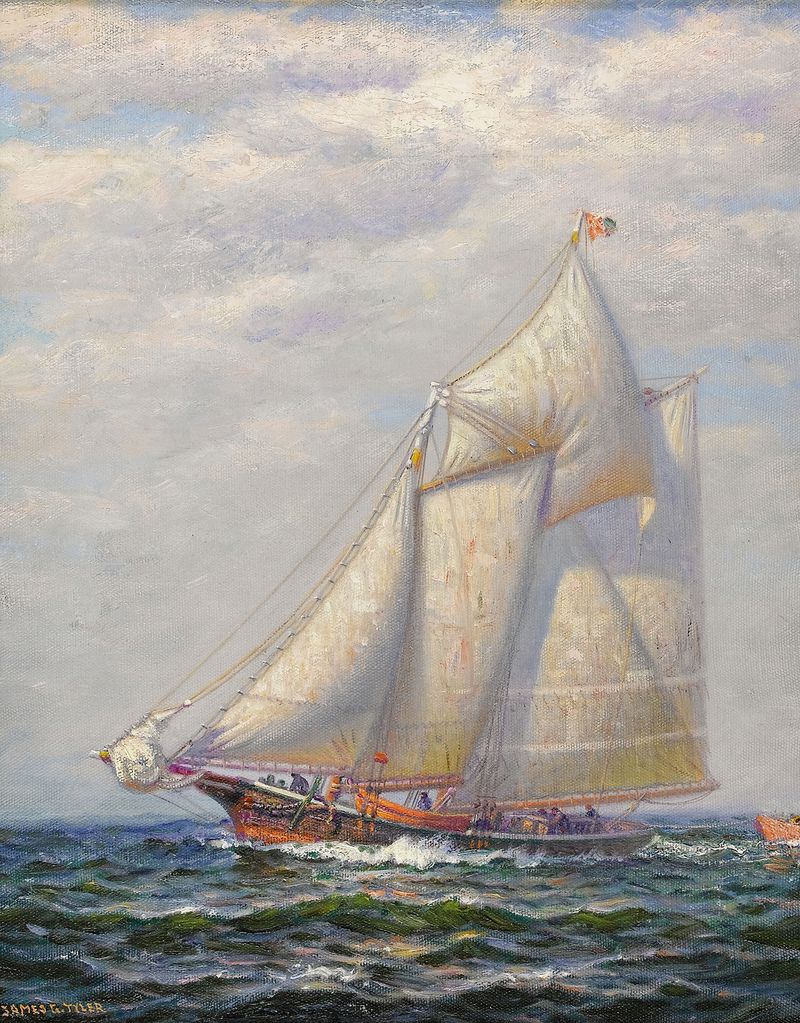
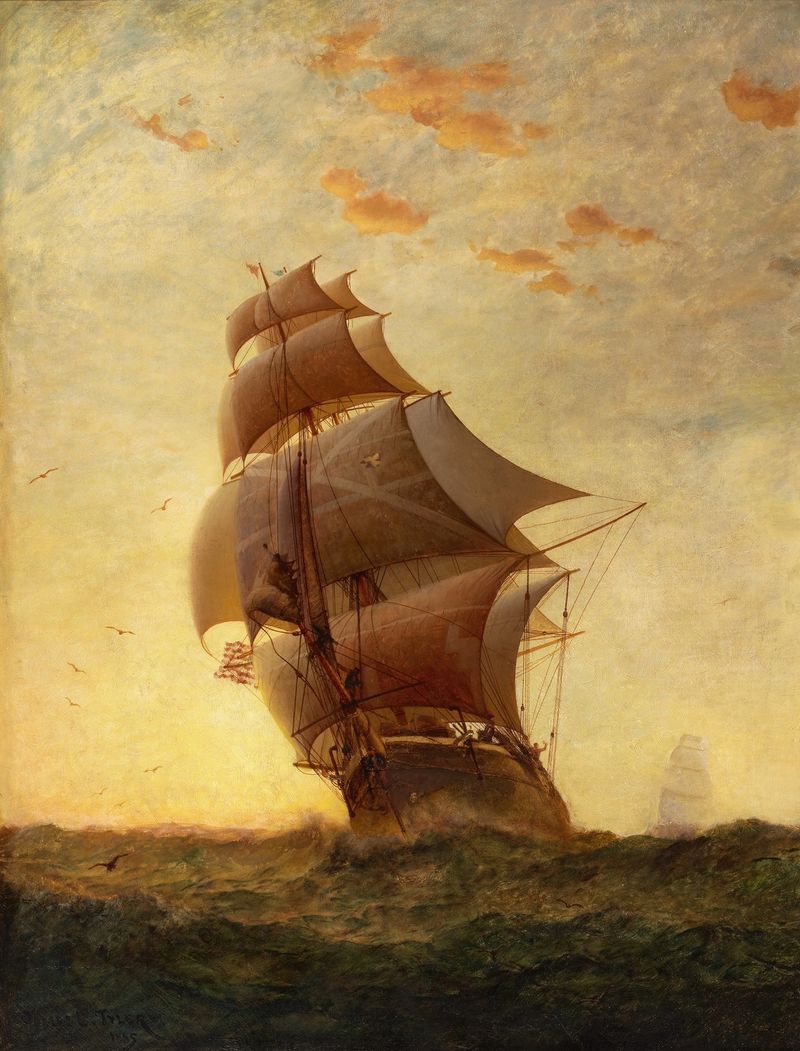
Is this a mirror — or a memory? The stillness of a lone ship against a deep, enveloping dark hints at a truth hidden within the depths of our own consciousness. Look to the center of the canvas, where the ship's silhouette emerges, its sails billowing softly in the night air. Surrounding it, hues of midnight blue and velvety black caress the edges, evoking the vastness of the open sea. Notice how the gentle glimmer of moonlight dances on the water, illuminating the path ahead while casting shadowy whispers around the vessel.
The interplay of light and darkness draws the viewer into a realm where reality and dreams intertwine. Within this tranquil yet haunting scene lies a profound contrast between solitude and adventure. The ship, a vessel of exploration, is juxtaposed against the immensity of the ocean, suggesting both the lure of new horizons and the isolation that often accompanies such journeys. The stillness invites reflection on the nature of truth itself — the inherent tension between what is seen and what is felt, between the tangible and the abstract. During his creative period in the early 20th century, the artist worked in a climate of burgeoning modernism, navigating the transition from traditional to contemporary forms.
Ship in the Night reflects Tyler's exploration of light and atmosphere, particularly as he sought to encapsulate the ephemeral essence of a moment in time. His works often delve into themes of introspection and existential inquiry, resonating with both the artist's personal experiences and the broader artistic movements of his era.