
Shipbuilders — History & Facts
What draws the eye first in Shipbuilders by Albert Edelfelt is the quiet intensity of the trio at the water’s edge, absorbed in the delicate work of rigging a model ship. The painter leads us in close, sunlight glancing off bare arms and tousled hair, so that the viewer almost feels the warmth of the stones beneath them. The older boy stands with hands in pockets, his gaze shaded and serious, while the younger child, seated and barefoot, watches the adult’s careful hands with open curiosity.
The model itself, with its taut lines and tiny flag, is more than a toy—it is a promise, a dream scaled down to fit a child’s world. In the background, real ships anchor the scene in a working harbor, their masts rising like a forest against the pale sky, while the faint plume of steam hints at industry and change. Painted in 1886, this work belongs to a moment when artists across northern Europe were turning their attention to everyday life and the subtle dramas of ordinary people. Edelfelt was known for his ability to capture the natural light and candid gestures of his subjects, often choosing themes that bridged tradition and modernity.
Scenes like this—rooted in the rhythms of coastal communities—spoke to a world on the cusp of transformation, where childhood games echoed the adult world of labor and ambition. Little is recorded about the specific history of this painting, now documented in a private collection, but its spirit is unmistakable: a celebration of craft, learning, and the ties between generations. The longer one looks, the more the painting reveals about the hopes and quiet industry of its time.
More Artworks by Albert Edelfelt

The Day of Rest
Albert Edelfelt
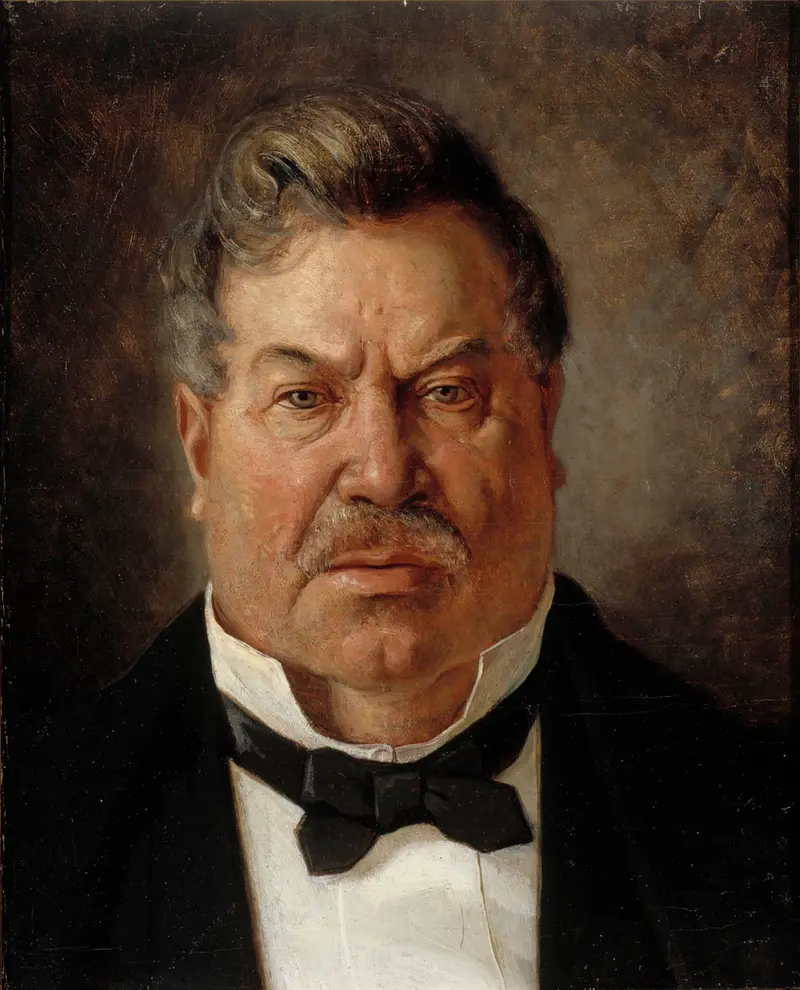
Portrait of August Streng
Albert Edelfelt
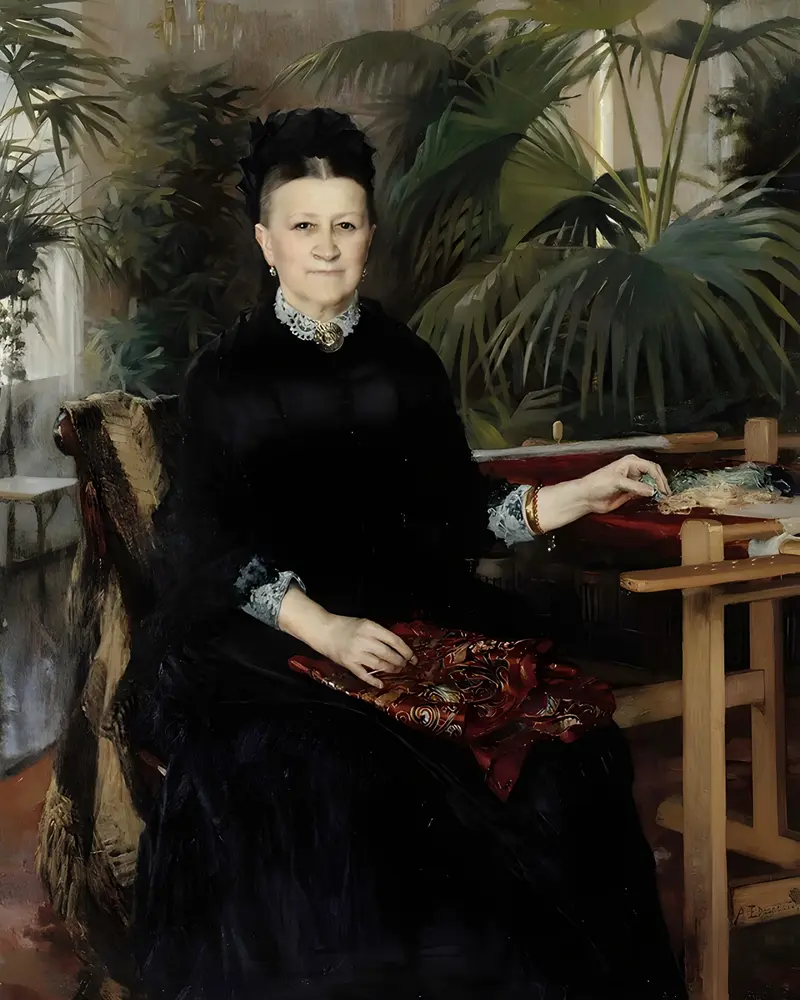
Portrait Of Mrs. Anna Sinebrychoff
Albert Edelfelt

The Poet, Larin Paraske
Albert Edelfelt

Parisian lady in a Peignoir
Albert Edelfelt
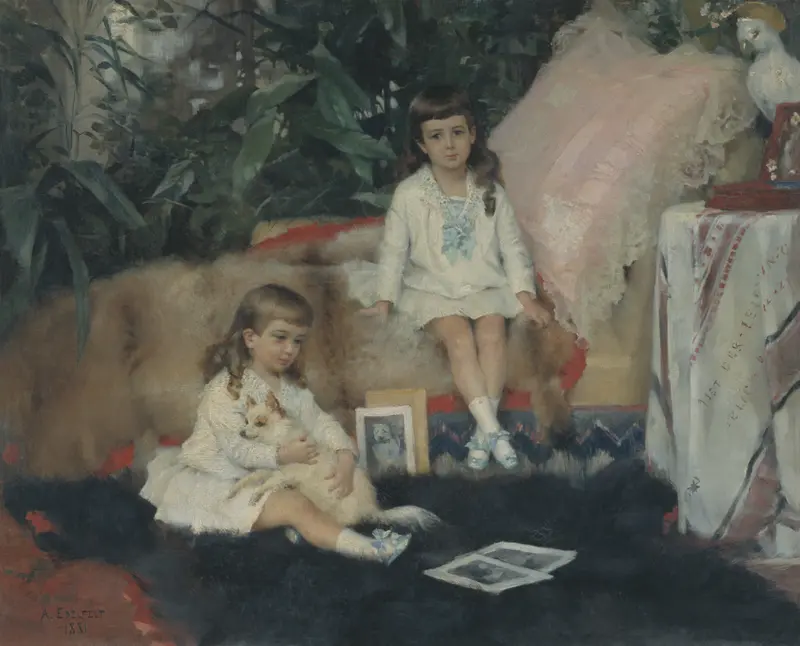
The Grand Dukes Boris and Kirill Vladimirovich as Children
Albert Edelfelt
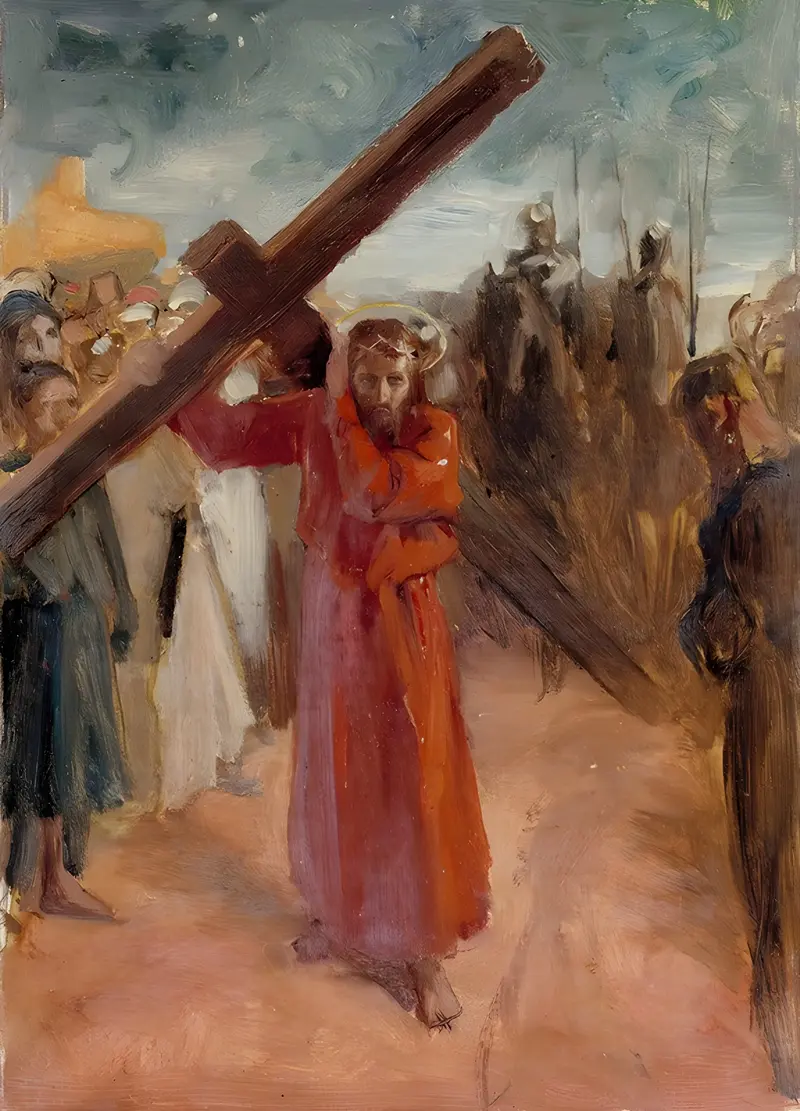
Christ Bears The Cross
Albert Edelfelt
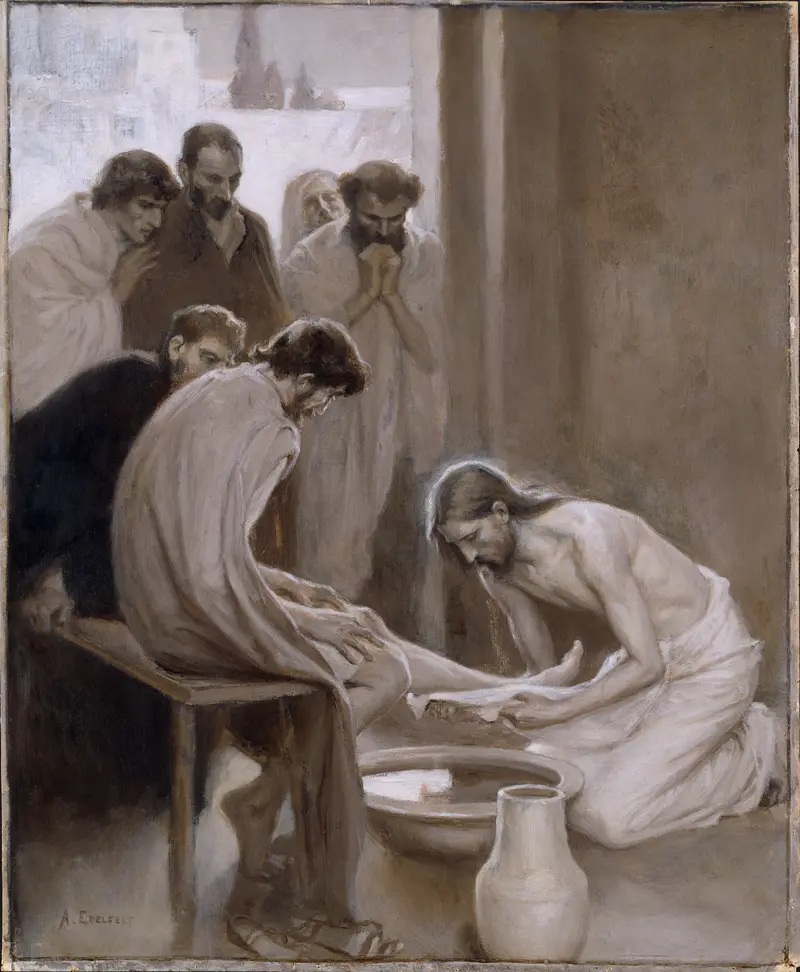
Jesus Washing the Feet of his Disciples
Albert Edelfelt

Larin Paraske with Kantele
Albert Edelfelt
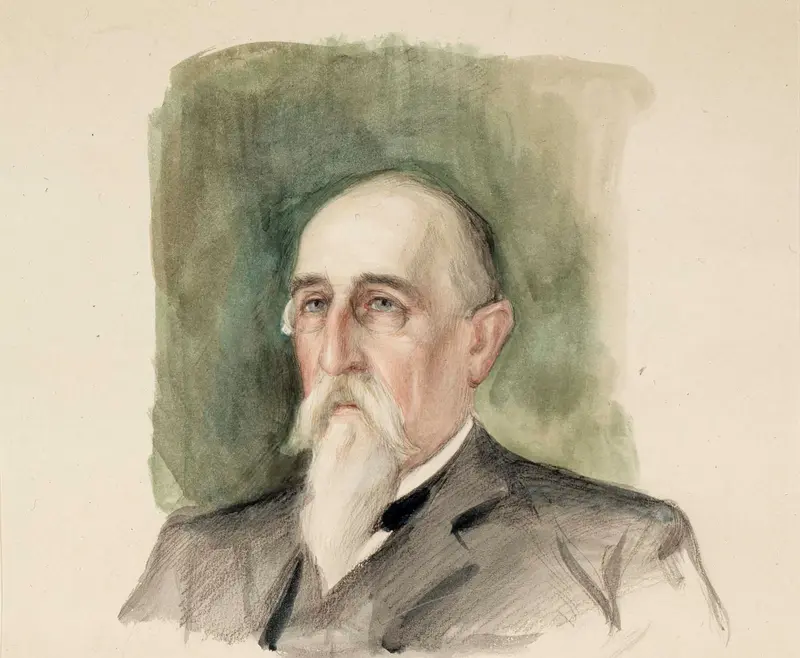
Leo Mechelin, Portrait Study
Albert Edelfelt
More Genre Scene Art

Banquet of the Officers of the St George Civic Guard
Frans Hals

Rembrandt and Saskia in the Scene of the Prodigal Son
Rembrandt van Rijn

Bal du moulin de la Galette
Pierre-Auguste Renoir

Quadrille at the Moulin Rouge
Henri de Toulouse-Lautrec

A Burial at Ornans
Gustave Courbet

When Will You Marry?
Paul Gauguin