Shore with Boats — History & Facts
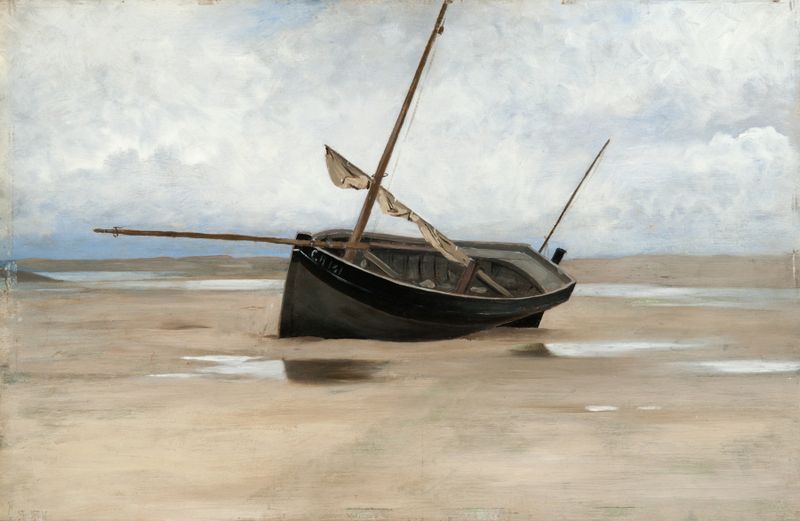
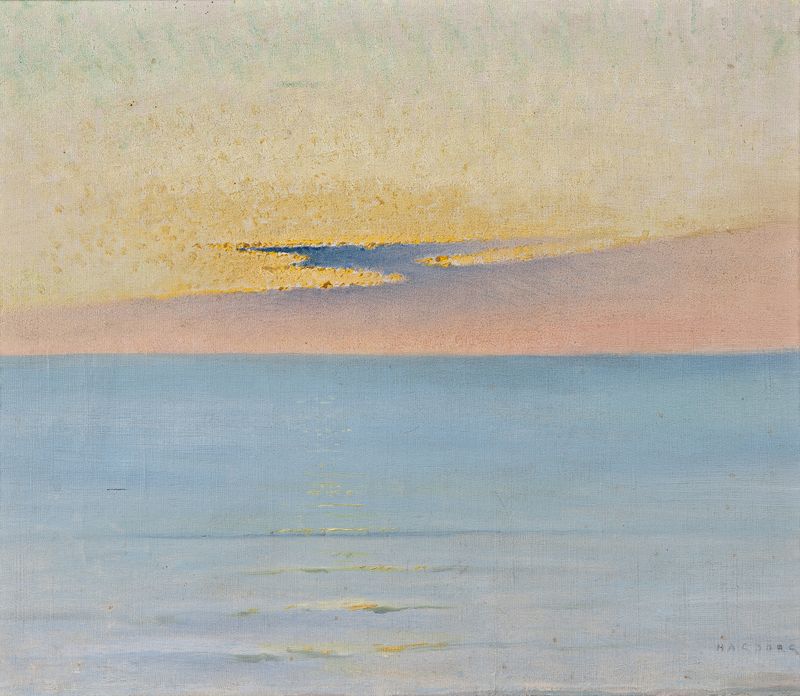
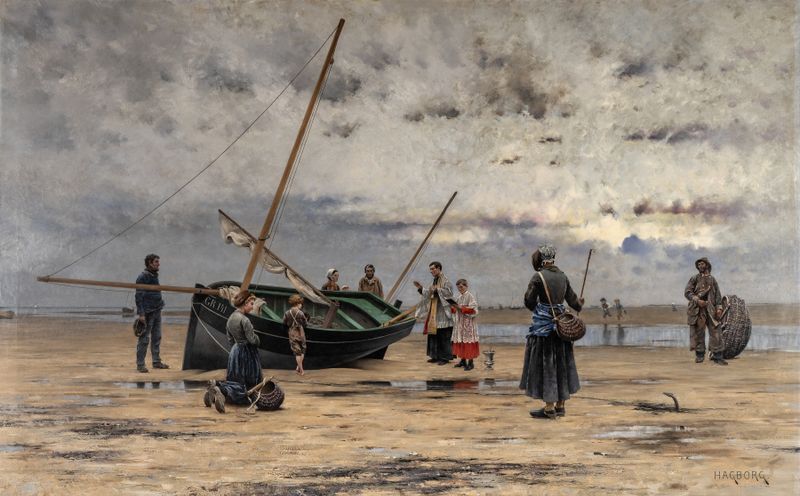
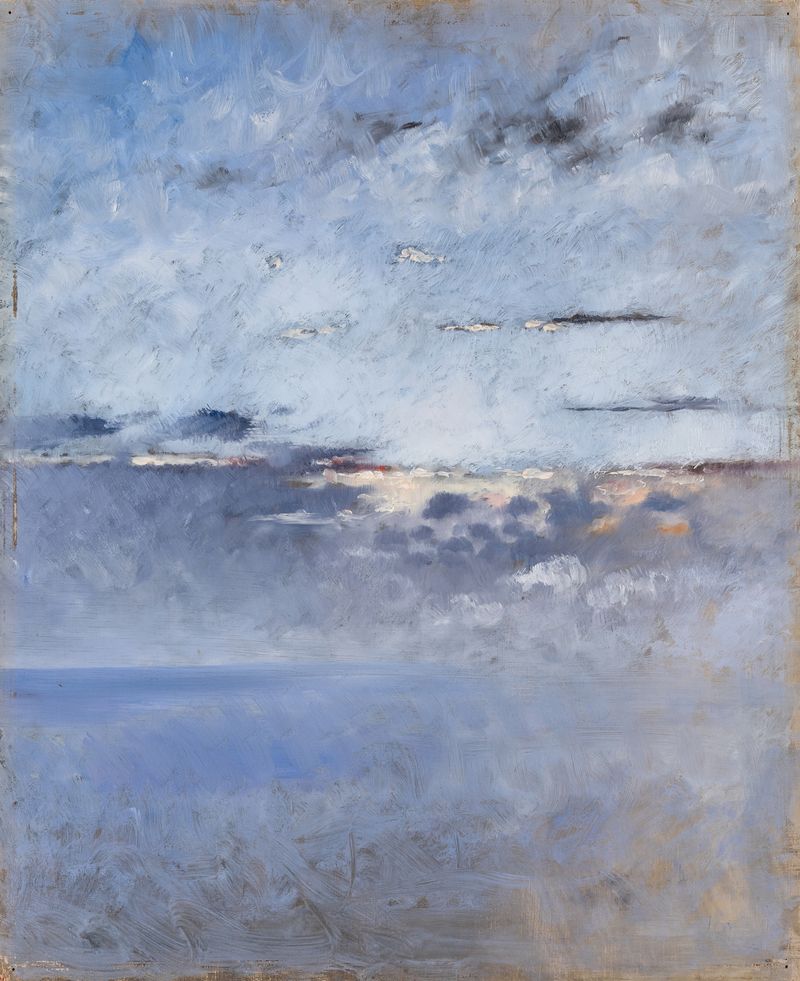
In the interplay of colors and forms, chaos and serenity dance, revealing the tumult beneath a seemingly tranquil surface. Focus on the foreground, where an array of boats bob gently against the shore, their muted hues blending with the earthy palette of sand and water. The brushwork is both vigorous and delicate, creating a rhythmic texture that invites you to explore further. Notice how the sunlight shimmers atop the waves, illuminating the scene with a soft glow that contrasts sharply with the jaggedness of the boats' outlines.
Each vessel, while anchored, seems to yearn for adventure, caught in a moment that is at once peaceful and fraught with unspoken tension. Delve deeper, and you’ll find layers of meaning within the scene. The chaotic arrangement of the boats hints at a world that is ever-changing, where nature's whims dictate the course of life. Meanwhile, the calm water reflects the sky, a reminder that stillness often belies the tumult that lies beneath.
This duality evokes a powerful emotional resonance — the peace of the moment coupled with the unsteady pulse of existence, a subtle invitation to contemplate the fragility of tranquility. In 1881, August Hagborg was establishing his reputation as a landscape painter in France, a country immersed in artistic innovation. Emerging from the turmoil of the Franco-Prussian War, Hagborg's work captured the tension of his time, blending impressionistic techniques with a keen observation of nature. Shore with Boats stands as a testament to his ability to find beauty amidst chaos, reflecting both personal and societal transformations of the era.