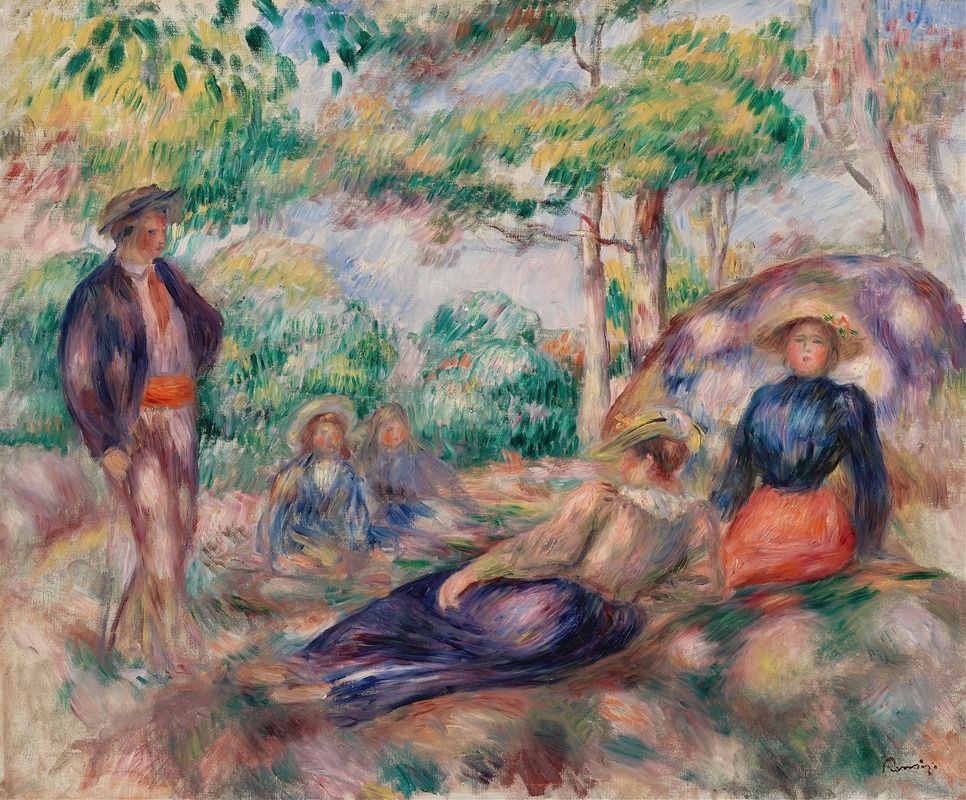
Discover insights about this artwork
Si quebró el Cantaro. (Yes he broke the pot.) — History & Facts
In Si quebró el Cantaro, Francisco de Goya presents a scene filled with vibrant colors and emotional intensity. The painting depicts a woman in distress, her face marked by sorrow as she gazes at a broken pot. Surrounding her are muted tones that contrast with her vivid expression, enhancing the drama of the moment.
The setting appears to be a simple domestic space, emphasizing the personal nature of the tragedy. The painting is executed in oil on canvas, a medium that allows for rich textures and depth. Goya's brushwork is expressive, capturing the emotional turmoil of the subject effectively. The dimensions of the artwork are approximately 100 x 130 cm, making it a substantial piece that draws the viewer in.
The use of light and shadow further highlights the woman's despair, creating a focal point that commands attention. Francisco de Goya was a prominent Spanish painter known for his critical portrayal of society and human emotion. Si quebró el Cantaro reflects his interest in the struggles of ordinary people, a theme prevalent in his works. An interesting fact about this painting is that it captures a moment of personal loss, which resonates with Goya's own experiences during a tumultuous period in Spanish history.
This work exemplifies Goya's shift towards more emotional and psychological themes in his later career.
More Artworks by Francisco de Goya
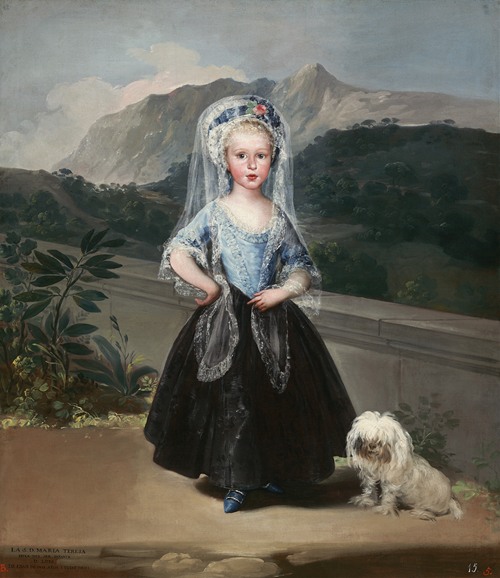
María Teresa de Borbón y Vallabriga,later Condesa de Chinchón
Francisco de Goya
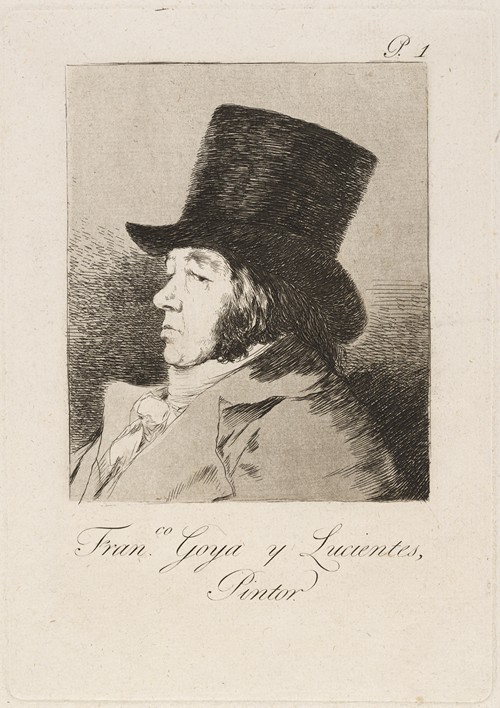
Francisco Goya y Lucientes, Pintor (Francisco Goya y Lucientes, painter)
Francisco de Goya
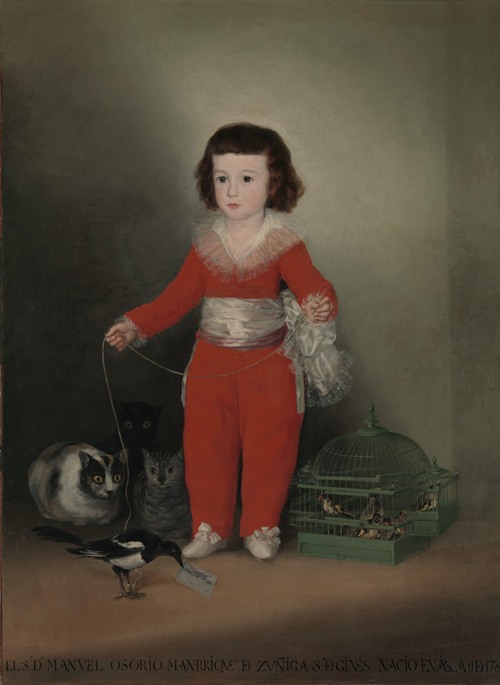
Manuel Osorio Manrique de Zuñiga (1784–1792)
Francisco de Goya
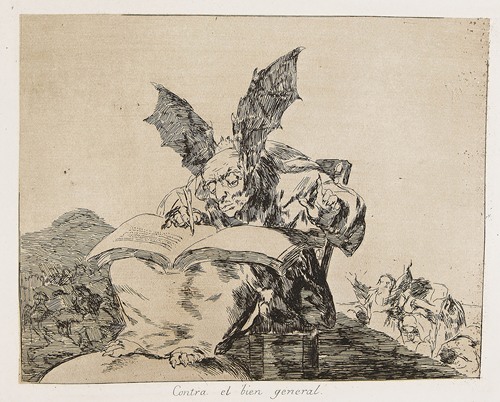
Los desastres de la guerra
Francisco de Goya
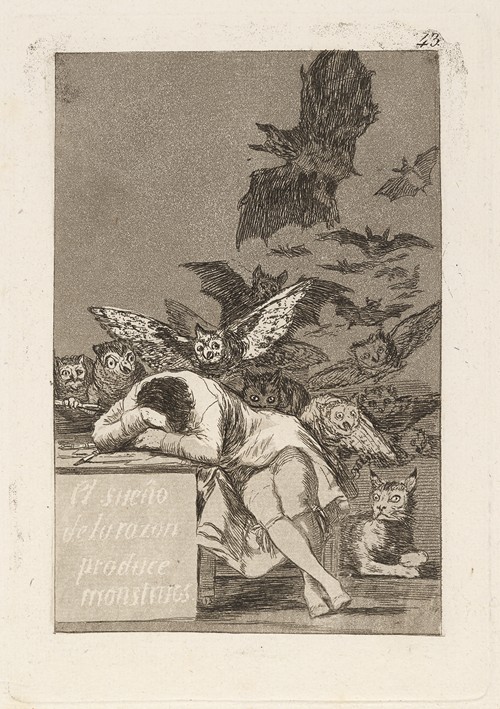
El sueño de la razon produce monstruos. (The sleep of reason produces monsters.)
Francisco de Goya
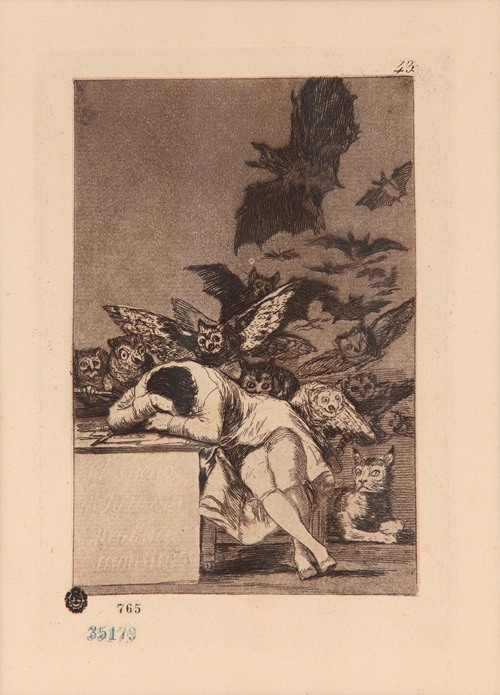
El sueño de la razon produce moustruos (Serie Caprichos)
Francisco de Goya
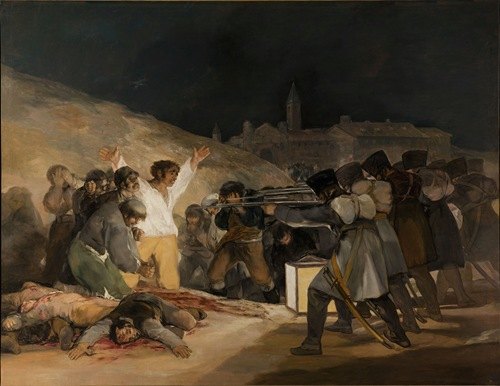
The Third of May
Francisco de Goya
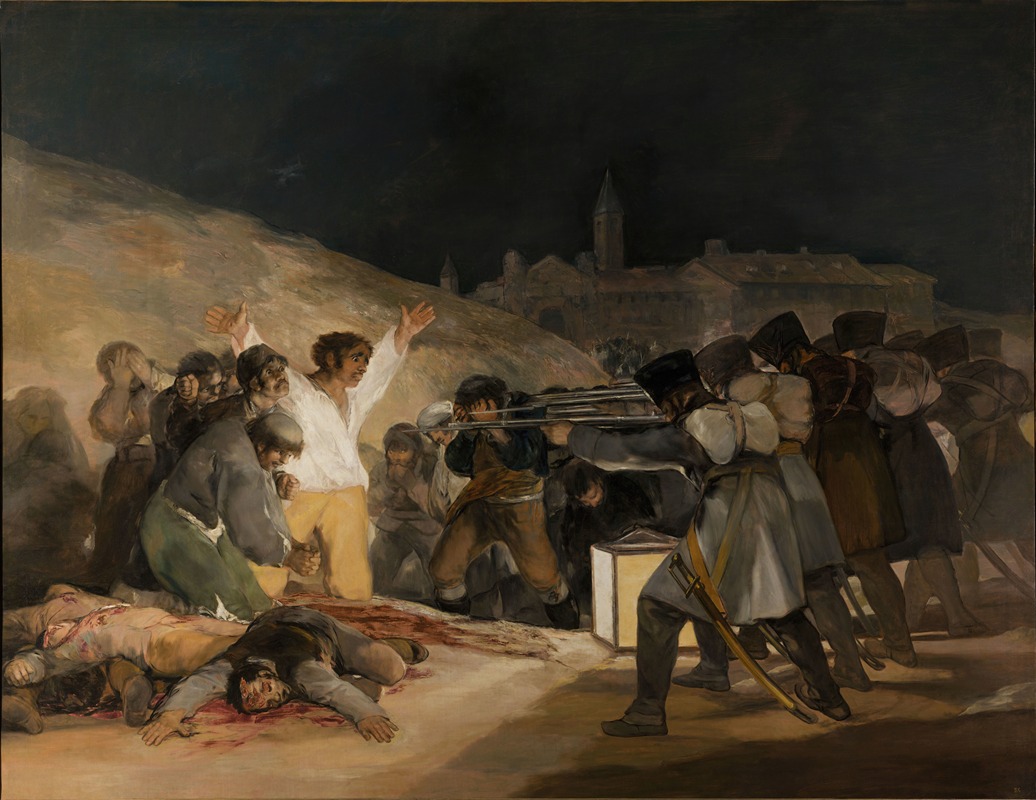
The Third of May 1808
Francisco de Goya
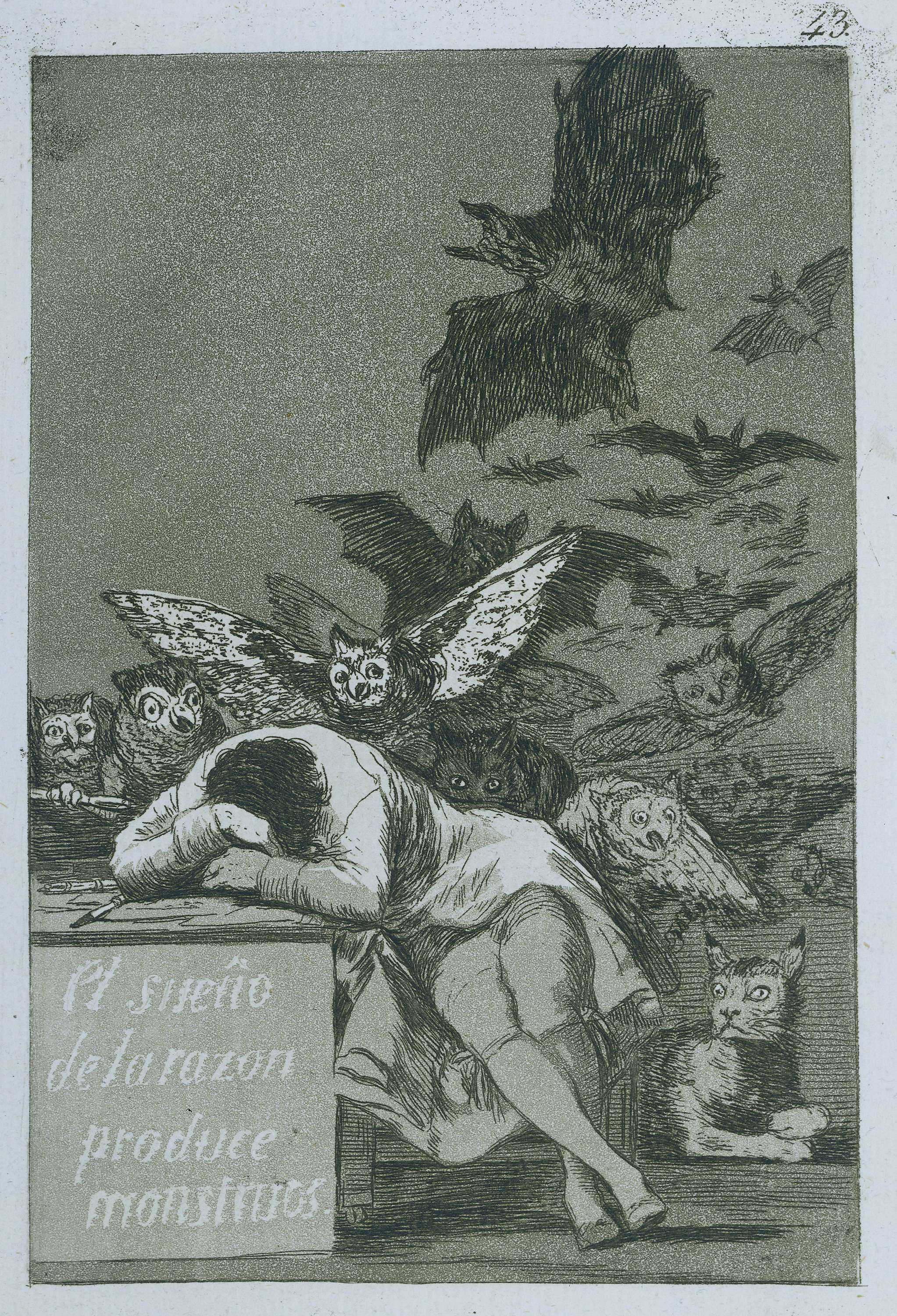
De slaap van de rede brengt monsters voort
Francisco de Goya
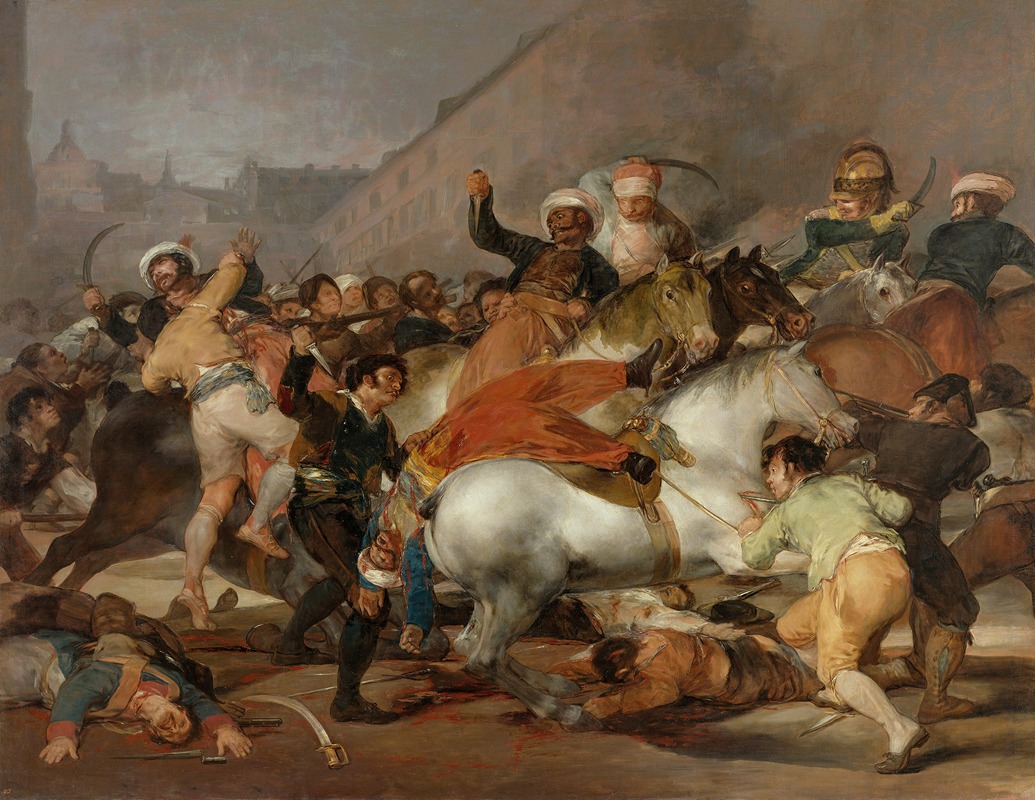
The Charge of the Mamelukes (1814)
Francisco de Goya