
Silbersee bei Höflein — History & Facts
Could beauty survive in a century of chaos? The world in 1924 was grappling with the aftermath of war, yet within that turmoil, the serenity of nature still beckoned. Look to the center of Silbersee bei Höflein, where the shimmering surface of the lake reflects a striking blue sky, punctuated by soft white clouds. Notice how light dances upon the water, creating a symphony of highlights and shadows that invite the viewer to linger. The surrounding verdant landscape frames the scene, with trees that stand in silent witness, their hues of green contrasting beautifully with the tranquil palette of the water. Peering closer, one can sense a delicate tension in the stillness—the calm surface concealing the depths below, much like the facade of peace in a world rife with unrest.
The gentle ripples hint at movement, suggesting that chaos, like a whisper, is never far from beauty. The juxtaposition of vibrant life against an expansive sky evokes a profound connection to nature, as if the artist is challenging us to find solace amid uncertainty. In 1924, Max Kahrer was solidifying his reputation in the vibrant art scene of post-war Austria. Working at a time when artists sought to encapsulate the complexities of modernity, he embraced the interplay of light and color to evoke emotion.
During this period, Europe was slowly rebuilding, and Kahrer’s focus on serene landscapes was a poignant response to the revolutionary changes around him, offering a moment of reprieve and reflection in a chaotic world.
More Artworks by Max Kahrer
Browse all →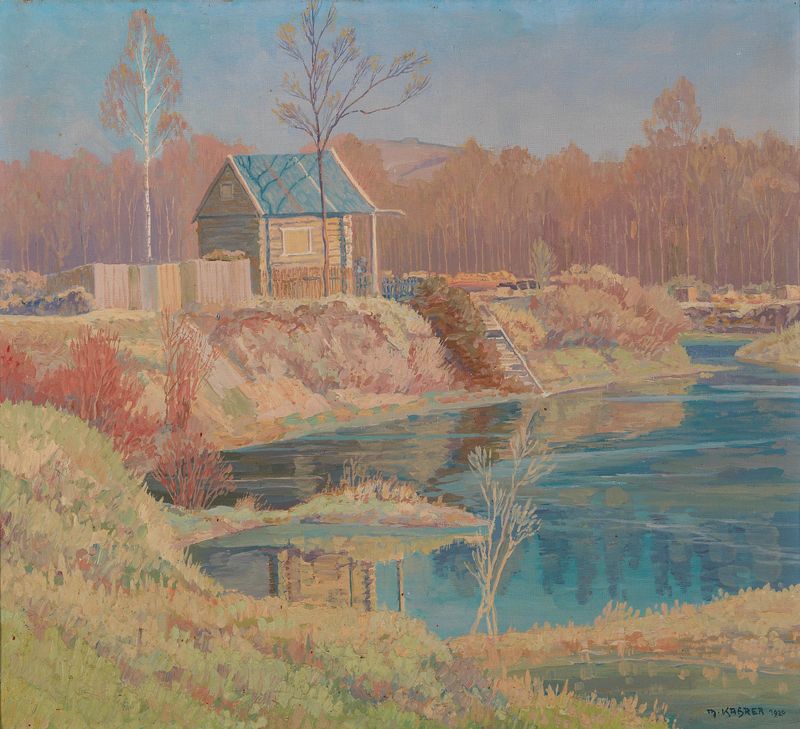
By A Lake
Max Kahrer

View of Klosterneuburg in winter
Max Kahrer

Klosterneuburg im Winter
Max Kahrer
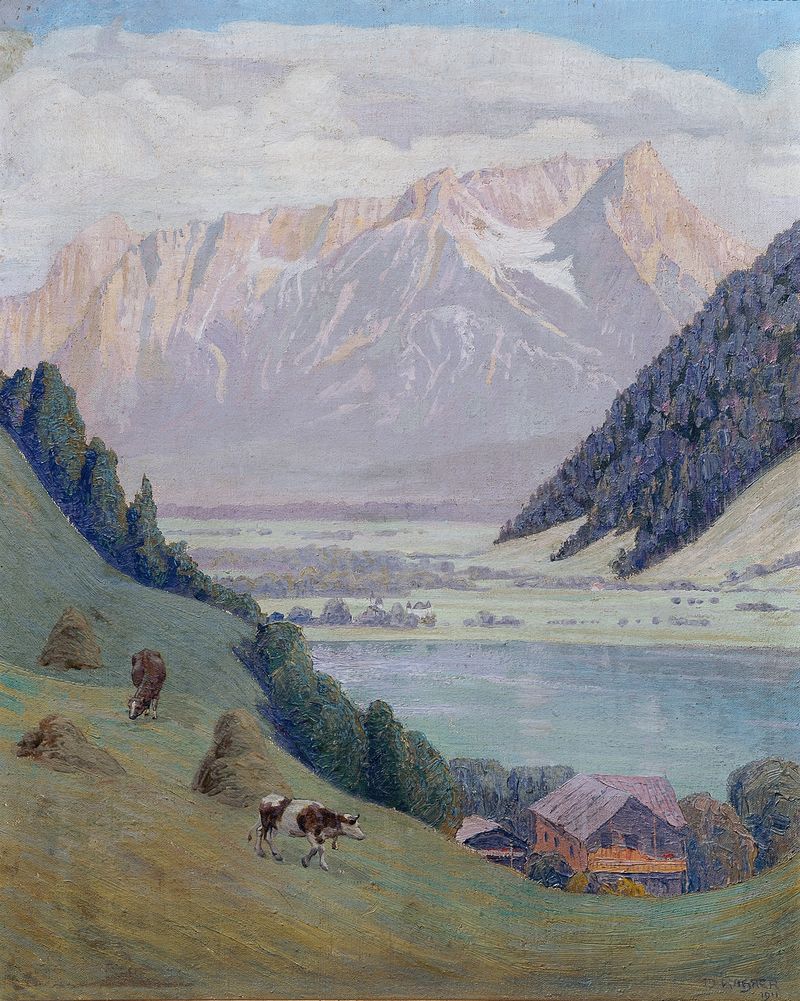
Bergsee
Max Kahrer

Seiser Alm (Südtirol)
Max Kahrer
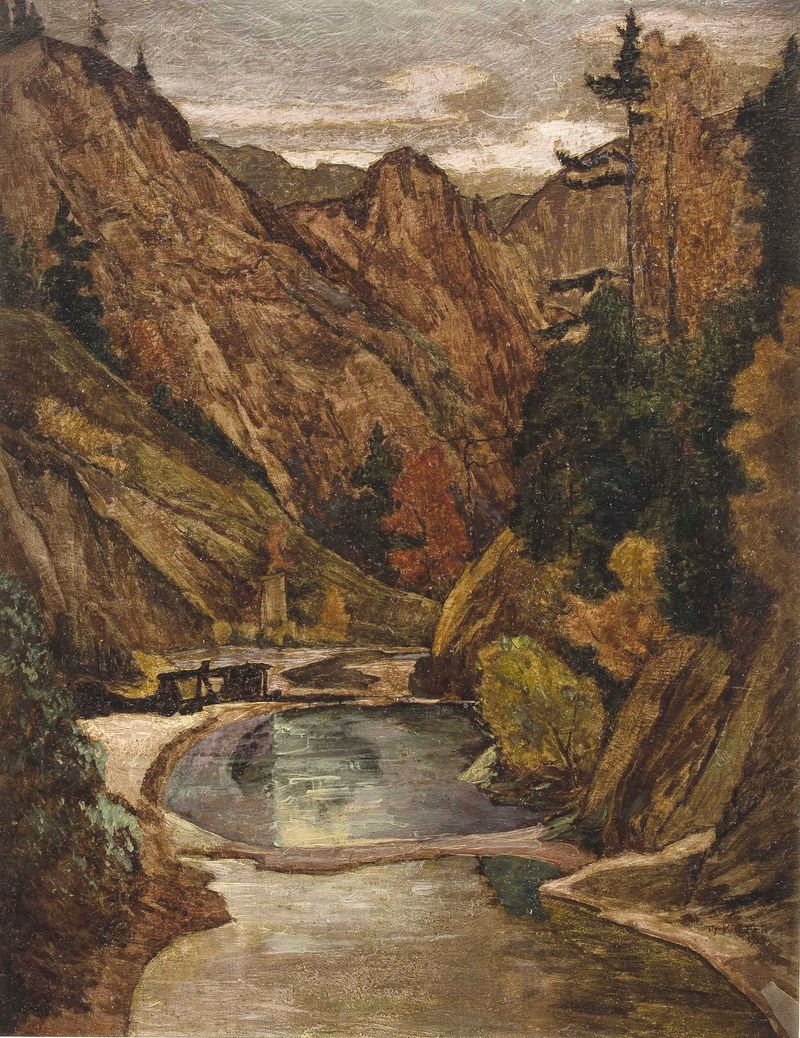
Der Lassinggraben
Max Kahrer
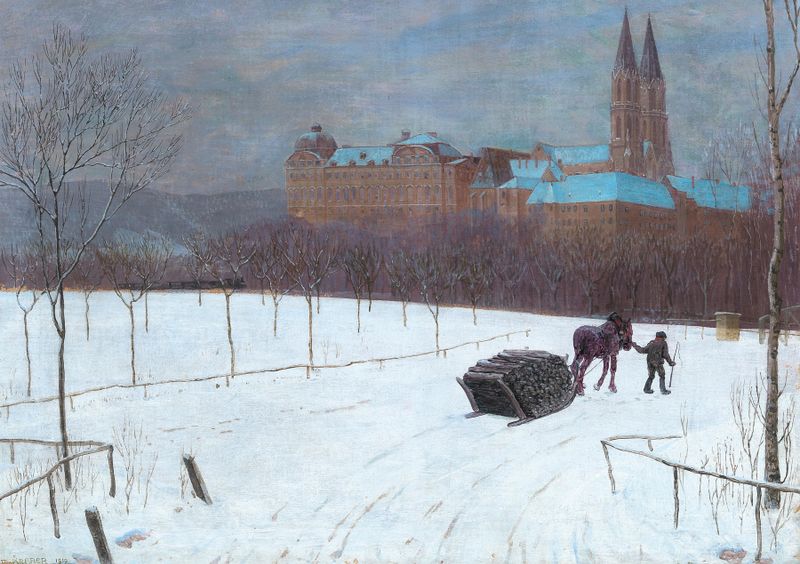
Winter landscape at Klosterneuburg
Max Kahrer

Auf dem Feld
Max Kahrer
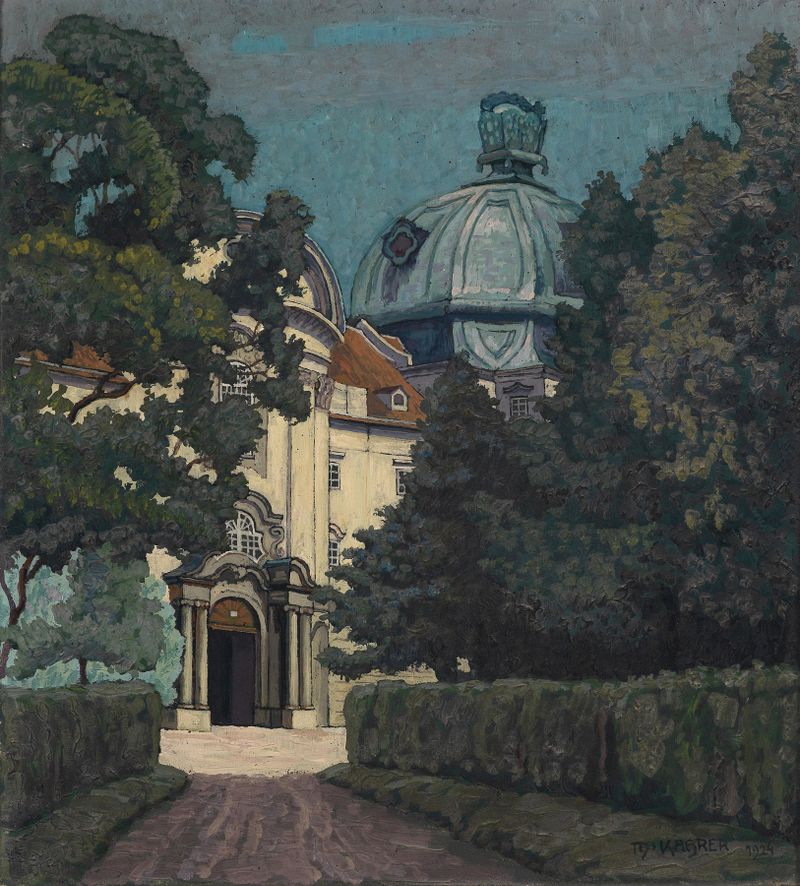
Stiftsportal Klosterneuburg
Max Kahrer

Aulandschaft im Vorfrühling
Max Kahrer





