Simson overwint de leeuw — History & Facts
Could beauty survive in a century of chaos? In a world drenched in turmoil, art stands as a testament to the enduring human spirit, a shimmering memory that defies the ravages of time. Gaze upon the central figure, a serene Simson, poised gracefully with a strong yet contemplative expression. Notice how the artist intricately depicts the lion’s defeat, the vibrant colors contrasting with the somber tones of the background. The interplay of light and shadow draws our eye to the tension in Simson’s muscles, reflecting not only his physical strength but also an emotional resolve.
Each brushstroke reveals the delicate artistry of a master, inviting the viewer deeper into this moment of triumph. There lies a profound duality in this work—victory juxtaposed with vulnerability. The lion, once a fearsome predator, now lies subdued, its fierce power diminished. Yet, the fallen beast’s expression, almost sorrowful, speaks to the inevitable cycles of nature and fate.
The rich fabrics adorning Simson hint at nobility and grace, contrasting sharply with the raw brutality of the confrontation; it is a reminder that even the strongest can face their own battles within. Created between 1470 and 1475, this work emerged during a time when artists were beginning to explore human emotion and narrative more deeply than ever before. The Meester van het Amsterdamse Kabinet was part of a broader movement, as the Northern Renaissance unfolded, where symbolism and moral lessons interwove through art. Amidst the societal upheavals of the period, this painting captures a timeless tale of resilience, inviting reflection on the nature of strength and memory.
More Artworks by Meester van het Amsterdamse Kabinet
Browse all →
De Heilige Familie bij de rozenstruik
Meester van het Amsterdamse Kabinet

Hertenjacht
Meester van het Amsterdamse Kabinet
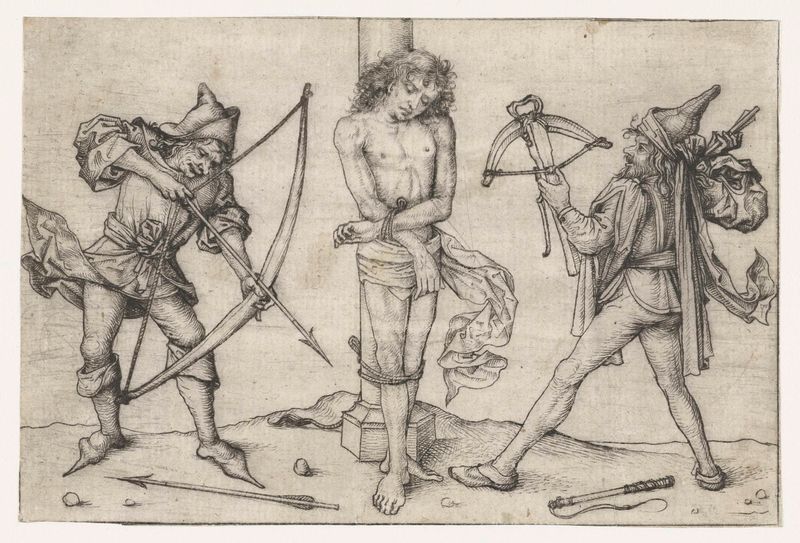
Heilige Sebastiaan met boogschutters
Meester van het Amsterdamse Kabinet

Het lichaam van Christus ondersteund door twee engelen
Meester van het Amsterdamse Kabinet

Heilige Anna-te-Drieën
Meester van het Amsterdamse Kabinet

Heilige Barbara (grote versie)
Meester van het Amsterdamse Kabinet
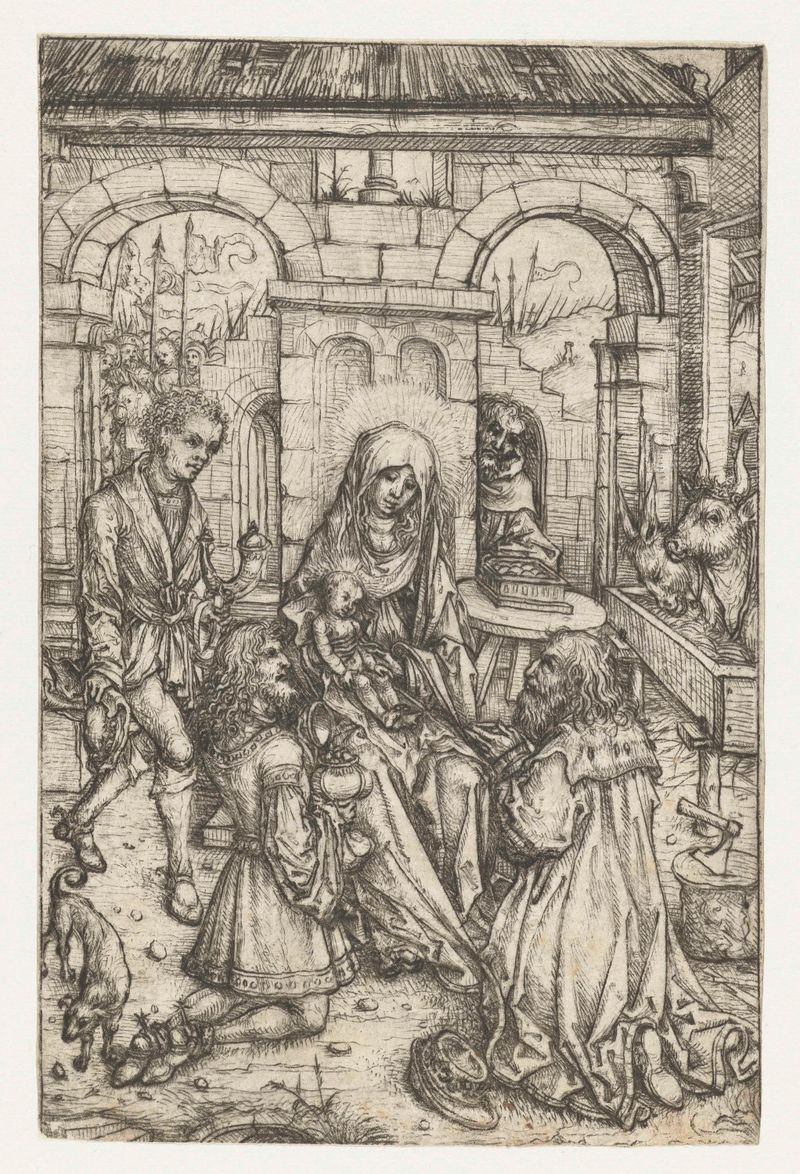
Aanbidding der koningen
Meester van het Amsterdamse Kabinet
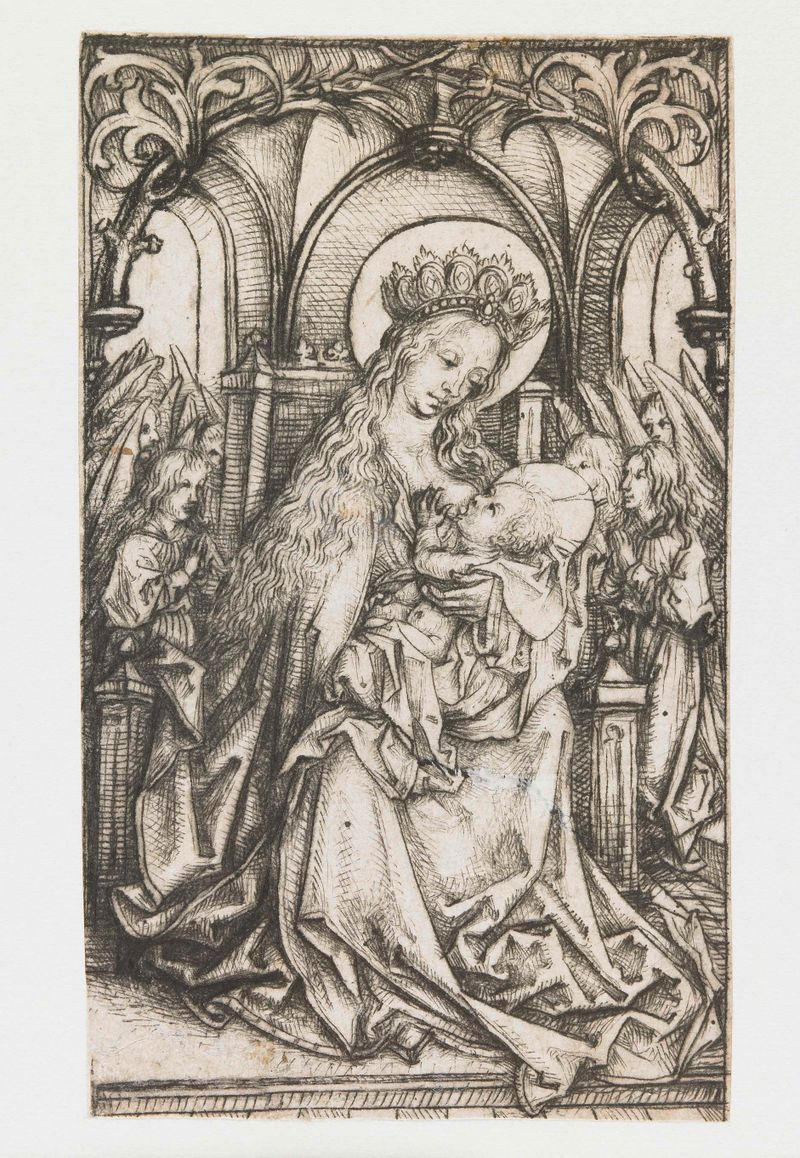
Tronende Madonna door engelen aanbeden
Meester van het Amsterdamse Kabinet

Het zegenend Christuskind
Meester van het Amsterdamse Kabinet
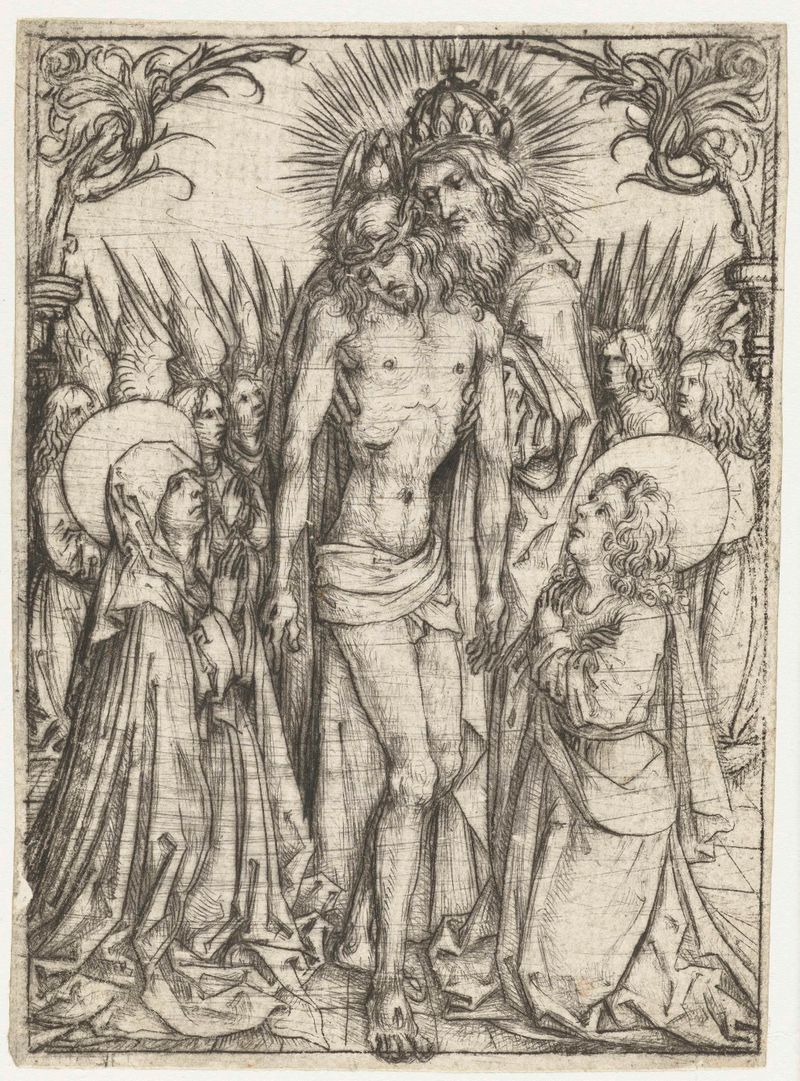
Aanbidding van de Heilige Drieëenheid door Maria, Johannes de Evangelist en engelen
Meester van het Amsterdamse Kabinet