
Sir William Hamilton’s Villa — History & Facts
Where does light end, and longing begin? In Sir William Hamilton’s Villa, the interplay of light and shadow stretches beyond mere representation, inviting viewers to ponder the delicate balance between nature and architecture. Look to the left at the soft, golden hues that caress the villa’s façade, revealing its elegant geometry. The meticulous brushwork transforms light into a physical presence, draping the building in warmth, while the surrounding landscape dissolves into a serene blur of greens and blues. Notice how the sky, awash with ethereal clouds, spills its light onto the scene, capturing a moment of quiet stillness.
The interplay of vibrant and subdued tones speaks of harmony, yet hints at an unrest simmering beneath the surface. Within this tranquil vista lies a subtle contrast between the structured elegance of the villa and the untamed beauty of the natural surroundings. The trees, bending slightly in the breeze, suggest a world alive and in motion, while the villa stands resolutely still, a testament to human ambition. This dichotomy evokes a sense of longing; a yearning for connection between the manmade and the wild.
Each detail, from the delicate ripples in the water to the elusive light filtering through branches, conveys a rich emotional undercurrent that resonates deeply. In 1795, Turner was navigating the early stages of his career, painting from his studio in London. The late 18th century was a transformative time in art, marked by the rise of Romanticism, which emphasized emotion and nature over classical ideals. This work illustrates his fascination with the interplay of light and landscape, as he sought to capture not just the scene before him but the very essence of experience itself.
More Artworks by Joseph Mallord William Turner
Browse all →
Dort or Dordrecht- The Dort Packet-Boat from Rotterdam Becalmed
Joseph Mallord William Turner
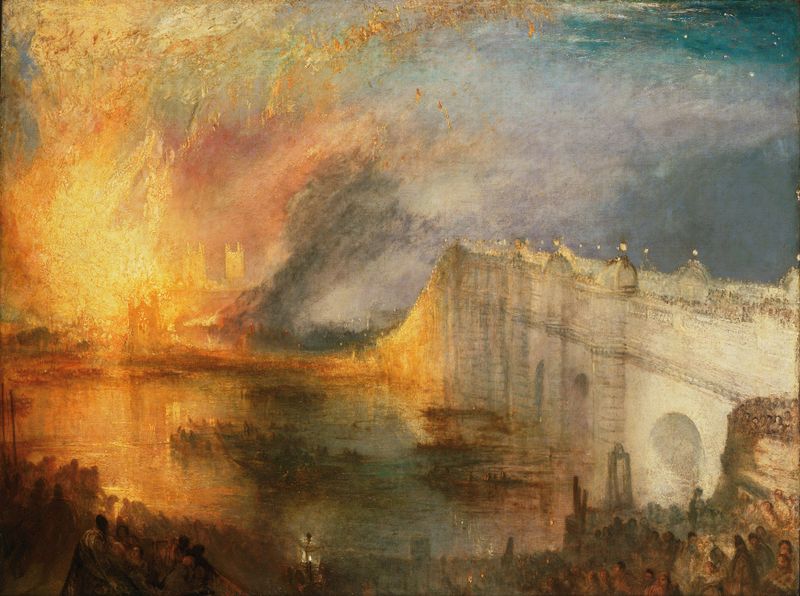
The Burning of the Houses of Lords and Commons, October 16, 1834
Joseph Mallord William Turner
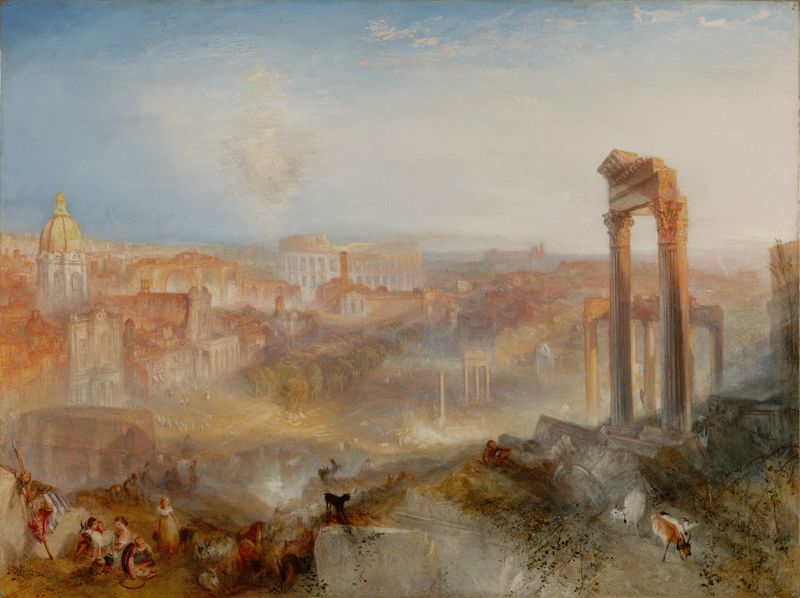
Modern Rome – Campo Vaccino
Joseph Mallord William Turner
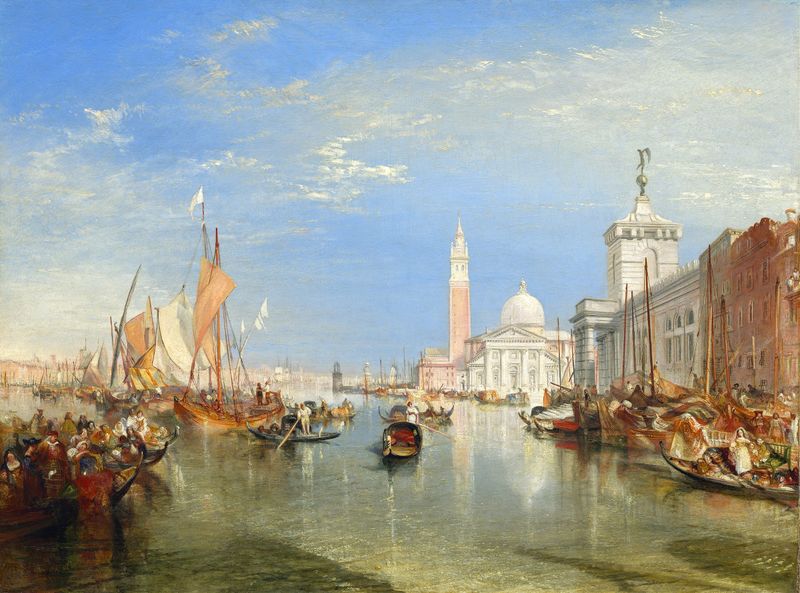
Venice – The Dogana and San Giorgio Maggiore
Joseph Mallord William Turner

The Burning of the Houses of Lords and Commons, 16 October 1834
Joseph Mallord William Turner
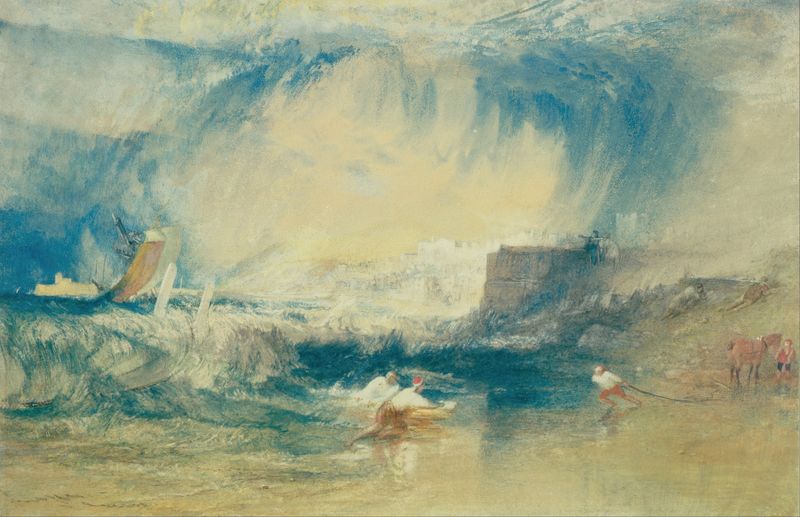
Lyme Regis, Dorsetshire, England
Joseph Mallord William Turner
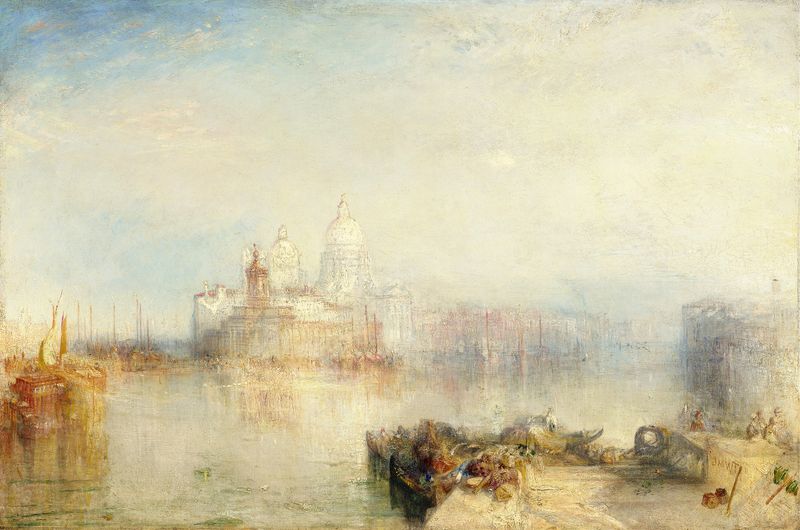
The Dogana and Santa Maria della Salute, Venice
Joseph Mallord William Turner
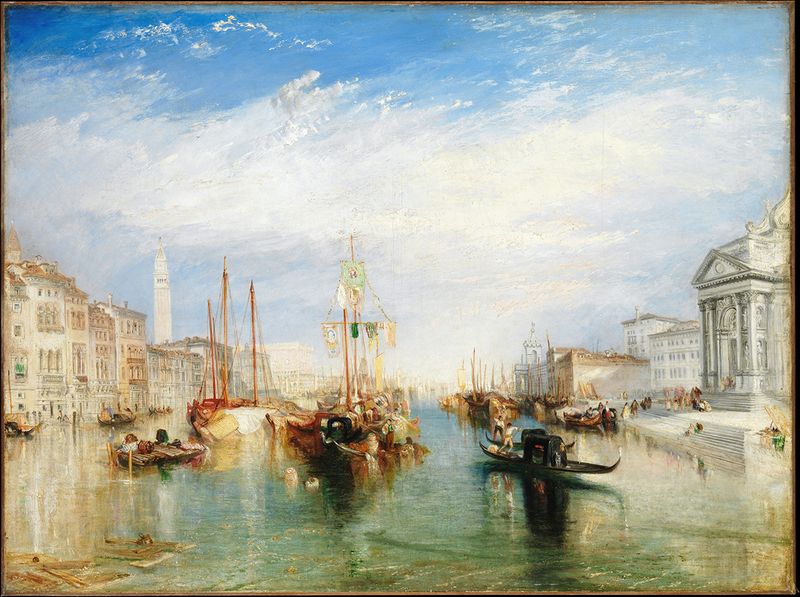
Venice, from the Porch of Madonna della Salute
Joseph Mallord William Turner
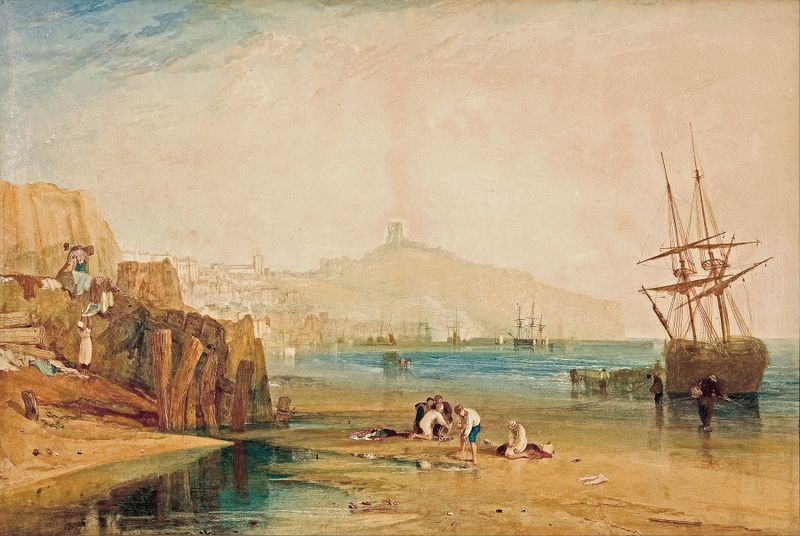
Scarborough town and castle; morning; boys catching crabs
Joseph Mallord William Turner
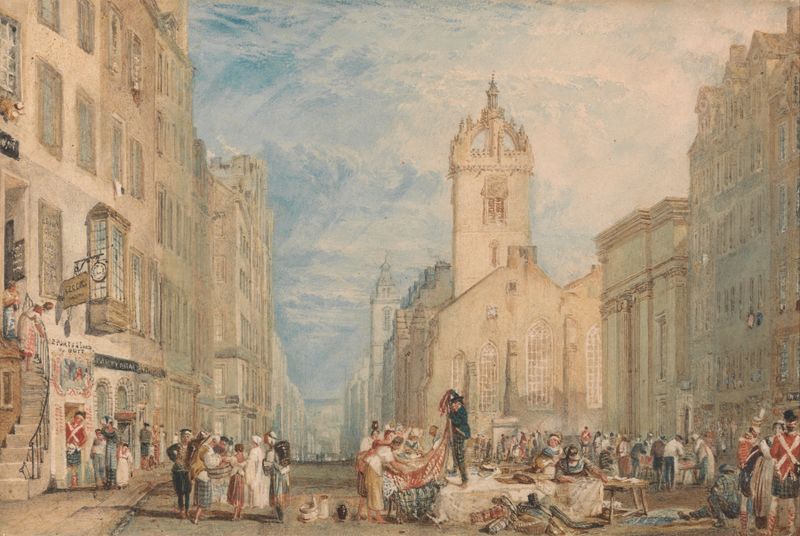
High Street, Edinburgh
Joseph Mallord William Turner
More Architecture Art
Browse all →
The statue of Liberty
Frédéric Auguste Bartholdi

View of Houses in Delft, Known as ‘The Little Street’
Johannes Vermeer

View of Houses in Delft, Known as ‘The Little Street’
Johannes Vermeer

The Cathedral in Rouen. The portal, Grey Weather
Claude Monet

The yellow house
Vincent van Gogh

The Church in Auvers-sur-Oise, View from the Chevet
Vincent van Gogh