
Sisäkuva uusmaalaisesta tuvasta — History & Facts
What draws the eye first in Sisäkuva uusmaalaisesta tuvasta is the hush: a woman sits in shadow, her profile caught by the faintest rim of light, cradling a child whose small form faces the cradle. The room is modest and dim, yet the window at its heart glows with the green promise of the world outside, its panes framing a patch of summer. Above, a coil of drying bread or rings of some household staple hangs, casting a mysterious rhythm across the ceiling.
Every object — the simple chair, the draped cloth, the cradle’s gentle arc — is placed not for show but for use, and yet their arrangement becomes a quiet choreography of daily life. The palette is earthy, with the warmth of wood and the softness of worn textiles, making the shaft of daylight feel almost like a visitor. This is the world of rural Finland in the late nineteenth century, a time when artists like Albert Edelfelt turned their gaze to the interiors of ordinary people, seeking truth in the unadorned. Such paintings were rarely grand commissions; they were more often studies or tributes to a way of life on the cusp of change, as industrialization crept into the countryside.
The work now belongs to the Finnish National Gallery, a reminder of how history has kept few traces of these quiet rooms, save for what artists preserved. Look again at the mother’s silhouette: in her stillness, you sense the weight and dignity of lives lived mostly out of sight.
More Artworks by Albert Edelfelt

The Day of Rest
Albert Edelfelt
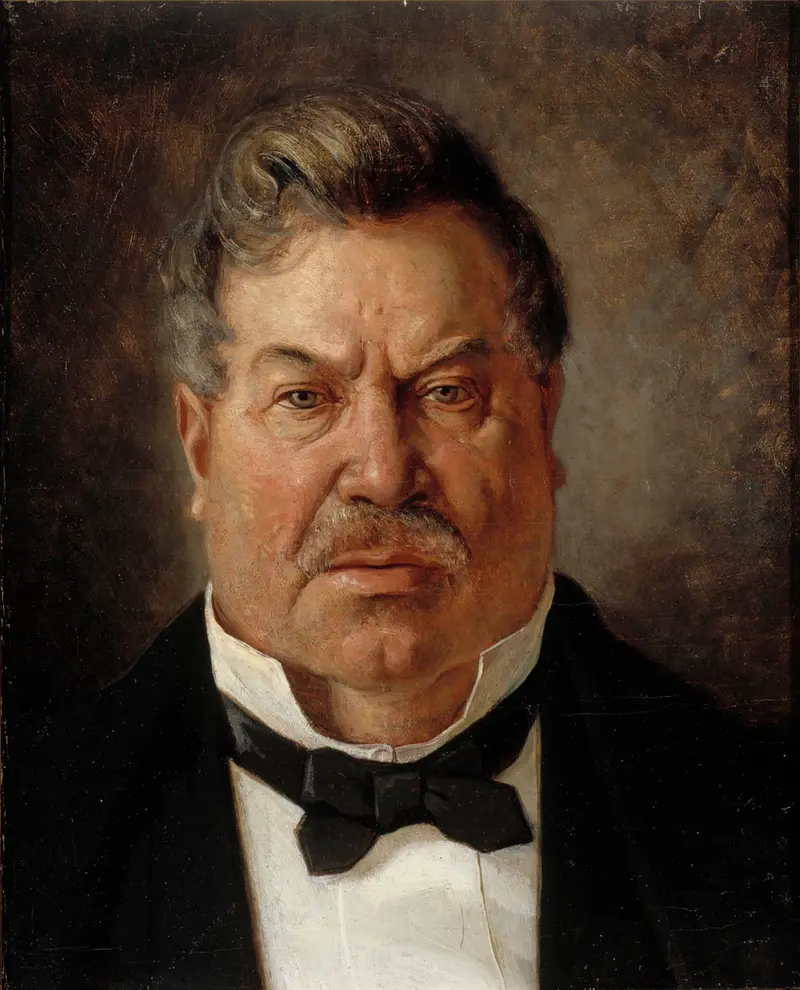
Portrait of August Streng
Albert Edelfelt
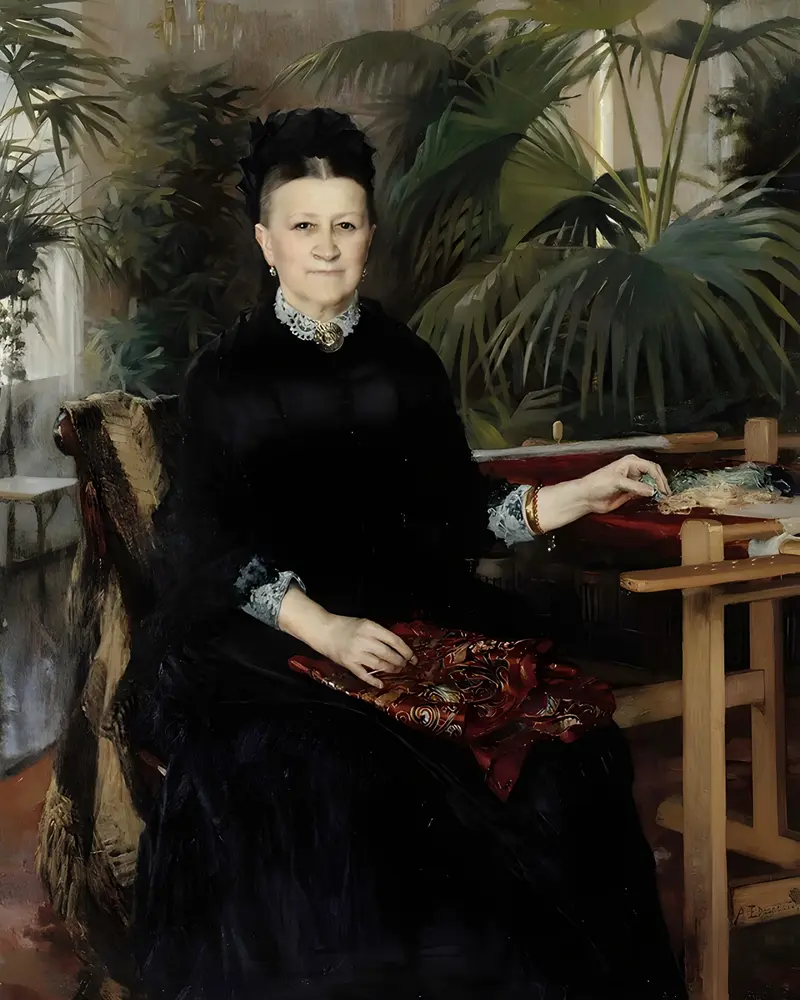
Portrait Of Mrs. Anna Sinebrychoff
Albert Edelfelt

The Poet, Larin Paraske
Albert Edelfelt

Parisian lady in a Peignoir
Albert Edelfelt
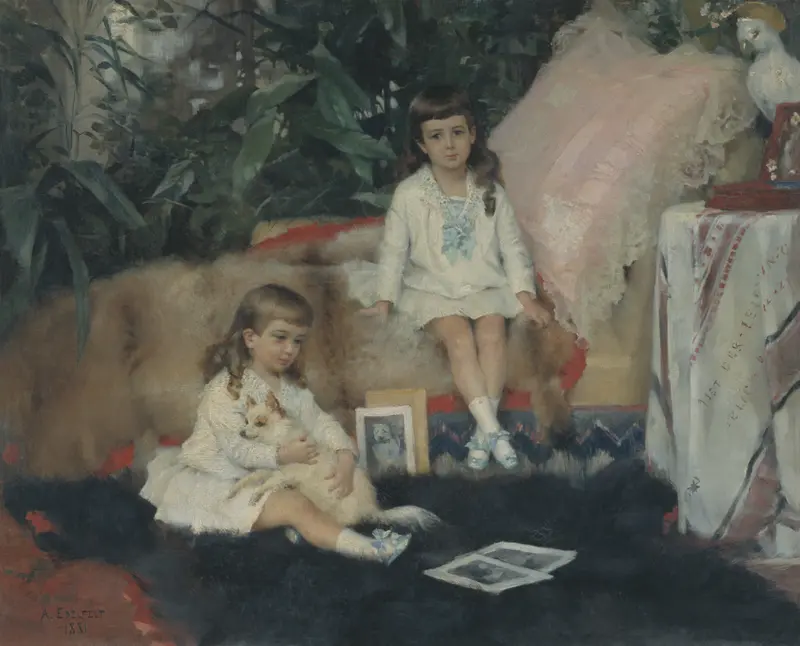
The Grand Dukes Boris and Kirill Vladimirovich as Children
Albert Edelfelt
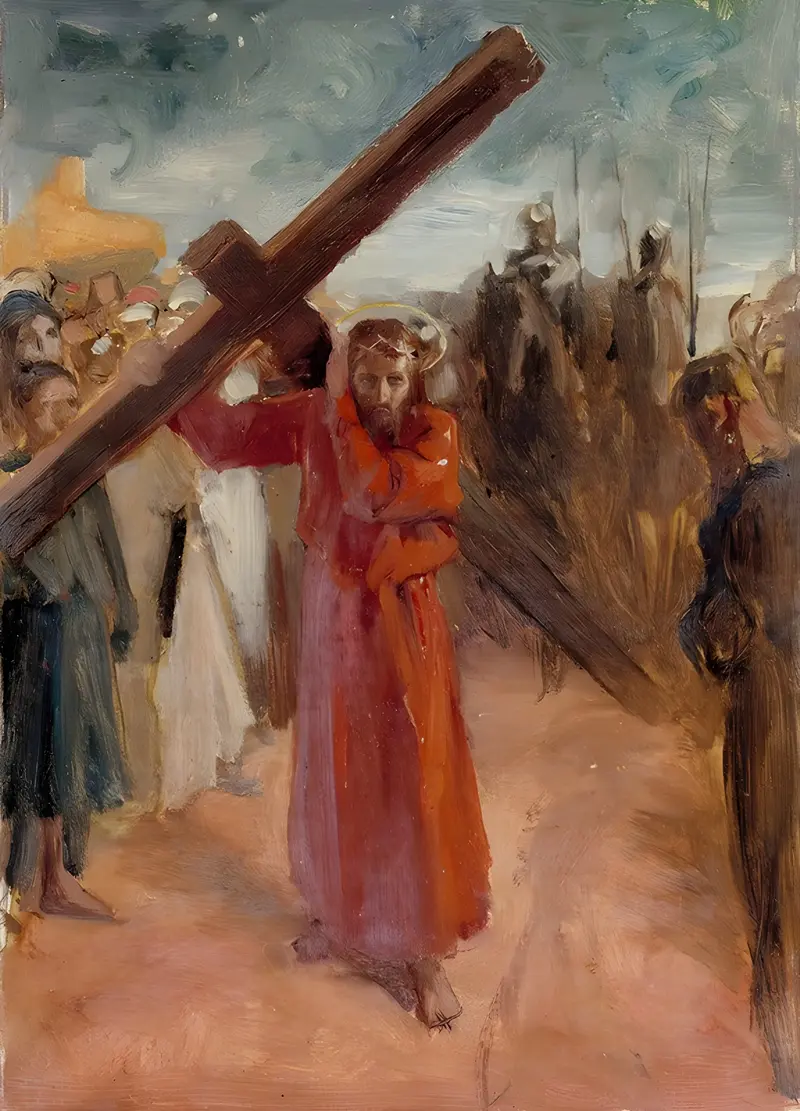
Christ Bears The Cross
Albert Edelfelt
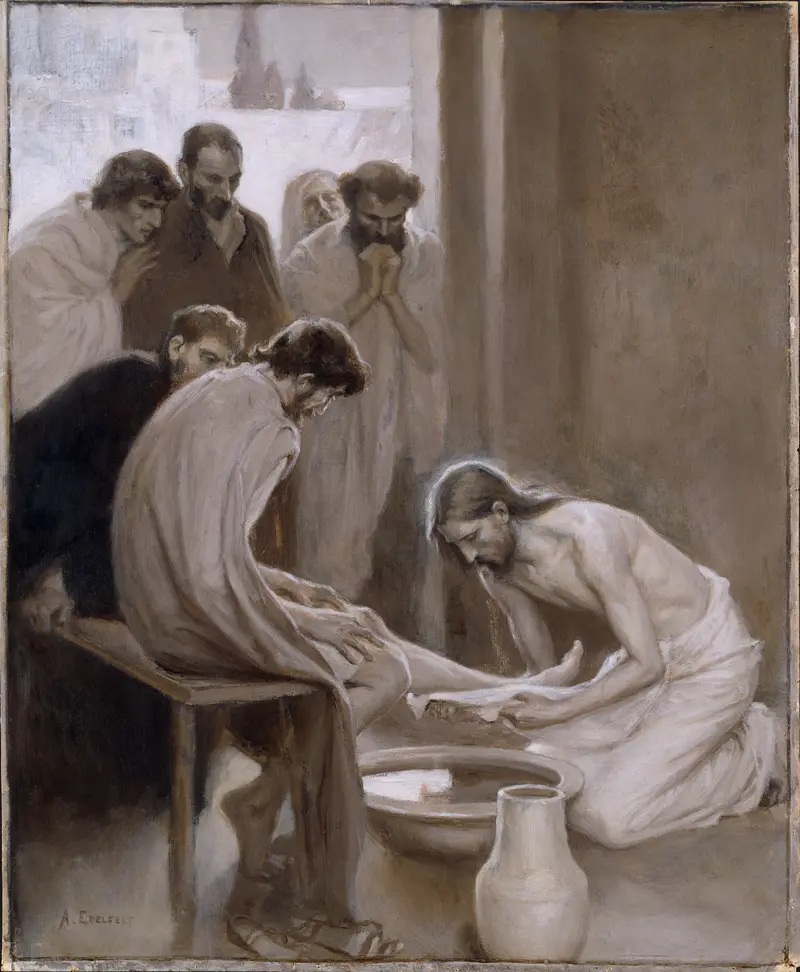
Jesus Washing the Feet of his Disciples
Albert Edelfelt

Larin Paraske with Kantele
Albert Edelfelt
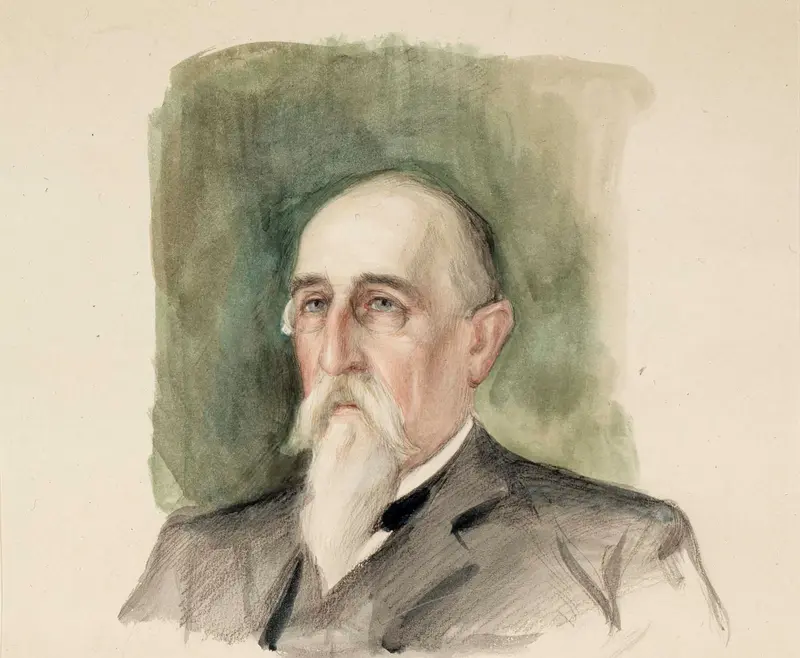
Leo Mechelin, Portrait Study
Albert Edelfelt





