
Sitzender Bub mit gefalteten Händen — History & Facts
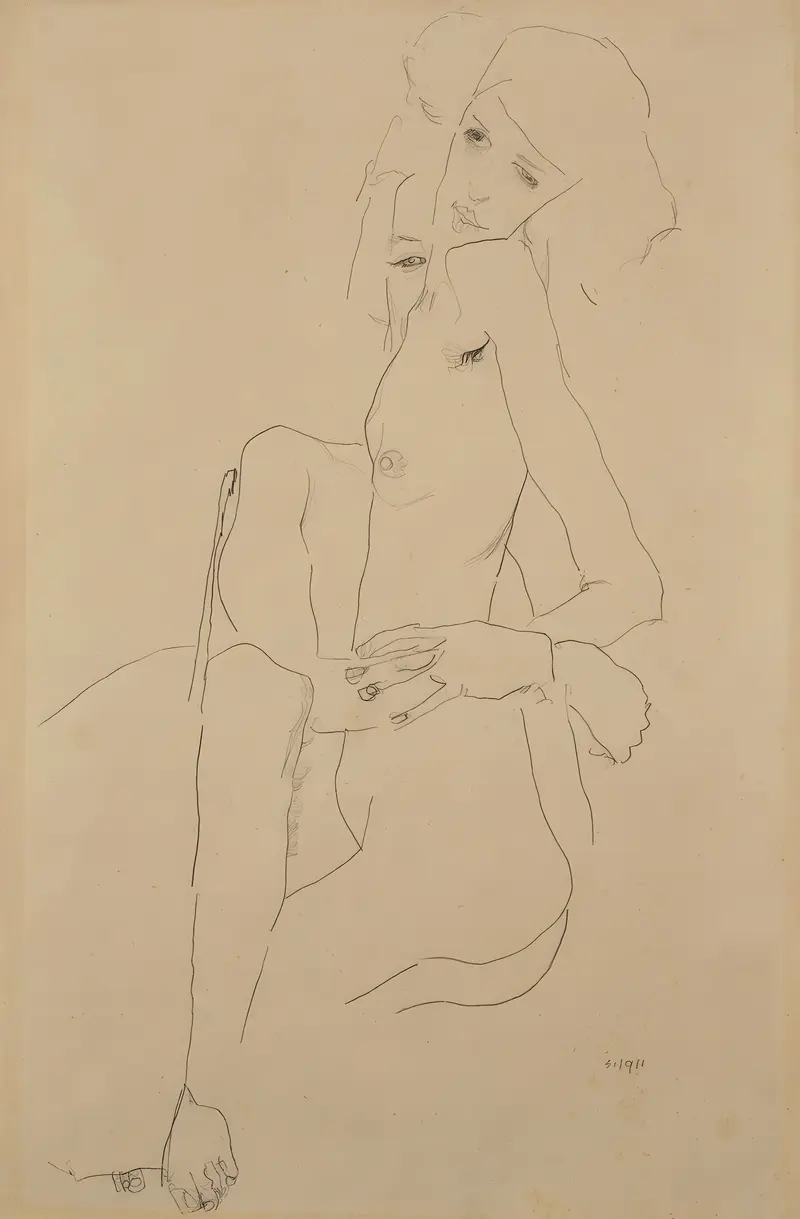
In Sitzender Bub mit gefalteten Händen, we see a young boy seated with his hands folded in his lap. The colors are muted, with earthy tones dominating the palette, creating a somber yet intimate atmosphere. The boy's expression is contemplative, drawing the viewer into his inner world.
His posture suggests a sense of stillness and reflection, typical of Egon Schiele's work. The painting is characterized by Egon Schiele's distinctive style, marked by bold lines and expressive forms. The brushwork is visible, adding texture and depth to the piece. The composition is simple yet powerful, focusing entirely on the boy's figure against a minimal background.
This technique highlights the emotional weight of the subject. Egon Schiele was a key figure in the Expressionist movement, known for his raw and emotional portrayals of the human figure. This work, created in the early 1910s, reflects his interest in the psychological aspects of his subjects. An interesting fact about this painting is that it captures a moment of vulnerability, a theme that resonates throughout Schiele's oeuvre.
The boy's pose and expression invite viewers to ponder his thoughts and feelings.
More Artworks by Egon Schiele

Lovers
Egon Schiele
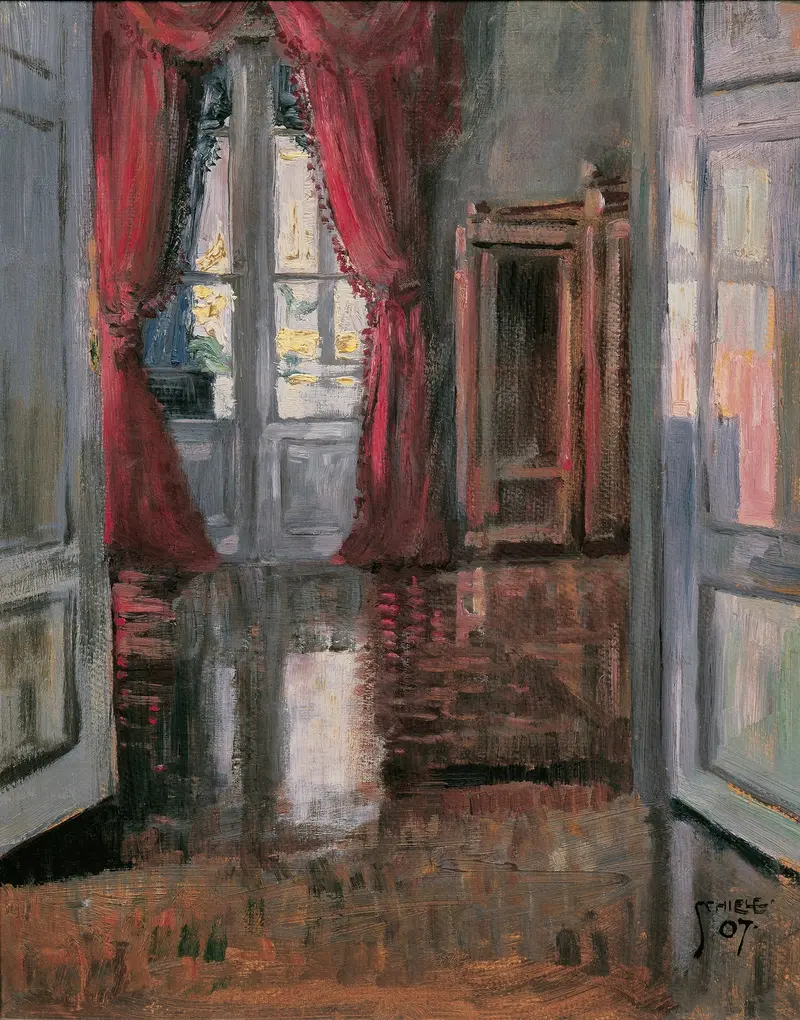
Blick in die Wohnung von Leopold und Marie Czihaczek
Egon Schiele
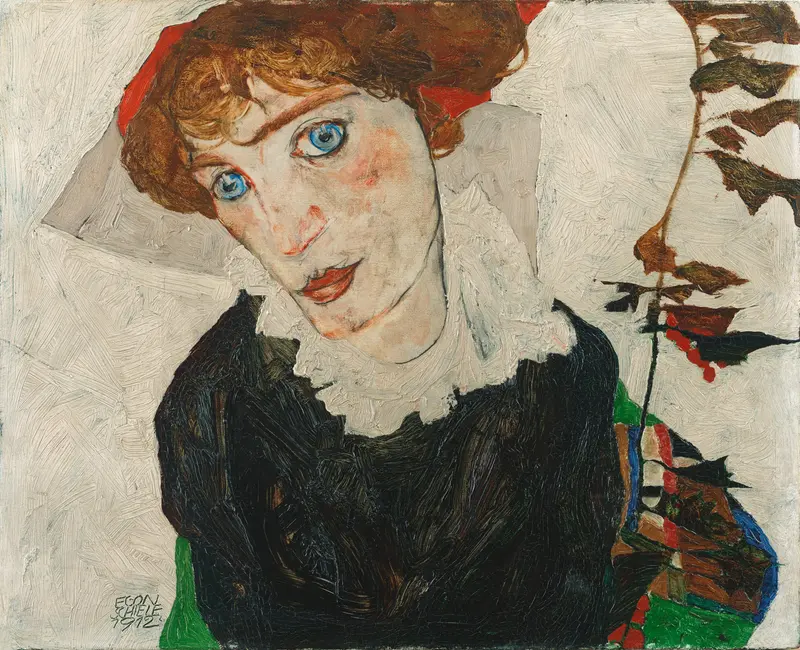
Portrait Of Wally Neuzil
Egon Schiele
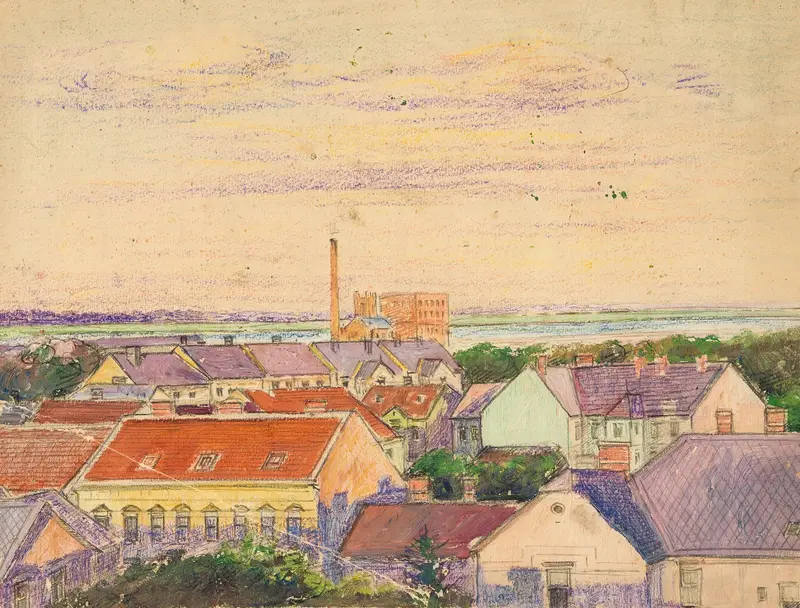
Stadtansicht
Egon Schiele
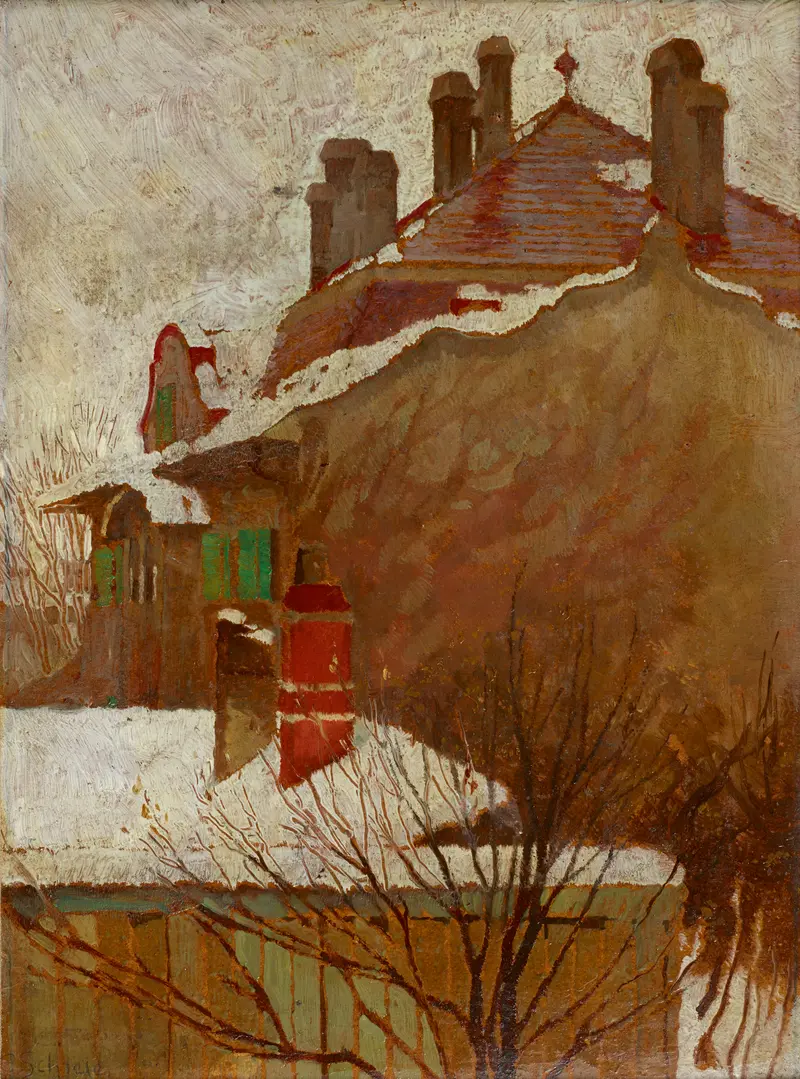
Häuser im Winter (Blick aus dem Atelier)
Egon Schiele
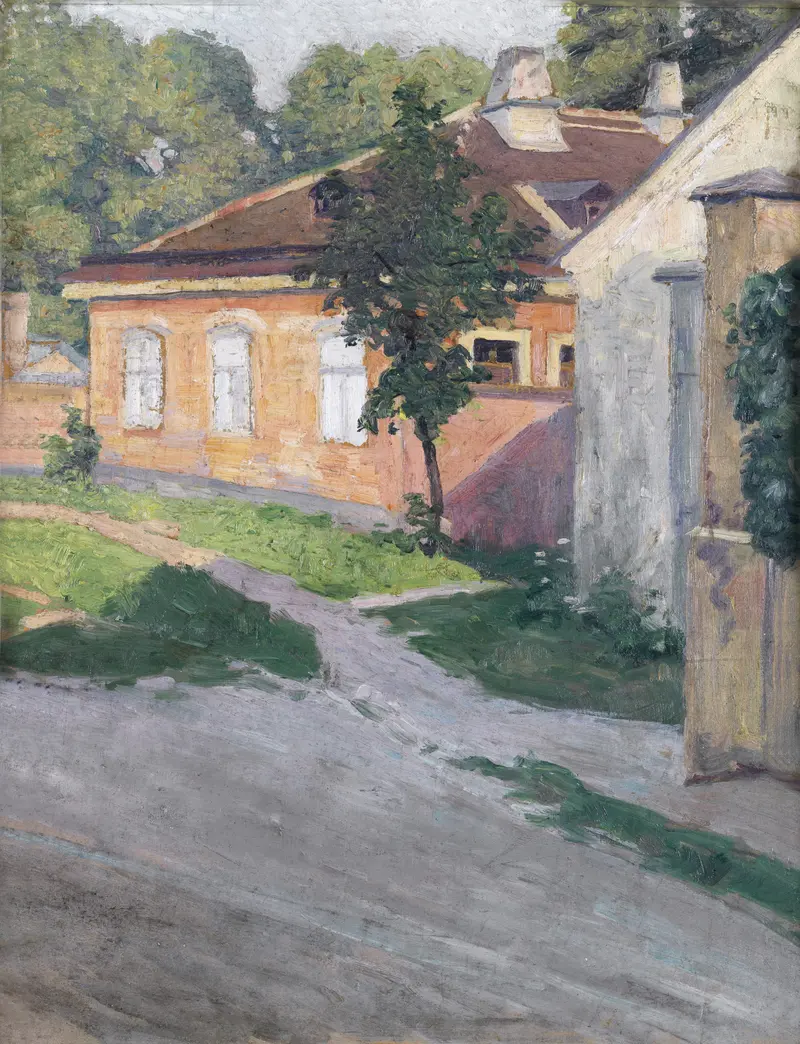
Haus In Hütteldorf (House In Hütteldorf)
Egon Schiele
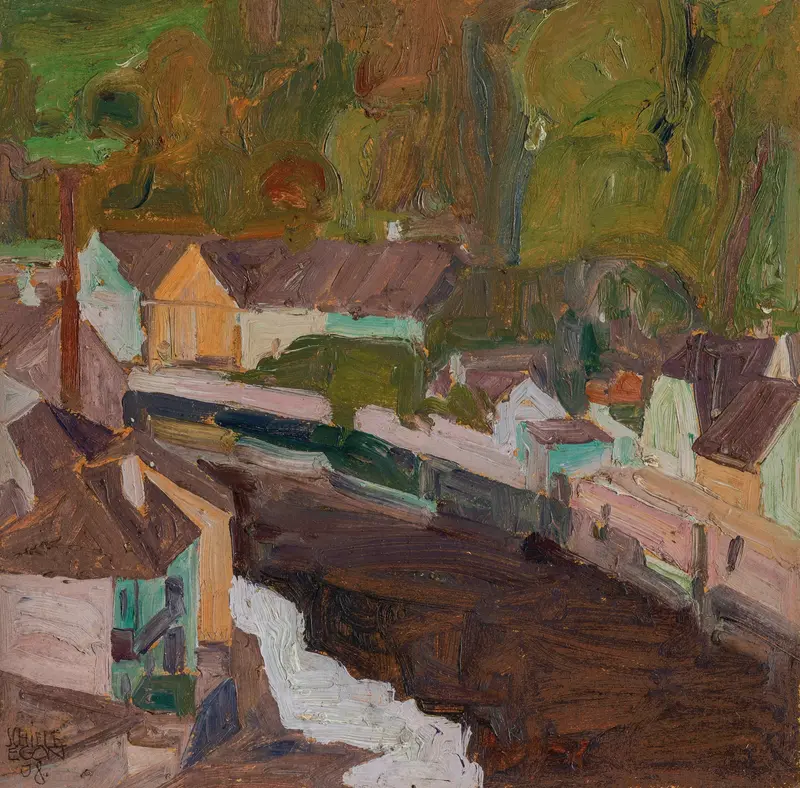
Dorf am Fluss II
Egon Schiele
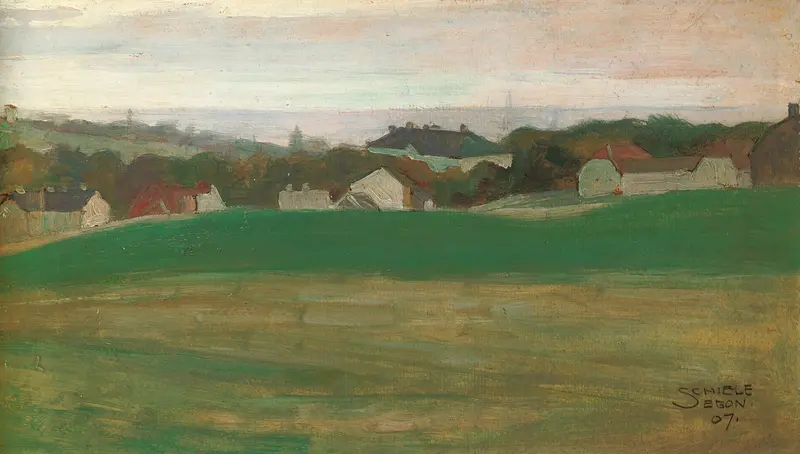
Wiese mit Dorf im Hintergrund II
Egon Schiele
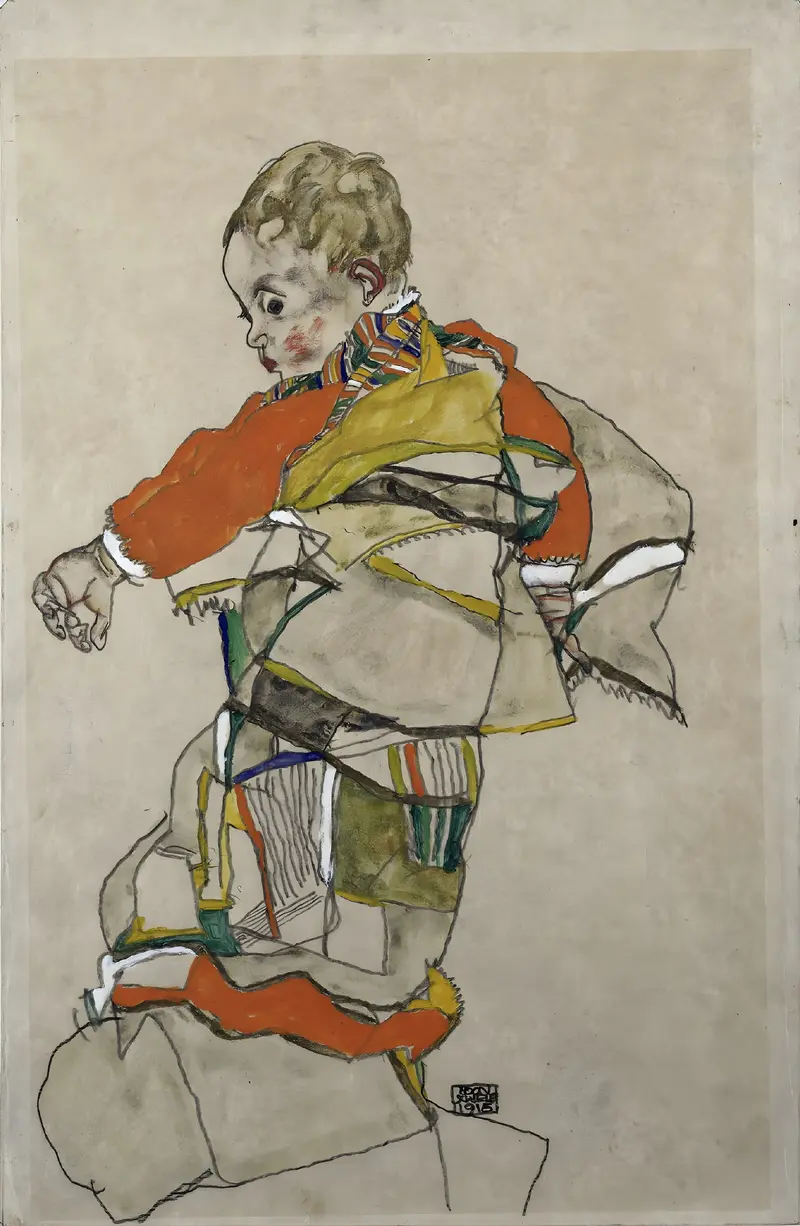
Portrait of a Child (Anton Peschka, Jr.)
Egon Schiele
The Embrace
Egon Schiele





